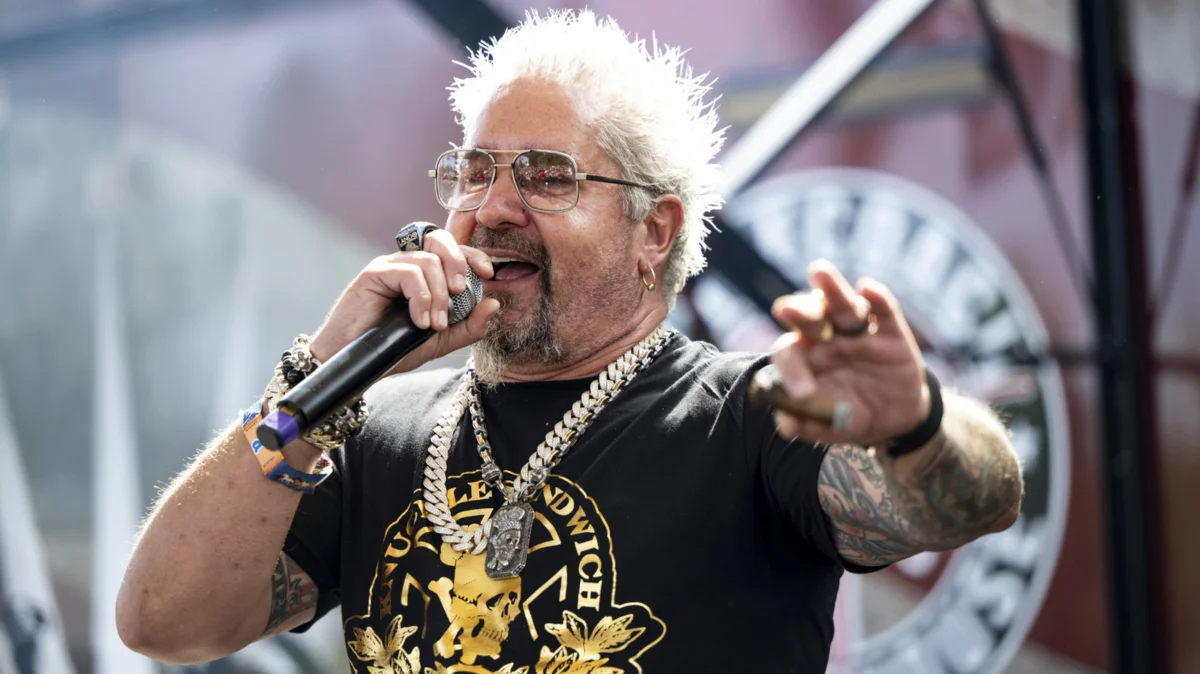
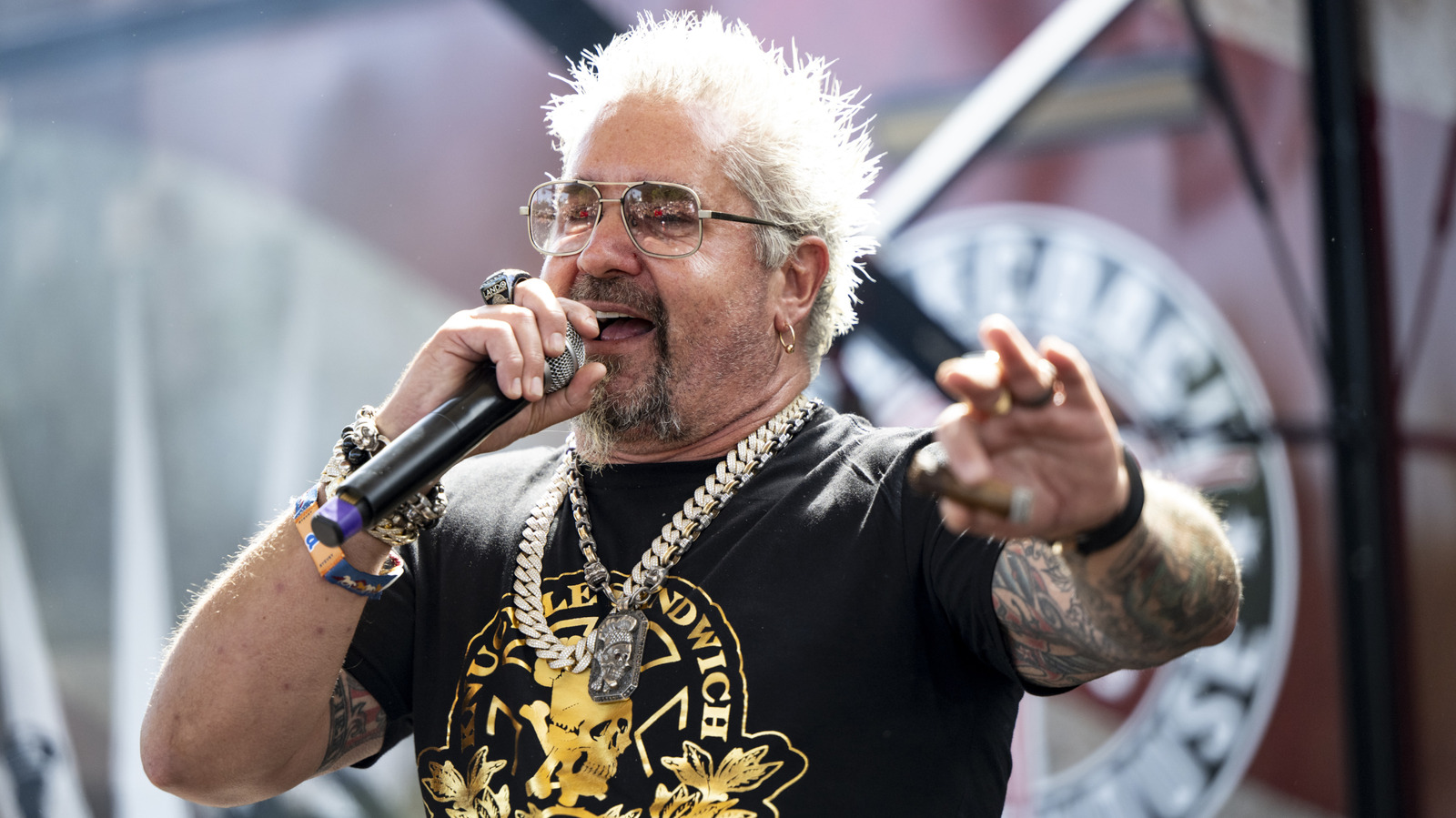
For nearly two decades, Diners, Drive-Ins and Dives—affectionately known as "Triple D"—has served as a cornerstone of the Food Network’s programming. With his signature frosted tips, bowling shirts, and infectious, high-octane energy, host Guy Fieri has become the ultimate ambassador for America’s culinary underbelly. The show promises a journey into the heart of comfort food, celebrating the small-town heroes and neighborhood joints that keep the spirit of American dining alive.
However, the breezy, feel-good aesthetic of the show belies an incredibly complex and demanding production process. For the restaurant owners who land a spot on the show, the experience is far from a simple guest appearance; it is a high-stakes, multi-week commitment that demands financial sacrifice, operational overhaul, and nerves of steel.
The Rigorous Path to Participation: A Chronology of Vetting
The journey to becoming a "Triple D" featured establishment rarely begins with a simple application. Instead, it is an exhaustive process of vetting that can span months.
The Scouting Phase
While Food Network accepts suggestions, the show’s production team is proactive. Researchers and producers comb through local food journalism, online reviews, and industry recommendations to build a "long list" of potential candidates. For the restaurant owner, the first contact is usually a cold call from a producer. This initial interaction is the beginning of a grueling screening process.
The Interview Series
Once a restaurant expresses interest, the vetting intensifies. Owners must navigate a series of telephone interviews that go deep into the business’s DNA. Producers probe for details regarding sourcing, ingredient quality, and the restaurant’s history. Crucially, owners are required to provide health inspection records. The Food Network maintains a rigorous standard: they will not risk the brand’s reputation by featuring a business with a questionable sanitary track record.
The Sales Pitch
Interestingly, even after a restaurant has been scouted, the owners often find themselves in a "pitch" position. They must prove that their business has a compelling narrative. Producers look for more than just good food; they look for characters, heartwarming backstories, and unique operational dynamics. As one owner noted, the process feels less like a simple booking and more like a high-stakes sales negotiation where the restaurant must convince the crew they are "camera-ready."

Operational Realities: The Cost of the "Triple D" Effect
Once selected, the logistics of production shift from administrative to operational. The impact on a restaurant’s day-to-day business is profound and, in many cases, financially taxing.
The Mandatory Shutdown
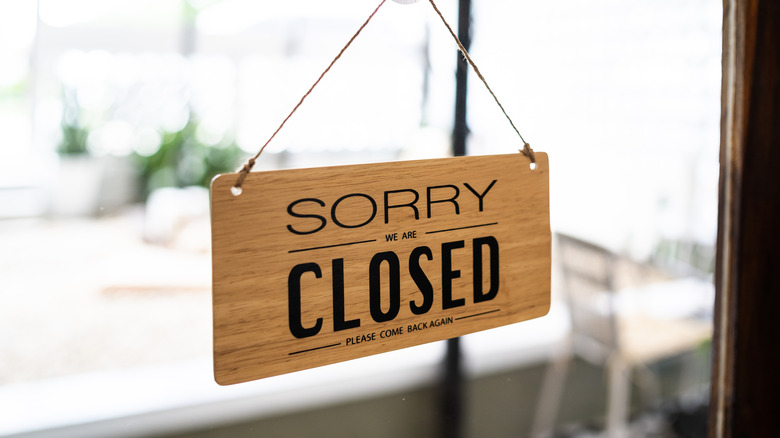
In the early days of the show, filming might have occurred while customers were present. Today, that is a relic of the past. To ensure the level of production quality the network demands, restaurants are required to close to the public for the duration of the shoot—typically a three-to-four-day period. For a small, independent eatery, this represents a significant loss of revenue during the production window.
The Financial Burden of Ingredients
Perhaps the most surprising requirement for participants is that the restaurants themselves must foot the bill for all ingredients used during the filming. Because of the way the show is structured—requiring chefs to demonstrate dishes from scratch multiple times for different camera angles—the volume of food consumed is immense. Participants have reported costs ranging from $12,000 to $15,000 to cover the supplies needed to keep the kitchen running for the crew.
The "From-Scratch" Mandate
Producers are notoriously strict about the quality of the food. The show aims to highlight "scratch" cooking. If a kitchen relies heavily on pre-packaged or frozen Sysco products, they likely won’t make the cut. The vetting process ensures that the chefs featured are not just heating up pre-made items, but are genuinely preparing dishes from base ingredients. This commitment to authenticity is what keeps the show’s credibility intact among food critics and viewers alike.
The Production Experience: Behind the Camera
When filming finally begins, the reality of television production takes over. It is a meticulous, repetitive, and often exhausting endeavor.
Cooking for the Camera
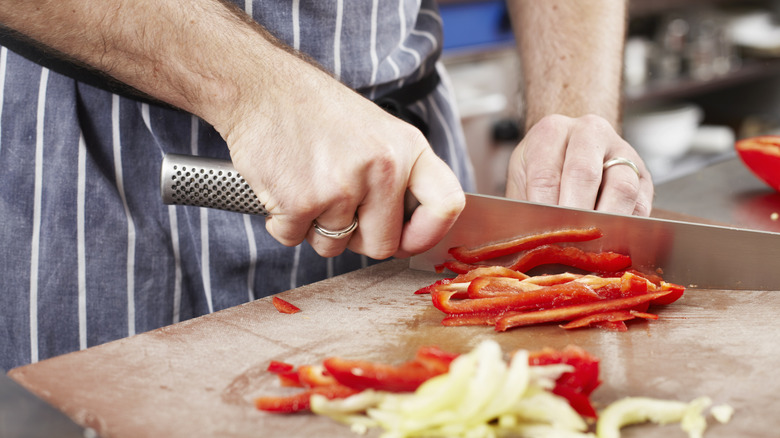
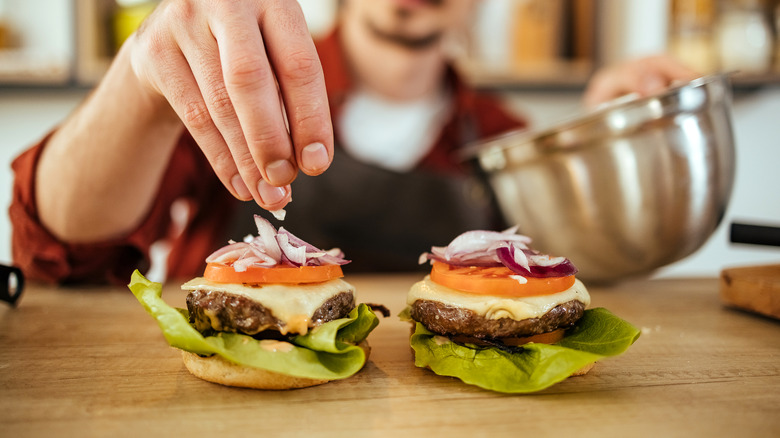
Chefs should be prepared to cook every item on the menu, often repeatedly. It is not uncommon for a dish to be prepared three times: once for the "glamour" shot, once for the step-by-step instructional sequence, and once for Guy Fieri to actually taste on camera. This is labor-intensive and requires a well-staffed, high-functioning kitchen capable of maintaining consistency under the pressure of bright lights and constant observation.
The "Invite-Only" Customer Base
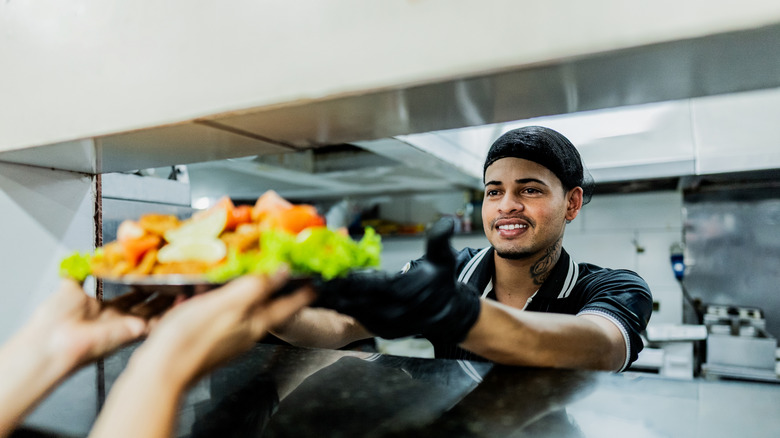
While the show depicts bustling, lively restaurants, these scenes are carefully orchestrated. Because the restaurant is closed to the public, the "customers" seen enjoying meals are not walk-ins. They are invited guests—typically friends, family, and long-time regulars of the business. Each day, the restaurant is usually limited to a small group of 10 to 15 people to keep the set manageable and ensure the audio quality remains high.
No Pre-Filming Interaction
To capture genuine reactions, Guy Fieri does not meet the restaurant owners until the cameras are rolling. There is no off-camera small talk or "rehearsal" of the introduction. This policy is designed to keep the energy authentic and prevent the segment from feeling like a scripted commercial. Fieri has stated that he wants the first time he sees the kitchen and meets the chef to be captured on tape, ensuring that his enthusiasm remains raw and unadulterated.
The Verdict: Is It Worth the Trouble?
Despite the high costs, the lost business days, and the exhausting prep, the vast majority of restaurants view the "Triple D" experience as a transformative milestone.
The "Triple D" Effect
The phenomenon known as the "Triple D Effect" is well-documented. Many owners report that the episode provides a massive, sustained surge in business. Because the Food Network cycles its episodes through frequent re-runs, the marketing impact is evergreen. Owners have noted that even years after their original air date, they see a noticeable spike in foot traffic on days their episode is broadcast. For some, the exposure has been the difference between struggling to keep the lights on and achieving long-term profitability.
The Final Say
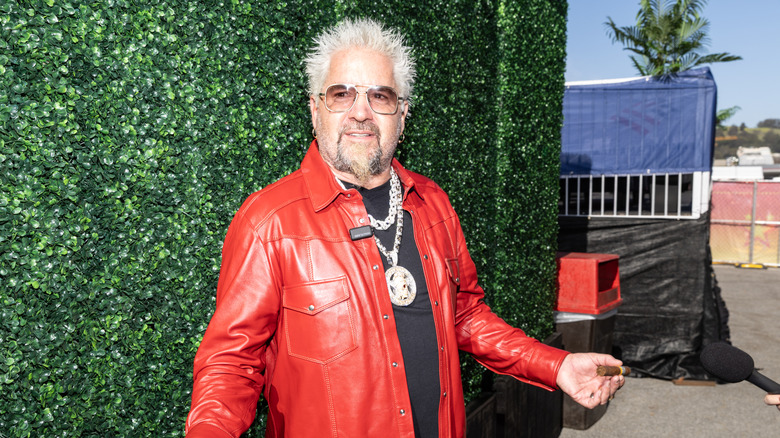
Ultimately, Guy Fieri remains the final arbiter of the show’s content. He reviews the shortlists provided by his team and makes the final call on which locations will be featured. His criteria are often focused on the "wow" factor—a unique preparation technique, a bold flavor profile, or a story that resonates.
However, even at the eleventh hour, things can go wrong. There have been documented instances where production arrived at a location only to realize the reality did not match the research. If a restaurant fails to meet the show’s standards once the cameras arrive, the production can and will pull out. It is a stark reminder that while the show is a celebration of the American restaurant industry, it is first and foremost a high-quality television production.
Implications for the Industry
The success of Diners, Drive-Ins and Dives has changed the landscape of food media. It proved that audiences crave authenticity, and that there is a massive market for celebrating the "mom and pop" establishments that define the American dining experience.
For the restaurant industry, the show serves as a double-edged sword. It offers unparalleled exposure that can cement a business’s legacy, but it demands an adherence to professional standards that can be overwhelming for smaller operations. The restaurants that succeed on the show are those that treat the experience not as a vacation, but as an extension of their professional commitment to quality. They aren’t just selling a meal; they are selling a story—and under the bright lights of the Triple D production, that story has to be perfect.