The automotive landscape for three-row SUVs is undergoing a seismic shift, and Volkswagen is positioning itself at the center of the conversation. With the debut of the second-generation 2027 Volkswagen Atlas, the German automaker is looking to capitalize on the sustained popularity of the family-hauler segment by introducing a suite of aesthetic, structural, and mechanical upgrades. As the vehicle prepares to arrive in showrooms later this year, it brings with it a refined design language, an overhauled interior experience, and a potent powertrain, albeit at a higher price point that reflects the current market’s inflationary pressures.
Main Facts: What Defines the 2027 Atlas?
The 2027 Volkswagen Atlas represents a significant evolution rather than a mere facelift. Since its inception, the Atlas has been praised for its cavernous interior and “German-lite” driving dynamics. The second generation aims to double down on these strengths while addressing consumer feedback regarding cabin materials and engine efficiency.
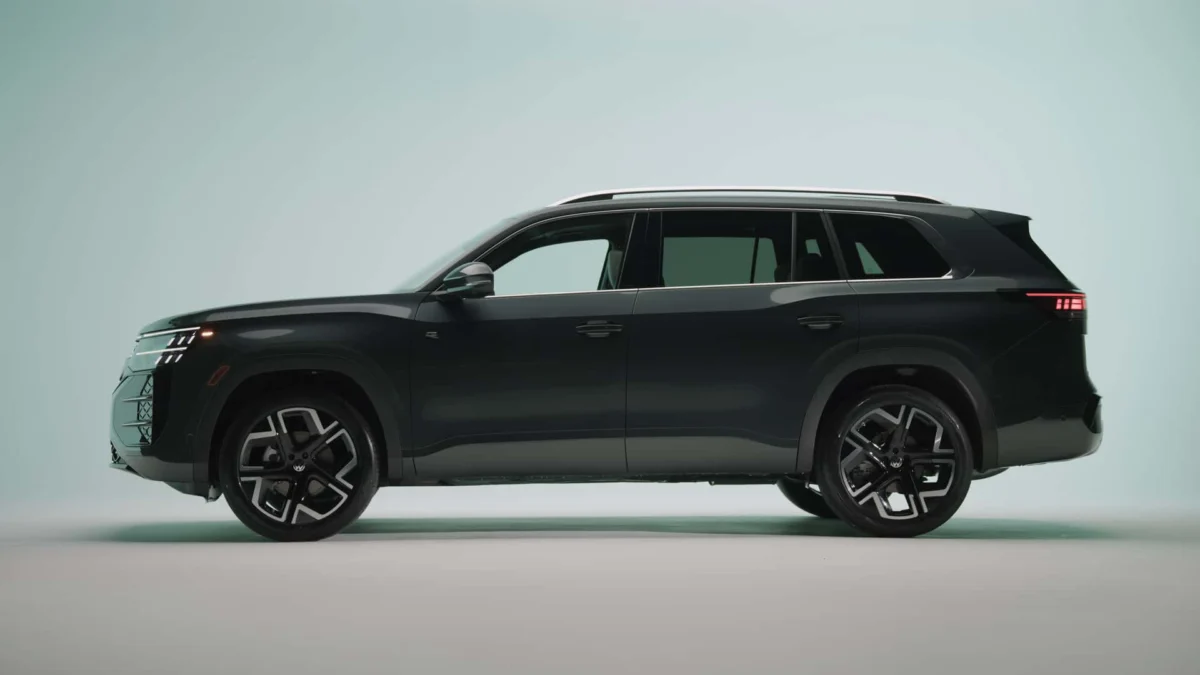
At its core, the 2027 Atlas features a heavily revised exterior design. While the silhouette remains familiar to ensure the vehicle retains its signature utility, the front and rear fascias have been sharpened to align with Volkswagen’s modern design DNA. The lighting signatures are more pronounced, and the body lines have been sculpted to provide a more athletic stance.
Under the hood, the most significant change is the introduction of a refined turbocharged 2.0-liter four-cylinder engine. Borrowed from the latest Tiguan, this powerplant is engineered to deliver a robust 282 horsepower and 253 pound-feet of torque. By optimizing the torque curve and pairing it with a sophisticated transmission, Volkswagen claims the new Atlas offers a more responsive driving experience compared to the outgoing model.
A Chronology of the Atlas Lineage
The history of the Atlas is a story of Volkswagen’s successful pivot toward the North American market. When the first-generation Atlas debuted, it was a daring move for a brand historically defined by compact hatchbacks and sedans.
- 2018 Model Year: The original Atlas enters the market, offering a true three-row SUV experience tailored specifically for American family needs. It quickly becomes one of Volkswagen’s best-selling vehicles in the United States.
- 2021 Facelift: Volkswagen introduces a refreshed front end and interior technology upgrades, keeping the Atlas competitive against the surging popularity of the Kia Telluride and Hyundai Palisade.
- 2024–2025 Refinement: The brand focuses on interior quality, introducing higher-grade materials and standardizing advanced driver-assistance features across the lineup.
- 2027 Second Generation: The official reveal confirms a ground-up approach to the model’s architecture. By moving to the 2027 model year, Volkswagen signals a new chapter, characterized by higher efficiency, digital integration, and a simplified, more premium trim structure.
Supporting Data: Pricing and Trim Strategy
The transition to the 2027 model year is marked by a clear shift in pricing strategy. Volkswagen has opted to condense its trim levels from five to four, streamlining the buying process while focusing on higher-value offerings.
2027 Volkswagen Atlas Pricing Structure
| Model | 2027 Price (Including Destination) |
|---|---|
| Atlas SE | $43,135 |
| Atlas SE w/Technology | $47,135 |
| Atlas SEL R-Line | $53,635 |
| Atlas SEL Premium R-Line | $58,135 |
The base model, the Atlas SE, now starts at $43,135. This represents a $2,350 increase over the previous iteration. It is worth noting that a portion of this increase—$50—is attributed to an uptick in the mandatory destination charge, which now sits at $1,525. For buyers seeking the added security of Volkswagen’s 4Motion all-wheel-drive system, a $2,000 premium is added to the base SE and SE w/Technology trims, while it remains a standard feature on the higher R-Line variants.
The replacement of the traditional "SEL" trim with the "SEL Premium R-Line" underscores Volkswagen’s push toward a more upscale market perception. The flagship SEL Premium R-Line carries a starting price of $58,135, reflecting a $2,040 increase compared to its 2026 predecessor.
Competitive Positioning
The mid-size, three-row SUV segment is arguably the most fiercely contested in the modern automotive industry. To understand where the 2027 Atlas sits, one must compare it to its primary rivals.
The Honda Pilot and Toyota Grand Highlander currently serve as the benchmarks for segment pricing. For the 2026 model year, the Pilot starts at $43,890, while the Grand Highlander sits at $43,855. With the 2027 Atlas starting at $43,135, it positions itself just slightly under these Japanese heavyweights, creating an interesting value proposition.
Conversely, the value-focused segment remains dominated by Korean and domestic manufacturers. The 2027 Kia Telluride, which boasts an all-new design, starts at a competitive $40,735. The 2026 Ford Explorer, a long-standing favorite in North America, remains one of the most accessible options at $40,260. The 2026 Hyundai Palisade rounds out the group with a starting price of $41,035.
Volkswagen is clearly betting that the improved interior cabin, superior build quality, and the refinement of the new 2.0-liter turbo engine will justify the price delta between the Atlas and its more affordable competitors.
Official Responses and Strategic Implications
While Volkswagen has yet to release full interior specifications for all trims, early feedback from the design team highlights a focus on "tactile luxury." The cabin is expected to feature a new infotainment interface that prioritizes user accessibility, moving away from the complex menu structures that plagued previous Volkswagen generations.
From a strategic standpoint, the second-generation Atlas is critical to Volkswagen’s North American health. Despite the price hikes, the current generation has maintained strong sales momentum through the first half of the year. Analysts suggest that by keeping the engine displacement optimized (the 2.0-liter turbo), Volkswagen is playing the long game regarding fuel economy and emissions compliance, even as the market shifts toward electrification.
The move to simplify the trim structure is also a calculated decision to reduce manufacturing complexity and dealer inventory confusion. By offering four distinct, well-equipped tiers, Volkswagen aims to increase the "attach rate" of optional features and shorten the time it takes for a customer to move from interest to purchase.
The Road Ahead: The Motor1.com Perspective
The three-row SUV segment is no longer just about utility; it is about lifestyle. Families today demand a vehicle that can perform on a road trip, handle the daily commute, and look sophisticated in the school drop-off lane. The 2027 Volkswagen Atlas appears to be a mature response to these multifaceted demands.
However, the challenge for Volkswagen remains the same as it has been for years: convincing buyers who are traditionally loyal to Japanese or domestic brands to switch. The 2027 Atlas is a worthy entry—it is sharper, more powerful, and arguably more refined than the model it replaces. Yet, the price adjustment puts it in direct competition with some of the most established names in the industry.
We will be monitoring the sales data closely in the coming months. If the new exterior design proves as popular as early renders suggest, and if the cabin quality truly marks a step forward in ergonomics, the Atlas could solidify its position as the premium alternative in the mainstream three-row market. Whether it can overcome the aggressive pricing of the Kia Telluride or the long-standing reputation of the Honda Pilot remains to be seen, but one thing is certain: the 2027 Volkswagen Atlas is not resting on its laurels. It is a bold, albeit expensive, statement of intent from Wolfsburg.