For over six decades, MAD Magazine served as the definitive arbiter of American pop culture irony. From its inception in 1952 until its shift to reprint-heavy formats in 2018, the publication functioned as a cultural centrifuge, pulling in the biggest hits of the day and spinning them out as surreal, acerbic, and often biting caricatures. Under the guidance of legendary contributors like illustrator Mort Drucker and writer Dick DeBartolo, MAD didn’t just review movies; it dismantled them. While the magazine’s output remained consistently high throughout the latter half of the 20th century, the 1990s represent a distinct high-water mark for the publication, blending the end of the Cold War, the rise of the blockbuster industrial complex, and the early tremors of a changing political landscape.
The Architecture of Parody: A Chronology of 1990s Wit
To understand the cultural impact of MAD during the 90s, one must look at how the magazine interacted with the decade’s film industry. The 1990s were characterized by the solidification of the "merchandising event" movie—films like Teenage Mutant Ninja Turtles and The Flintstones weren’t just cinema; they were global brands.
MAD’s approach to these properties was consistent yet evolved. By tracking the publication dates of these iconic parodies, we see a magazine that was acutely aware of the shifting tides of fame and commercialism:
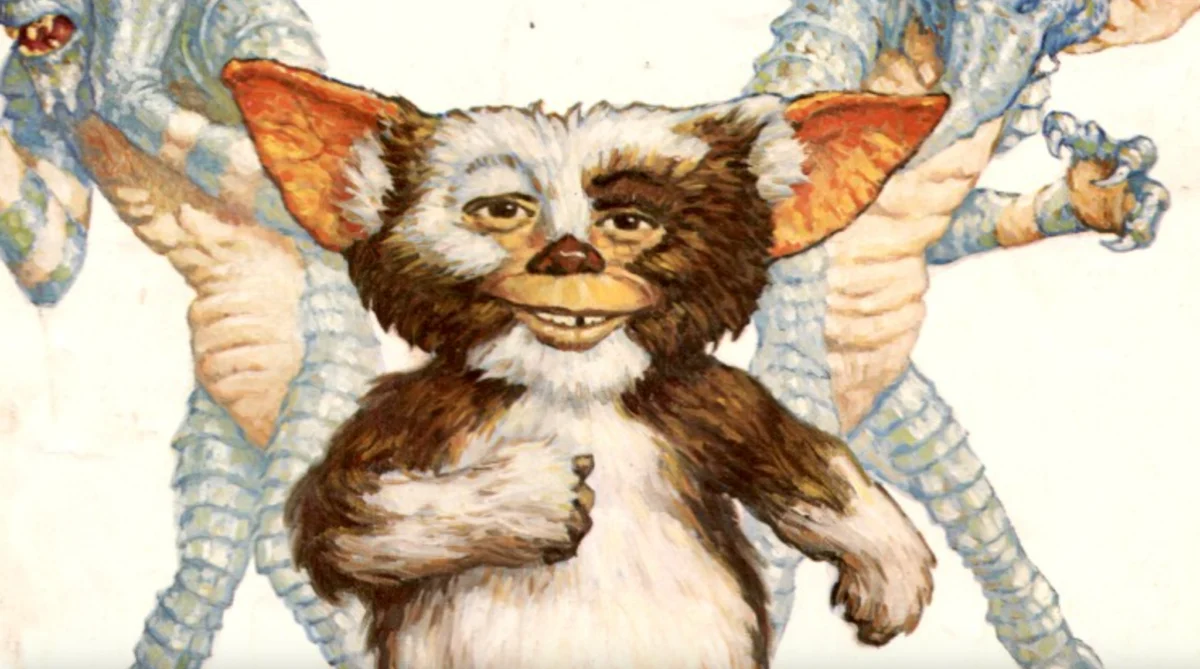
- October 1990 (Issue #298): Teenage Mutant Ninja Turtles and Gremlins 2 arrive on newsstands, signaling the magazine’s focus on the commodification of children’s media.
- January 1991 (Issue #300): A milestone issue that recast The Wizard of Oz with the political and celebrity figures of the era.
- 1991 (Issue #304): The skewering of Tim Burton’s Edward Scissorhands, highlighting the growing absurdity of Hollywood’s "goth-fable" aesthetic.
- 1994 (Issue #331): The parody of The Flintstones, marking the magazine’s transition into the mid-90s obsession with "nostalgia-bait" film adaptations.
The Mechanization of Comedy: Supporting Data and Themes
The efficacy of MAD’s parodies relied on a specific formula of visual and textual synergy. When we analyze the content of these five selected parodies, three recurring themes emerge: the critique of consumerism, the lampooning of celebrity artifice, and the inevitable intersection of Hollywood and politics.
The Merchandising Juggernaut
The 1990 Teenage Mutant Ninja Turtles parody (Issue #298) remains a masterclass in meta-commentary. Writer Dick DeBartolo and artist Sam Viviano focused heavily on the hypocrisy of the film’s narrative. While the Turtles are framed as secretive, mysterious vigilantes living in the shadows, the reality of the 90s was that they were inescapable. The parody’s most famous sequence involves Master Splinter reprimanding Raphael for drawing attention to the group, only to list the various ways they are already monetized: lunch boxes, sweatshirts, bendable dolls, and Nintendo games. This wasn’t just a joke; it was a critique of the "sell-out" culture that defined the early 90s entertainment economy.
The Political Mirror
Perhaps the most surprising aspect of revisiting these parodies in 2026 is how effectively they predict the trajectory of American political discourse. MAD had a long history of placing real-world politicians into the roles of fictional villains or buffoons. In the Gremlins 2 parody, the film’s antagonist, Daniel Clamp, was morphed into "Donald Chump." The satire was sharp, focusing on the character’s perceived greed and predatory nature. Similarly, the Wizard of Oz parody in Issue #300 featured a "Wizard" modeled after the same figure, offering life-ruining advice instead of magical gifts. These strips function now as historical artifacts, showing that the caricature of certain public figures has remained a constant in the American satirical tradition for over three decades.
Implications: Why These Jokes Still Resonate
Critics often argue that satire is a perishable good—once the pop culture moment passes, the joke loses its context. However, the MAD parodies of the 1990s buck this trend for two primary reasons: the brilliance of the artwork and the timeless nature of the human follies being lampooned.

Artistic Permanence
The work of artists like Mort Drucker and Angelo Torres provided a level of visual detail that transcended the standard comic format. Their ability to capture the likenesses of actors while simultaneously distorting them into grotesque, expressive shapes ensured that the parodies felt like an extension of the film experience. Even if a reader has never seen the 1994 Flintstones movie, the parody’s running gag about the characters confusing themselves with The Honeymooners cast works as a commentary on the derivative nature of Hollywood reboots.
The Failure of Innovation
The Edward Scissorhands parody (Issue #304) remains poignant because it addresses the core confusion of the film’s premise: why would a suburban neighborhood invite an artificial being with blades for hands into their homes? By introducing a sequence where Edward accidentally slices his creator in half while attempting the Heimlich maneuver, the writers highlighted the inherent absurdity of the film’s "tragic genius" trope. This ability to poke holes in the internal logic of a film is what kept MAD relevant; it taught a generation of readers how to watch movies with a critical, questioning eye.
Official Legacy: The Impact on Modern Media
While MAD eventually ceased its monthly print runs, its influence is visible everywhere. The "everything is a product" critique found in the Turtles parody paved the way for modern internet culture, where "brand Twitter" and meta-humor are the norm. The magazine essentially acted as the internet before the internet existed, providing a centralized location where common cultural observations could be codified, laughed at, and shared.
The inclusion of political figures into mainstream pop culture parodies also set a precedent for late-night comedy and digital satire. By treating figures like Donald Trump—who was a frequent target of MAD in the 80s and 90s—as characters in a larger, absurd play, MAD normalized the idea that no one, regardless of status, was immune to being the punchline.
Conclusion: A Living Archive
Looking back at the 1990s through the lens of MAD Magazine is not merely an exercise in nostalgia. It is an examination of how a specific group of writers and artists captured the anxieties, excesses, and ironies of an era. Whether it was the commercial saturation of the Turtles, the weirdness of Burton’s cinema, or the encroaching influence of real-world politics on our entertainment, MAD was there to point and laugh.
As we look toward the future of satire, the lessons of the 90s remain clear: true comedy is found in the gaps between what a culture claims to be and what it actually produces. The MAD crew understood this better than anyone, and their legacy continues to resonate in every parody, meme, and critical review written today. They proved that while movies may come and go, the need to laugh at them—and at ourselves—is the only thing that truly lasts.