For the modern traveler, the "SIM card shuffle" has long been a rite of passage—and a source of immense frustration. Landing in a new country often meant racing to find a kiosk, fumbling with tiny plastic cards, or praying that a local carrier would accept a foreign credit card. While the advent of traditional eSIM technology streamlined this process, it still felt like a series of disjointed, short-term fixes.
That is finally changing. As digital nomadism matures from a niche lifestyle into a mainstream professional reality, connectivity solutions are evolving to keep pace. Enter Holafly Plans: a paradigm shift that moves away from the "one-trip-at-a-time" model toward a seamless, subscription-based global ecosystem.
Main Facts: The New Standard in Roaming
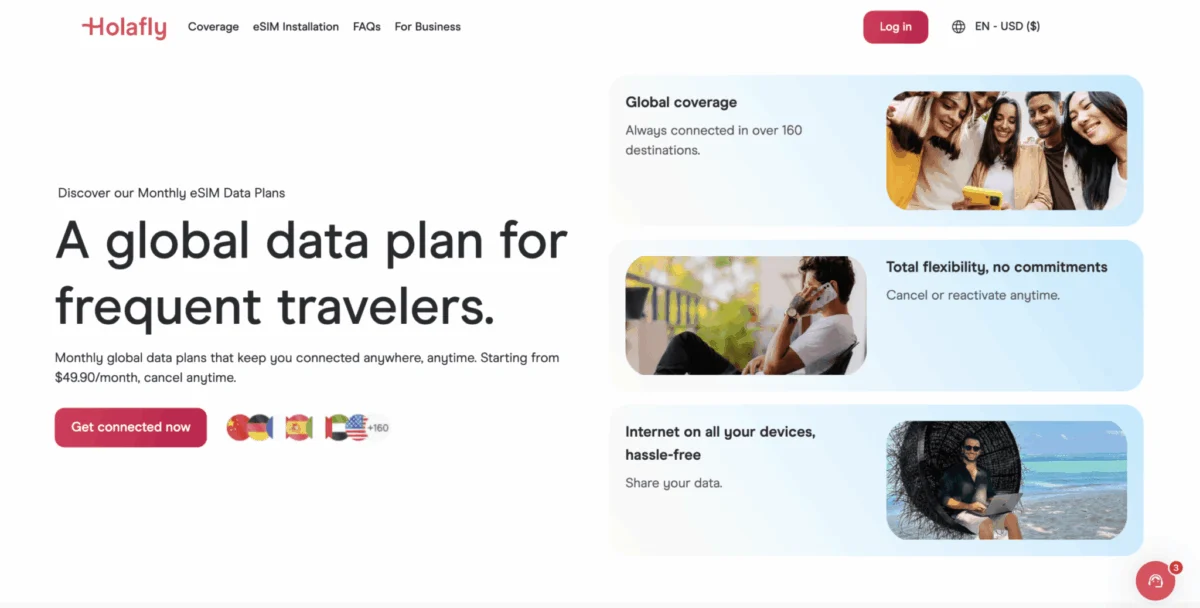
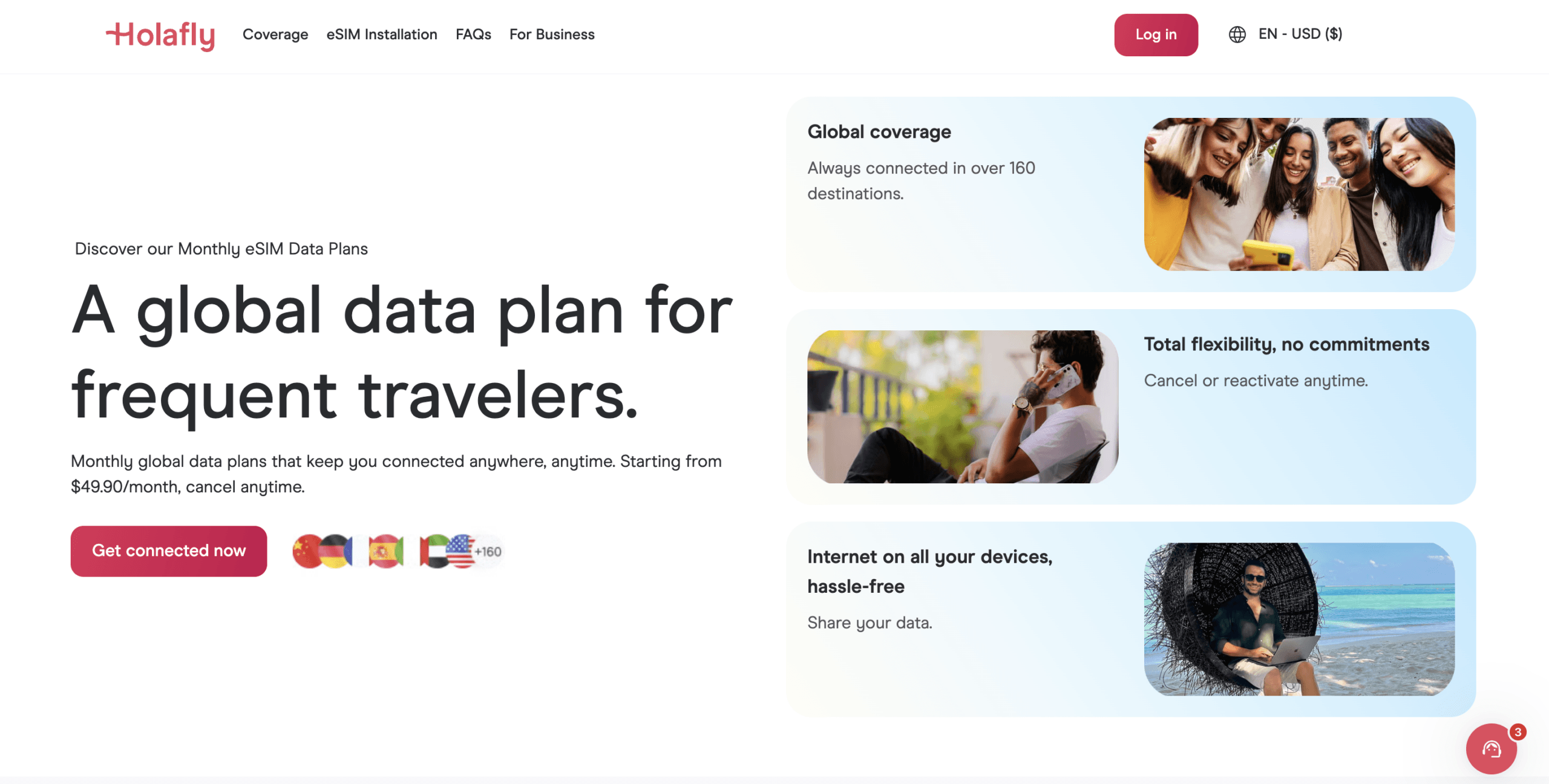
Holafly, a brand that has become a staple for international travelers, recently launched "Holafly Plans." Unlike their standard product line—which requires users to purchase individual data packages for specific regions—Holafly Plans is an ongoing, subscription-based service.
By purchasing a single, global eSIM, travelers gain access to connectivity across more than 160 destinations. The core innovation here is the elimination of administrative friction: there is no need to reswap SIMs, no need to download new QR codes, and no need to manage multiple billing cycles. Once the profile is installed on your smartphone, the device treats your international connection much like a domestic carrier, automatically switching networks as you cross borders.
Chronology: The Evolution of Mobile Travel Connectivity
To understand the significance of this shift, one must look at how mobile connectivity has evolved over the last decade:

- The Era of Physical Roaming (2010–2018): Travelers were forced to rely on their home carriers. This often resulted in exorbitant "roaming fees" that could reach hundreds of dollars for a single week of moderate usage.
- The Rise of Local SIMs (2015–2020): The gold standard for budget travelers was hunting for local shops at airports to buy physical SIM cards. While cost-effective, it was logistically demanding and left users without data the moment they touched down.
- The First Wave of eSIMs (2019–2023): Technology companies began embedding SIM chips directly into hardware. Companies like Holafly introduced digital storefronts where users could download data plans before departing. This solved the "kiosk hunt" but still required manual management for multi-country trips.
- The Subscription Revolution (2024–Present): Holafly Plans marks the current peak of this evolution. By offering an "always-on" global subscription, the industry has moved toward a utility-based model, mirroring how we consume streaming services or cloud storage.
Supporting Data: Why the Subscription Model Wins
The economic argument for shifting from legacy roaming or fragmented local SIMs to a global subscription is compelling. For the average digital nomad or frequent international business traveler, the "hidden" costs of traditional roaming are staggering.
| Feature | Holafly Plans (Unlimited) | Major US Carrier Roaming | Local/Single eSIMs |
|---|---|---|---|
| Monthly Cost | ~$55–$65 | $100–$300 | $60–$120 |
| Data Allowance | Unlimited | Throttled/Capped | Variable (5GB-10GB) |
| Logistics | Set once; works in 160+ countries | Expensive; auto-billed | High; recurring setup |
| Hotspotting | Included (Unrestricted) | Often restricted | Varies |
The data suggests that for anyone traveling more than two weeks per month, the "Unlimited" subscription tier of Holafly Plans acts as a hedge against the unpredictability of foreign network costs. Furthermore, the inclusion of a US, UK, or Canadian phone number on the Unlimited tier allows for the crucial "2FA" (two-factor authentication) security checks—something that standard data-only eSIMs often lack.
Official Perspectives: The "Always On" Philosophy
In interviews regarding the product launch, representatives from Holafly have emphasized that the goal was to provide "peace of mind." The most notable feature introduced alongside the plans is "Always On."
Even if a user cancels their primary monthly subscription, they retain 1GB of backup data every month for life. This ensures that a traveler is never truly "stranded" without data upon arrival in a new country. By positioning the product as an ongoing subscription rather than a commodity, the company is betting that the modern professional values consistency over the slight savings of hunting for a local, country-specific SIM card.
Implications for the Digital Nomad Ecosystem
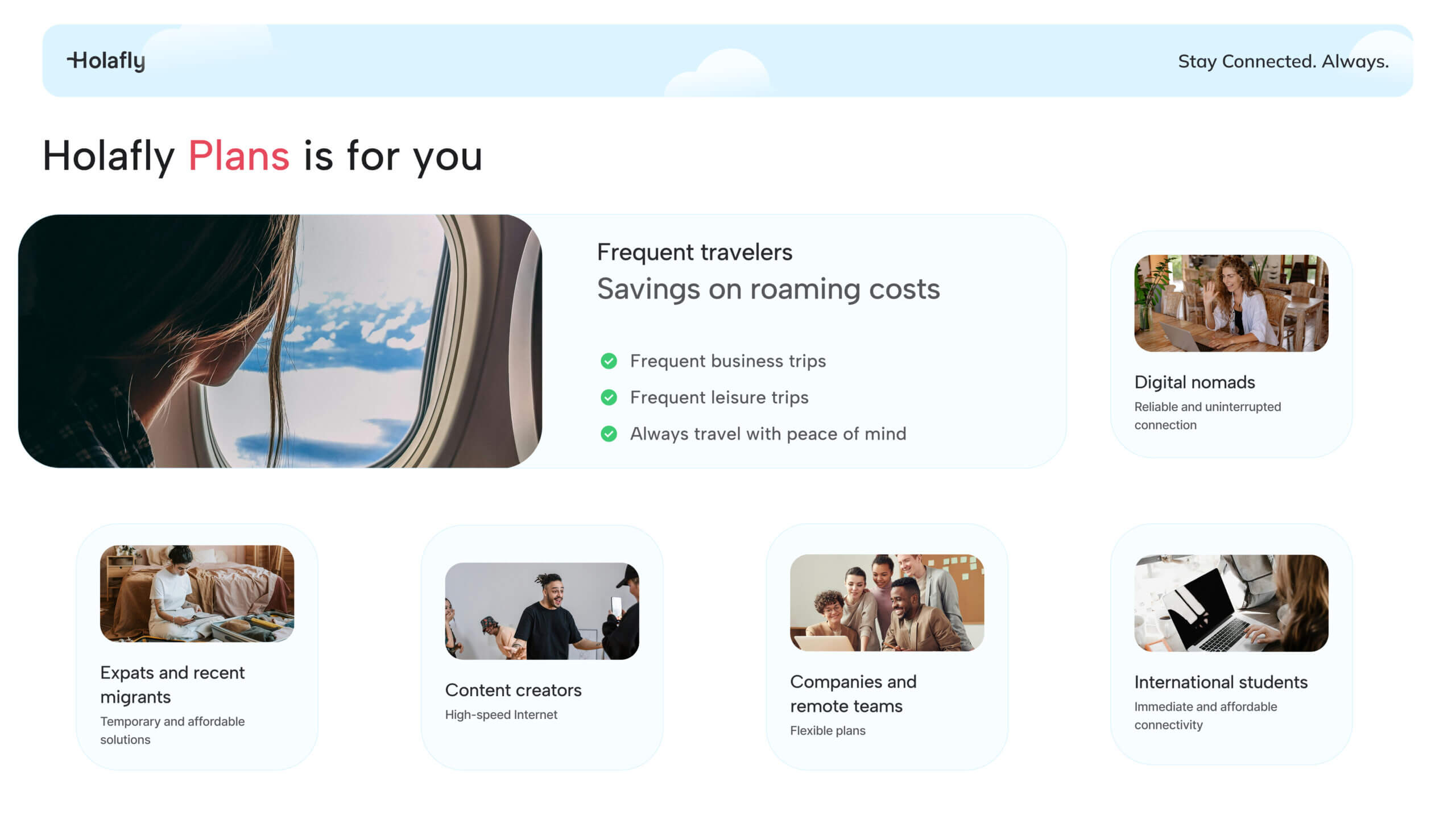
The arrival of such services has profound implications for how, where, and for how long people choose to travel.
1. Removing Barriers to Entry
The "administrative tax" of travel—the time spent figuring out how to get online—is a significant deterrent for many. By reducing the setup to a single, permanent installation, Holafly is lowering the barrier for entry for first-time digital nomads who might be intimidated by the technical complexities of local connectivity.
2. The Rise of the "Borderless Office"
With unlimited data and hotspot capability, the "Unlimited" plan effectively functions as a mobile office. Digital nomads who rely on video conferencing and cloud-based collaboration tools no longer need to worry about "data caps" or searching for Wi-Fi in cafes, which are often insecure and unreliable.
3. Economic Impact on Traditional Carriers
The success of Holafly Plans represents a direct challenge to the high-margin international roaming packages offered by traditional mobile carriers. As more users adopt software-based, global eSIMs, the traditional telecom model—built on rigid, territory-based contracts—will be forced to either lower costs or innovate significantly to remain competitive.
Strategic Considerations for Travelers
While the subscription model is clearly superior for long-term travelers, it is worth noting the nuance in the market. If you are a casual traveler taking a single, one-week vacation to a single country, the "classic" destination-specific eSIM remains the most cost-effective choice.
However, for the cohort that defines the "location independent" lifestyle, the shift toward Holafly Plans is transformative. It allows the traveler to treat their phone as a universal tool that functions identically in Tokyo, Berlin, or Buenos Aires.
Key Pros and Cons
- Pros:
- Unified Billing: One simple monthly payment.
- Unlimited Utility: No fear of exceeding data caps during critical work hours.
- Global Continuity: No need to re-configure settings or swap QR codes at every border crossing.
- Backup Security: The "Always On" 1GB feature provides a critical safety net.
- Cons:
- Subscription Management: Users must remember to manage their subscription status if they are taking a long break from traveling.
- Tier Limitations: Currently, there is no direct "in-place" upgrade between the Light and Unlimited tiers; users must cancel and re-subscribe to switch.
Conclusion: A New Era of Mobility
As we look toward the future of travel, the friction of connectivity is rapidly disappearing. Holafly Plans represents more than just a data product; it represents a fundamental change in the relationship between the traveler and their digital life. By offering a subscription that is as mobile as the user, Holafly is enabling a more seamless, efficient, and secure way to explore the world.
Whether you are a digital nomad managing a team from a cafe in Thailand or a frequent flyer hopping between European capitals, the era of hunting for plastic SIM cards is officially behind us. With a 10% discount available using the code NOMADICMATT, it has never been more accessible to secure a truly global, "always-on" connection.
Disclaimer: When planning your next international adventure, remember that connectivity is only one piece of the puzzle. Always pair your digital preparedness with comprehensive travel insurance, reliable booking platforms like Skyscanner and Booking.com, and an understanding of the local landscape to ensure your trip remains both productive and safe.