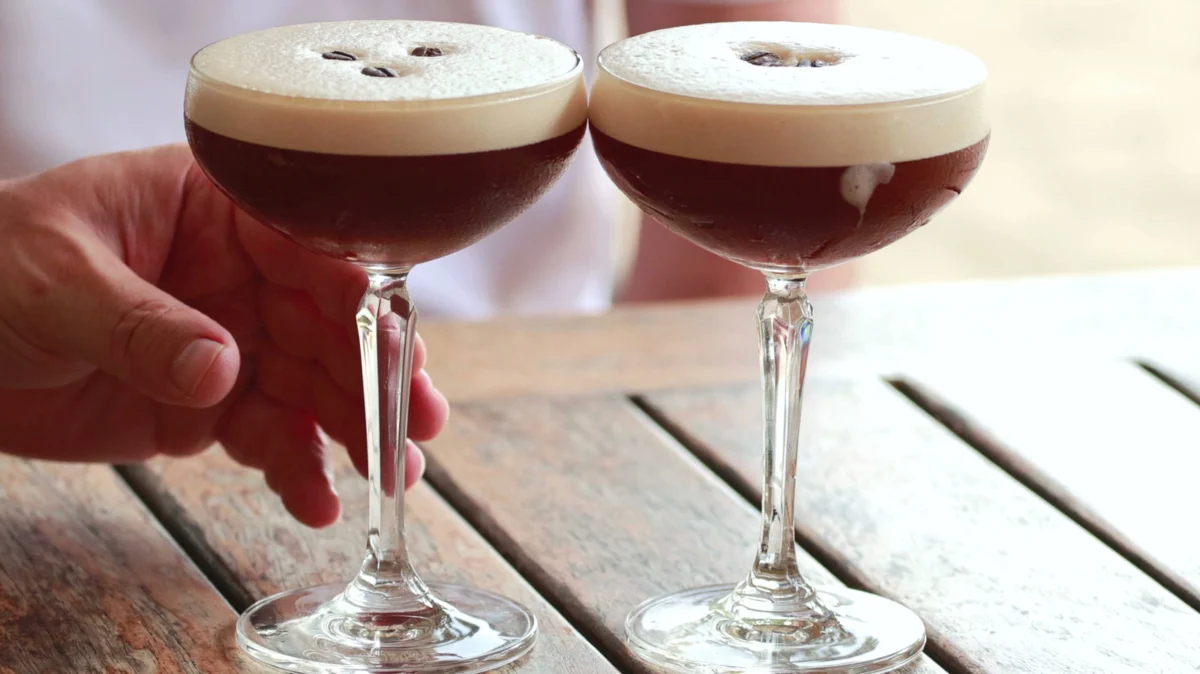
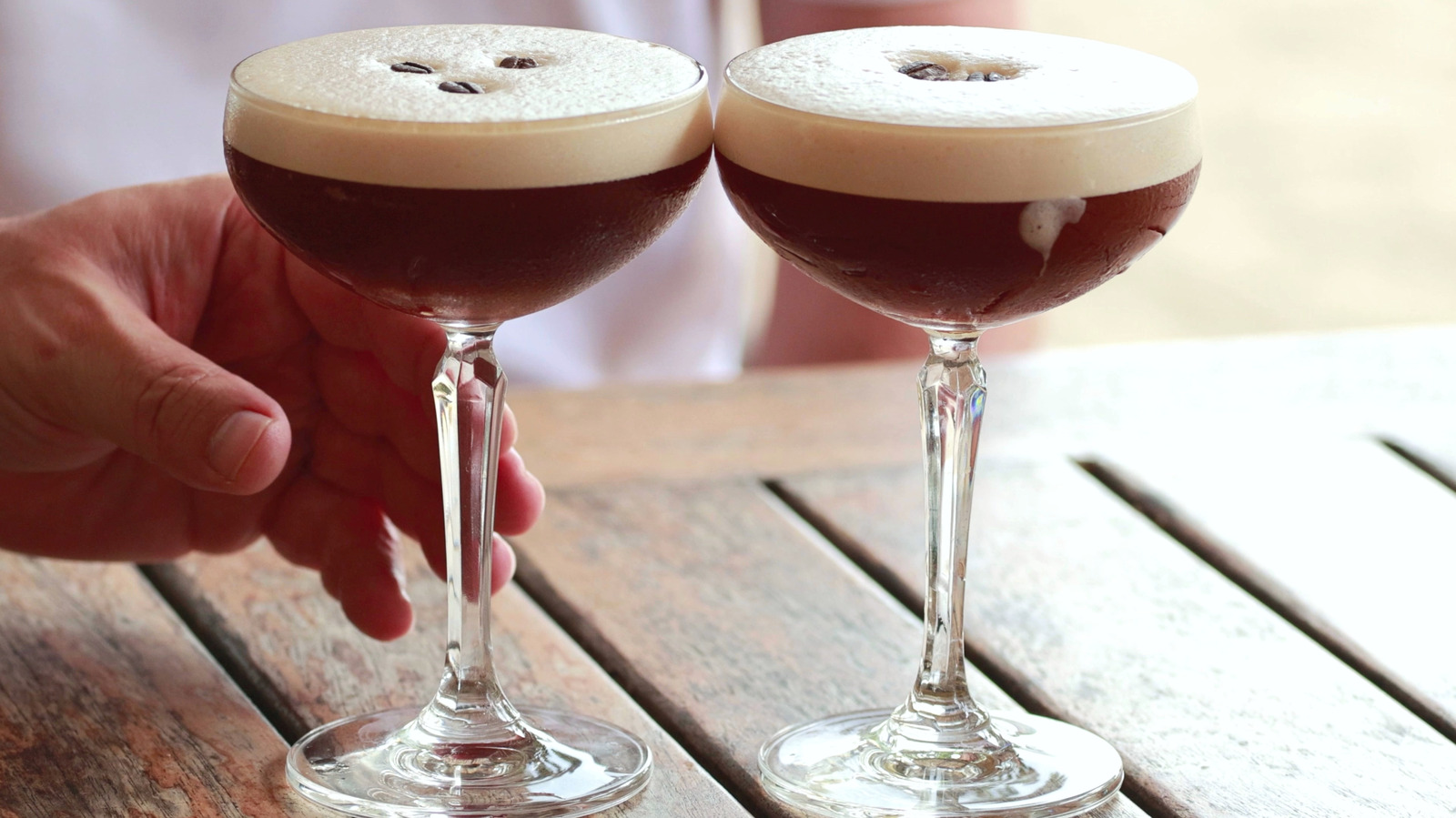
The espresso martini has cemented its status as the quintessential modern cocktail. Balancing the sharp, jolting clarity of high-quality espresso with the velvety, coffee-forward sweetness of Kahlúa and the clean kick of vodka, it has become the go-to order for social gatherings and late-night revelry. However, as the sweltering heat of summer gives way to the crisp, golden hues of autumn, the palate often shifts. Consumers are increasingly seeking beverages that reflect the seasonal transition—moving away from the purely caffeinated "pick-me-up" toward drinks that evoke the warmth, spice, and comfort of harvest season.
Tasting Table has addressed this seasonal craving with an innovative twist on the classic: the Creamy Caramel Apple Espresso Martini. Developed by recipe creator Ksenia Prints, this cocktail bridges the gap between the sophisticated energy of an espresso martini and the nostalgic, sugary delights of a fall carnival. By integrating a homemade spiced apple syrup and decadent garnishes, this recipe offers a sophisticated, flavor-forward evolution of a bar-top staple.
The Core Components of the Seasonal Shift
At its foundation, the cocktail retains the DNA of the traditional espresso martini. The balance of a high-quality vodka, a rich coffee liqueur like Kahlúa, and freshly brewed espresso remains non-negotiable. These elements provide the necessary structure—the "engine" of the drink—which allows for more nuanced flavor experiments.
The brilliance of this particular iteration lies in the infusion of a custom-made spiced apple syrup. Unlike store-bought mixers that can often taste synthetic or cloying, this syrup is crafted with fresh Granny Smith apples, creating a bright, tart acidity that cuts through the richness of the coffee. The addition of warming aromatics—allspice, cinnamon, cloves, and nutmeg—grounds the cocktail in the traditional flavor profile of autumn, mirroring the spices found in seasonal pies and ciders. When shaken vigorously, the resulting emulsion creates that signature frothy head, now imbued with the subtle, comforting notes of orchard fruit and spice.
Chronology of the Recipe Development
The evolution of the espresso martini from a 1980s nightclub novelty to a refined craft cocktail has been a multi-decade process. Originally credited to legendary bartender Dick Bradsell, who reportedly created the drink for a model seeking a beverage that would "wake me up and mess me up," the drink has since undergone countless iterations.
- The Foundation (1980s–2010s): The classic three-ingredient formula reigned supreme, focusing on the quality of the coffee bean and the ratio of sweetness to alcohol.
- The Craft Movement (2015–2020): Bartenders began experimenting with different coffee origins, house-made liqueurs, and specialized syrups to elevate the cocktail.
- The Seasonal Expansion (2021–Present): With the rise of "seasonal mixology," cocktails began to mirror culinary trends. The introduction of the Creamy Caramel Apple Espresso Martini represents this current phase, where bartenders aim to capture the sensory experience of a season within a glass.
Ksenia Prints’ development of this recipe follows this trend, focusing on accessibility for the home bartender while maintaining the complexity expected in a high-end lounge. The process of reducing fresh apples with whole spices allows for a depth of flavor that cannot be replicated with pre-packaged syrups.
Supporting Data: Why "Creamy" Matters for Fall
The inclusion of a creamy element—in this case, a dollop of whipped cream and a decadent caramel drizzle—serves a specific physiological and psychological purpose. As ambient temperatures drop, the human palate naturally drifts toward "comfort foods" and richer textures.
Data from the beverage industry indicates a sharp uptick in consumer interest regarding "cozy" cocktails during the Q4 period. The addition of heavy cream or whipped elements not only softens the bitterness of the espresso but also creates a mouthfeel that is perceived as warmer and more satisfying. The caramel drizzle is not merely an aesthetic choice; it acts as a flavor bridge, connecting the sharp, acidic notes of the Granny Smith apple syrup with the dark, roasted notes of the coffee.
Expert Tips for the Home Bartender
To achieve a professional-grade cocktail at home, the preparation process requires precision. According to the guidelines provided by Tasting Table, the syrup is the most critical variable.
Mastering the Spiced Syrup
The syrup must be simmered for at least 15 minutes to allow the essential oils of the cloves, cinnamon, and nutmeg to fully extract into the apple base. While a longer steep time can intensify the flavor, caution is required; exceeding the recommended time can lead to a "muddy" flavor that overwhelms the delicate nuances of the espresso. Once the syrup is finished, a fine-mesh strain is essential to ensure a silky texture that won’t disrupt the mouthfeel of the finished cocktail.
Temperature Control
Temperature is the unsung hero of the espresso martini. Using chilled glassware—similar to the practices found in high-end steakhouses—prevents the cocktail from warming too quickly. A warm glass can cause the foam to collapse and the flavors to lose their crisp definition.
Substitutions and Flexibility
- The Coffee Variable: If espresso is unavailable, a high-quality cold brew concentrate or a strong iced coffee serves as a viable alternative. While the lack of "crema" (the natural foam created by high-pressure espresso machines) may be noticeable, the flavor profile remains consistent.
- Garnish Innovation: While a cinnamon stick or a thin slice of apple is the standard, the drink invites further creative expression. For a truly elevated experience, home bartenders are encouraged to experiment with dried apple slices, a light dusting of freshly grated nutmeg, or even a sprig of rosemary to provide a woodsy, herbal contrast to the sweetness of the caramel.
Implications for the Modern Cocktail Landscape
The rise of recipes like the Caramel Apple Espresso Martini highlights a shift in how we perceive seasonal drinking. We are moving away from the "pumpkin spice everything" fatigue toward more nuanced, sophisticated flavor profiles that respect the base ingredients while incorporating seasonal accents.
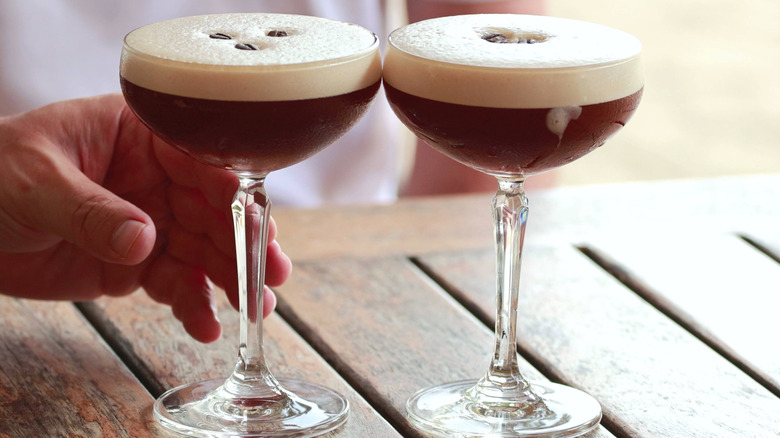
This trend has significant implications for the hospitality industry. As bars and restaurants look to curate their fall menus, they are finding that consumers are less interested in "gimmicky" seasonal drinks and more interested in elevated versions of what they already love. By taking a established favorite—the espresso martini—and providing a "fall-forward" upgrade, establishments can offer a familiar entry point while still providing a novel, sensory-rich experience.
Moreover, the emphasis on homemade components like the spiced apple syrup encourages a "DIY" culture that empowers consumers. It demystifies the cocktail-making process, showing that with a few fresh ingredients and a bit of patience, the home kitchen can rival the output of a professional bar.
Conclusion: A New Standard for Autumn
The Creamy Caramel Apple Espresso Martini is more than just a seasonal variation; it is a testament to the versatility of the modern cocktail. By successfully marrying the high-octane energy of coffee with the nostalgic, warm flavors of an orchard harvest, this recipe offers a template for how traditional drinks can be evolved to stay relevant throughout the changing seasons.
Whether you are hosting a fall dinner party or simply seeking a way to celebrate the cooling weather, this cocktail provides the perfect balance of indulgence and sophistication. It invites the drinker to slow down and savor the nuances of the season, one creamy, spiced sip at a time. As we look toward the future of home mixology, it is clear that the most successful recipes will be those that honor the classics while fearlessly embracing the flavors of the moment.