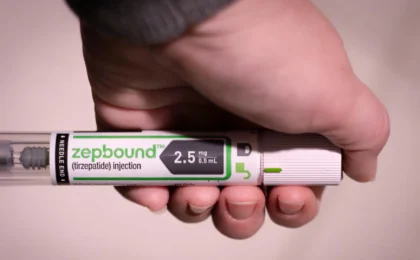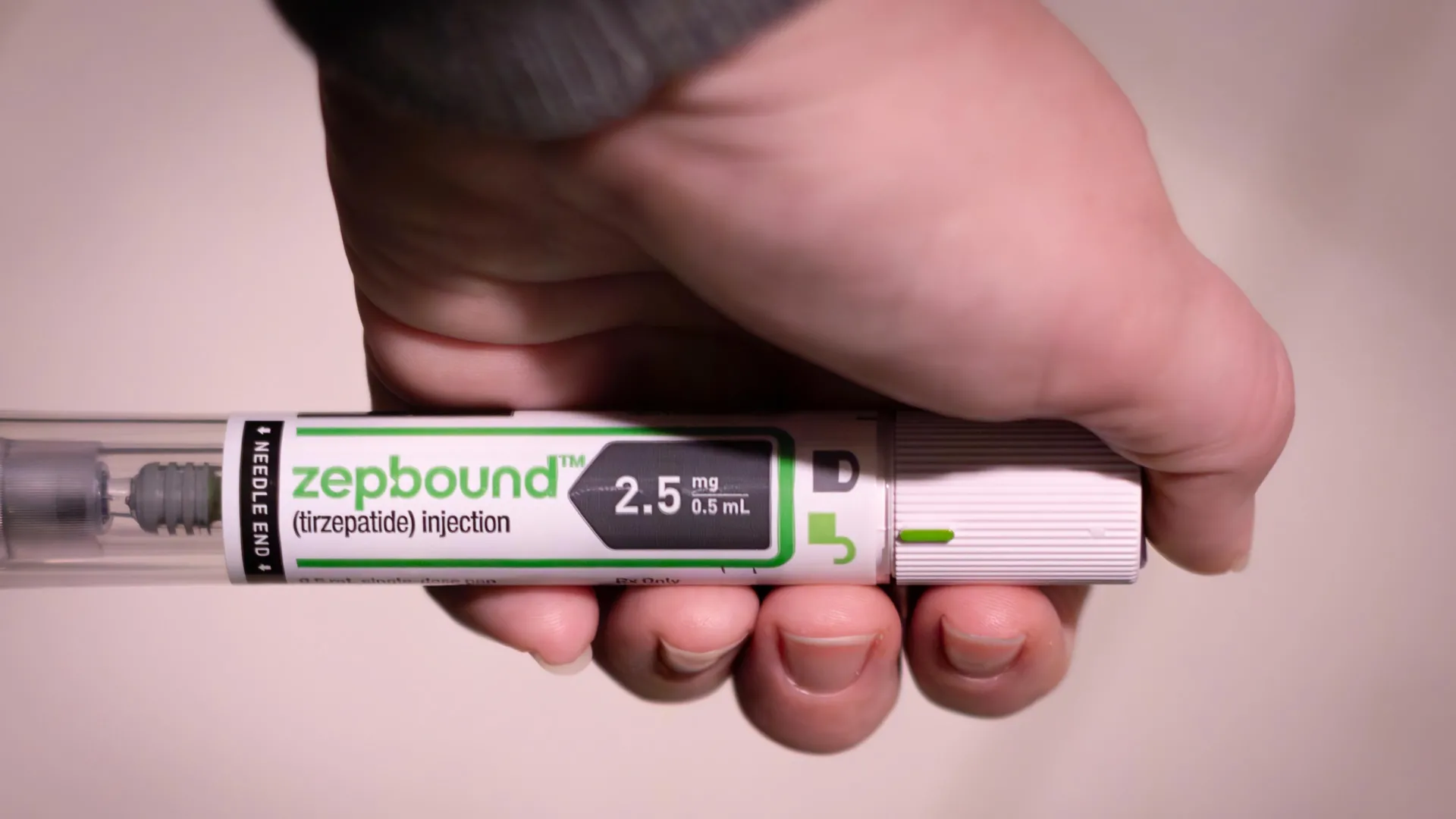
In the rapidly evolving landscape of metabolic medicine, few pharmacological breakthroughs have captured the global imagination quite like tirzepatide. Known commercially as Mounjaro, this dual-agonist medication has already redefined the standard of care for type 2 diabetes and chronic weight management. However, while the clinical efficacy of the drug is well-established, the underlying biological "how" has remained a subject of intense investigation.
A groundbreaking study led by researchers at the University of Barcelona, the Sant Joan de Déu Research Institute (IRSJD), and the CIBER in Physiopathology of Obesity and Nutrition (CIBEROBN) now suggests that the drug’s power extends far beyond the simple suppression of appetite. According to the research, tirzepatide may actively stimulate "brown adipose tissue"—the body’s metabolic furnace—thereby increasing energy expenditure and offering a multidimensional approach to treating obesity.
The Core Mechanism: A Dual-Hormonal Approach
To understand the significance of this discovery, one must first look at the unique pharmacological profile of tirzepatide. Unlike previous generations of weight-loss drugs that acted on a single receptor, tirzepatide is a dual agonist. It mimics the actions of two distinct incretin hormones: Glucose-dependent insulinotropic polypeptide (GIP) and Glucagon-like peptide-1 (GLP-1).
By targeting both receptors simultaneously, the drug influences the body’s hunger cues and insulin sensitivity with unprecedented precision. Historically, the weight loss observed in clinical trials was largely attributed to a reduction in caloric intake. Patients simply felt full faster and for longer periods. However, the scientific community has long suspected that this model was incomplete. Scientists sought to determine whether the drug triggered metabolic shifts independent of dietary restriction. This latest study, spearheaded by Dr. Marion Peyrou, provides the first compelling evidence that tirzepatide may indeed be "reprogramming" the way the body handles energy at a cellular level.
Chronology of the Discovery
The path to this discovery was paved by a rigorous comparative study conducted on mice—a staple of metabolic research due to the complex nature of adipose tissue analysis.
- The Experimental Setup: The research team induced obesity in a cohort of mice by placing them on a high-fat diet. Once a state of metabolic dysfunction was achieved, the mice were treated with tirzepatide.
- The Control Phase: To isolate the drug’s direct effects, researchers implemented a "pair-feeding" control group. These mice received the same amount of food as the medicated mice, ensuring that any observed metabolic changes could not be dismissed as a mere side effect of weight loss due to reduced eating.
- The Tissue Analysis: The team performed a deep-dive analysis of various fat depots. In mammals, fat is not a monolithic tissue; it is divided into white adipose tissue (which stores energy) and brown adipose tissue (which burns it).
- The "Aha!" Moment: The researchers observed that the mice treated with tirzepatide exhibited significantly higher activation of brown adipose tissue compared to the pair-fed control group. This confirmed that the drug was chemically stimulating the body to "burn" energy, rather than just preventing the body from consuming it.
Understanding Brown Adipose Tissue (BAT)
For decades, scientists have viewed brown adipose tissue (BAT) as the "Holy Grail" of metabolic research. Unlike white fat, which serves as a reservoir for excess calories, BAT contains a high density of mitochondria—the power plants of the cell. These mitochondria are equipped with uncoupling protein 1 (UCP1), which allows the tissue to convert stored energy directly into heat through a process known as non-shivering thermogenesis.
"This activation is associated with an increased capacity to burn metabolic energy and with the production of ‘batokines’—molecules released by brown adipose tissue that are highly beneficial for overall metabolic health," explains Dr. Peyrou. By activating this tissue, tirzepatide essentially turns up the body’s internal thermostat, forcing it to utilize glucose and fatty acids that would otherwise be stored in the liver or subcutaneous fat.
Official Perspectives and Implications
The implications of these findings are profound. For years, the development of drugs aimed at activating brown fat has been hampered by cardiovascular safety concerns. Previous experimental agents often triggered tachycardia or other heart-related side effects.
Dr. Peyrou’s team notes that tirzepatide represents a paradigm shift in this regard. "Tirzepatide, although it activates brown adipose tissue, does not have these negative effects; on the contrary, it shows cardiovascular benefits," she states. This suggests that the drug achieves a "Goldilocks" effect: it is potent enough to kickstart metabolic processes but gentle enough to avoid stressing the cardiovascular system.
A Multimodal Strategy
The study reinforces the emerging consensus that obesity is not merely a "calories-in, calories-out" equation. It is a systemic physiological dysregulation. If a single drug can simultaneously suppress appetite (via the brain), regulate insulin (via the pancreas), and increase thermogenesis (via brown fat), the ceiling for what constitutes effective obesity treatment is significantly raised.
"This could help improve weight control and reduce associated disorders, such as type 2 diabetes and other metabolic syndromes," says Dr. Peyrou. By addressing the root cause—the body’s failure to effectively utilize and expend energy—doctors may eventually be able to prevent the "metabolic adaptation" that often causes patients to plateau after significant weight loss.
Toward Personalized Metabolic Medicine
The most exciting frontier opened by this research is the potential for personalized medicine. Currently, obesity treatments are often prescribed as a "one-size-fits-all" solution. However, not every patient suffers from the same metabolic roadblocks.
- Identifying Patient Profiles: Dr. Peyrou envisions a future where clinicians assess a patient’s "energy expenditure profile" before prescribing medication.
- Targeted Therapy: For patients whose primary issue is a low basal metabolic rate or a lack of brown fat activity, tirzepatide—or future drugs in its class—could be the most effective intervention.
- Beyond the Scale: This research shifts the goalpost from simple weight loss to the improvement of "metabolic status." This includes healthier blood glucose levels, improved lipid profiles, and a more robust thermogenic capacity.
A Note of Scientific Caution
Despite the enthusiasm surrounding these findings, the research team maintains a high degree of professional caution. As with any preclinical study involving animal models, there are inherent limitations.
"We must be cautious, as there may be significant differences between species in terms of metabolism regulation, adipose tissue distribution, and response to drugs," the team notes. Human metabolism is governed by more complex lifestyle factors, hormonal fluctuations, and genetic variables that cannot be fully replicated in a laboratory setting.
Furthermore, while the activation of brown fat in mice is a clear indicator of potential, human trials are required to confirm that the same pathways are activated with equal potency in people. The researchers emphasize that more clinical evidence is needed to understand how these drugs interact with human adipose tissue over the long term.
Conclusion: The Future of Metabolic Care
The research from the University of Barcelona and its partners serves as a crucial milestone in our understanding of modern weight-loss pharmacology. By demonstrating that tirzepatide functions as more than just an appetite suppressant, the study provides a roadmap for the next generation of obesity therapeutics.
As the medical community moves toward a more nuanced, biological understanding of metabolic health, the focus will likely shift from merely "shrinking" the patient to "restoring" their metabolic efficiency. If these results are confirmed in human trials, the future of obesity care may look less like a battle against hunger and more like a precise, scientific recalibration of the human body’s internal furnace.
For the millions of individuals struggling with obesity and its comorbidities, this discovery offers a beacon of hope: the possibility of treatments that do not just treat the symptom of weight gain, but actively revitalize the body’s innate ability to stay healthy.