The evolution of culinary technology has been a journey from the raw, unpredictable heat of open campfires to the sophisticated, precision-engineered appliances that anchor today’s modern home. While the transition from wood-burning hearths to gas and electric ranges marked the first industrial revolution of the kitchen, we are currently witnessing a second, more subtle transformation: the rise of induction cooking. As home chefs and professional restaurateurs alike seek greater efficiency, safety, and control, induction technology has moved from a high-end specialty item to the gold standard of modern kitchen design.
The Core Distinction: How Induction Defies Convention
To understand why induction is rapidly outpacing traditional electric stovetops, one must first look at the physics of the appliance. Traditional electric stoves rely on thermal conduction: an internal coil heats up beneath a glass or ceramic surface, which then transfers that heat to your cookware. It is a process plagued by "thermal lag"—the time spent waiting for the coil to glow red, the glass to warm, and finally, the pan to reach temperature.
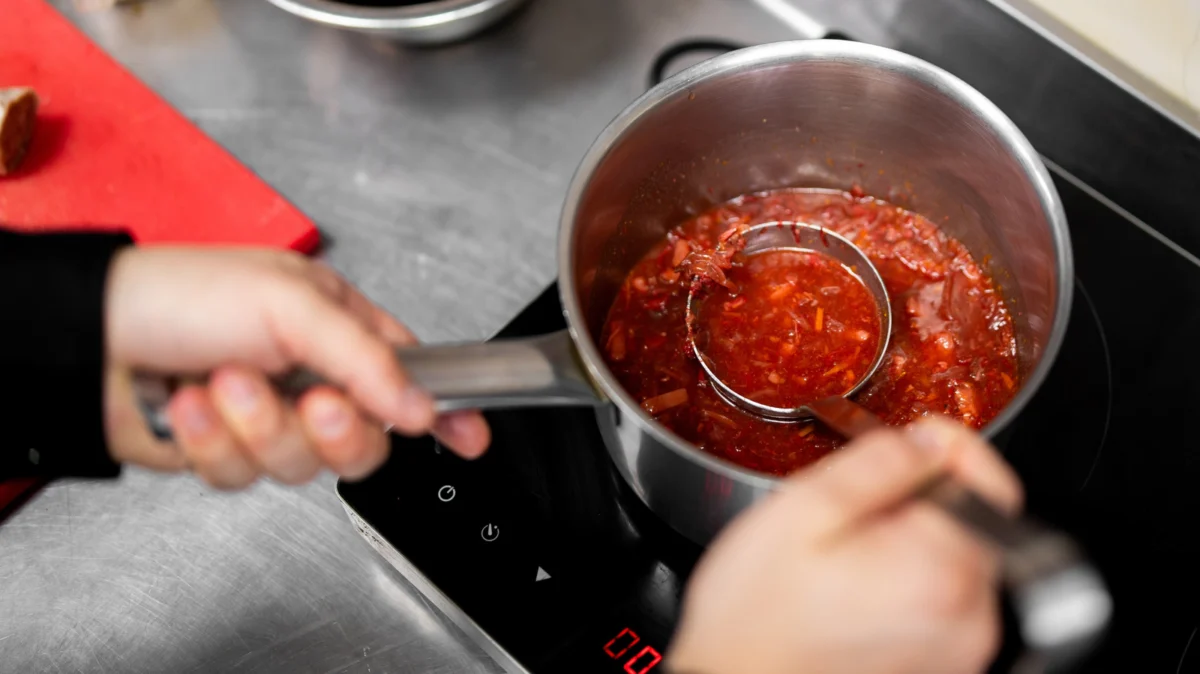
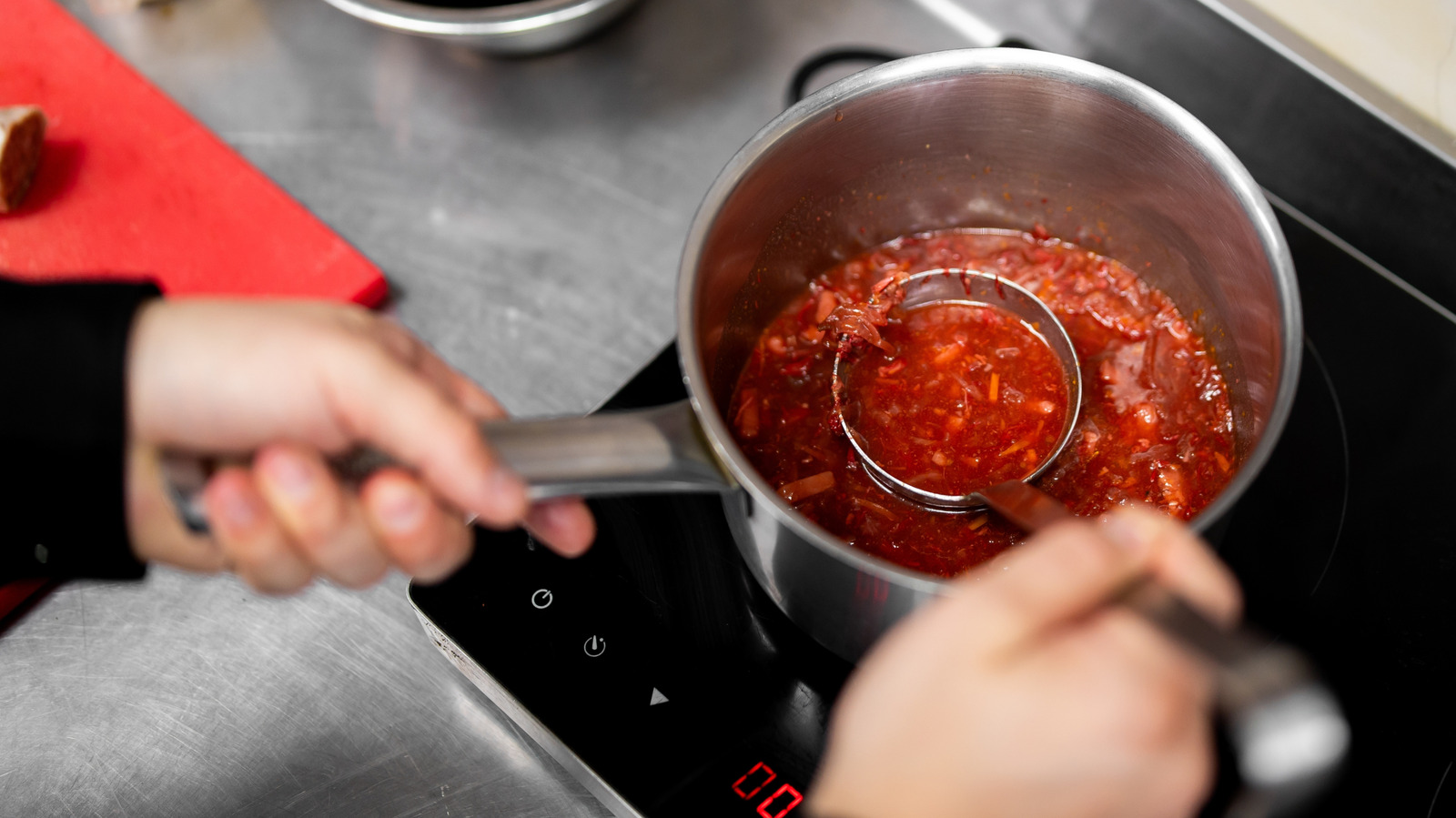
Induction, by contrast, skips the middleman. These units use electromagnetic fields to excite the iron molecules within your cookware, generating heat directly inside the pan itself. Because the cooktop surface remains relatively cool—heated only by the residual warmth of the pot—the efficiency and speed gains are profound. However, this technology requires compatible cookware. If a magnet doesn’t stick to the bottom of your pot, it won’t work on an induction surface. While this necessitates a potential investment in new stainless steel, cast iron, or carbon steel gear, the performance benefits are universally recognized by culinary experts.
Chronology: From Industrial Labs to Residential Staples
The history of induction technology is longer than many consumers realize. The fundamental principles were patented as early as the turn of the 20th century, but the technology remained trapped in industrial laboratories for decades due to the high cost of the necessary power electronics.
- 1900s–1950s: Initial patents for induction heating are filed, but the technology is relegated to heavy industrial manufacturing and metallurgy.
- 1970s: The first residential induction cooktops are introduced by companies like Westinghouse. These units were prohibitively expensive, cumbersome, and often prone to technical failures, leading to limited consumer adoption.
- 1990s–2000s: As power electronics became smaller, cheaper, and more reliable, induction units began appearing in high-end European kitchens.
- 2010s–Present: A convergence of rising energy costs, improved manufacturing efficiency, and a global focus on home safety has pushed induction into the mainstream. Today, induction is no longer a luxury "niche" but a standard feature in new home builds and high-end kitchen renovations.
Supporting Data: Efficiency and Performance Metrics
The shift toward induction is supported by a growing body of empirical data. When comparing the three major fuel sources—gas, traditional electric, and induction—induction consistently outperforms its peers in critical metrics.
Boiling Velocity
Time-to-boil tests conducted by organizations such as Consumer Reports have consistently shown that induction is the fastest method of heating water. An induction unit can bring six quarts of water to a rolling boil 2 to 4 minutes faster than a standard electric glass-top stove. This is not merely a matter of convenience; it is a matter of power transfer efficiency.
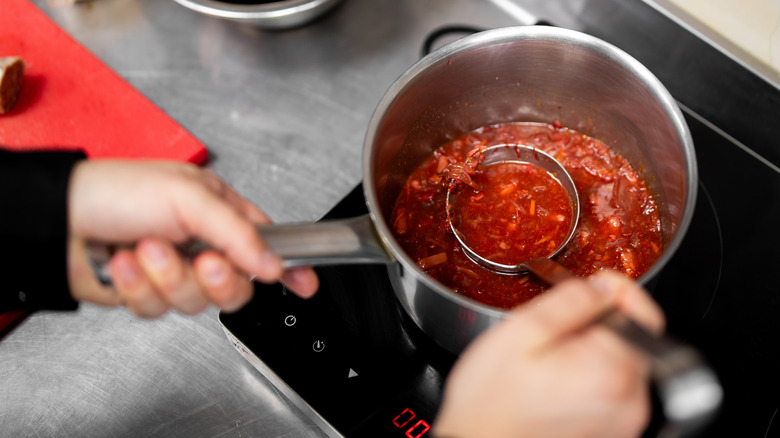
Energy Transfer Efficiency
- Gas: Typically operates at 30% to 40% efficiency, with much of the heat escaping into the surrounding kitchen air.
- Electric: Operates at approximately 70% efficiency.
- Induction: Operates at an impressive 85% to 90% efficiency. Because the heat is generated within the pan, almost no energy is wasted heating the stovetop surface or the air around the pot.
This efficiency doesn’t just save money on utility bills; it fundamentally changes the kitchen environment. By reducing "waste heat," induction helps keep kitchens cooler during summer months, potentially decreasing the load on home air conditioning systems.
Safety and Environmental Implications
The most significant argument for the adoption of induction technology lies in its safety profile. Unlike electric coils, which remain dangerously hot long after the power is cut, an induction surface is never the primary heat source.
The "Cool-to-the-Touch" Advantage
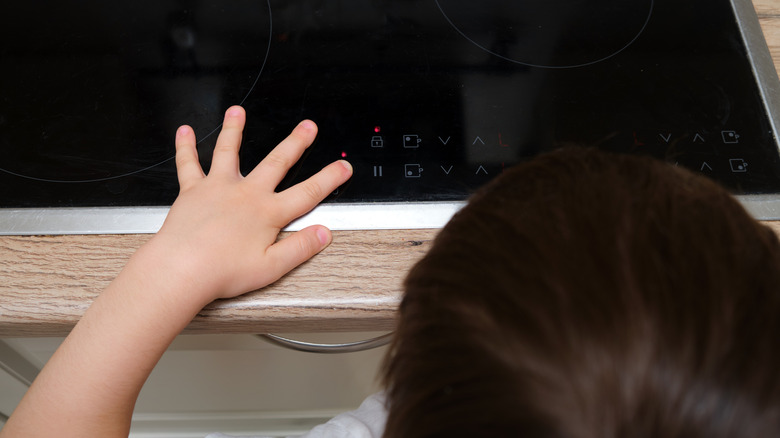
Because induction heats the cookware, the glass surface only gets warm via secondary conduction from the pan. This drastically reduces the risk of severe burns. Furthermore, the stove’s internal sensors are designed to detect the presence of a magnetic pan; if the pan is removed, the electromagnetic circuit breaks, and the heat generation stops instantly. This is a game-changer for households with children or elderly residents, where the risk of accidental contact with a hot burner is a major concern.
Fire Hazard Mitigation
Kitchen towels, plastic utensils, and other flammable materials left near an induction cooktop are far less likely to ignite compared to a red-hot electric coil or an open gas flame. While users must still exercise caution—burning food is still possible if a pan is left unattended—the surface itself does not pose the same level of fire risk.
Precision Control: The Professional Edge
For those who view cooking as a craft, precision is paramount. Induction provides a level of granular control that electric stoves struggle to match, especially as they age.
In a traditional electric range, the thermostat mechanism often degrades over time, leading to "cycling"—where the stove oscillates between too hot and too cold. Induction systems are digital and reactive. When you dial the temperature down, the electromagnetic field adjusts instantly. This makes tasks like tempering chocolate, maintaining a delicate hollandaise, or searing a steak with a uniform crust significantly more manageable. The ability to go from a rolling boil to a gentle simmer in a fraction of a second is a capability that allows home cooks to execute restaurant-quality techniques with greater consistency.

Maintenance and Longevity
The maintenance profile of an induction cooktop is arguably its most user-friendly feature. Because the glass surface never reaches the extreme temperatures of a traditional electric coil, spills are less likely to "bake on" or scorch. In most cases, a simple wipe with a microfiber cloth and a mild cleaner is sufficient to restore the unit to a pristine state.
For those dealing with stubborn, burnt-on food, the solution is straightforward: a paste of baking soda and vinegar, or a dedicated glass-ceramic cleaner, can handle most messes without the need for abrasive scrubbing, which can damage the finish. Furthermore, the absence of removable, grime-collecting coils or heavy iron grates simplifies the aesthetic maintenance of the kitchen.
Future Outlook: The Path to Widespread Adoption
As we look toward the future of residential architecture, induction is increasingly viewed as the standard rather than the exception. Municipalities are beginning to incentivize the move away from gas in new construction due to indoor air quality concerns, and homeowners are becoming increasingly aware of the long-term utility savings.

The "barrier to entry" is also shrinking. Portable induction burners, which provide all the benefits of high-end cooktops at a fraction of the cost, have become a favorite tool for students, apartment dwellers, and outdoor enthusiasts. They offer a "try before you buy" opportunity for those hesitant to commit to a full range replacement.
However, the transition requires a shift in mindset. Consumers must be willing to verify their cookware, learn to interpret the digital interfaces, and perhaps let go of the nostalgic preference for "flame-based" cooking. Yet, as the data indicates, the benefits—speed, precision, safety, and efficiency—are difficult to ignore.
The induction revolution is not merely about replacing a heating element; it is about upgrading the home to meet the demands of a modern, efficient, and safety-conscious lifestyle. Whether you are a professional chef seeking precision or a busy parent looking to streamline weeknight dinners, the evidence suggests that the future of the kitchen is not found in burning gas or glowing coils—it is found in the invisible, precise power of electromagnetism.