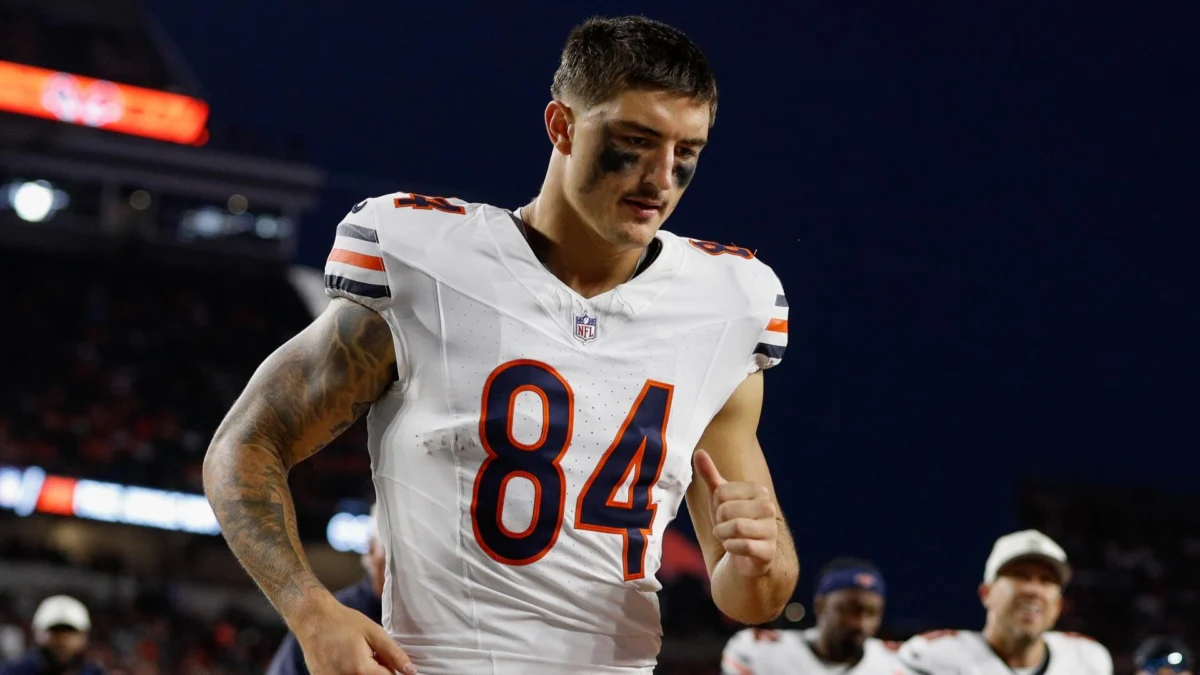
The landscape of the tight end position in fantasy football for the 2026 season has proven to be a paradoxical environment. While the position is statistically "deep"—with twelve players currently averaging at least 11 PPR (Points Per Reception) fantasy points per game—the production has not come from the high-draft-capital players managers expected to anchor their rosters. Instead, the scoreboard is being dominated by breakout candidates and waiver-wire surprises, leaving owners of premium tight ends like Colston Loveland and Kyle Pitts in a state of high-stakes limbo.
Main Facts: The "Bust" Narrative
As we head into Week 3 of the 2026 NFL season, the fantasy community is grappling with a stark reality: many of the players drafted as "set-it-and-forget-it" starters have essentially become dead weight.
Colston Loveland and Kyle Pitts, two names often touted for their immense athletic upside, have struggled to produce even the most baseline fantasy outputs. Pitts, despite his status as a perennial breakout candidate, has managed a meager 2.5 total fantasy points through the first two weeks. Loveland has fared even worse, recording a solitary catch for three yards over the same period. This statistical cratering has forced fantasy managers to reconsider their roster construction and patience thresholds in a position group that, on paper, should be thriving.
Chronology: A Season of Discontent
Weeks 1 and 2: The Quarterback Carousel
The struggles of these two tight ends cannot be divorced from the broader context of their respective teams’ offensive instability.
For Kyle Pitts, the narrative has been one of systemic dysfunction. The absence of primary starters Tua Tagovailoa and Michael Penix in the first two weeks left the Falcons’ passing game in the hands of Cooper Rush and Jack Strand. The result was a catastrophic lack of efficiency. In Week 1, the offensive focus skewed heavily toward running back Bijan Robinson, who absorbed the majority of the team’s target share. In Week 2, the situation devolved further; Rush struggled with turnovers, and when Jack Strand finally entered the game, he surrendered a pick-six on his inaugural NFL pass. This lack of a stable, NFL-caliber signal-caller has rendered Pitts essentially invisible in the game plan.
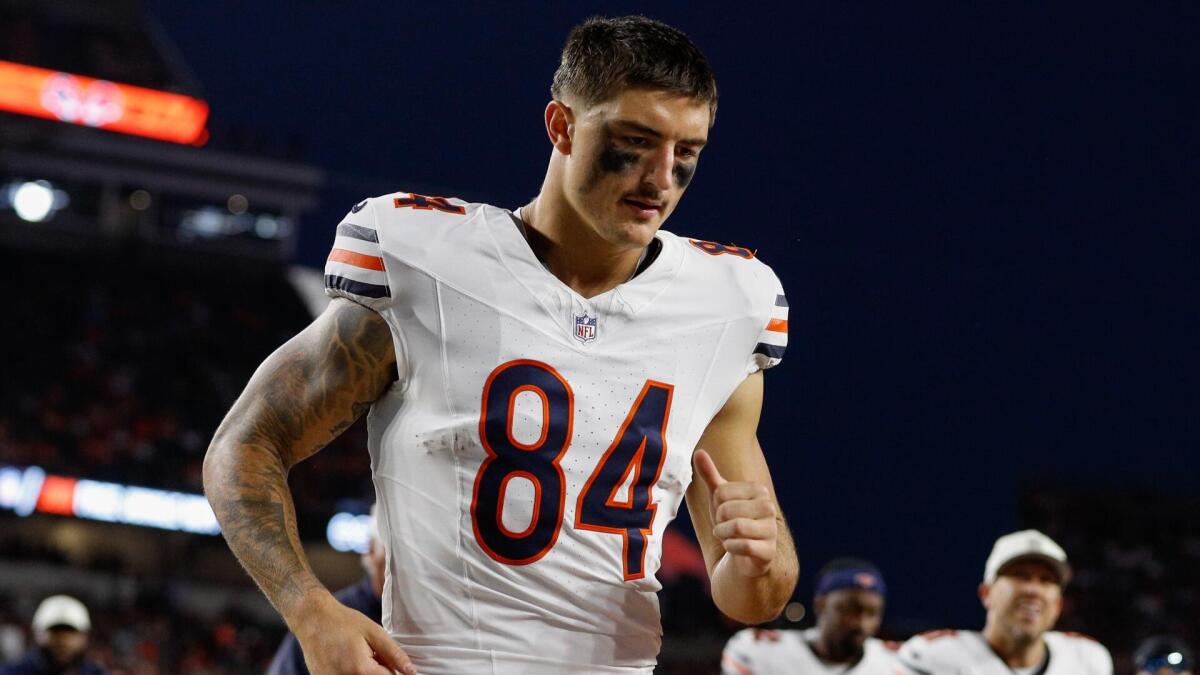
Colston Loveland’s trajectory has been similarly disheartening. After being drafted with the expectation of being a central figure in the Chicago Bears’ passing attack, Loveland has found himself trapped in a stagnant offense. Much like Pitts’ situation, Loveland is now staring down the barrel of playing with a third-string quarterback heading into a daunting Week 3 matchup against the Philadelphia Eagles.
Supporting Data: By the Numbers
To understand why fantasy analysts like Heath Cummings are advising caution rather than panic, one must look at the advanced metrics rather than just the final point totals.
- Loveland’s Utilization: Despite his dismal box score, Loveland remains on the field for 79.7% of the Bears’ passing attempts. This is a critical metric; it indicates that the team still views him as a primary option. Furthermore, film study suggests he is consistently finding space in the secondary. His lack of production is currently a function of opportunity and quarterback inaccuracy rather than an inability to create separation.
- The Depth of the Position: Currently, half of the top-twelve fantasy tight ends were not drafted as starting-caliber players. This shift highlights a volatile market where points are being manufactured by low-cost assets, putting even more pressure on managers who invested early-round draft picks in players like Pitts.
- Target Share Dynamics: In the Falcons’ offense, the reliance on Bijan Robinson early in the season has suppressed the ceiling for everyone else. With only 288 passing yards and one touchdown combined across two games for the Falcons’ backups, it is statistically improbable for any receiver, regardless of talent, to maintain a consistent fantasy floor.
Official Projections and Strategic Implications
As we transition into the Week 3 slate, the consensus among experts is that while these players are currently "busts" in the literal sense of their production, they are not necessarily "drops" in terms of roster management.
The Case for Holding
The argument for holding Kyle Pitts is predicated on the return of personnel. With Michael Penix expected to return to the starting lineup this week, the Falcons’ offense has a path to immediate stabilization. Fantasy managers are encouraged to keep Pitts on their rosters to observe how he integrates with a starter who can actually facilitate a downfield passing game. Dropping a player of his physical profile before seeing him with a legitimate NFL quarterback would be a premature, and likely regrettable, move.
Similarly, the case for Colston Loveland remains rooted in his high route-participation rate. In fantasy football, volume is king. As long as a tight end is running routes on nearly 80% of his team’s plays, the potential for a "boom" week remains high. The advice provided by experts is clear: find a high-performing waiver-wire streamer to start in your lineup for Week 3, but keep Loveland stashed on your bench. His talent profile is too high to gift to an opponent who might reap the rewards once the Bears’ offensive rhythm improves.

Broader Implications for Fantasy Managers
The current state of the tight end position offers a lesson in the dangers of relying on preseason consensus rankings. The 2026 season has demonstrated that the "TE-Premium" strategy—investing high draft capital in elite tight ends—is currently underperforming compared to the "streaming" strategy.
Managers are facing a difficult decision: continue to wait for the talent of players like Pitts and Loveland to overcome their offensive environments, or pivot to the "flavor of the week" players who are currently maximizing their opportunities.
Strategy for Week 3 and Beyond:
- Prioritize Volume: Look for tight ends with high route-participation percentages, even if the team’s overall offense is struggling.
- Monitor Quarterback Health: The volatility at the QB position is the single largest variable influencing tight end performance this year. Check injury reports religiously.
- Use the Waiver Wire: Don’t be afraid to bench your "star" players for a lower-profile player who has a better matchup or a more consistent quarterback situation.
- Avoid the "Sunk Cost" Fallacy: While dropping high-profile players is discouraged, do not allow yourself to lose weekly matchups simply because you are stubbornly starting a player who is currently failing. Use your bench spots as insurance and your starting spots for production.
As we head into the third week of the season, the situation remains fluid. Projections are being updated daily as new information regarding quarterback availability and team depth charts emerges. Fantasy managers who remain disciplined, monitor the waiver wire, and maintain patience with high-upside players are the ones most likely to navigate this unpredictable landscape successfully. For now, the advice is simple: pivot for the immediate week, but keep your high-ceiling investments tucked away until the offense catches up to the talent.