By Brad Crawford
August 26, 2026
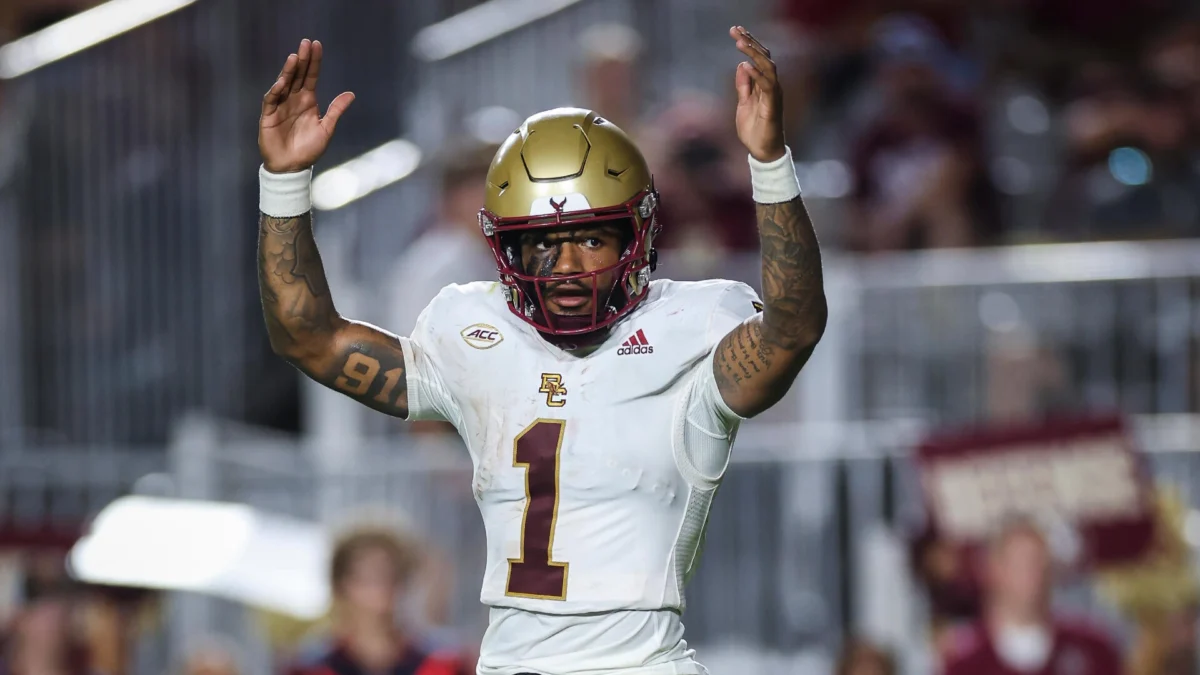
In a college football landscape currently defined as much by courtroom litigation as by gridiron performance, the transfer portal continues to produce headline-grabbing maneuvers. Former Florida State quarterback Thomas Castellanos has officially committed to Texas Tech, a move that serves as a high-stakes case study in the evolving intersection of professional exploration and amateur eligibility.
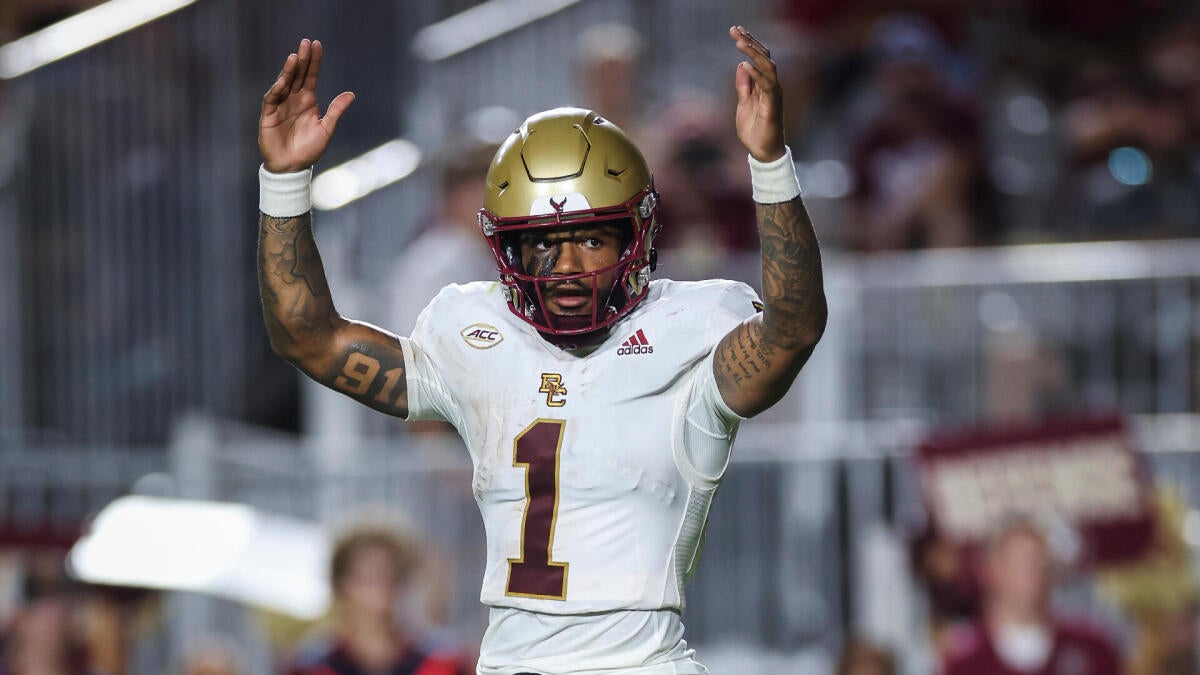
Castellanos, a dynamic playmaker who previously made stops at Boston College and Florida State, arrives in Lubbock under a complex legal umbrella. His path to the Red Raiders was secured not only through standard recruitment but through a series of judicial interventions that have left the sport’s regulatory framework in a state of unprecedented flux.
The Core Development: Castellanos Finds a Home in Lubbock
Thomas Castellanos’ commitment to Texas Tech marks a significant boost for head coach Joey McGuire’s depth chart. While Will Hammond remains the presumptive starter and the focal point of the Red Raiders’ high-octane offense, the addition of a veteran with Castellanos’ pedigree provides the program with a luxury rarely seen in the modern era: an experienced, dual-threat insurance policy.
Castellanos arrives in West Texas fresh off a 2025 campaign at Florida State where he threw for 2,760 yards and 15 touchdowns, while adding 557 yards and nine scores on the ground. His tenure at FSU was highlighted by a signature Week 1 upset over Alabama, a game that solidified his reputation as a big-game performer.
However, his arrival at Texas Tech comes with a caveat. Because he participated in the Miami Dolphins’ rookie minicamp this past May—an experience where he experimented with the wide receiver position—his eligibility status became a matter of immediate legal and administrative concern.
A Chronology of Legal and Regulatory Friction
The path to Castellanos’ eligibility is littered with shifting goalposts. To understand why his status remains intact despite the Big 12’s recent policy changes, one must examine the rapid-fire succession of events that have defined the 2026 offseason.
- May 2026: Castellanos participates in the Miami Dolphins’ rookie minicamp. Crucially, he does not sign a professional contract, remaining an undrafted free agent.
- Early August 2026: A wave of litigation hits the NCAA, led by a group of 16 former college players, including LSU’s Jack Pyburn and Ole Miss starters like Dae’Quan Wright. A Louisiana court grants a Temporary Restraining Order (TRO), shielding these athletes from punitive eligibility rules.
- Mid-August 2026: A federal judge in Kentucky grants an injunction in a separate lawsuit involving Castellanos and Missouri basketball standout Mark Mitchell, effectively protecting them from exclusionary rulings.
- August 26, 2026: The Big 12 Conference announces a unanimous policy barring institutions from fielding professional athletes. This decision follows similar moves by the SEC and the Big Ten.
- August 26, 2026 (Post-Announcement): Texas Tech officially announces the signing of Castellanos, confirming that his status as an unsigned participant in an NFL minicamp does not violate the new Big 12 mandate.
Decoding the Big 12’s Pro-Athlete Policy
The primary hurdle for Castellanos was the Big 12’s late-August announcement that the conference would prohibit member schools from roster-loading with athletes who had effectively "turned pro."
The confusion stems from the definition of a "professional athlete." Historically, the NCAA maintained strict definitions regarding amateurism. In the modern NIL era, however, the lines have blurred. The Big 12, acting in lockstep with the SEC and Big Ten, attempted to stem the tide of players who spent time in NFL camps—often failing to secure a roster spot—attempting to return to the college ranks to maximize their remaining years of eligibility.
A league spokesperson clarified to CBS Sports that Castellanos’ specific situation—attending a minicamp without ever signing a contract—does not classify him as a "professional" under the league’s new guidelines. Because he never signed a binding contract, he remained a collegiate prospect in the eyes of the conference. This distinction is the bedrock upon which his Texas Tech career now stands.
The Broader Implications: The "Returnee" Crisis
Castellanos is not an outlier; he is part of a larger trend that has forced the NCAA into a defensive legal posture. The trend of players seeking a "second act" in college football after failing to gain traction in the NFL has created a logistical nightmare for coaches and conference commissioners alike.
The recent lawsuit in Colorado, which stripped eligibility from athletes in the Class of 2022, serves as the antithesis to the protection Castellanos received. While those athletes lost their eligibility due to specific regulatory interpretations, players like Castellanos and the 16 individuals involved in the Louisiana litigation are operating under court-ordered protections.
This has created a "split-tier" college football environment. In one locker room, a player might be ineligible due to a standard administrative rule, while a teammate—protected by a specific injunction—remains fully eligible. Coaches like Lane Kiffin at Ole Miss have been caught in the crossfire, publicly advocating for players like Dae’Quan Wright and Zxavian Harris to return, only to be met with shifting conference mandates that threaten to render those players ineligible.
Supporting Data: Why Experience Matters
The desperation of programs to sign players like Castellanos is rooted in the immense value of collegiate experience. Castellanos’ statistical output—nearly 3,300 total yards in a single season—is a commodity that few high-school recruits can replicate.
Furthermore, the "upset factor" he provided against Alabama demonstrates his ability to elevate a program’s ceiling. For Texas Tech, a team consistently positioned as a favorite in the Big 12, the margin for error is razor-thin. Having a quarterback who has started in the ACC and navigated high-pressure SEC environments is not merely a depth move; it is a strategic acquisition designed to insulate the team against the attrition of a grueling conference schedule.
Official Responses and the Future of Eligibility
The NCAA has yet to provide a uniform national response to the growing list of injunctions. Instead, the burden has fallen on individual conferences to draft policies that hold up in court. The Big 12’s Wednesday announcement was a preemptive strike, an attempt to codify rules before further litigation could erode the conference’s autonomy.
"Our objective is to maintain the integrity of the student-athlete model," a Big 12 official noted during the announcement. However, critics argue that the "student-athlete" definition is increasingly archaic. As the legal battles continue, the likelihood of a Supreme Court-level intervention grows.
For now, the situation remains a "war of attrition." Every time a conference attempts to close the door on professional returnees, legal teams are filing for injunctions.
Conclusion: The New Normal in Lubbock
As the 2026 season approaches, Thomas Castellanos will step onto the field in Lubbock as a symbol of the sport’s current volatility. He is a player who has navigated the NFL draft process, survived the scrutiny of the transfer portal, and successfully leveraged the court system to maintain his career.
Texas Tech fans will be less concerned with the legal maneuvering and more focused on the results. If Castellanos can provide the spark behind Will Hammond that the coaching staff expects, the Red Raiders will be well-positioned to cement their status as the kings of the Big 12.
However, the shadow of the courts will remain. As long as the distinction between "amateur" and "pro" remains a subject for judges rather than NCAA rulebooks, the saga of Thomas Castellanos will likely repeat itself with dozens of other players across the country. For now, the Red Raiders have their man—and for the moment, the law is on his side.