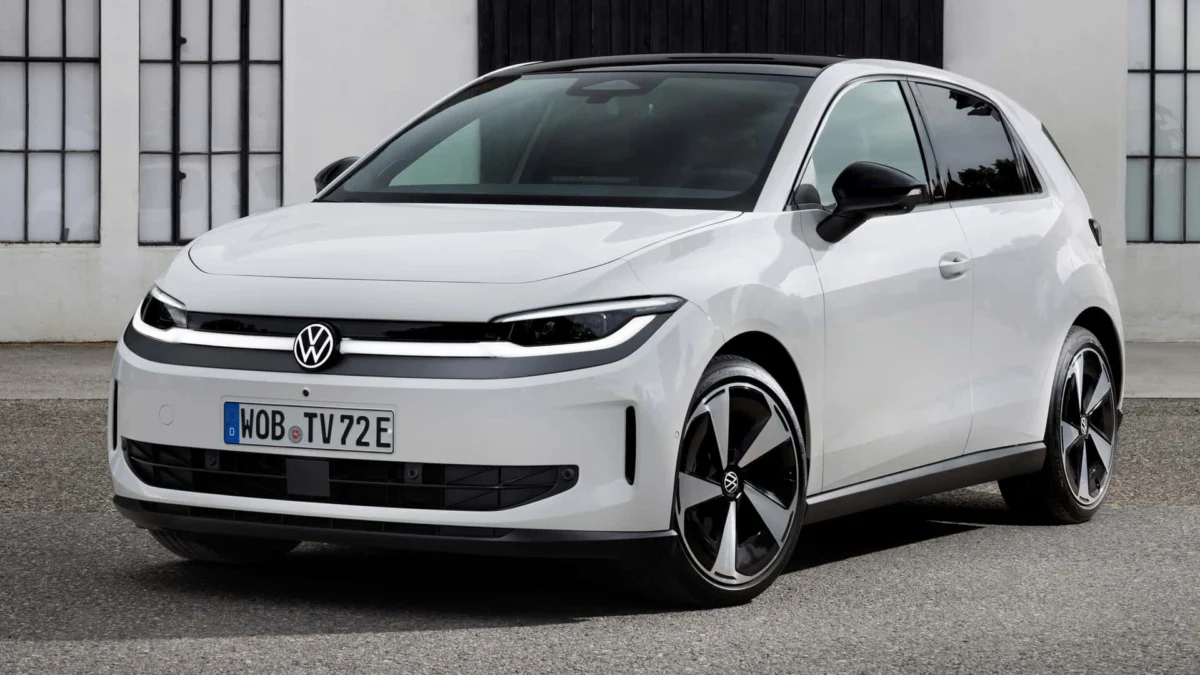
Volkswagen, the titan of the German automotive industry, is currently grappling with a paradox that defines the modern era of mobility. For years, the automaker faced intense pressure from investors, regulators, and environmental advocates to pivot aggressively toward electrification. Now, as the German market witnesses a decisive surge in demand for pure electric vehicles (EVs)—with orders for battery-electric models officially outpacing those for traditional internal combustion engine (ICE) vehicles—the company finds itself in an uncomfortable position.
Rather than ushering in a period of unbridled growth, this shift has forced Volkswagen to enact a series of production cutbacks. The most prominent casualty of this transition is the company’s legendary Wolfsburg plant, the historic “heart” of the VW brand, where planned extra shifts are being scrapped. This scenario underscores a fundamental friction in the automotive industry: the challenge of retooling a manufacturing footprint built for the 20th century to accommodate the realities of the 21st.
The Wolfsburg Paradox: A Factory Caught in Time
The Wolfsburg facility is more than just a factory; it is a monument to German industrial might. Having operated for 88 years, it has served as the cradle for some of the world’s most iconic vehicles, including the Beetle, the Golf, the Tiguan, and the Tayron. However, the plant’s infrastructure, supply chain logistics, and labor model were meticulously optimized for the high-volume production of internal combustion engine vehicles.
According to data from Automobilwoche, Volkswagen is currently recalibrating its production forecasts for the year. Originally, the company aimed to push the Wolfsburg plant to exceed an annual output of 600,000 vehicles. Revised projections now place that figure at approximately 580,000. While a decrease of 20,000 units might seem incremental, it is highly symbolic. It marks a retreat from aggressive production targets at a time when the broader Volkswagen Group is attempting to project strength.
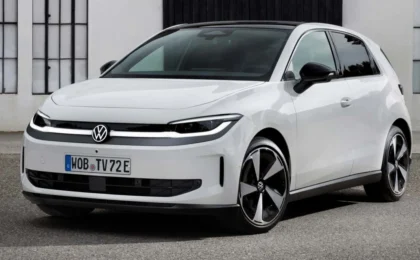
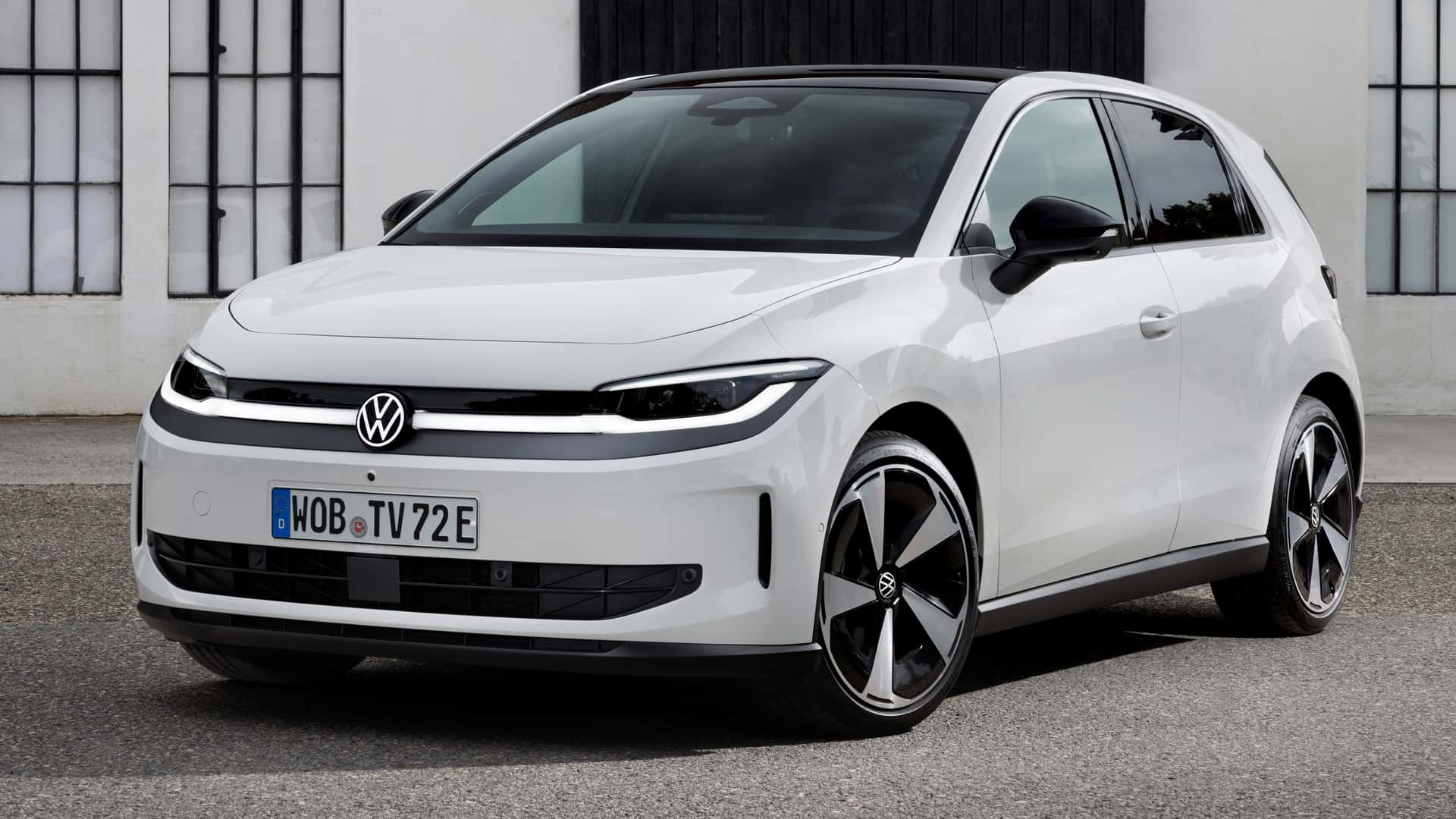
The decision to cancel extra shifts at Wolfsburg is not a reflection of waning brand popularity, but rather a structural mismatch. The vehicles currently driving the surge in consumer interest—such as the new ID. Polo and the refined ID.3 Neo—are manufactured at different sites, notably in Spain and Zwickau, respectively. Wolfsburg remains tethered to models that are experiencing a relative decline in demand as German consumers increasingly opt for the electric alternative.
A Chronology of the Shift
To understand how Volkswagen arrived at this juncture, one must look back at the last decade of strategic maneuvering:
- 2015–2019: The Pivot: Following the "Dieselgate" crisis, Volkswagen committed to a massive investment in its Modular Electric Drive Matrix (MEB) platform. During this period, the company faced criticism for high prices and a perceived lack of variety in its EV offerings.
- 2020–2022: The Struggle for Adoption: As the ID. family launched, VW struggled to convert the traditional German buyer, who remained loyal to the efficiency and familiarity of diesel and gasoline powertrains.
- 2023–2024: The Tipping Point: Rising fuel prices and the introduction of more accessible, budget-friendly electric models—most notably the ID. Polo—began to shift public sentiment. The "Budget" category win for the ID. Polo at the German Car of the Year (GCOTY) awards served as a catalyst for mainstream acceptance.
- 2025: The Industrial Retrenchment: Today, the surge in orders has arrived, but the manufacturing infrastructure is unable to pivot at the same speed. The company is now forced to reconcile its legacy production footprint with the modern reality of lower-labor-intensity EV assembly.
Supporting Data: The Efficiency Gap
The manufacturing implications of this transition are profound. An electric vehicle, by its very nature, is a simpler machine than its combustion-powered counterpart. It requires significantly fewer mechanical components—no complex transmissions, exhaust systems, or intricate fuel injection setups. Consequently, the labor hours required to assemble an EV are notably lower than those needed for a traditional car.
This presents a "productivity trap." If Volkswagen were to replace its entire ICE production line with an equivalent volume of EVs, it would effectively have excess labor and underutilized floor space. This is a primary driver behind the company’s current, controversial cost-cutting programs. Management is tasked with reducing overheads while simultaneously investing billions into the research, development, and tooling required for the electric future.
Furthermore, the profitability of these EVs remains a point of contention. While EVs help the company meet stringent European Union fleet emissions targets—thereby avoiding massive fines—the margins on these vehicles are thinner than those of traditional, high-option gasoline SUVs. For a company in the midst of a historic restructuring, balancing the books while satisfying the public’s sudden demand for electric mobility is a tightrope walk of immense proportions.
Implications for the Workforce and Future Models
The ripple effects of this transition are being felt throughout the company’s German sites. While Wolfsburg faces a reduction in output, other facilities are seeing a different story. In Emden, for instance, Volkswagen plans to add at least two extra shifts to keep pace with demand for the ID.7 liftback and wagon. Similarly, the Zwickau plant is seeing increased throughput for the updated ID.3 Neo.
However, the human cost of this transition cannot be ignored. The shift away from ICE production inherently threatens jobs that were tied to the complexity of the combustion engine. Labor unions and company management are engaged in tense negotiations regarding capacity, employment security, and the future of Germany as a manufacturing hub.
The long-term strategy for Wolfsburg involves a gradual transformation. Volkswagen has already confirmed that the Golf—the model that effectively defined the plant for decades—will see its production moved to the Puebla plant in Mexico by 2027. In its place, the company intends to introduce an electric iteration of the Golf and the T-Roc to the Wolfsburg lines. This will require massive capital expenditure to upgrade the facility for EV production, a process that is as much about cultural change as it is about installing robots and assembly lines.
The Road Ahead: Can VW Adapt?
The "Motor1 Take" on this situation is clear: Volkswagen has finally achieved what it sought for a decade—high demand for its electric vehicles. But in achieving this, it has highlighted the fragility of its industrial legacy. The company is currently stuck in the "awkward middle" of an automotive revolution. It is successfully selling the future, but it is still paying for the past.
The upcoming launch of the "ID. up!" (the unofficial moniker for the company’s next ultra-affordable EV) is expected to further accelerate this trend. If this vehicle replicates the success of the ID. Polo, Volkswagen will face even greater pressure to complete its industrial transition. The company must prove it can manufacture these vehicles with the same level of profitability that it once enjoyed from the Golf and the Passat.
Ultimately, the challenge for Volkswagen is not just about building cars; it is about managing the decline of an era. The company is dismantling a manufacturing empire built for the internal combustion engine while trying to build a new one on the same foundations. The success of this endeavor will determine not only the future of Volkswagen but the stability of the entire German automotive sector. For now, the automaker must endure the irony of being penalized by its own success, as the faster the consumer shifts to electric, the more rapidly the company’s legacy industrial model must evolve or risk obsolescence.
As the industry watches, the message from the Wolfsburg factory is clear: the transition to electrification is no longer a theoretical goal or a marketing slogan—it is a brutal, real-world logistical challenge that is reshaping the landscape of one of the world’s most powerful industries.