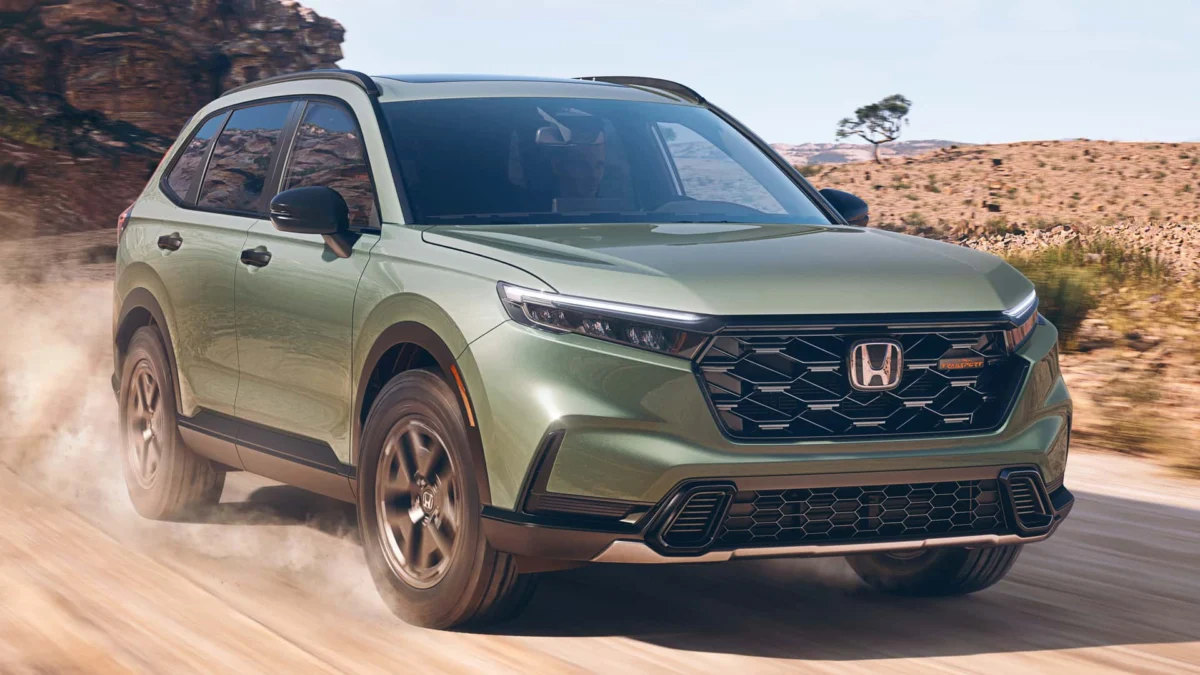
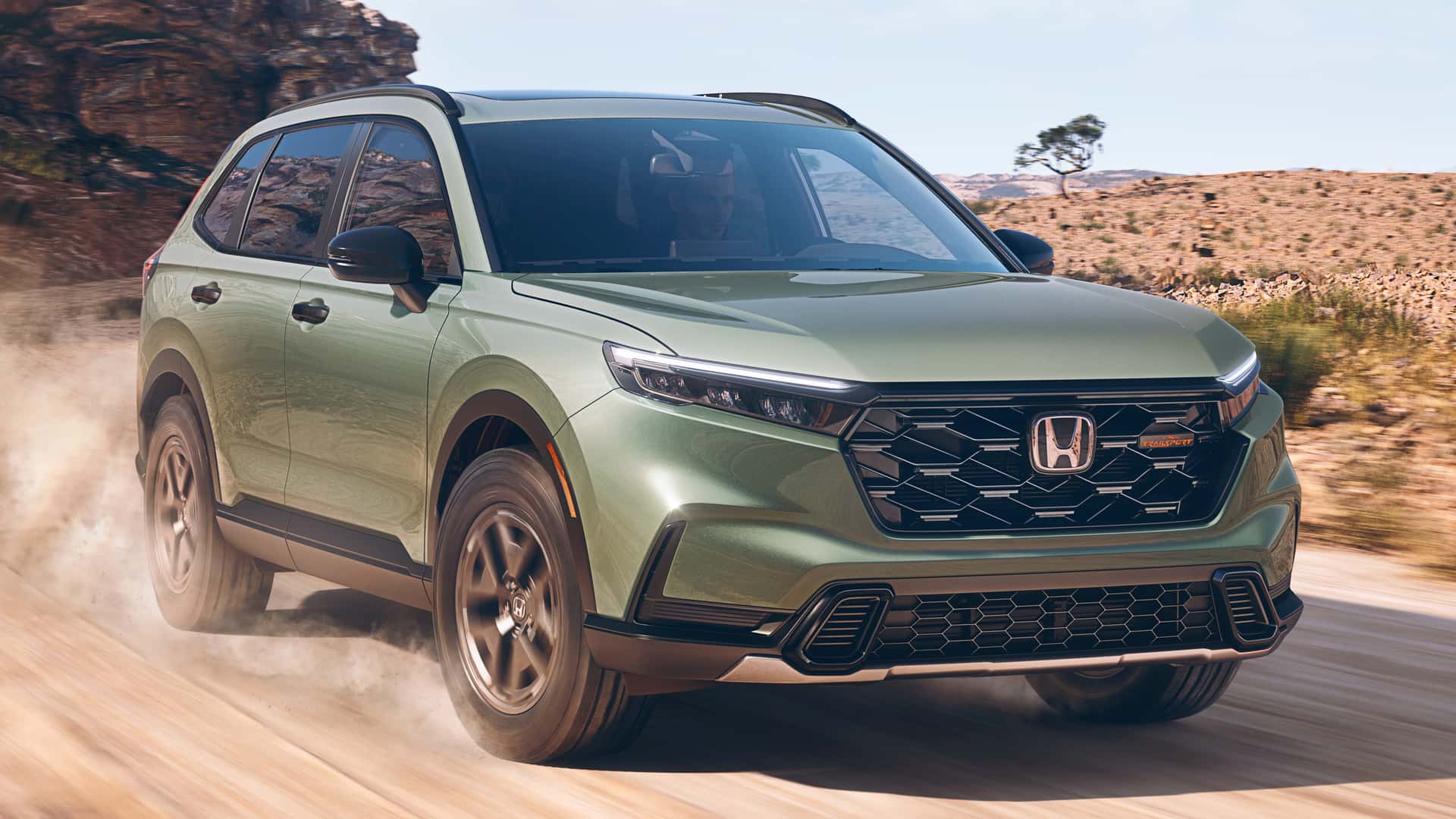
As global automotive markets grapple with shifting consumer demands, volatile gas prices, and the cooling of pure electric vehicle (EV) enthusiasm, Honda has strategically realigned its long-term roadmap. The Japanese automaker is currently deep in the development of a sophisticated, next-generation hybrid-electric vehicle (HEV) architecture. While the company has officially remained tight-lipped regarding specific production timelines for individual nameplates, industry reports indicate that Honda is accelerating its transition, with the highly popular CR-V hybrid poised to lead the charge in early 2027.
The Strategic Shift: From EV-Only to Hybrid-First
For several years, the automotive industry was fixated on an aggressive, wholesale shift toward battery-electric vehicles (BEVs). Honda, like many of its peers, originally set ambitious targets to transition its entire lineup to pure electric propulsion by 2040. However, the realities of the current market—characterized by charging infrastructure gaps, high vehicle costs, and waning consumer demand for pure EVs—have forced a reassessment.
Following significant financial headwinds associated with its initial electrification efforts and the subsequent cancellation of several high-profile EV projects, Honda has officially abandoned its "EV-only by 2040" mandate. In its place, the company is doubling down on hybrid technology. This pivot is not merely a retreat; it is a calculated bet that the "bridge" technology of hybrids will remain the primary engine of growth for the next decade. By leveraging its expertise in internal combustion engines and integrating them with advanced electrical systems, Honda aims to satisfy the dual demands of fuel efficiency and driving performance.
Production Timelines: The 2027 Rollout
According to a recent report from Nikkei Asia, Honda is preparing to expedite the production of its next-generation hybrid vehicles. The report suggests that the company will initiate manufacturing of the updated CR-V hybrid in Canada as early as February 2027. Shortly thereafter, in March 2027, the rollout is expected to expand to Honda’s robust network of American production facilities.
When reached for comment regarding these specific dates, a Honda spokesperson declined to confirm the production schedule, citing standard policy regarding future product plans. However, the company provided an official statement that contextualizes the development:
"This was not announced by Honda. While we cannot comment on specific future product plans, as outlined in our 2026 Business Update, Honda remains on track to introduce next-generation HEV models beginning in 2027, featuring an all-new hybrid system and platform."
This statement confirms that while the specific dates cited in reports may remain speculative, the broader corporate trajectory is firmly set. The CR-V, as Honda’s perennial best-seller, is widely viewed by analysts as the most logical vehicle to debut the new technology, ensuring immediate market penetration and high-volume deployment.
Technical Innovations: A Lighter, Leaner Powertrain
The core of Honda’s upcoming strategy lies in its "next-generation" hybrid system. While specific technical specifications remain guarded, the company has shared high-level goals for the technology’s impact. The new architecture is designed to be significantly slimmer and lighter than the current iteration found in models like the CR-V, Accord, and Civic.
Key engineering objectives for this new system include:
- Fuel Efficiency: A projected 10 percent improvement in fuel economy, a critical metric as fuel prices continue to fluctuate globally.
- Cost Optimization: A 30 percent reduction in production costs, which will likely translate to more competitive pricing at the dealership level.
- Modular Versatility: The system is being engineered to integrate with both 1.5-liter and 2.0-liter four-cylinder engines, as well as a newly developed V6 engine designed for larger, heavy-duty hybrid-electric vehicles.
By diversifying the engine lineup, Honda intends to offer a hybrid option across virtually every segment of its portfolio, from compact crossovers to three-row SUVs.
The Acura Connection: Luxury Meets Hybridization
The evolution of the CR-V platform will not be confined to the Honda brand. Industry intelligence points toward the development of an Acura-badged crossover derived from this same next-generation architecture. Many analysts believe this vehicle will serve as the successor to the current Acura RDX.
Should this materialize, it would represent a significant shift for the premium division. There is growing speculation that, much like the Toyota RAV4’s dominance in the hybrid space, the new Acura crossover may lean exclusively into a hybrid-only powertrain. This would align with current market trends where luxury buyers are increasingly seeking the refinement and torque-rich performance of hybrid systems over the range anxiety often associated with early-generation pure EVs.
Implications for the Market
The implications of Honda’s "Hybrid-First" strategy are profound. By focusing on hybrids, the company is prioritizing accessibility. Unlike EVs, which require significant lifestyle adjustments and home infrastructure, hybrids function within the existing refueling ecosystem.
1. Consumer Sentiment
As inflation and economic uncertainty continue to impact household budgets, the appeal of a vehicle that offers lower fuel consumption without a premium price tag is undeniable. Honda’s ability to offer a "best of both worlds" scenario—the performance of a modern engine paired with the efficiency of an electric motor—positions the brand favorably against competitors who are struggling to make the transition to full electric.
2. Manufacturing Flexibility
By developing a modular platform, Honda is hedging its bets. If the market for pure EVs suddenly accelerates due to breakthroughs in battery density or government mandates, the company’s new platform can likely be adapted. Conversely, if consumers continue to favor traditional fuel sources for the next 15 years, Honda is already well-positioned to lead that segment.
3. The "Power" Promise
A common criticism of earlier hybrid systems was the compromise in driving dynamics. Honda has explicitly stated that its upcoming powertrain will deliver "powerful driving performance." By integrating the new V6 engine options into its larger SUVs, Honda is clearly aiming to retain its reputation for engineering excellence and driver engagement—a hallmark of the brand that has occasionally been lost in the pursuit of efficiency.
Looking Ahead: The 2027–2030 Roadmap
Honda has identified approximately 15 global models that will receive this next-generation hybrid technology by March 2030. This is a massive undertaking that requires a complete overhaul of its manufacturing supply chain. The transition will likely involve:
- Retooling Factories: Converting traditional engine plants to accommodate hybrid transmission and motor assembly.
- Supply Chain Resilience: Securing long-term contracts for raw materials required for electric motors and power control units.
- Dealer Training: Preparing service departments to handle the complexities of the new, more advanced hybrid systems.
Conclusion: A Pragmatic Path Forward
The automotive landscape of 2027 will look vastly different than it does today. While the hype cycle around electric vehicles remains, Honda has opted for a pragmatic path that prioritizes the needs of the consumer today while preparing for the energy shifts of tomorrow.
By focusing on the CR-V as the vanguard of its new hybrid technology, Honda is betting on the model that understands its customer base best. The brand’s willingness to walk back its 2040 EV-only goal proves that Honda is listening to the market, prioritizing fiscal responsibility, and acknowledging the technical realities of the current energy transition. For the average driver, the result will be a fleet of vehicles that are more efficient, more reliable, and ultimately, more aligned with the realities of modern transportation. As the calendar approaches February 2027, all eyes will be on the Canadian and American assembly lines to see if Honda’s "hybrid-first" gamble pays off.