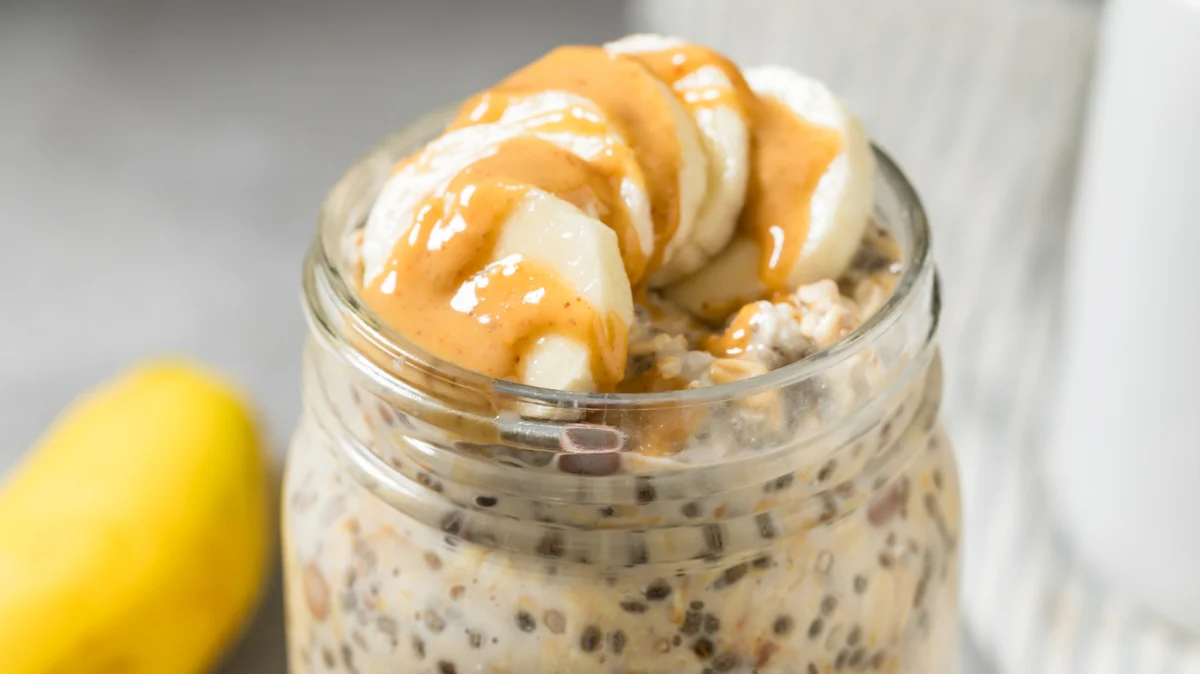
For the modern professional, the morning hours are a high-stakes balancing act between nutritional necessity and time-constrained convenience. As the popularity of meal prepping continues to surge, the humble bowl of overnight oats has emerged as the gold standard for a stress-free start to the day. However, a new culinary trend is elevating this pantry staple from a simple grab-and-go meal to a sophisticated, cafe-inspired experience: the "Latte-Style" banana overnight oat. By fusing the creamy, fiber-rich profile of traditional oats with the bold, aromatic essence of coffee, home cooks are discovering a way to caffeinate and nourish simultaneously.
The Evolution of Overnight Oats: A Brief Chronology
The concept of "soaking" grains to improve digestibility and texture is not new; it dates back to ancient cultures that prepared raw porridges using water or fermented dairy. However, the modern iteration of overnight oats—specifically the mason-jar method—began to gain mainstream traction in the early 2010s.
- 2010–2014: The "Clean Eating" movement brought overnight oats into the spotlight. Initially, these recipes were rudimentary, consisting primarily of rolled oats, milk, and perhaps a dollop of yogurt or a handful of berries.
- 2015–2019: The movement evolved as social media platforms like Instagram and Pinterest popularized aesthetic food photography. Overnight oats became a canvas for "Instagrammable" breakfasts, leading to the inclusion of chia seeds, nut butters, and elaborate fruit arrangements.
- 2020–2023: The global pandemic forced a shift toward home-based meal planning. Consumers began experimenting with more complex flavor profiles, looking for ways to replicate their favorite coffee shop beverages at home.
- 2024–Present: The "Latte-Style" trend marks the current peak of this evolution. By integrating concentrated coffee (espresso or cold brew) directly into the soak, the line between "breakfast" and "morning beverage" has been effectively blurred.
The Chemistry of Flavor: Why Bananas and Coffee Work
To understand why the banana latte-style oat is gaining such traction, one must look at the flavor science. Bananas provide a natural, creamy sweetness derived from fructose, glucose, and sucrose. When a banana is mashed, it releases pectin and starches that thicken the liquid base of the oats, creating a velvety mouthfeel that mimics the steamed milk of a latte.
Coffee, conversely, introduces bitterness, acidity, and complex volatile compounds like pyrazines, which are responsible for the "toasty" or "nutty" notes in a roast. When these two elements meet, the banana’s sweetness acts as a natural sweetener, neutralizing the harsh acidity of the espresso without the need for excessive processed sugars. The result is a breakfast that tastes like a refined coffee-house drink while providing a slow-release energy source through complex carbohydrates.
Practical Implementation: The One-to-One Method
Achieving the perfect latte-style oat is a matter of precision and ratios. The standard formula for successful overnight oats is a one-to-one ratio of oats to milk.
The Preparation Process
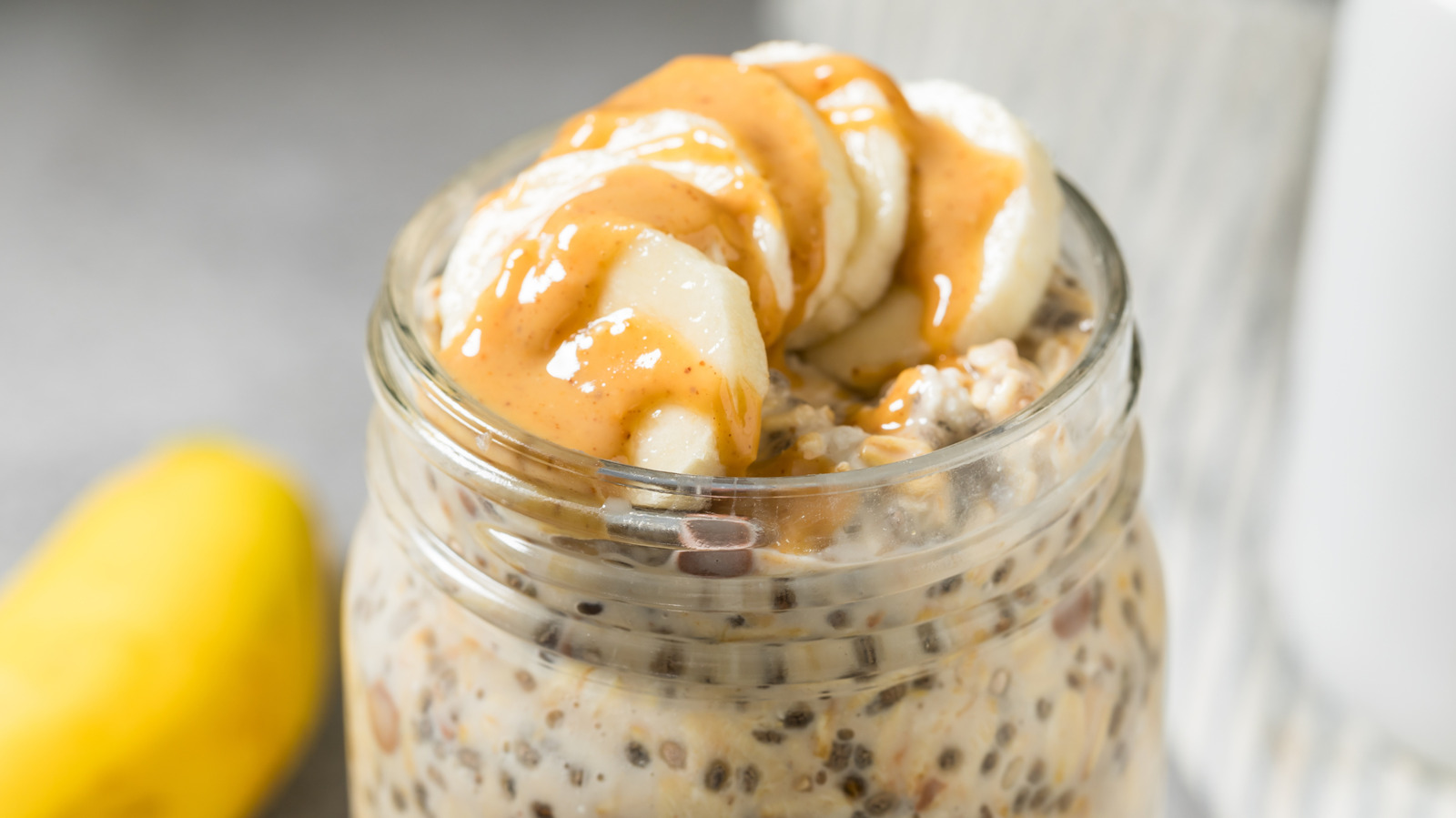
- The Base: Combine equal parts rolled oats (old-fashioned oats are preferred for their texture) and your choice of milk (dairy, almond, oat, or soy).
- The Coffee Element: Add one shot of fresh espresso. If espresso is unavailable, two tablespoons of high-quality cold brew concentrate serve as an excellent substitute. For those who prefer a deeper, more robust flavor, one teaspoon of high-quality instant coffee powder can be stirred directly into the milk before adding the oats.
- The Banana Infusion: Mash exactly half of a ripe banana into the mixture. This acts as both a flavoring agent and a binding component.
- The Soak: Seal the container and refrigerate for a minimum of four hours, though eight hours (overnight) is optimal to allow the oats to fully hydrate and the flavors to meld.
Elevating the Experience: Beyond the Basics
While the foundational recipe is robust, the true appeal of the latte-style oat lies in its modularity. Culinary experts suggest that this base can be transformed into various "signature drinks" through minor additions.
Enhancing Protein and Texture
For those seeking to make this a comprehensive post-workout meal, adding a scoop of protein powder is highly recommended. Vanilla protein powder mimics the flavor profile of a "Vanilla Banana Latte," while chocolate protein powder creates a "Banana Mocha" effect. Furthermore, incorporating two tablespoons of chia seeds does more than just add nutritional density; it introduces a unique, slightly gelatinous texture that helps stabilize the consistency of the oats, preventing them from becoming overly mushy after 48 hours in the refrigerator.
The "Banana Bread" Variation
By adding traditional baking spices—cinnamon, nutmeg, and a pinch of ground cloves—the oats transition into "Banana Bread Latte" territory. This variation evokes the comfort of home baking while maintaining the convenience of a cold breakfast.
Texture Contrast
The primary critique of overnight oats is often the lack of textural variety. To combat this, experts recommend topping the oats just before serving. Suggestions include:
- Crunch: Toasted pecans, walnuts, or cacao nibs.
- Sweetness: A drizzle of maple syrup or honey.
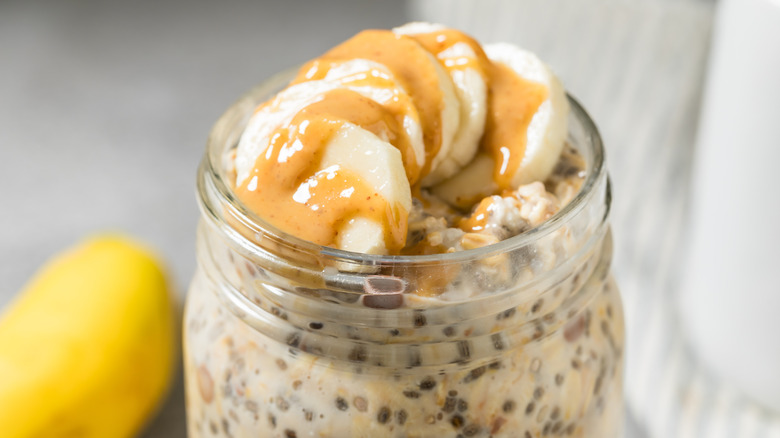
- The Second Half: Sliced fresh banana (using the remaining half from the initial prep) or dehydrated banana chips.
Nutritional Implications and Professional Perspectives
Nutritionists have largely lauded the move toward coffee-infused oats, noting that it provides a balanced delivery system for caffeine. Unlike drinking a cup of coffee on an empty stomach—which can trigger a cortisol spike or cause gastrointestinal discomfort—consuming caffeine alongside fiber-rich oats ensures a more gradual absorption into the bloodstream.
"The key is the fiber content," says one clinical nutritionist. "The soluble fiber in oats slows the rate at which the body absorbs the caffeine and the sugars from the banana. This creates a sustained energy release that avoids the ‘mid-morning crash’ often associated with sugary coffee drinks or simple carbohydrate breakfasts."
Furthermore, because these oats can be prepared in batches, they provide a reliable, nutrient-dense alternative to the high-calorie, high-sugar baked goods typically found at coffee shops. A standard banana latte-style oat bowl generally contains fewer calories than a standard cafe pastry, yet offers higher levels of potassium, magnesium, and dietary fiber.
Economic and Lifestyle Impact
The shift toward at-home latte-style oats reflects a broader economic trend: the "DIY Cafe" movement. With the average cost of a specialty coffee beverage rising, consumers are seeking ways to replicate the luxury experience of a latte without the $6.00 price tag.
By investing in high-quality bulk ingredients—oats, a bag of coffee beans, and bananas—a consumer can reduce their breakfast costs to less than $1.50 per serving. This is not merely a financial gain; it is a time-saving mechanism. By spending five minutes on a Sunday evening prepping four jars, an individual can reclaim approximately 20 to 30 minutes of morning time throughout the work week.
Conclusion
The "Latte-Style" overnight oat is more than a fleeting social media trend; it is a functional evolution of the modern breakfast. By marrying the convenience of overnight soaking with the sophisticated flavor profiles of the specialty coffee industry, it provides a solution for the time-poor, health-conscious individual. Whether one is looking to increase protein intake, save money, or simply enjoy a more flavorful start to the day, this culinary fusion offers a versatile, scalable, and highly nutritious template for the future of morning meals. As the ingredients are easily customizable, the potential for innovation remains vast, ensuring that this breakfast staple will remain a fixture in kitchens for years to come.