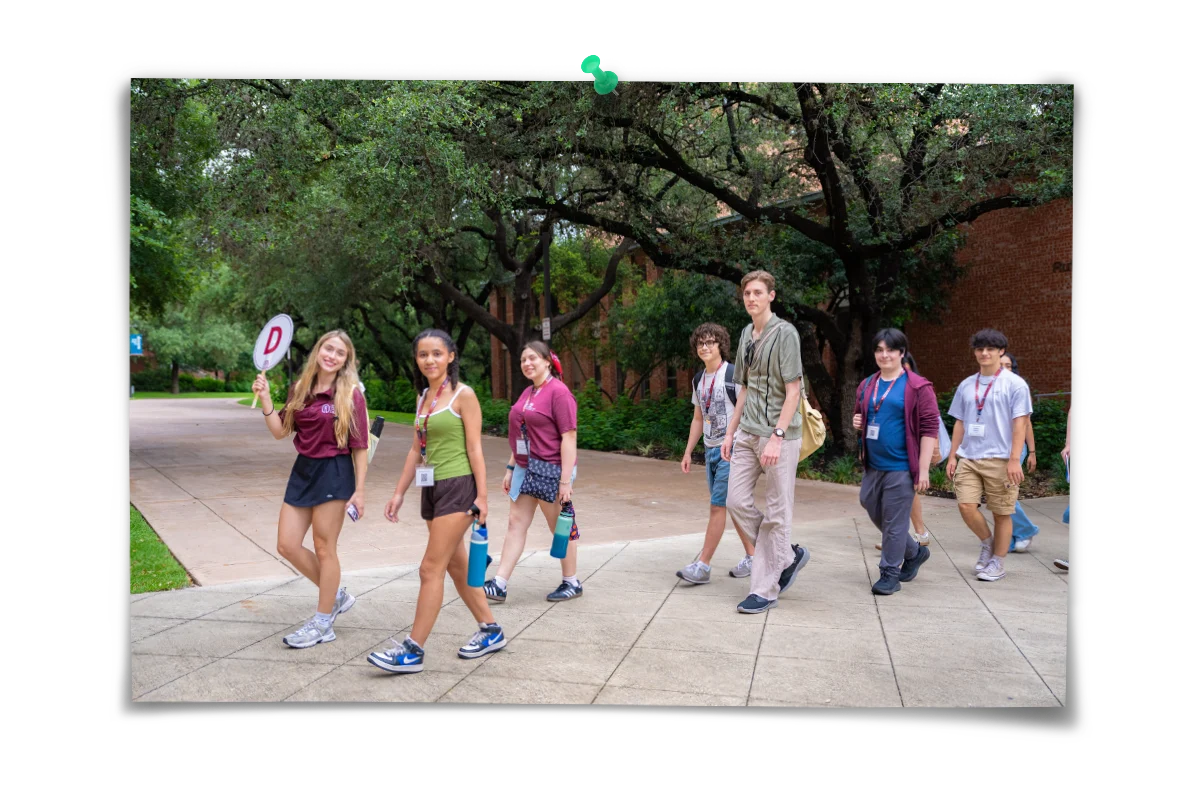
In an era defined by digital connectivity and virtual reality, one might assume the traditional campus visit would have succumbed to the convenience of the internet. Yet, the opposite has occurred. Today, prospective students and their families are traversing the country at an unprecedented rate, seeking out the tangible, physical "vibe" of university life. From custom-branded trolleys and VIP parking to multi-million-dollar welcome centers, colleges and universities are betting their future enrollment numbers on the belief that a prospective student’s "gut feeling" is the final, decisive factor in their decision-making process.
The Evolution of the Campus Visit: From Casual Walkthroughs to Curated Experiences
The history of the modern college tour is surprisingly brief. While students have long visited universities, the practice did not become an organized, high-stakes recruitment strategy until the post-Vietnam War era, when four-year institutions began to aggressively compete with the burgeoning community college sector for the attention of high school graduates.
For decades, the tour remained a utilitarian exercise: a walk across the quad, a peek into a lecture hall, and a brief explanation of student-to-faculty ratios. However, the rise of the digital age at the turn of the 21st century shifted the landscape. With metrics like cost, acceptance rates, and major offerings now available at the click of a mouse, the traditional information session became redundant.
The COVID-19 pandemic served as the final catalyst for this evolution. With travel halted and campuses shuttered, institutions rushed to build virtual tours. While these digital assets remain, they have inadvertently highlighted what they lack: the human element. For the current generation of juniors and seniors—many of whom experienced the social isolation of the pandemic during their formative elementary school years—the campus visit has taken on a new, heightened importance. It is no longer about gathering data; it is about testing a social environment.
Chronology of an Investment: Why Now?
The renewed obsession with campus tours is rooted in hard data. Studies have consistently identified the campus visit as a primary predictor of matriculation. According to a 2026 survey by Niche, an education insights firm, 92 percent of enrollment leaders at small colleges rank the campus visit as the single most critical strategy for securing an incoming class.

This urgency has led to a "gold rush" of investment in the visitor experience:
- 2020–2021: The "Virtual Pivot." Colleges scramble to provide digital tours, only to realize that virtual engagement cannot replicate the "gut feeling" of standing in the center of campus.
- 2022: The "Rebound Phase." Institutions report a significant surge in physical visits as families return to travel. Albion College and John Carroll University see double-digit increases in tour volume compared to pre-pandemic levels.
- 2023–2025: The "Premium Experience" Era. Recognizing that students are looking for a personalized "fit," universities begin to invest in high-end logistics—branded transport, concierge-style welcome desks, and individualized itineraries.
- 2026–Present: The "Total Immersion" Model. Admissions offices transition from "tour guides" to "experience architects," focusing on high-touch personalization and long-term financial incentives for visitors.
The Architecture of Engagement: Personalization at Scale
At the heart of the modern tour is the philosophy of radical personalization. Institutions are no longer content with a "one-size-fits-all" walk around the grounds.
At Baylor University, the welcome center features a digital spire that illuminates a student’s name and career aspirations upon their arrival, signaling that the institution sees them as an individual rather than a statistic. Trinity University in Texas has gone a step further, offering VIP parking spots reserved by name for visiting families, an attempt to remove the stress of logistics before the tour even begins.
"The ability to have a specialized experience on the tours helped my daughter visualize what her life would really be like," says Matthew Lysne, an Oregon-based attorney who recently completed a cross-country college tour with his daughter. "It wasn’t about the pamphlets; it was about seeing the honors dorms and the specific academic departments. That was the selling point."
For many, this personalization extends to the tour guide. Marquette University, for instance, provides guides with a "cheat sheet" on their tour groups, allowing them to match their own background—be it a specific major or a personal journey—with the prospective student. Zachary End, a Marquette student who leads tours, notes that relating to undecided students is his most effective tool. "Being able to say I didn’t have it figured out, and that I’m doing just fine, puts families at ease," he says.

Financial and Strategic Incentives
Recognizing the immense cost of travel, many institutions are subsidizing the visit itself. Mount Saint Mary’s University and Marquette offer travel grants or fly-in programs for prospective students from out-of-state, ensuring that geographic distance does not preclude a student from experiencing the campus.
Others are linking the visit to the bottom line through financial aid. Albion College has implemented a bold strategy: any student who completes a campus tour is eligible for a $2,000-per-year scholarship, totaling $8,000 over four years. "We know that students aren’t going to choose us if they don’t see us," says Mandy Konkle, vice president of enrollment management at Albion. "We are investing in the conversion of a visitor into a student."
Official Perspectives: The Quest for "Effortless" Excellence
University leaders emphasize that the "magic" of a great tour is, ironically, the result of meticulous, back-end labor.
"You want the visit to feel effortless, for there to be no hiccups, no issues," explains Alicia Taylor, associate director of admissions at Southern Illinois University Edwardsville (SIUE). "People don’t realize on the back end all of the work that went into making it appear effortless."
At SIUE, this commitment led to a total redesign of the campus aesthetic. After the chancellor personally took a tour and identified "friction points," the university invested in better landscaping, clearer branding, and a more cohesive quad area. Similarly, John Carroll University is transforming a former Jesuit dining room into a "coffee shop-meets-museum" welcome center, aiming to create a space that fosters organic interactions between current students and prospective ones.

Jessica Eads of Hofstra University points to their new trolley service as a prime example of blending branding with practical comfort. "The trolley is as charming as our arboretum campus," Eads notes. "It reflects the character of our school while saving the feet of our visitors."
Implications for the Future of Higher Education
The trend toward hyper-curated campus visits carries significant implications for the future of the industry:
- The "Resource Gap": As tours become more expensive and resource-intensive, wealthier, better-funded institutions will inevitably have an advantage. Smaller, under-resourced colleges may struggle to compete in the "experience economy," potentially widening the enrollment divide.
- The End of the "Traditional" Tour: The standard, non-customized tour is rapidly becoming obsolete. Future prospective students will expect bespoke experiences that include faculty meetings, class audits, and dining experiences as the standard baseline.
- The Shift in Metrics: Colleges are moving away from measuring success by the number of inquiries and toward measuring the quality of the campus engagement. The "vibe" has become a quantified, managed asset.
- The Value of Physicality: In a world increasingly dominated by AI and remote work, the university campus is doubling down on its physical assets. By creating spaces where students feel a sense of belonging, universities are positioning themselves as the ultimate antidote to the isolation of the digital age.
As the competition for the shrinking pool of high school graduates intensifies, the campus tour has evolved from a simple walk-through into a carefully choreographed performance. For today’s universities, the investment is clear: if they can win the heart of the student on the quad, they stand a much better chance of winning their tuition, their loyalty, and their future.