The humble chocolate chip cookie is a cornerstone of the American pantry. It is the quintessential comfort food, an edible emblem of nostalgia that relies on a deceptively simple foundation: butter, sugar, flour, and the iconic semi-sweet chocolate morsel. Yet, as any seasoned baker knows, the difference between a mediocre snack and a transcendent experience lies in the margins. It is a matter of hydration, the quality of the cocoa solids, the depth of the brown sugar, and the precise chemistry of the bake.
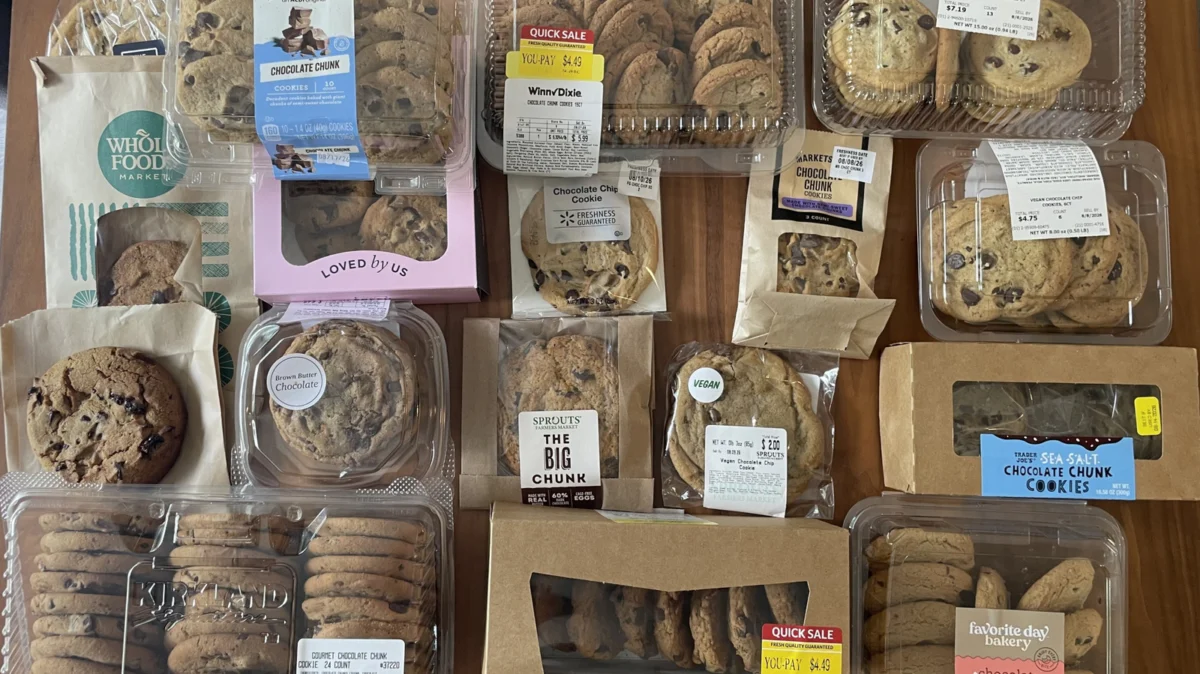
In an effort to separate the culinary triumphs from the mass-produced disappointments, I conducted an exhaustive review of the chocolate chip cookie offerings at 10 major grocery store bakeries. From the budget-conscious aisles of national retailers to the curated shelves of high-end specialty markets, this investigation explores the landscape of the store-bought cookie.
The Methodology: Establishing the Standard
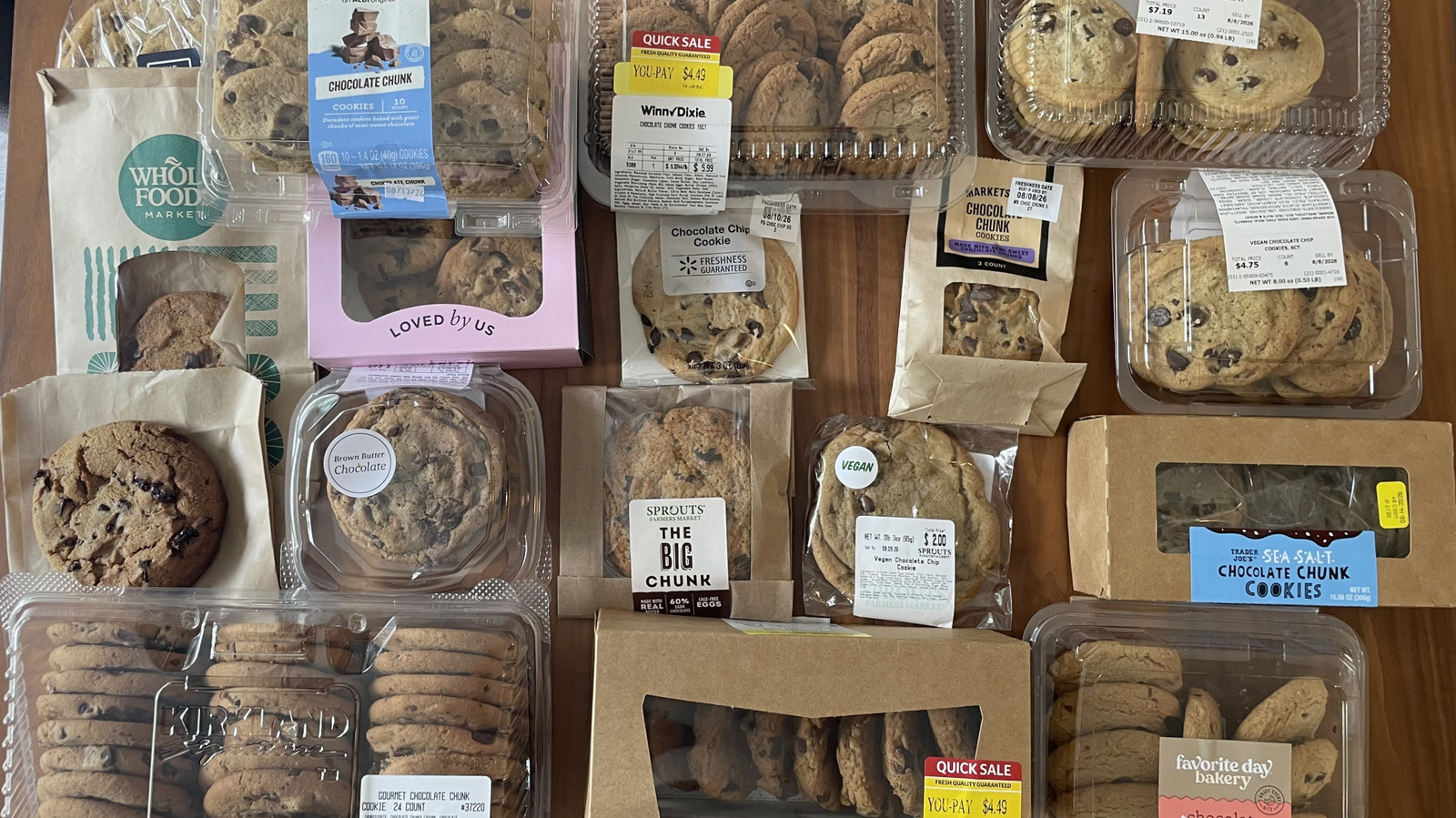
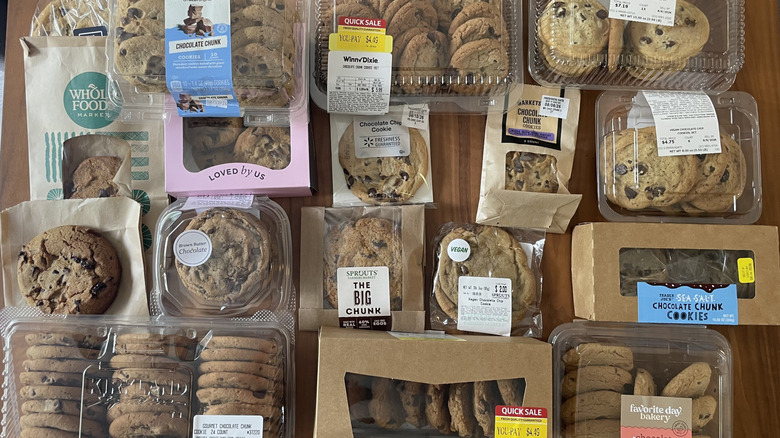
To maintain objectivity, the selection criteria were rigorous. I visited 10 prominent grocery chains, procuring both standard and premium "bakery-style" chocolate chip cookies. Where multiple varieties were available—such as vegan options or artisanal lines—I sampled them to ensure a comprehensive overview of each brand’s capabilities.
The evaluation process utilized a multi-sensory approach. First, I analyzed the visual presentation: the golden hue of the crust, the distribution of chocolate, and the overall structural integrity. Next, I assessed the texture—seeking a balance between crispy edges and chewy centers—while carefully avoiding entries that veered into the territory of artificial, "Play-Doh" softness or arid, chalky dryness. Finally, I weighed the flavor profiles, penalizing excessive bitterness and rewarding the harmonious interplay between salt, vanilla, and high-quality chocolate. Price point was also a critical factor; high-cost items were held to a commensurately higher standard of quality.
Ranking the Results: From Bottom to Top
10. Walmart
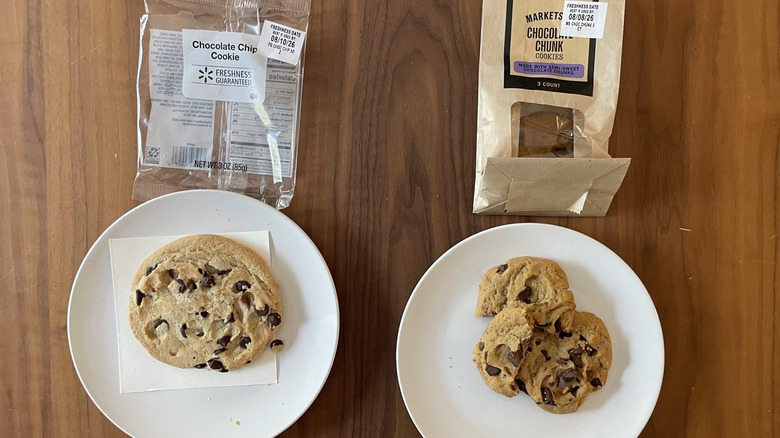
Walmart’s bakery section offers a bifurcation of quality: the budget-friendly "Freshness Guaranteed" line and the slightly more premium "Marketside" brand. Surprisingly, the premium moniker did not translate to success. The Marketside cookies relied on dark chocolate that, rather than providing sophistication, acted as a blunt instrument, overpowering the subtle notes of the dough. Both lines suffered from a pervasive, unnatural softness that felt more industrial than artisanal, leaving the palate feeling numb rather than satisfied.
9. Target
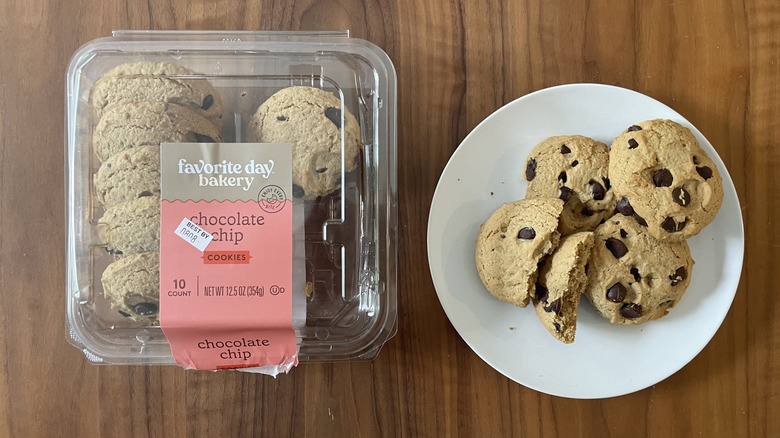
Target’s "Favorite Day" brand has seen significant success in other bakery categories, but their chocolate chip cookie misses the mark. The cookies exhibited a suspicious yellow hue and a craggy, dry surface reminiscent of experimental gluten-free baking. The flavor profile was an artificial interpretation of the classic Tollhouse recipe, marred by a chemical aftertaste. It is a cookie that demands a glass of milk simply to make it palatable.
8. Sprouts
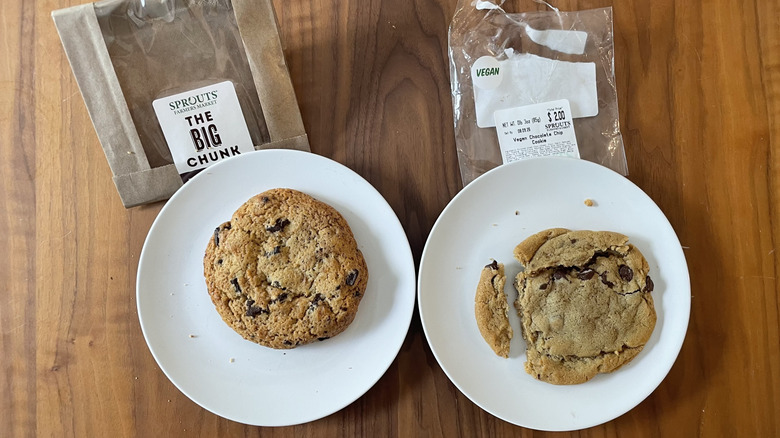
Given Sprouts’ recent high marks in other bakery evaluations, expectations were high. Unfortunately, both the vegan and "Big Chunk" varieties failed to impress. The vegan option was undermined by a distinct, unpleasant corn-like flavor derived from chickpea flour, while the Big Chunk cookie was far too dry. While the dark chocolate was of decent quality, it could not rescue a base that lacked sufficient moisture.
7. Publix
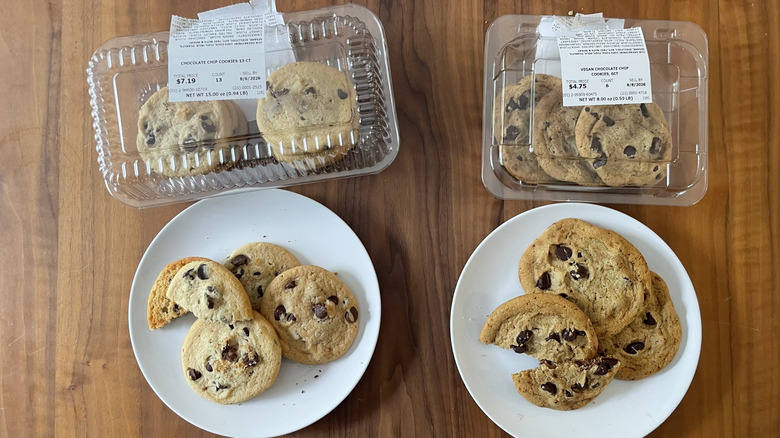
Publix is a beloved institution for its breads and cakes, but their chocolate chip cookies are an outlier in terms of mediocrity. The standard cookie is the definition of "mid"—a generic, uninspiring experience. Notably, their vegan cookie outperformed the traditional version, proving to be deeply golden and texturally superior. At $7.19 for a baker’s dozen, the price-to-quality ratio is difficult to justify.
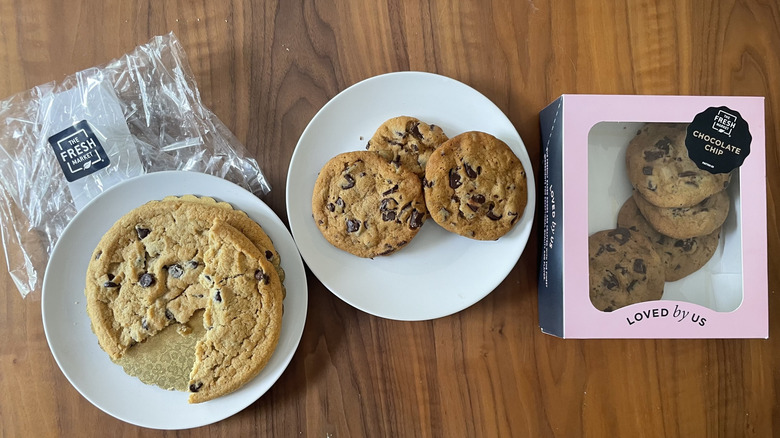
6. The Fresh Market
The Fresh Market offers an "expensive siren song" with its high-end bakery aesthetic. While the "Rich’s Giant Chocolate Chip Cookie" was a highlight—boasting the perfect crispy-to-chewy ratio—the standard cookies were underwhelming. With a price point of nearly $1 per cookie, the lack of balance between the bitter chocolate and the sweet dough felt like an unnecessary tax on the consumer.
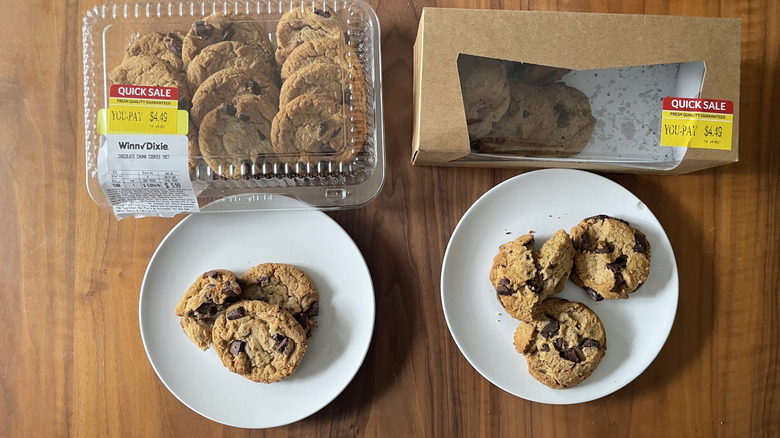
5. Winn-Dixie
Winn-Dixie has made significant strides in modernizing its bakery, and it shows. Their chocolate chip cookies provided a refreshing return to form, with a nice balance of caramel notes and sea salt. The "Gourmet" style was particularly successful, offering a "cakey" texture that felt homemade rather than mass-produced. While slightly dry, they remain one of the most reliable and affordable options on the market.
4. Aldi
Aldi proves that price and quality are not mutually exclusive. Their "Bake Shop" Chocolate Chunk Cookies are a masterclass in efficiency. They feature a soft, fresh-baked texture without the synthetic feel found at competitors. The base dough offers a graham-cracker-like richness that complements the chocolate perfectly. For the price, it is arguably the best value in the industry.
3. Whole Foods
Whole Foods brings a professional-grade approach to its bakery. The "Brown Butter Chocolate Chunk" cookies are a standout, utilizing the nutty, complex flavor of brown butter to elevate the entire profile. The crispy shell and fudgy center are exactly what a premium cookie should be. While the standard cookie lacks the same brilliance, the brown butter variety is worth every penny.
2. Costco
Costco succeeds through sheer, unapologetic quality. Whether choosing the 24-pack of Kirkland Signature cookies or the jumbo, warm-from-the-oven option at the food court, the consumer is guaranteed a high-fat, high-flavor experience. The food court cookie, in particular, is a revelation, utilizing real butter to create a decadent, molten interior that justifies its reputation as a cult favorite.
1. Trader Joe’s
The undisputed champion is the Trader Joe’s Sea Salt Chocolate Chunk Cookie. It is the only cookie that managed to capture the aromatic essence of high-quality vanilla, a scent that hits the senses before the first bite. The texture is a flawless juxtaposition of crispy edges and a soft, yielding center. The addition of sea salt cuts through the sweetness, providing a nuanced finish that elevates the product above all others. It is the gold standard for grocery store bakeries.
Implications for the Modern Consumer
The wide variance in quality across these 10 retailers suggests that the grocery store bakery is undergoing a period of rapid evolution. Consumers are no longer satisfied with the generic, overly-sweet "drop" cookies of the past. There is a clear market demand for higher-quality fats, better-sourced chocolate, and a texture that mimics the artisanal craft of a local bakery.
The success of brands like Trader Joe’s and Costco underscores a crucial shift: shoppers are willing to pay for quality, but they are also increasingly savvy about identifying "premium" branding that fails to deliver on taste. Retailers that rely on "artificial softness" or overly-processed ingredients are finding themselves losing ground to those who prioritize traditional baking techniques—like the use of browned butter or high-quality sea salt.
Final Reflections
Ultimately, the search for the perfect store-bought cookie is a search for balance. It is a pursuit of that fleeting moment where the crispness of the exterior gives way to the chew of the center, and where the salt hits the sugar in perfect harmony. While the market remains saturated with options, the distinction between the top-tier and the bottom-tier is clearer than ever. As we look toward the future of supermarket bakeries, one thing remains certain: the standard has been raised, and the consumer is ready for the next batch.