In the high-stakes world of culinary arts, the scrambled egg is often viewed as the ultimate litmus test for a chef’s proficiency. It is a dish that relies not on complex seasoning or extravagant garnishes, but on the mastery of heat, fat, and protein structure. While home cooks often settle for dry, rubbery curds, the professional standard is defined by a creamy, custard-like consistency that coats the palate.
The latest secret weapon emerging from top-tier kitchens to achieve this elusive texture is not a technique taught in culinary school, but a humble French staple: Boursin cheese. By incorporating this soft, herb-infused cheese into the scrambling process, home cooks can replicate the luxury of a $20 bistro brunch with minimal effort.
Main Facts: The Science of the Creamy Curd
The secret to a superior scramble lies in the fat content and the way it interacts with egg proteins. When eggs are cooked, their proteins—which are tightly coiled in their raw state—begin to unfold and bond with one another. This process creates a structural network that traps moisture. If cooked too quickly or at too high a temperature, these bonds tighten aggressively, squeezing out the moisture and resulting in the tough, dry texture familiar to many breakfast plates.
Boursin, a brand of Gournay cheese, acts as both a flavor enhancer and a texturizer. Because it is a soft, spreadable cheese with a high fat content, it introduces a velvety emulsion to the eggs. As the cheese melts, it provides a stable fat source that coats the protein strands, preventing them from bonding too tightly. Furthermore, because Boursin is pre-seasoned with garlic, fine herbs, and sea salt, it eliminates the guesswork often associated with seasoning delicate egg dishes.
Chronology: The Evolution of the Scramble
The history of the scrambled egg is as old as the domestication of poultry, but the "creamy" style is a relatively modern evolution.
- Pre-20th Century: Scrambled eggs were historically cooked until firm, often served as a hearty, utilitarian meal for laborers.
- The Mid-20th Century: French culinary influence began to permeate global kitchens, introducing the concept of oeufs brouillés—eggs cooked slowly in a bain-marie (water bath) until they resembled a thick, savory sauce.
- The Late 20th Century: The rise of convenience foods saw the introduction of Boursin, created by François Boursin in 1957. While originally intended as a standalone appetizer, home cooks began experimenting with it as a "hack" for pasta sauces and mashed potatoes.
- The Modern Era: With the rise of social media food culture and the "brunch economy," home cooks have increasingly sought methods to replicate high-end cafe aesthetics. The marriage of the French-style soft scramble and the rich, pre-seasoned Boursin has become a cornerstone of this movement, trending across digital platforms as a "game-changer" for weekday breakfasts.
Supporting Data: Why Boursin Works
The efficacy of Boursin in eggs is supported by basic food chemistry. Culinary experts often point to the "dilution effect." By adding a high-fat, high-moisture component like Boursin during the final stages of cooking, the cook effectively lowers the coagulation temperature of the egg proteins.
Additionally, the aromatic profile of the cheese—typically a blend of garlic, chives, and parsley—complements the sulfurous notes of the egg without overpowering them. When compared to adding cold milk or cream (which can sometimes thin the eggs out too much and result in a watery finish), Boursin provides a "bound" fat that maintains a luxurious, thick mouthfeel.
The Technique: A Step-by-Step Methodology
Achieving this level of quality requires a shift in mindset: move away from high heat and toward gentle, attentive manipulation.
Equipment Essentials
To execute this properly, you must use the right tools. A nonstick skillet is non-negotiable; it ensures the eggs don’t bond to the metal surface. Furthermore, the use of a silicone spatula is critical. Unlike a wooden spoon or metal turner, a flexible silicone edge allows the cook to scrape the sides and bottom of the pan completely, ensuring uniform cooking and preventing the formation of "crusty" bits.
The Cooking Process
- Preparation: Whisk your eggs thoroughly in a bowl until the yolks and whites are completely homogenous. Do not add salt yet, as salt can draw moisture out of the eggs before they hit the pan.
- The Base: Melt a knob of unsalted butter in the skillet over medium-low heat. Once the butter begins to foam but before it browns, add the eggs.
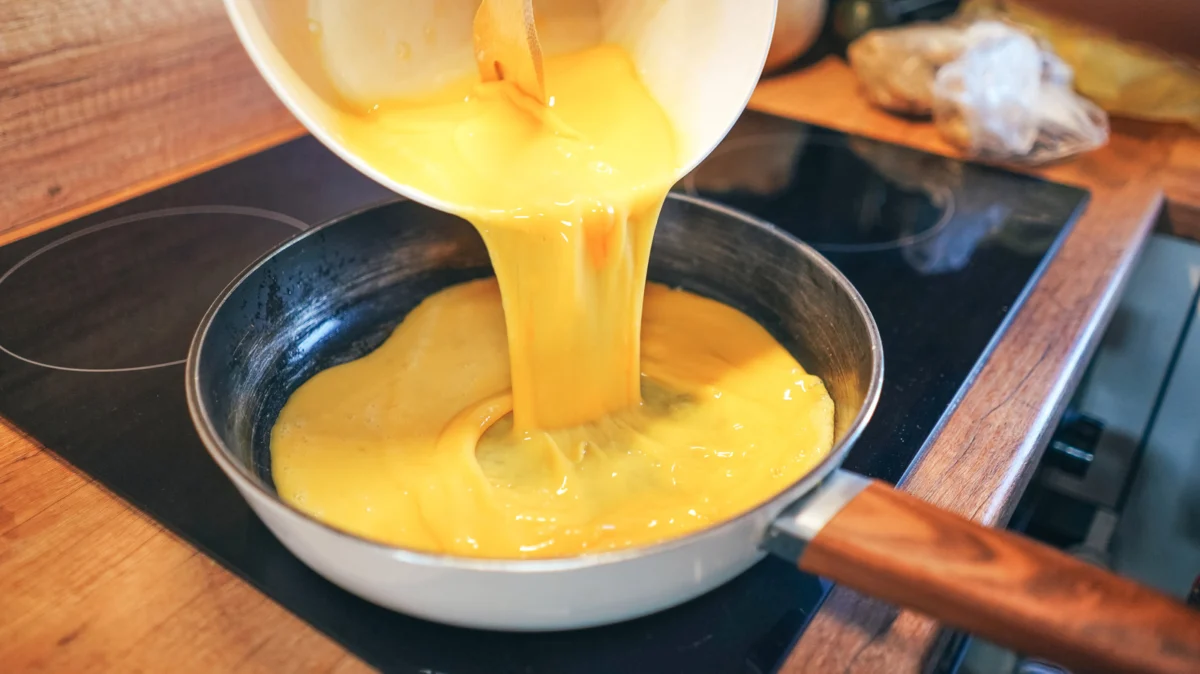
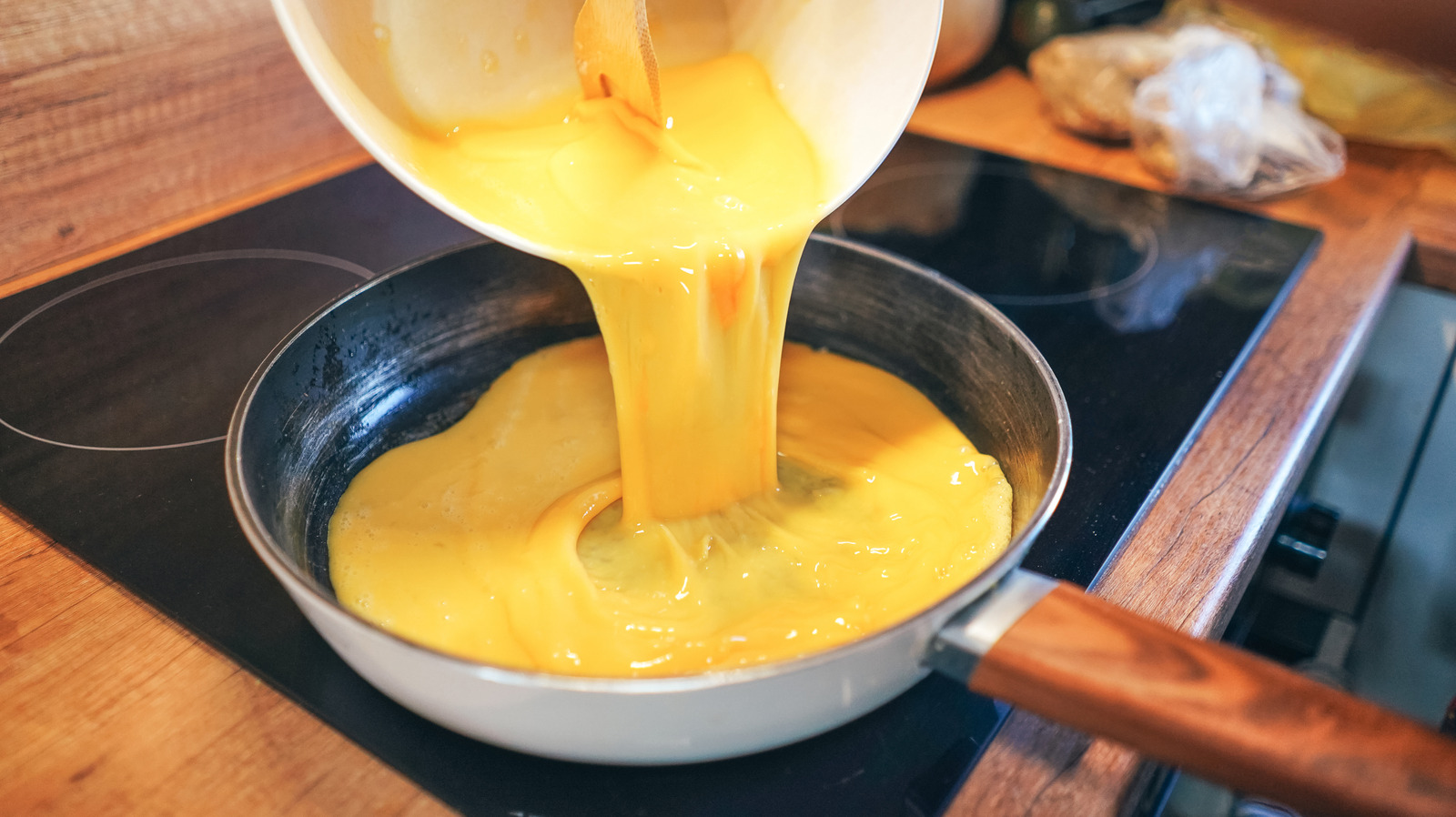
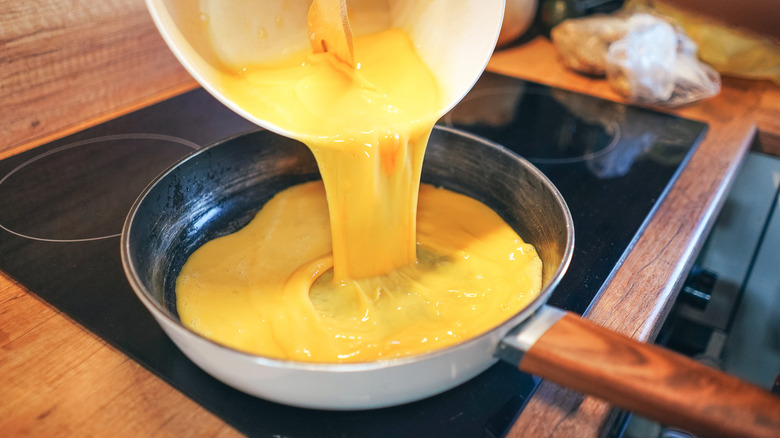
- The Gentle Heat: Keep the pan moving and use your spatula to constantly stir the eggs. The goal is to create small, soft curds.
- The Incorporation: When the eggs are about 75% set—still slightly "wet" and loose—add a generous tablespoon of Boursin. Break it into small chunks so it distributes evenly.
- The Finish: Remove the pan from the heat while the eggs are still slightly underdone. The residual heat in the eggs and the pan will carry them to the perfect consistency by the time they reach the plate.
Official Perspectives and Expert Advice
While there is no formal "regulatory body" for scrambled eggs, culinary experts generally agree on the importance of residual heat. Professional chefs often cite the "carry-over cooking" principle as the most common failure point for home cooks. If you take the eggs off the heat when they look perfect, they will be overcooked by the time you sit down to eat.
Industry experts also note that the "Boursin method" is highly scalable. While it is excellent for a single-serving breakfast, it is equally effective for a brunch gathering. By preparing the eggs in a large, heavy-bottomed pan and folding in the cheese just before serving, a host can produce a high-volume, high-quality dish that feels like a deliberate culinary choice rather than a last-minute scramble.
Implications for the Home Kitchen
The adoption of professional-grade hacks like this signals a broader shift in consumer behavior. With the cost of dining out rising, the "home brunch" is becoming a primary venue for creative cooking. The use of Boursin in eggs is more than just a recipe; it represents the democratization of fine dining techniques.
By leveraging products that are already seasoned and texturally consistent, home cooks are bypassing years of technical training to achieve high-end results. This trend encourages a more experimental approach to cooking, where pre-packaged, high-quality ingredients are used as building blocks for elevated meals.
Ultimately, the goal of this method is to reclaim the morning routine. By turning a five-minute task into a moment of culinary precision, the act of making breakfast shifts from a chore to a ritual. When served on a slice of toasted, crusty sourdough with a sprinkle of fresh chives, the Boursin-enriched egg is a reminder that luxury is often found in the simplest of ingredients, provided they are treated with patience and care.
Whether you are a novice looking to improve your kitchen repertoire or a seasoned cook looking for a consistent, high-impact breakfast dish, the addition of Boursin is a reliable, flavorful, and sophisticated upgrade that elevates the humble egg to an art form.