The landscape of American media stands at a precarious crossroads as a coalition of state attorneys general, led by California’s Rob Bonta, nears a potential settlement that could fundamentally reshape the industry. At the center of this controversy is the proposed $111 billion acquisition of Warner Bros. Discovery by the newly formed Paramount Skydance entity, a deal that has ignited a firestorm of opposition from labor activists, high-profile Hollywood talent, and prominent federal legislators.
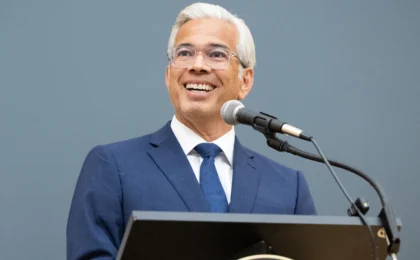
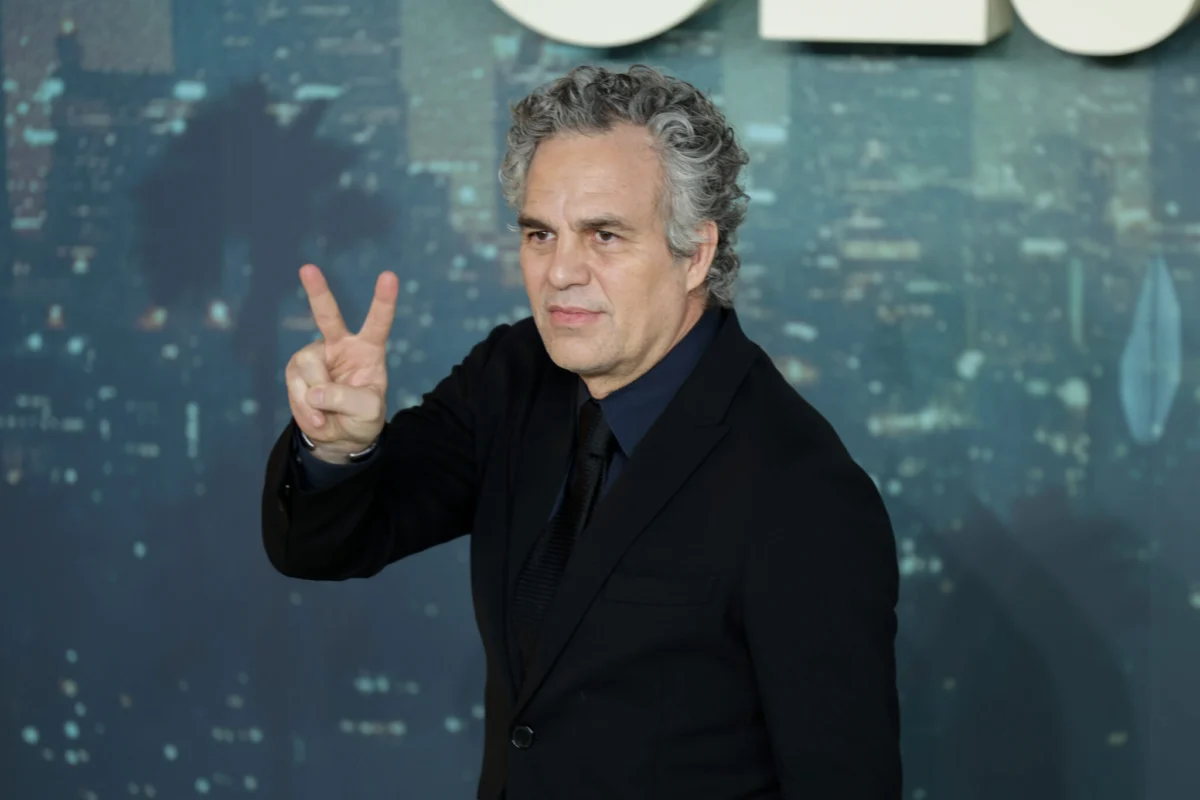
As rumors of an impending settlement between Bonta’s office and the merging media giants swirl, the pushback has reached a fever pitch. Oscar-nominated actor and outspoken activist Mark Ruffalo has emerged as the public face of this resistance, leveraging his massive social media platform to urge officials to reject a compromise he views as a betrayal of the public trust and the creative workforce.
The Heart of the Conflict: A Corporate Colossus
The merger between Paramount Skydance and Warner Bros. Discovery is not merely a business transaction; it represents one of the largest consolidations of media power in the modern era. While the U.S. Department of Justice (DOJ) granted approval for the deal in June, the path forward was blocked by a formidable antitrust lawsuit filed by a coalition of 12 state attorneys general.
The plaintiffs argue that the concentration of such vast media assets—spanning film studios, television networks, and global distribution platforms—under the singular control of David Ellison’s Skydance enterprise creates an insurmountable barrier to entry for smaller competitors and threatens the diversity of information available to the public.
The crux of the current tension lies in reports that the California Attorney General’s office, which has been a primary driver of the antitrust litigation, is now in "advanced talks" to settle the suit. For critics, a settlement implies that the state is willing to accept superficial concessions—often dubbed "remedies"—in exchange for allowing the core of the merger to proceed, a move that opponents argue will inevitably lead to massive layoffs and a homogenized media landscape.
A Chronology of the Resistance
To understand the urgency of the current moment, one must look at the rapid escalation of this struggle over the past several months:
- June 2026: The Department of Justice unexpectedly clears the $111 billion merger, providing the green light for the deal to proceed, provided specific divestiture requirements are met.
- July 2026: A bipartisan coalition of 12 state attorneys general, led by California’s Rob Bonta, files an antitrust suit, citing concerns over market dominance and the potential for anti-competitive behavior in the film and streaming sectors.
- August 2026: Labor unions and industry groups, including the Writers Guild and various filmmaker collectives, begin a coordinated effort to lobby the AGs to stay the course.
- September 2026: Mark Ruffalo publicly confronts the corporate narrative, leading to a heated public exchange with Paramount representatives regarding his critiques of the Ellison family’s geopolitical entanglements.
- October 2026: Reports emerge in The Wall Street Journal confirming that Bonta and Paramount Skydance are actively negotiating a settlement, prompting an immediate outcry from activists and Democratic leadership.
The Voice of the Collective: Mark Ruffalo’s Rallying Cry
Mark Ruffalo has utilized his influence to transform a niche antitrust legal battle into a mainstream cultural issue. In a pointed message directed at Rob Bonta via the social media platform X, Ruffalo did not mince words, urging the Attorney General to hold the line.
"Don’t you dare, Rob Bonta, do not cave," Ruffalo wrote. "5,670 filmmakers put their necks on the line for you to fight this merger. Another 75,000+ and counting have signed to tell you not to concede in just three weeks. You work for the people—the very people who will be hurt if you let this lousy deal filled with empty promises go forward."
Ruffalo’s involvement has turned the merger into a referendum on the power of corporate giants over the creative community. His activism has made him a target; recently, a Paramount representative characterized his vocal opposition—specifically his questioning of the Ellisons’ international business connections—as "antisemitic," a charge that Ruffalo and his supporters vehemently deny, labeling it a diversionary tactic to silence legitimate scrutiny of the merger’s financial and political implications.
Legislative Oversight: Elizabeth Warren and the "Dangerous Merger"
The opposition to the deal is not limited to Hollywood. Senator Elizabeth Warren (D-Mass.), a longtime champion of antitrust reform and consumer protection, has framed the merger within the broader context of American democracy.
Drawing a sharp parallel to current political tensions, Warren noted the irony of allowing further media consolidation while the White House, under President Donald Trump, has moved to restrict access for major news outlets like CNN, MSNBC, and Politico.
"As Trump tries to ban CNN from the White House, it would be a massive mistake to cave on the Paramount merger," Warren wrote on Facebook. "The last thing we need is another Trump-controlled media conglomerate abusing its power to stomp out competition. This is a dangerous merger."
Warren’s intervention highlights a growing concern in Washington: that the consolidation of media ownership makes it significantly easier for both private corporations and political actors to control the flow of information. By creating a media monolith, the government and corporate interests risk stifling the "marketplace of ideas" that is essential to a functioning republic.
Supporting Data and Economic Implications
The economic arguments against the merger are multifaceted. Antitrust experts point to the history of "remedy-based" settlements, noting that they rarely prevent the long-term harms of consolidation.
- Labor Displacement: Industry analysts estimate that a merger of this scale will inevitably lead to a reduction in workforce as redundant departments are gutted. The "synergies" promised to shareholders are, in practice, usually mass layoffs.
- Market Concentration: If the deal goes through, the combined entity would control a staggering percentage of global film production and distribution. Critics argue this allows the company to squeeze theater owners, dictate terms to streaming competitors, and suppress the wages of creative professionals.
- Consumer Choice: With fewer companies owning more content, the diversity of stories being told—and the platforms through which they are accessed—shrinks. The concern is that the profit-maximizing motives of a singular, massive entity will prioritize high-yield blockbusters over independent and experimental art.
Official Responses and the Path to Settlement
Paramount Skydance has maintained that the merger is a necessary evolution in an era of rapid technological change. They argue that to compete with global tech giants like Apple, Amazon, and Netflix, traditional studios must consolidate to achieve the scale necessary for survival.
"We are committed to delivering premium content while ensuring that our operations remain sustainable and competitive," a spokesperson for the merger transition team stated. They have consistently framed the deal as a boon for consumers, promising a more efficient distribution network and enhanced content libraries.
However, the "advanced talks" between the coalition of AGs and the companies suggest that the defendants are willing to make concessions to get the deal over the finish line. These concessions might include divestitures of specific television stations or promises to keep certain departments intact for a set number of years. Yet, for critics like Ruffalo, these are "empty promises"—temporary measures that do not address the fundamental danger of a company that is simply "too big to fail" or "too big to be held accountable."
Implications for the Future
The decision facing Rob Bonta and his fellow attorneys general is historic. Should they choose to settle, they effectively validate a model of media consolidation that many fear will define the 21st-century information landscape. If they refuse to back down, they set a precedent that antitrust laws are still a viable tool for protecting the public interest against the encroaching tide of corporate oligopoly.
The sheer volume of public outcry—evidenced by the 75,000+ signatures gathered in just three weeks—suggests that the public is becoming increasingly aware of the dangers of media consolidation. Whether this grassroots energy can outweigh the immense lobbying power and financial resources of Paramount and Skydance remains to be seen.
As the legal drama unfolds, the outcome will serve as a bellwether for the future of the American entertainment industry. If the merger is allowed to proceed, the result will likely be a more consolidated, risk-averse, and less democratic media environment. If the lawsuit succeeds, it could revitalize the movement to break up monopolies and return power to the creators and the consumers who sustain the industry.
For now, the eyes of Hollywood and Washington remain fixed on the Attorney General’s office, waiting to see if the pressure from the streets will be enough to stop a deal that many believe will fundamentally alter the fabric of American culture. The message from the opposition is clear: the people do not want it, and they are holding their leaders accountable to ensure it does not happen.