By Editorial Staff
Issued: June 13, 2026
The atmosphere across North America reached a fever pitch on the second day of the 2026 FIFA World Cup, as two of the tournament’s co-hosts—Canada and the United States—took to the pitch to commence their respective campaigns. In a day defined by contrasting tactical displays but shared national fervor, the North American contingent signaled that they are not merely content with hosting duties; they are determined to be protagonists in their own backyard.
From the resilient defensive display in Toronto to the high-octane offensive explosion in Los Angeles, the narrative of the tournament is shifting. As the dust settles on these opening fixtures, the implications for the group stages are becoming clear, setting the tone for what promises to be a historic month of football.
The Main Facts: A Tale of Two Performances
The sporting narrative of June 13 was polarized by the differing fortunes of the North American hosts. In Group C, Canada faced a stern test against a technically gifted Bosnia and Herzegovina side. The match, characterized by tactical attrition, ended in a 1-1 draw. While Canada failed to secure all three points, the result represents a significant milestone: the first-ever point earned by the Canadian men’s national team in a FIFA World Cup final tournament.
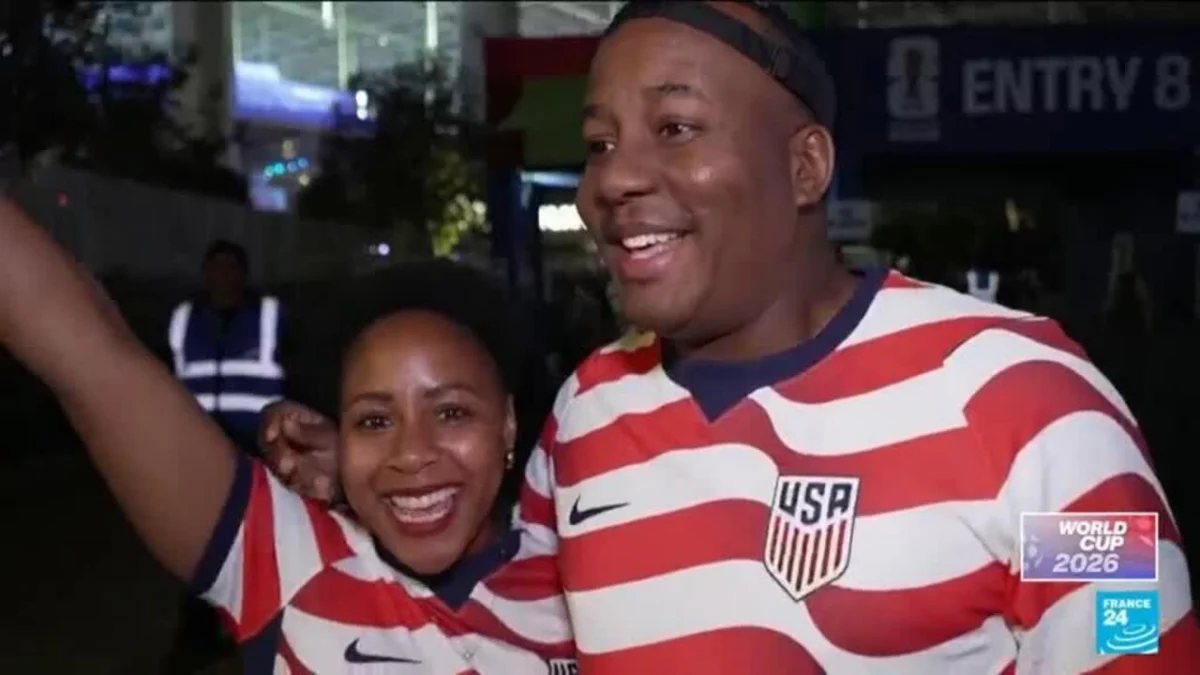
In contrast, the United States men’s national team (USMNT) delivered a statement performance in their Group D opener. Facing Paraguay, the Americans displayed an attacking fluidity that had been conspicuously absent during their 2022 campaign in Qatar. A resounding 4-1 victory, witnessed by a capacity crowd, propelled the U.S. to the top of their group, immediately establishing them as the team to beat in the opening phase.
Chronology of Play: How the Matches Unfolded
Canada’s Historic Grinding Draw
The day began at BMO Field in Toronto, where the weight of expectation hung heavy on the Canadian squad. From the opening whistle, Bosnia and Herzegovina dictated the tempo, utilizing their midfield experience to frustrate Canada’s transition play.
- The Breakthrough: Bosnia drew first blood in the 32nd minute. A precision-weighted cross found the head of their veteran striker, who expertly steered the ball into the bottom corner, silencing the partisan crowd.
- The Tactical Adjustment: At halftime, the Canadian coaching staff shifted from a cautious 4-5-1 to a more aggressive 4-3-3. The impact was immediate, with increased pressure forcing errors from the Bosnian defense.
- The Equalizer: In the 68th minute, a surging run from the Canadian left-back resulted in a scramble in the six-yard box. The ball fell kindly for the Canadian forward, who tapped home to level the score.
- The Final Minutes: The remainder of the match saw a frantic end-to-end battle. Despite a late surge, Canada could not find the winner, settling for a 1-1 draw that felt like a win for the tournament debutants.
The American Offensive Explosion
If Toronto was a test of grit, Los Angeles was a masterclass in attacking football. The U.S. squad entered the match with the ghosts of Qatar 2022—where they struggled to find the back of the net—looming over them. Those ghosts were summarily exorcised within the first 90 minutes of play.
- Early Dominance: The U.S. opened the scoring in the 12th minute, a clinical finish following a quick counter-attack. The energy in the stadium was palpable as the hosts maintained a relentless press.
- The Avalanche: By the 30th minute, the U.S. had doubled their lead. Paraguay managed to claw one back just before the half, but the American response was immediate, scoring a third goal just minutes after the restart.
- Sealing the Deal: A fourth goal in the 78th minute sealed the 4-1 victory. This performance marked a turning point; the team displayed a level of clinical finishing that suggests they are no longer just a defensive-minded outfit, but a potent threat in the final third.
Supporting Data: By the Numbers
The disparity in the U.S. performance compared to their previous tournament showing is best illustrated through statistical analysis.
| Metric | Qatar 2022 (Tournament Total) | June 13 vs. Paraguay |
|---|---|---|
| Goals Scored | 3 | 4 |
| Shots on Target | 11 | 9 |
| Expected Goals (xG) | 2.4 | 3.1 |
| Possession | 48% | 54% |
The data confirms a significant shift in tactical philosophy. Under the current regime, the U.S. is prioritizing verticality and rapid transitions, a stark departure from the possession-heavy, often stagnant approach of 2022. For Canada, the statistics highlight a defensive fortitude; they limited their opponents to only three shots on target throughout the entire 90 minutes, a sign that their backline is ready for the rigors of international competition.

Official Responses and Post-Match Analysis
Following the final whistle, the mood in both camps was one of cautious optimism and reflection.
The Canadian Perspective:
"We earned our point today," said the Canadian head coach during the post-match press conference. "Playing against a side like Bosnia, you have to be disciplined. We showed that we belong on this stage. This point is a foundation for us as we look toward the next two matches."
The U.S. Perspective:
The mood in the American camp was jubilant but disciplined. "We talked about efficiency before the game," the U.S. manager noted. "In 2022, we created chances but couldn’t convert. Today, we saw the culmination of months of work on the training ground. To score four goals in a World Cup opener is a credit to the players’ hunger."
Implications for the Group Stages
The outcomes of these two matches have profound implications for the remainder of the group stage.
Group C Dynamics
With the 1-1 draw, Group C remains wide open. The result forces Canada to view their next fixture as a "must-win" if they are to guarantee a spot in the knockout rounds. Conversely, the draw allows them to stay in control of their own destiny, avoiding the pressure of chasing goal difference early on.
The "New" Group D Hierarchy
The 4-1 victory for the United States has sent a message to the rest of Group D. By establishing a superior goal difference, the U.S. has effectively handed the pressure to their opponents, who must now chase the Americans rather than playing for a draw. The U.S. currently sits at the top of the table, and with the momentum of a capacity home crowd, they are now the favorites to secure the top seed in their group.
Looking Ahead: The Road to the Knockouts
As the tournament moves into its third day, the narrative of the 2026 World Cup is rapidly crystallizing. The hosts have proven that the unique logistical challenges of a tri-nation tournament (USA, Canada, Mexico) have not hindered their ability to prepare mentally or physically.
The success of the opening fixtures highlights the growing appetite for football in North America. With record-breaking attendance figures and high television viewership, the tournament is already delivering on the promise of bringing the world’s game to new heights. For the U.S. and Canada, the focus now shifts to recovery and scouting. The games get harder from here, but as of today, the North American hosts have successfully navigated the first hurdle of the most anticipated tournament in recent sporting history.
As the sun sets on a historic June 13th, the message to the rest of the football world is clear: The hosts are ready, they are hungry, and they have the talent to make this tournament their own.