For decades, the peanut butter aisle has been dominated by a familiar duopoly: the sweet, uniform creaminess of Jif and the natural, wholesome appeal of brands like Justin’s. While these industry giants have successfully cemented their status as household names, a quiet revolution is bubbling up from the shelves of niche retailers and digital marketplaces. Emerging as the unexpected victor in recent taste tests and consumer sentiment analysis is Cocomo’s Coconut Creamy Peanut Butter—a spread that is challenging the status quo and proving that the world of nut butters is far more expansive than we once thought.
Main Facts: A Tropical Twist on a Classic
At its core, Cocomo’s Coconut Creamy Peanut Butter represents a departure from traditional flavored nut spreads. While many commercial flavored butters rely on artificial sweeteners or overpowering additives, Cocomo leans into a trifecta of coconut-based ingredients: coconut syrup, coconut cream, and pure coconut oil.
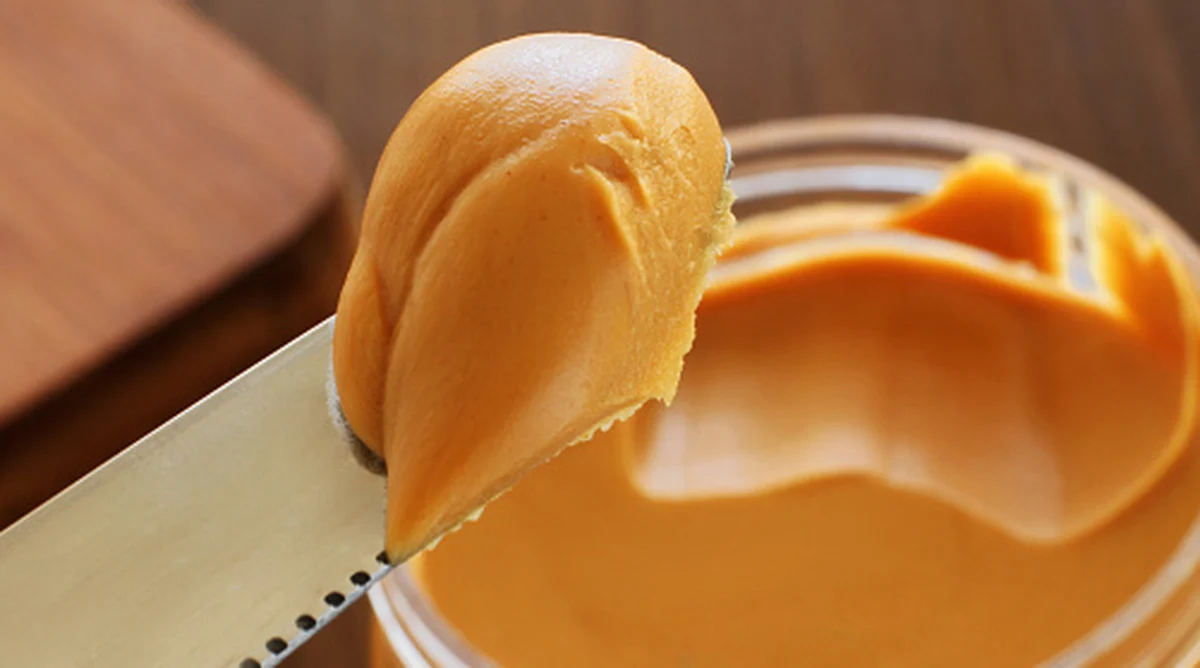
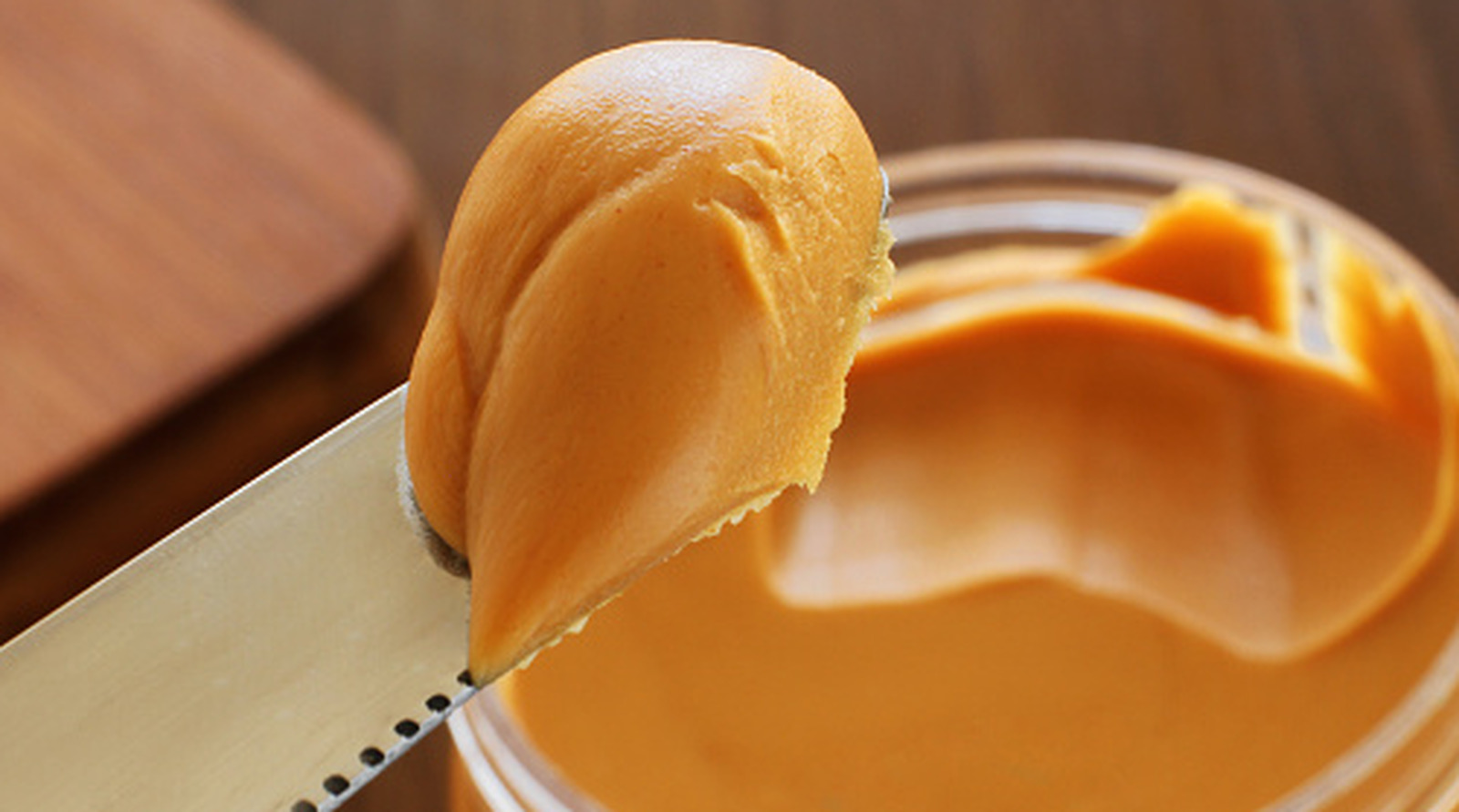
When paired with high-quality, roasted peanuts, the result is a sophisticated flavor profile that avoids the cloying sweetness often found in chocolate or honey-infused competitors. It is not merely a "peanut butter with a hint of coconut"; it is a culinary hybrid designed for versatility. The product’s signature characteristic—its notably runny consistency—was initially a point of contention for some, but it has since been embraced by food enthusiasts as its greatest asset. Unlike thicker, hydrogenated spreads that require significant effort to spread across delicate surfaces, Cocomo’s consistency makes it an ideal "drizzle-first" condiment.
Chronology of the Rise
The trajectory of Cocomo’s popularity follows a classic modern success story, moving from social media buzz to mainstream distribution.
- Initial Market Entry: Cocomo introduced its signature coconut-infused blend to target health-conscious consumers looking for "clean label" products that didn’t sacrifice flavor.
- The "Drizzle" Trend: As TikTok and Instagram food influencers began highlighting the importance of aesthetic breakfast bowls—acai, chia, and smoothie bowls—Cocomo’s runny texture became an accidental "it" ingredient. Its ability to pour gracefully over cold toppings without clumping made it a viral sensation among food stylists.
- The Comparative Analysis: Within the last 12 months, major culinary publications, including Tasting Table, began conducting blind taste tests comparing industry staples against these emerging brands.
- Consumer Validation: As of late 2023 and early 2024, online sentiment analysis across platforms like Amazon and Target reflected a significant pivot. While Jif and Justin’s retained their market share for traditional sandwiches, Cocomo began winning in the "gourmet/lifestyle" segment, with users consistently rating the flavor profile as superior for non-traditional uses.
Supporting Data: Why the Palate Prefers Cocomo
The argument for Cocomo often comes down to sensory experience. In blind testing, the "tropical" notes provided by the coconut components create a savory-sweet balance that lingers longer than the one-dimensional sweetness of honey or maple-infused alternatives.
Texture and Usability Metrics
The "runniness" of the product, often cited as a metric for quality in natural nut butters, serves as a proxy for the lack of fillers. Most mass-market peanut butters use stabilizers to maintain a rigid structure. Cocomo’s refusal to do so—opting instead for a natural oil separation—appeals to the "whole foods" demographic. Data from user reviews indicates that while 15% of first-time buyers are initially surprised by the texture, over 80% of those same users report that the flavor profile compensates for the lack of thickness.
Nutritional Versatility
Unlike traditional spreads, which are often relegated to bread, the data shows that Cocomo is frequently used as a base for:
- Breakfast Bowls: Drizzled over yogurt or overnight oats.
- Dessert Toppings: Used as a decadent glaze for vanilla ice cream or dark chocolate bark.
- Savory Applications: Used in Asian-inspired dressings or as a dip for fresh fruit like apples and dates.
Official Responses and Consumer Community Insights
The brand’s rise has been bolstered by a highly engaged community of "super-users." Rather than relying on traditional marketing, the brand has benefited from user-generated content that offers practical, "life-hack" style advice.
One of the most notable community-driven insights involves the temperature control of the product. Recognizing that the product’s signature drizzle consistency can be inconvenient for those who prefer a traditional, thick sandwich spread, the community self-organized a solution: refrigeration. Storing the jar in the fridge effectively solidifies the coconut oil, creating a firm, spreadable butter that rivals the thickness of traditional brands. This "hack" has been widely shared, effectively neutralizing the only significant barrier to entry for the average consumer.
Furthermore, reviewers on retail platforms have repeatedly noted the "addictive" nature of the product. The term "tropical island flavor" appears with striking frequency, suggesting that the coconut infusion provides a sensory transportive quality that processed honey or chocolate butters fail to replicate.
Implications for the Industry: A Shift in Preference?
The success of Cocomo signals a larger, systemic shift in the nut butter category. For years, the industry operated under the assumption that peanut butter was a static, utilitarian staple. The rise of Cocomo suggests that consumers are no longer looking for "just" peanut butter; they are looking for a multi-purpose ingredient that fits into a modern, health-conscious lifestyle.
The Challenge to Giants
Jif and Justin’s are not going anywhere; their manufacturing scale and price points ensure they remain the bedrock of the average pantry. However, the success of a niche product like Cocomo forces these giants to reconsider their innovation pipelines. If consumers are willing to pay a premium for a product that adds a "gourmet" or "tropical" element to their daily routine, we can expect to see major brands experimenting with bolder, more complex flavor profiles in the coming years.
The Future of "Clean" Innovation
The "runny vs. thick" debate also highlights a growing consumer awareness regarding ingredients. By moving away from hydrogenated oils and stabilizers, Cocomo has set a new standard for what a premium nut butter should look like. The implication is that transparency and simplicity are now high-value commodities. As the market continues to evolve, the "best" peanut butter will no longer be judged simply by its salt-to-sugar ratio, but by its ability to function as a versatile, flavorful, and clean addition to the modern diet.
Conclusion: The Verdict
Is Cocomo’s Coconut Creamy Peanut Butter the new gold standard? For those who view peanut butter as an ingredient rather than just a sandwich filler, the answer is a resounding yes. It has successfully bridged the gap between a pantry necessity and a culinary indulgence. Whether you are a fan of the "drip" over your morning acai bowl or you prefer to firm it up in the fridge for a classic peanut butter and jelly sandwich, Cocomo has proven that there is still plenty of room for innovation in a category that many thought had already reached its peak.
While the classics will always have a place in our homes, it is time to clear a little space on the shelf. The next time you find yourself at the grocery store, perhaps it is time to put down the familiar blue or green label and reach for something that promises a taste of the tropics. Your morning routine, and your taste buds, will likely thank you.