Introduction: A New Frontier in Digestive Health
For millions of people worldwide, Inflammatory Bowel Disease (IBD)—a category encompassing Crohn’s disease and ulcerative colitis—is more than a clinical diagnosis; it is a relentless, life-altering struggle. Characterized by chronic inflammation and the progressive degradation of the intestinal lining, these conditions leave patients vulnerable to severe pain, systemic illness, and long-term complications.
For decades, the standard medical approach to managing IBD has focused primarily on systemic immunosuppression. While effective at dampening the body’s overactive inflammatory response, these treatments often leave patients susceptible to infections and other side effects. However, a groundbreaking study from the University of Louisville offers a paradigm shift. Researchers have identified how a naturally occurring metabolite, produced by gut bacteria after the consumption of certain foods, can fortify the intestinal barrier and actively repair tissue damage. By leveraging the body’s innate protective pathways, this discovery opens the door to a new era of precision medicine for gastrointestinal health.
The Anatomy of the Problem: Why the Gut Barrier Matters
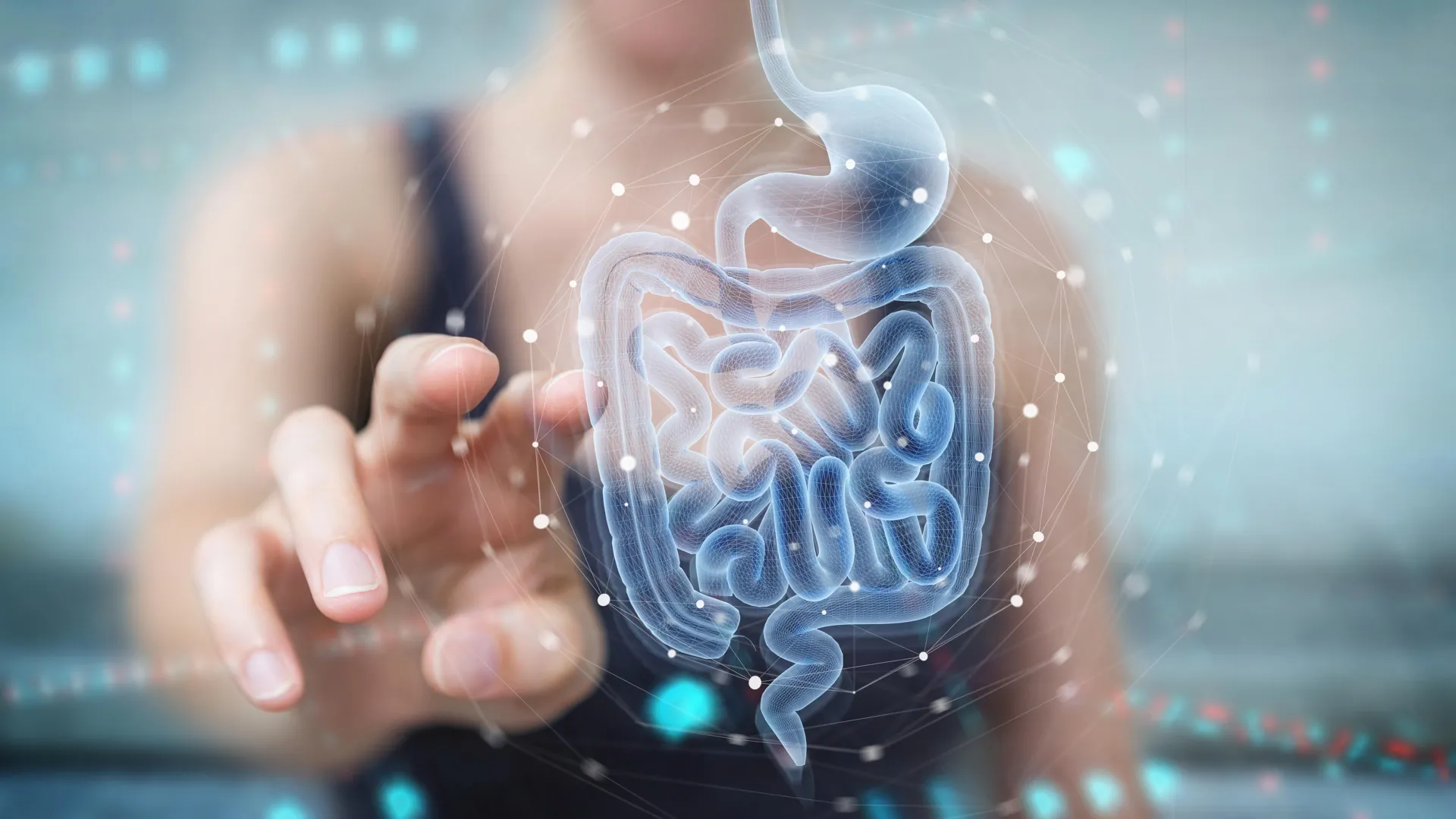
To understand the significance of this research, one must first understand the "leaky gut" phenomenon. The intestinal epithelium is a sophisticated, single-layer barrier tasked with a Herculean job: it must permit the absorption of vital nutrients from our food while simultaneously acting as an impenetrable fortress against the trillions of bacteria residing in the gut microbiome.
In healthy individuals, this barrier functions with seamless efficiency. In those with IBD, however, the barrier integrity is compromised. When the junctions between epithelial cells weaken, the gut becomes "leaky," allowing bacterial products and pathogens to breach the intestinal wall. This triggers a massive, systemic immune response, leading to the chronic inflammation that defines Crohn’s and ulcerative colitis. Until now, the clinical focus has been on "putting out the fire" of inflammation after it has already started. The UofL research, published in the journal Nature Communications, suggests we may be able to stop the fire before it spreads by reinforcing the wall itself.
Chronology of Discovery: From Diet to Molecular Mechanism
The research, led by Venkatakrishna Rao Jala, an associate professor in the Department of Microbiology and Immunology at UofL’s Brown Cancer Center, is the culmination of years of dedicated inquiry into the symbiotic relationship between diet, microbes, and human physiology.
The Urolithin A Connection
The investigation centers on urolithin A (UroA), a metabolite produced when gut bacteria break down polyphenols found in pomegranates, walnuts, and various berries. In previous research, Dr. Jala and his team established that UroA held therapeutic promise for gut health. However, the precise mechanism—the "how" and "why"—remained elusive.
Deciphering the Aryl Hydrocarbon Receptor (AHR)
The team turned their attention to the aryl hydrocarbon receptor (AHR), a protein that acts as a sophisticated sensory organelle within cells. AHR is known to be a double-edged sword:
- The Toxic Response: When activated by certain environmental pollutants (such as dioxins), AHR can drive harmful inflammation and toxicity.
- The Beneficial Response: Conversely, when activated by certain dietary compounds, AHR has been shown to support gut health.
The scientific community had been perplexed by this dichotomy. Why would the same receptor produce such wildly different outcomes? The University of Louisville team hypothesized that the answer lay not in the receptor itself, but in the location and intensity of its activation.
Supporting Data: The NLRP6 Inflammasome Mechanism
The breakthrough came when the researchers observed how UroA interacts with intestinal epithelial cells. They discovered that UroA acts as a selective "key," unlocking the AHR specifically within these cells.
The Paradox of the Inflammasome
Once activated by UroA, the AHR triggers a specific cellular defense system: the NLRP6 inflammasome. In many medical contexts, "inflammasomes" are viewed as the villains of the immune system—large protein complexes that incite rapid, often damaging inflammatory responses.
However, the UofL study provides a nuanced counter-narrative. The researchers found that when the NLRP6 inflammasome is activated in the right cells—specifically the intestinal epithelial cells—and at the right strength, it performs a "protective" function rather than a "destructive" one. This activation prompts the cells to:
- Repair the epithelial lining: Strengthening the physical seal between cells.
- Increase Mucus Production: Enhancing the biological barrier that prevents bacterial infiltration.
- Strengthen Antimicrobial Defenses: Bolstering the innate ability of the gut to fend off harmful microbes.
By shifting the role of the inflammasome from an agent of destruction to a mechanism of maintenance, UroA effectively recalibrates the gut’s defense system.
Official Perspectives and Expert Insight
The research team’s findings have garnered significant attention for their potential to move medicine toward a more localized, targeted approach.
"The findings show that not all inflammatory pathways are harmful," explains Dr. Sweta Ghosh, lead investigator on the study and formerly a postdoctoral researcher in the Jala laboratory. "Under the right conditions and in the right cells, these pathways can play an essential role in maintaining gut health and supporting tissue repair."
Dr. Jala emphasizes that the study represents a significant leap in our understanding of host-microbe interactions. "This study helps us better understand how natural compounds produced through interactions between diet, gut microbes, and the body can influence disease processes," Jala noted. "By identifying this specific protective pathway, we may be able to develop more targeted therapeutic approaches that restore intestinal balance instead of broadly suppressing immune responses."
The study’s methodology was comprehensive, utilizing a multi-tiered approach that included cell cultures, organoid models ("mini-guts" grown in a lab), and, critically, intestinal tissue samples collected from human patients suffering from IBD. The consistency of the results across these models provides a strong foundation for future clinical applications.
Implications: A New Era for IBD Management
The implications of this study are profound, particularly for the future of IBD treatment.
Moving Away from Global Immunosuppression
The "gold standard" of current IBD therapy involves drugs that suppress the entire immune system. While these are necessary for managing severe disease, they come with significant risks, including increased susceptibility to infection and a limited ability to heal the gut lining itself. The discovery of the UroA-AHR-NLRP6 axis offers a "surgical" alternative. Instead of turning down the body’s immune dial, physicians might eventually be able to "prime" the gut lining to repair itself using natural metabolic pathways.
Personalized Nutrition and Precision Medicine
The fact that UroA is a byproduct of microbial digestion suggests that the efficacy of this treatment may be tied to the individual’s specific gut microbiome composition. This opens up the possibility for:
- Microbiome Profiling: Identifying patients who lack the specific bacteria required to convert pomegranate or walnut polyphenols into UroA.
- Direct Supplementation: Developing therapies that provide UroA directly, ensuring that even patients with compromised microbiomes can benefit from its protective effects.
- Dietary Integration: Integrating targeted dietary interventions with conventional medication to improve patient outcomes and potentially reduce the need for high-dose immunosuppressants.
Broadening the Scope
While the current focus is on IBD, the mechanism involving the NLRP6 inflammasome and epithelial integrity may have broader applications. Any condition characterized by a compromised mucosal barrier—including food allergies, necrotizing enterocolitis, and perhaps even systemic metabolic disorders—could potentially benefit from the therapeutic activation of this specific protective pathway.
Conclusion: Bridging the Gap Between Diet and Disease
The research conducted at the University of Louisville is a prime example of the "food as medicine" philosophy backed by rigorous, molecular-level science. By demystifying how a compound found in common, heart-healthy foods interacts with our gut’s cellular machinery, Dr. Jala and his team have provided a roadmap for treating disease by strengthening the body’s natural defenses.
While clinical trials and further development are required before these findings translate into bedside care, the study marks a vital transition. It moves us away from viewing the gut as a passive digestive tube and toward an understanding of it as a dynamic, interactive system that can be modulated. As we continue to decode the dialogue between our gut microbes and our own cells, the prospect of managing—or even preventing—debilitating gastrointestinal diseases appears more achievable than ever. Through the lens of this discovery, the future of IBD treatment is not just about suppressing what is wrong, but about empowering the body to maintain what is right.