For the modern traveler, the drone has transitioned from a niche hobbyist tool to an essential piece of creative gear. While regulatory hurdles have tightened globally, the demand for sweeping, cinematic aerial perspectives remains insatiable. Enter the Antigravity A1, a device released in late 2025 that is effectively rewriting the rulebook for content creators. By rendering the traditional mechanical gimbal obsolete, the A1 shifts the paradigm from "piloting a drone" to "directing a virtual environment."
Main Facts: Redefining the Drone Experience
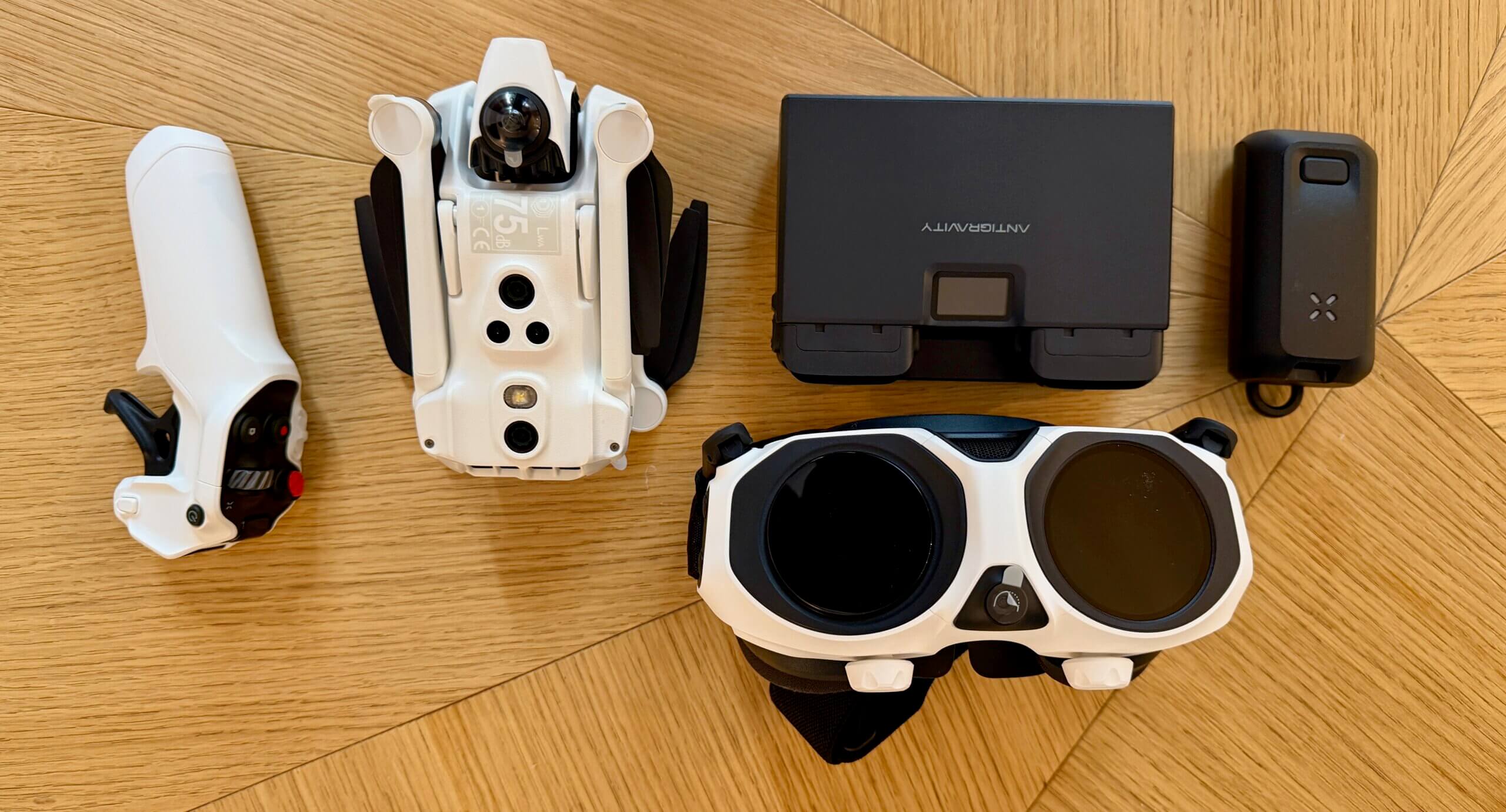
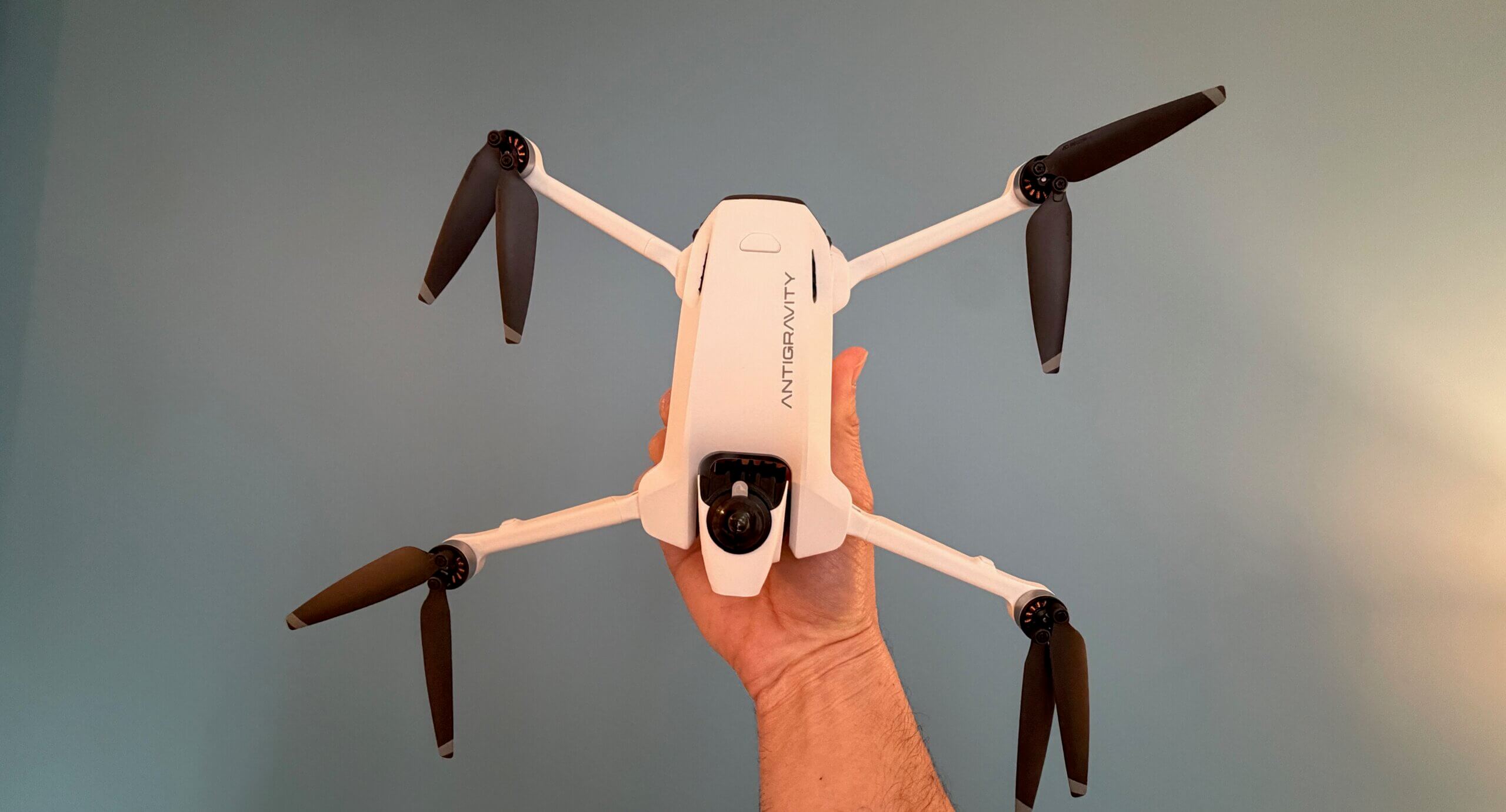
The Antigravity A1 is not merely an incremental update to existing drone technology; it is a fundamental reimagining of how we capture the world from above. At its core, the A1 utilizes a dual-lens 360-degree capture system. Unlike standard drones that rely on a single, forward-facing camera mounted on a fragile, complex gimbal, the A1 features two ultra-wide-angle lenses—one atop the fuselage and one below.
Each lens captures a 200-degree field of view. When these images are combined in-camera, they create a seamless 360-degree sphere. In the final exported footage, sophisticated software digitally erases the drone’s frame, providing the viewer with the uncanny sensation of a camera floating independently in mid-air. This "fly now, frame later" workflow allows creators to focus on navigation and safety during the flight, while reserving the creative decisions—such as pan, tilt, and zoom—for the post-production stage.
Chronology: The Evolution of the Antigravity Project
The journey of the Antigravity A1 began in early 2024, as the engineering team at Antigravity sought to solve the "gimbal problem"—the tendency for mechanical stabilizers to break, add weight, and limit field of view.
- Q1 2024: R&D phase begins, focusing on software-based stabilization (the "FlowState" algorithm) rather than mechanical hardware.
- Q3 2024: First flight prototypes are tested, revealing that 360-degree sensors could provide superior data for post-flight image stabilization.
- Q2 2025: Final hardware iteration finalized; the decision is made to target the "under 250-gram" weight class to maximize international travel compliance.
- Late 2025: Official launch. The A1 is released to the public, followed by a series of firmware updates that refined the "Auto-Frame" AI features.
- Early 2026: Widespread adoption among travel influencers and adventure filmmakers, solidifying the A1’s reputation as the "go-to" travel drone.
Supporting Data: Technical Specifications and Performance
For those concerned about technical prowess, the A1 balances portability with professional-grade optics.
The Optics and Sensors
The A1 utilizes 1/1.28-inch CMOS sensors. While traditional "Pro" drones often favor 1-inch sensors, the A1’s sensors are significantly larger than those found in standard 360 action cameras. This allows for superior low-light sensitivity and a wider dynamic range, ensuring that detail is preserved even when shooting into the high-contrast glare of a midday sun.
Regulatory Compliance and Build Quality
Antigravity strategically designed the A1 to weigh exactly 249 grams with its standard battery. In most jurisdictions—including the United States, Canada, and much of the EU—this keeps the device under the mandatory commercial registration threshold, offering significant peace of mind for international travelers.
Despite its light weight, the build quality is uncompromising. The chassis is constructed from high-grade carbon-fiber-reinforced polymer, providing a superior strength-to-weight ratio compared to the ABS plastic common in budget drones. When folded, the unit is roughly the size of a large smartphone, making it easy to stow in a carry-on or camera bag.
Official Responses and User Experience
Feedback from the creator community has been overwhelmingly positive, particularly regarding the flight experience. The integration of Vision Goggles, which feature dual 4K micro-OLED displays with a 120Hz refresh rate, has been hailed as a breakthrough. Because the drone records a full 360-degree sphere, the user’s head-tracking movements allow them to look in any direction—up, down, or behind—while in flight.
Antigravity’s motion controller has also garnered praise for its intuitiveness. By replacing traditional sticks with a single-handed motion-sensitive controller, the barrier to entry for novice pilots has been lowered significantly. As one spokesperson for the brand noted: "We wanted to remove the intimidation factor. If you can point a flashlight, you can fly the A1."
Implications for the Industry
The rise of the A1 suggests a major shift in how we define "cinematography."
The Death of the "Drone Shot"
For years, the "drone shot" has been characterized by smooth, linear movements. With the A1, the aesthetic is shifting toward fluid, immersive, and often unpredictable perspectives. The ability to reframe footage in the "Antigravity Studio" app means that a single flight can produce multiple distinct shots. A creator can pull a wide-angle landscape shot, a tight portrait-oriented clip for TikTok, and a cinematic 16:9 pan from the same 20-minute flight.
The AI-Powered Editor
The "Auto-Frame" feature represents the next frontier of drone software. By utilizing machine learning to identify subjects—whether it is a cyclist, a hiker, or a landmark—the software automatically generates a cut that keeps the subject centered. For the solo traveler, this essentially provides a virtual camera crew, ensuring that the creator never misses the action while trying to pilot the craft.
Battery Life and Operational Efficiency
While the 20-minute flight time (with the standard battery) is average for the industry, the "work per minute" is vastly higher. Because there is no need to land, adjust camera settings, or re-fly a path to capture a different angle, the efficiency gain is exponential. For professional use, the "Pro Battery" provides up to 39 minutes of airtime, though the increased weight shifts the drone into a different regulatory category.
Conclusion: The New Standard for Travel
The Antigravity A1 occupies a unique space in the drone market. It is a tool of creative liberation, bridging the gap between the rigid, mechanical nature of traditional cinematography and the immersive, boundless potential of VR. While the lenses remain delicate and the image quality is perhaps a step below the heavy-duty cinema drones used for Hollywood productions, the trade-off is negligible for the average creator.
For travelers, vloggers, and adventurers, the A1 is not just an upgrade; it is a necessity. It removes the stress of framing and the fragility of mechanical gimbals, allowing the pilot to focus on the most important element of any production: the story. As we move further into 2026, the A1 stands as a testament to the fact that the future of aerial photography isn’t just about flying—it’s about seeing everything at once.
Essential Travel Resources for Your Next Journey
As you prepare to take your new drone to the far corners of the globe, remember that successful travel is built on a foundation of solid logistics.
- Book Your Flight: Use Skyscanner to ensure you are finding the absolute lowest fares by scouring every airline and third-party provider globally.
- Book Your Accommodation: For hostels, Hostelworld remains the industry leader. For hotels and guesthouses, Booking.com offers the most consistent pricing and reliability.
- Secure Travel Insurance: Never embark on a journey with expensive camera gear without protection. Comprehensive travel insurance covers theft, accidental damage, and medical emergencies. It is a non-negotiable expense for any serious photographer.
- Local Experiences: Use GetYourGuide to discover unique tours and excursions that will give you the perfect subject matter to test your new A1’s capabilities.
- Rental Vehicles: For road trips where a drone is essential, Discover Cars provides the best price-comparison tools for international rentals, ensuring you have the mobility to reach the most scenic locations.
By combining the right technology with the right planning, you are not just documenting your travels—you are transforming them into cinematic experiences. Happy flying.