For the better part of a decade, quartz has reigned supreme as the gold standard of kitchen design. Its sleek, non-porous surface and ability to mimic the veining of natural marble made it the darling of HGTV renovations and interior design blogs alike. However, as renovation costs continue to climb, savvy homeowners and designers are beginning to look past the industry darling in favor of a legacy material that offers comparable versatility at a fraction of the cost: Corian.
While often overshadowed by the high-end appeal of quartz, Corian—and the broader category of solid surface countertops—is staging a significant comeback. By balancing affordability with unique physical properties that quartz cannot replicate, this DuPont-born innovation is proving that "budget-friendly" doesn’t have to mean a compromise on style.
Main Facts: The Anatomy of Solid Surface vs. Engineered Stone
To understand why Corian is gaining ground, one must first understand the fundamental differences in how these materials are manufactured.
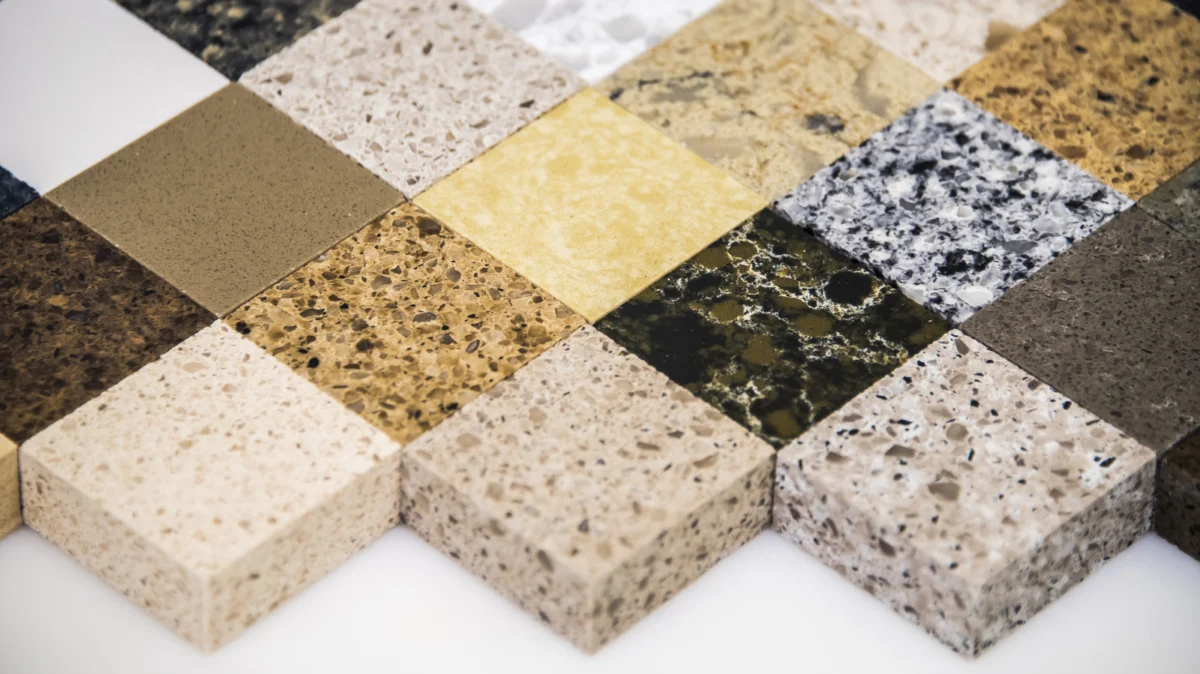
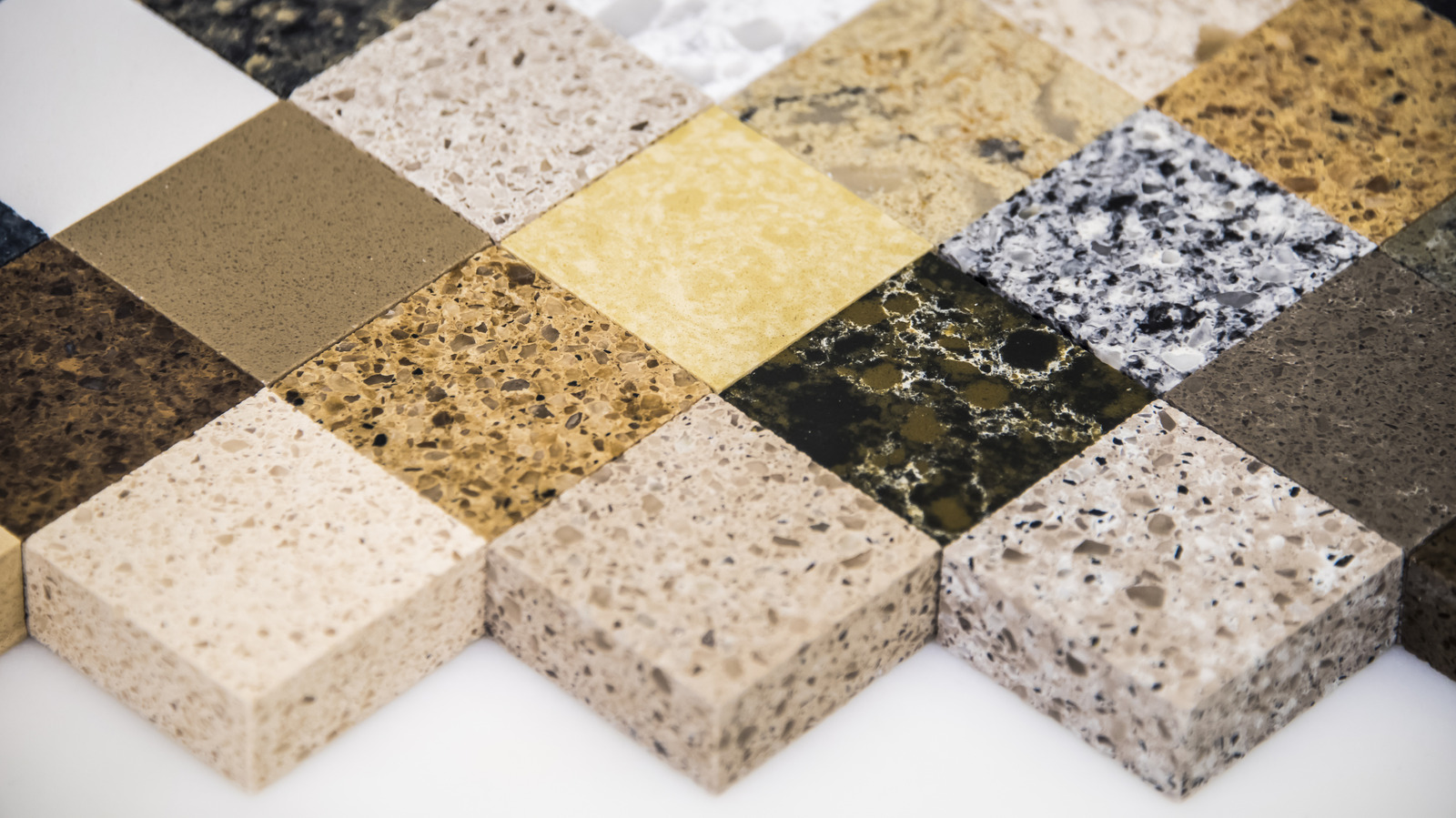
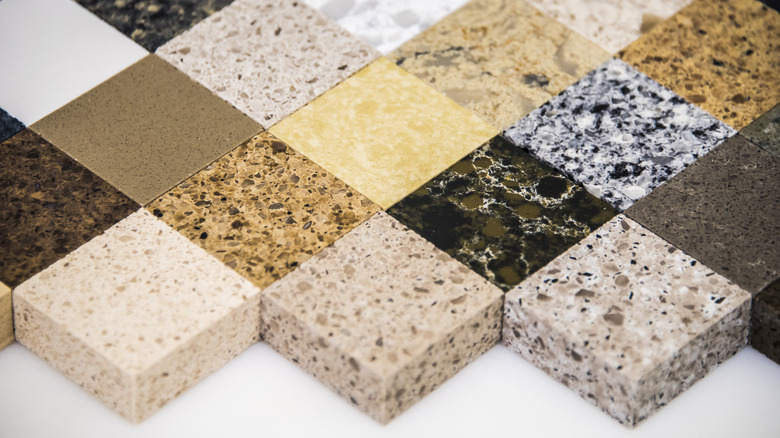
Quartz countertops are, in reality, "engineered stone." They are typically composed of approximately 90% to 93% crushed natural quartz aggregate held together by polymer resins and pigments. This manufacturing process creates a surface that is exceptionally hard and scratch-resistant, but also heavy and prone to potential cracking if the sub-structure shifts.
Corian, conversely, falls into the category of "solid surface" materials. Developed by DuPont in the late 1960s and introduced to the market in 1971, it is a sophisticated blend of acrylic polymers and alumina trihydrate (a mineral derived from bauxite ore). Unlike the brittle nature of stone-based products, the acrylic base of Corian gives it a "warm" tactile feel and, crucially, the ability to be thermoformed. This means that under controlled heat, the material can be bent into curved shapes, allowing for seamless, integrated sinks and backsplashes that look like a single, continuous pour of material.
A Chronology of the Countertop Evolution
The history of the modern kitchen countertop is a timeline of shifting priorities—moving from utility to aesthetic, and now, back toward functional value.
- The 1950s–1960s (The Era of Laminate): Post-war kitchens relied heavily on Formica and high-pressure laminates. They were affordable and colorful but susceptible to heat damage and peeling.
- The 1970s (The Birth of Corian): DuPont introduced Corian as a premium alternative to laminate. It offered a non-porous, sanitary surface that could be repaired if scratched—a massive leap forward for residential hygiene.
- The 1990s–2000s (The Stone Boom): As the "open-concept" kitchen became the center of the American home, granite became the status symbol of choice. Its natural variations provided a sense of luxury that mass-produced materials struggled to match.
- The 2010s (The Quartz Takeover): Quartz arrived to solve the "maintenance problem" of granite (which requires periodic sealing). It offered the luxury look of marble with the performance of a lab-tested product.
- The 2020s–Present (The Value Re-evaluation): With quartz prices soaring due to supply chain pressures and increased demand, consumers are pivoting back to solid surface materials like Corian. Today’s market prioritizes "quiet luxury"—minimalist, seamless designs that are easier on the wallet and the installation crew.
Supporting Data: The Economics of the Upgrade
The primary driver behind the shift toward Corian is simple economics. In an era of high-interest rates and rising construction labor costs, every dollar saved on materials counts toward the total project budget.
Price Comparison (Per Square Foot)
- Quartz: Ranges from $50 to $200 per square foot. The higher end is reserved for "calacatta" styles that mimic rare Italian marbles, which require complex manufacturing techniques.
- Corian/Solid Surface: Ranges from $26 to $100 per square foot. The entry point is significantly lower, making it an ideal choice for expansive kitchen islands or rental property upgrades where the owner wants a premium look without the investment of stone.
Beyond the raw material cost, the "hidden" savings often lie in installation. Quartz is exceptionally heavy and requires professional fabricators with specialized machinery to cut and seam. Because it is prone to cracking, the margin for error is low. Corian is lighter and easier to cut on-site, which can reduce labor costs significantly in complex kitchens featuring odd angles, curved corners, or custom sink integrations.
Official Perspectives and Industry Insights
Design experts have noted that the "Quartz Fatigue" is real. "For a long time, everyone wanted the same high-contrast, marble-veined quartz," says interior designer Sarah Jenkins. "Now, we are seeing a move toward monolithic, matte-finish kitchens. Corian offers a matte, velvety texture that quartz simply cannot mimic. It feels softer, warmer, and more inviting to the touch."
From a maintenance standpoint, industry professionals emphasize that "durability" is a subjective term. While quartz is undeniably harder, Corian is arguably more "restorable."
"If you drop a heavy cast-iron pan on quartz and it chips, you are often looking at a permanent scar or a very expensive professional repair," notes contractor Mark Thompson. "With Corian, because the color and pattern run consistently through the entire thickness of the material, a homeowner can literally sand out a scratch or a burn mark with a fine-grit abrasive pad. It’s a ‘living’ surface in a way that engineered stone isn’t."
Implications for the Future of Kitchen Design
The resurgence of Corian carries several implications for homeowners planning a remodel:
1. The Death of the "Seam"
One of the most aesthetically pleasing aspects of Corian is the ability to create "seamless" joints. In a quartz kitchen, you will always see the seam lines where two slabs meet. With Corian, the epoxy used for installation is color-matched so precisely that the pieces effectively fuse together. For the minimalist aesthetic currently dominating architectural magazines, this is a distinct advantage.
2. Design Versatility
Because Corian is non-porous and moldable, it is frequently used in commercial settings like hospitals and laboratories. Bringing this material into the home provides a high degree of hygiene. It doesn’t harbor bacteria, and because it can be molded into coved backsplashes—where the countertop curves up the wall—it eliminates the 90-degree corner where crumbs and moisture typically collect.
3. The Heat Consideration
The most significant implication for potential buyers is the need to adjust habits. Corian is not heat-proof. While quartz can handle a hot pan (though it is not recommended), Corian will scorch. This requires a cultural shift in the kitchen: the return of the trivet and the cutting board. While some view this as a drawback, others see it as a return to more intentional cooking habits.
4. Sustainability and Longevity
Corian is highly durable, but it does not have the "forever" status of granite. However, in the context of modern home ownership—where kitchen trends evolve every 10 to 15 years—the extreme longevity of stone may be less important than the ability to refresh the surface. Corian’s capacity to be refinished keeps it out of landfills longer than materials that, once damaged, must be completely ripped out and replaced.
Final Verdict: Is it Time to Say Goodbye to Quartz?
The decision to choose Corian over quartz is ultimately a decision about lifestyle. If your kitchen is a high-traffic area where you intend to place piping hot Dutch ovens directly on the surface, quartz remains the technical winner. However, for the vast majority of homeowners, Corian provides a superior balance of aesthetics, tactile comfort, and financial efficiency.
As the industry moves away from the "bigger is better" mentality of the last decade, the appeal of a material that is quiet, seamless, and repairable is becoming undeniable. Quartz may have won the battle of the 2010s, but as we look toward the future of functional, affordable, and sustainable home design, Corian is reclaiming its place as the smart choice for the modern kitchen. By opting for a high-quality solid surface, you aren’t just saving money—you are investing in a versatile, elegant, and timeless solution that allows your kitchen to be as hard-working as it is beautiful.