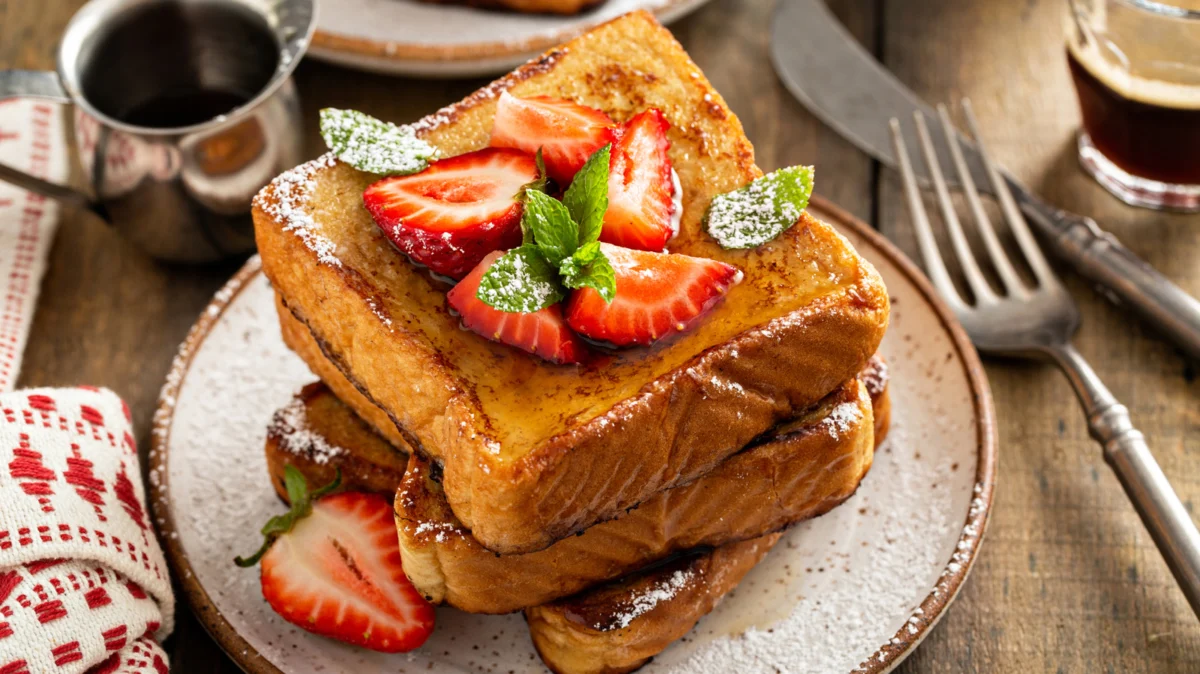
For many home cooks, the image of a sizzling skillet, a generous pat of butter melting into a golden pool, and slices of custard-soaked bread hitting the pan is the quintessential breakfast dream. However, the reality of cooking with butter often falls short of this idyllic vision. As the butter begins to foam and turn brown, the delicate balance between achieving a crispy, caramelized crust and avoiding the acrid, bitter taste of burnt milk solids becomes a high-stakes tightrope walk.
For those who refuse to sacrifice flavor but are tired of the charred aftermath, there is a secret weapon that professional chefs and culinary enthusiasts have been championing for years: ghee. By swapping standard butter for this concentrated, shelf-stable, and high-heat-tolerant alternative, you can elevate your French toast from a domestic chore to a restaurant-quality experience.
The Science of the Smoke: Why Butter Fails Under Pressure
To understand why ghee is a superior choice, one must first understand the chemical limitations of standard butter. Butter is not just fat; it is a complex emulsion consisting of approximately 80% butterfat, 15–18% water, and 1–2% milk solids—proteins and sugars that are highly reactive to heat.
When you heat a pan, those milk solids begin to brown at a relatively low temperature, creating the nutty, complex flavor known as beurre noisette. However, that same reaction quickly shifts from "delightful" to "disastrous." Once the heat exceeds the threshold where these proteins burn, they release acrid compounds that can impart an unappealing, metallic, or rancid flavor to your food.
Standard butter has a smoke point of approximately 350 degrees Fahrenheit (175 degrees Celsius). While this is sufficient for sautéing light vegetables, it is precarious for griddled breakfast items like French toast, which require consistent, medium-to-high heat to properly caramelize the sugars in the custard without scorching the bread’s exterior.
The Ghee Advantage: Clarity and Concentration
Ghee, a staple of Indian culinary tradition for thousands of years, is essentially clarified butter taken to its logical, high-heat conclusion. While standard clarified butter is produced by melting butter and separating the fat from the water and milk solids, ghee undergoes a more intensive process.
During the production of ghee, the butter is simmered for an extended period, allowing the water to evaporate completely and the milk solids to settle and slightly caramelize before being meticulously strained out. This process creates a product that is nearly 100% pure butterfat.
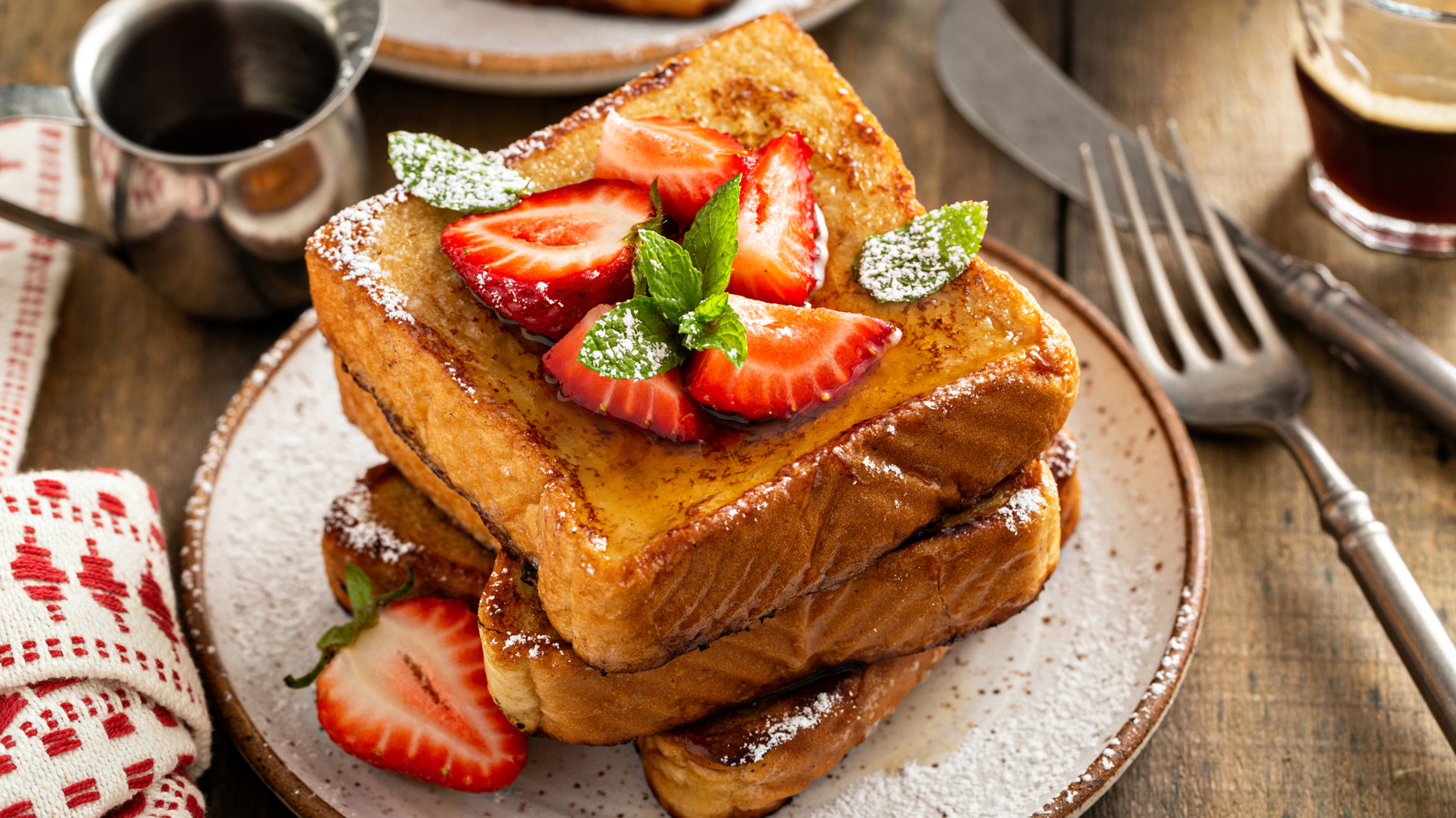
The implications for the home cook are profound. Because the milk solids—the primary culprits in burning—have been removed, ghee boasts a significantly higher smoke point, typically ranging between 450 and 485 degrees Fahrenheit. This temperature range provides the "thermal headroom" necessary to achieve a deep, professional-grade crust on French toast without the fear of burning.
Chronology of a Perfect Breakfast: Mastering the Technique
Transitioning to ghee does not require a change in your favorite recipe; it simply optimizes your execution. Here is how the process of making French toast evolves when using this golden ingredient.
Phase 1: The Preparation
Begin by whisking your custard—eggs, milk or cream, a touch of sugar, and warming spices like cinnamon or nutmeg. As you soak your bread, place your skillet or griddle over medium heat. Add a generous tablespoon of ghee. Unlike butter, which pops and spatters due to its water content, ghee will melt into a clear, golden, shimmering liquid.
Phase 2: The Sizzle
As the bread hits the pan, you will notice a difference immediately. Without the moisture content of butter, the bread begins to fry immediately upon contact with the pan. This promotes rapid Maillard reaction—the chemical process responsible for the golden-brown crust—without the bread becoming soggy from excess water.
Phase 3: The Even Golden Finish
Because ghee provides a uniform layer of fat without the "hot spots" often caused by the uneven settling of milk solids, your French toast will brown with remarkable consistency. You can confidently maintain your heat level throughout the process, resulting in a toast that is uniformly crispy on the outside and custard-tender on the inside.
Supporting Data: Flavor Profiles and Culinary Performance
The flavor of ghee is often described as "nuttier" and "more intense" than that of standard butter. This is because the extended simmering process during production allows for a subtle caramelization of the fat itself, lending a depth of flavor that is difficult to replicate with other cooking oils.
Critics of butter-alternatives often point to the neutral profile of oils like canola or vegetable oil. While these oils have high smoke points, they offer zero flavor contribution. If you attempt to solve the burning issue by mixing oil and butter, you end up with a diluted flavor profile that lacks the richness of pure butter. Ghee solves the "flavor vs. performance" dilemma by providing the best of both worlds: the rich, authentic taste of dairy fat with the structural integrity of a high-heat cooking oil.
Implications for the Home Kitchen: Beyond French Toast
The utility of ghee extends far beyond the weekend brunch table. Because it is free of water and milk solids, it is remarkably shelf-stable and can be kept at room temperature for extended periods.
For the modern home cook, adopting ghee implies a shift in philosophy: it is about choosing ingredients that are engineered for the task at hand. By moving away from the limitations of water-heavy butter, you gain control over your kitchen. This approach encourages experimentation with other high-heat cooking techniques, such as searing steaks, roasting vegetables, or even finishing stir-fries, all while maintaining that luxurious, buttery mouthfeel.
Official Culinary Perspectives and Best Practices
Professional chefs often note that the "French toast experience" is defined by the contrast between textures. A successful slice must have a structural integrity—a "crunch" that gives way to a soft center.
"When you use standard butter, you are fighting the physics of the ingredient," says culinary instructor and food scientist Dr. Elena Moreno. "You have to babysit the pan, constantly adjusting the heat to prevent the blackening of the pan surface. With ghee, the ingredient is essentially passive; it works with you. You can focus on the timing of your bread rather than the behavior of your fat."
To maximize your results, follow these professional tips:
- The 1:1 Swap: You can replace butter with ghee at a 1:1 ratio. If your recipe calls for two tablespoons of butter, use two tablespoons of ghee.
- Temperature Management: Even with ghee, avoid the "high" setting on your stove. Medium-heat remains the sweet spot for custard-dipped breads to ensure the center cooks through before the exterior turns too dark.
- The Finishing Touch: Since you aren’t using butter in the pan, consider finishing your plated French toast with a small, fresh pat of high-quality salted butter or a compound butter infused with honey, lavender, or orange zest. This adds a layer of fresh, creamy dairy flavor to contrast with the deep, nutty notes of the ghee-fried exterior.
Conclusion: Elevating the Everyday
In the pursuit of the perfect breakfast, the smallest adjustments often yield the most significant results. The transition to ghee for your French toast is more than just a culinary hack; it is a commitment to quality and a rejection of the compromises that come with using ingredients ill-suited for the heat of the pan.
By ditching the standard pat of butter for the refined stability of ghee, you eliminate the anxiety of burning, unlock a richer flavor profile, and guarantee a golden-brown finish every single time. It is a simple, effective change that transforms your kitchen into a space of precision and flavor, ensuring that your French toast is never again marred by the bitter sting of a burnt pan. As you experiment with this golden nectar, you will find that the boundary between a standard breakfast and a gourmet experience is often just a matter of choosing the right fat.