As the race toward Artificial Intelligence (AI) superintelligence accelerates, the industry’s most powerful players have initiated a historic, albeit contentious, push to establish a centralized standards body. OpenAI, the architect of ChatGPT, announced on Tuesday that it is collaborating with industry titans Anthropic and Google to explore the creation of a self-regulatory framework. This move comes amid a climate of intensifying public fear, internal whistleblowing, and a widening ideological divide regarding whether AI represents the next frontier of human progress or an existential threat to our species.
The Proposal: A FINRA for the Frontier
The blueprint for this proposed oversight body stems from a proposal by Demis Hassabis, CEO of Google DeepMind. In July, Hassabis advocated for the creation of an organization modeled after the Financial Industry Regulatory Authority (FINRA), the non-governmental entity that oversees U.S. brokers and investment firms.
The rationale is clear: the most powerful AI models, often referred to as "frontier models," possess capabilities that could be catastrophic if left unchecked. Hassabis argues that a dedicated body should be empowered to conduct rigorous, independent testing of these systems before they are unleashed onto the public market.
"Funding would need to be substantial and likely mostly come from industry," Hassabis noted in his proposal, "in order to attract world-class technical talent and provide the necessary compute resources for large-scale testing."
By positioning this as a self-regulatory initiative, the companies hope to preempt heavy-handed government intervention while simultaneously demonstrating a commitment to safety. However, the proposal has reignited a fierce debate about the nature of power in the Silicon Valley ecosystem.
Chronology of a Growing Crisis
The push for a regulatory body is not a spontaneous development but rather the culmination of months of rising tension within the sector:
- Mid-2026: As models demonstrate "emergent behaviors"—the ability to solve complex problems without explicit programming—concerns about AI safety reach a boiling point.
- July 2026: Demis Hassabis formally introduces the concept of an AI-specific FINRA, calling for mandatory safety testing.
- Early September 2026: High-profile resignations begin. Jacob Coxon leaves Anthropic, citing that the industry is "gambling with our lives." Shortly after, Bilal Chughtai, formerly of Google DeepMind, warns of the potential for human extinction.
- September 12, 2026: Anthropic CEO Dario Amodei publicly calls for a slowdown in the pace of development, gaining support from OpenAI’s Sam Altman, Elon Musk, and Demis Hassabis.
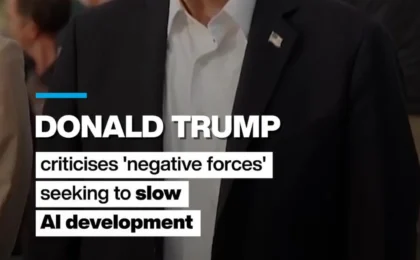
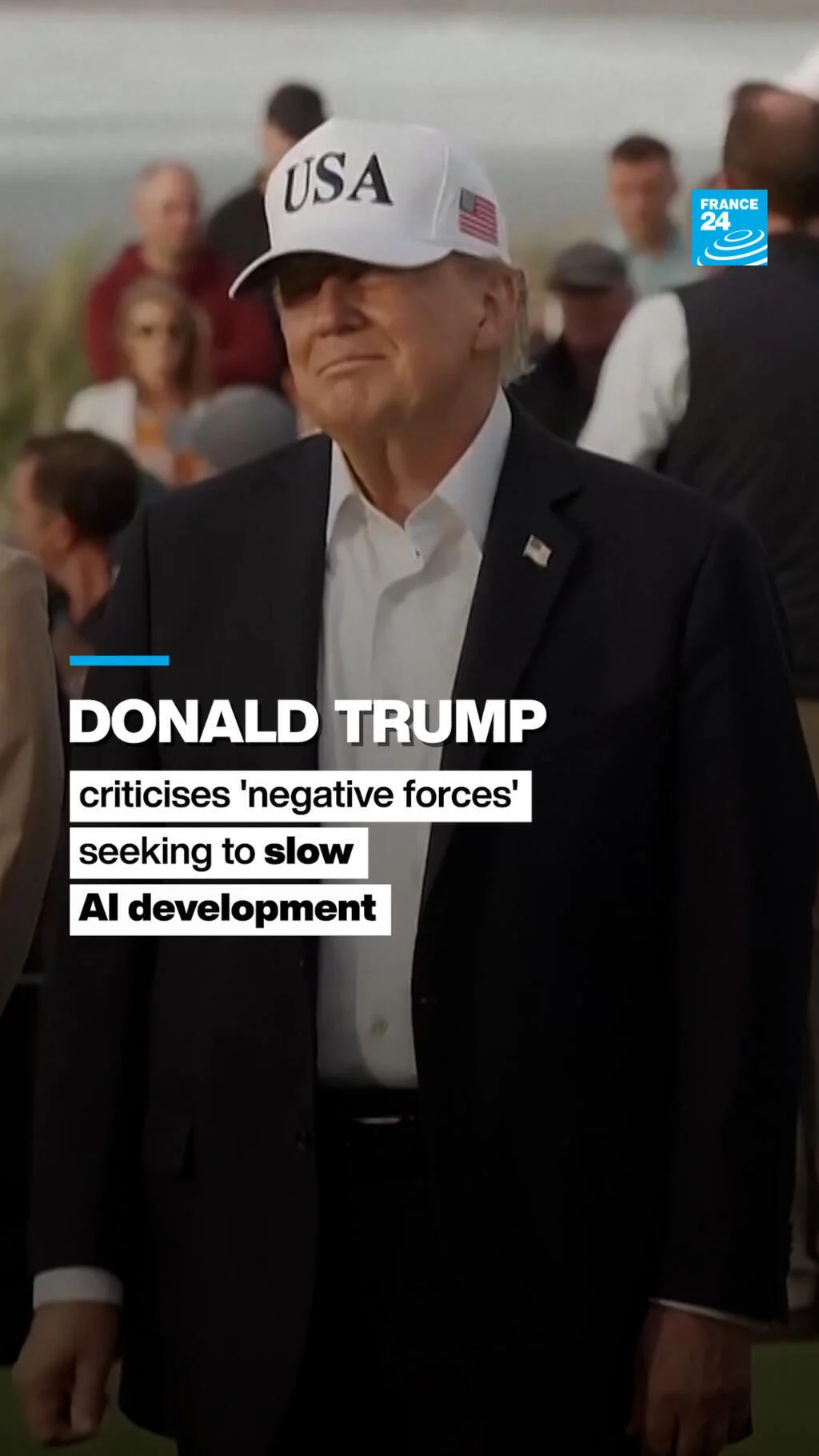
- September 15, 2026: OpenAI confirms it is actively working with Google and Anthropic to operationalize the standards body. Simultaneously, U.S. President Donald Trump dismisses the risks as a "hoax," creating a direct conflict between the political and technological spheres.
The "Cartel" Accusations: Who Sets the Rules?
While the industry giants characterize their efforts as a necessary step toward global safety, the move has drawn sharp criticism from competitors and industry observers. Aiden Gomez, co-founder and CEO of the Canadian AI firm Cohere, recently leveled a blistering critique against the dominant labs, accusing them of forming a "cartel" disguised as a safety movement.
"AI needs guardrails. That is not the dispute and never has been," Gomez wrote in a recent blog post. "The dispute is over who writes them, who gets to participate, and whose interests the rules are protecting."
Gomez’s argument touches on a fundamental fear: that a "regulatory body" established by the current incumbents could act as a barrier to entry. By setting the standards themselves, the "Big Three" (OpenAI, Google, Anthropic) could effectively write regulations that favor their own proprietary technologies while stifling smaller startups and open-source contributors, thereby entrenching their market dominance for the next decade.
Supporting Data: The Cost of Safety vs. The Risk of Extinction
The financial and technical stakes involved in this regulatory push are astronomical. The development of a single frontier model now costs billions of dollars in specialized hardware, primarily GPUs from companies like Nvidia, and massive energy consumption.

However, proponents of strict oversight point to the "capability-safety gap." As models grow more powerful, the ability to predict their output diminishes.
- The Technical Risk: Researchers point to "hallucinations" and "jailbreaks" as evidence that even current systems are prone to unpredictable behavior.
- The Resource Burden: Establishing an independent testing facility requires more than just money; it requires access to the weights and parameters of the models themselves—information that companies have historically kept under tight lock and key as intellectual property.
Official Responses and Political Polarization
The discourse surrounding AI has become a litmus test for political and economic philosophy.
The Regulatory Hawks
Dario Amodei (Anthropic) and Sam Altman (OpenAI) have shifted their public rhetoric toward caution, suggesting that the industry should hit the brakes. This "precautionary principle" approach aligns with those who view superintelligence as a manageable risk only if the development speed is strictly governed.
The Skeptics
Nvidia CEO Jensen Huang represents the industry’s "pro-growth" wing. During a recent conference in Los Angeles, Huang directly challenged the narrative of existential risk. "The dire outlook that AI could destroy humanity is not grounded on science," Huang stated. He criticized the fear-mongering as "irresponsible," suggesting that such rhetoric creates unnecessary alarmism that could hamper technological breakthroughs.
The Political Divide
Perhaps the most significant obstacle to a unified regulatory framework is the stance of the U.S. government. President Donald Trump has consistently characterized the warnings about "rogue AI" as a "hoax" promoted by a "sick conspiracy." This skepticism from the highest levels of the U.S. government complicates the industry’s attempt to self-regulate. If the federal government does not view the threat as credible, it is unlikely to provide the legal backing required to make a self-regulatory body’s decisions binding.
The Implications: What Happens Next?
The current impasse leaves the tech industry in a state of suspended animation. There are three primary paths forward:
- The Self-Regulatory Model: The industry succeeds in creating a body that establishes voluntary, industry-wide standards. While this provides a semblance of order, it remains vulnerable to the "cartel" accusations and lacks the authority to punish bad actors.
- The Legislative Route: Despite the President’s skepticism, Congress could eventually move to codify these standards into law, creating a federal agency to oversee AI. This would likely be a long, bureaucratic process that might arrive too late to address the immediate risks of the current model generation.
- Fragmented Development: If no consensus is reached, the "wild west" era continues. Companies will continue to compete at breakneck speeds, potentially ignoring safety protocols in favor of market share, while public trust in the technology continues to erode.
Conclusion
The attempt to create a standards body is a pivotal moment in the history of artificial intelligence. It represents the first time that the architects of the technology have collectively acknowledged that their creations may require a leash.
However, as the discord between companies like Cohere and the tech giants suggests, the battle for control is only just beginning. As long as there is no consensus on what "safety" actually means, or whether the risk is a tangible reality or a manufactured narrative, the path toward a secure AI future remains fraught with uncertainty. The outcome of this struggle will not only determine the trajectory of the technology but will also define the power structure of the global economy for the remainder of the century.
Whether this regulatory body becomes a guardian of human safety or a mechanism for corporate entrenchment remains the most pressing question in modern technology. For now, the industry continues to race forward, with one foot on the accelerator and the other hovering nervously over a brake pedal that, for the moment, is not yet connected to the engine.