The Congressional Black Caucus (CBC) Institute has unveiled a major, multimillion-dollar voting initiative titled “SO VOTE,” designed to mobilize low-propensity Black voters and rural communities across the American South. Coinciding with National Voter Registration Day, the campaign represents a strategic pivot away from traditional, broadcast-heavy media strategy in favor of grassroots relational organizing, digital engagement, and sustained community presence.
Led by a coalition of senior Democratic figures—including South Carolina Representative Jim Clyburn, Mississippi Representative Bennie Thompson, former Louisiana Representative Cedric L. Richmond, and former Housing and Urban Development Secretary Marcia L. Fudge—the campaign aims to address long-standing turnout gaps in key Southern states while creating a reusable blueprint for future electoral cycles.
Main Facts: A Multimillion-Dollar Push for Southern Ground Infrastructure
The "SO VOTE" initiative is explicitly designed to reach demographic segments that major political campaigns frequently overlook: rural Black voters, young voters on college campuses, and citizens with low voter-participation histories.
Rather than relying primarily on television advertising campaigns, which political strategists increasingly view as inefficient for driving actual voter turnout, the CBC Institute is deploying a multi-pronged outreach strategy. Key components of the initiative include:
- A National HBCU Tour: Direct engagement campaigns across Historically Black Colleges and Universities to register and activate young voters.
- Grassroots Civic Partnerships: Collaborative operations with established national and regional organizations, including the "Divine Nine" (Historically Black Greek Letter Organizations), When We All Vote, and Black Voters Matter.
- Relational Organizing Tools: Digital outreach leveraging peer-to-peer networks, direct messaging via platforms like WhatsApp, and localized digital organizing software.
- Social Listening Analytics: Advanced data gathering to monitor hyper-local economic and political concerns in real time, allowing organizers to tailor localized messaging.
The campaign prioritizes high-stakes statewide contests in Georgia and Mississippi, along with several newly redrawn U.S. House districts across the South where recent judicial rulings on redistricting have altered the competitive landscape.
Chronology of the ‘SO VOTE’ Rollout
The timeline of the initiative reflects a deliberate, phased rollout structured around major civic milestones and the electoral calendar:
[Phase 1: Strategy & Planning] ──► [Phase 2: Press Announcement] ──► [Phase 3: Public Launch] ──► [Phase 4: Fall Execution] ──► [Phase 5: Post-Election Evaluation]
  Summertime focus groups &          Monday pre-launch press call      National Voter Registration        HBCU Tour, peer organizing,        Data synthesis for 2028
tech infrastructure buildout with Clyburn & Richmond Day rollout across Southern states and localized turn-out drives voter playbook development- Strategy and Tool Infrastructure Development: Over the late spring and summer, the CBC Institute assembled the technical and organizational framework, securing partnerships with civil rights groups, data firms, and regional organizers.
- Pre-Launch Strategy Briefing: On the eve of the campaign’s public launch, primary architects Rep. Jim Clyburn and Cedric Richmond hosted a press call with reporters to lay out the operational philosophy behind "SO VOTE," publicly critiquing traditional political advertising models.
- Public Launch on National Voter Registration Day: The campaign formally debuted on National Voter Registration Day, launching simultaneous voter registration drives, digital push initiatives, and field deployments.
- Fall Mobilization and HBCU Tour: Throughout the autumn election season, the "SO VOTE" campus tour will travel across HBCU campuses, paired with localized ground operations in targeted congressional districts and rural counties.
- Post-Election Playbook Synthesis: Following the midterm elections, the CBC Institute plans to aggregate field data and analytics gathered during the campaign to build an optimized voter mobilization playbook tailored for the 2028 presidential election cycle.
Supporting Data: Electoral Maps, Redistricting, and Target Races
The campaign’s geographical footprint centers heavily on Southern states where demographic shifts and legal disputes over redistricting maps have redefined electoral boundaries.
Statewide Battles: Georgia and Mississippi
The CBC Institute is executing statewide voter mobilization strategies in two Southern states with significant Black populations and major Senate contests:
| State | Race Type | Incumbent / Prominent Candidates | Demographic Context & Key Dynamics |
|---|---|---|---|
| Georgia | U.S. Senate | Sen. Jon Ossoff (D) vs. Rep. Mike Collins (R) | High-density suburban and rural Black population; pivotal battleground state requiring high metro-Atlanta and rural turnout. |
| Mississippi | U.S. Senate | Sen. Cindy Hyde-Smith (R) vs. Scott Colom (D) | Highest percentage Black population of any U.S. state; Democratic challenger Scott Colom aims to mobilize non-voting rural blocks. |
In Georgia, retaining high turnout among Black voters is critical for incumbent Senator Jon Ossoff as he faces a challenge from Republican Congressman Mike Collins. In Mississippi, Democratic strategists view former prosecutor and judge Scott Colom as possessing a viable path to challenge Republican incumbent Cindy Hyde-Smith, provided the state’s large, historically disenfranchised rural Black electorate turns out in significant numbers.
       GEORGIA SOUTHERN REALIGNMENT                   MISSISSIPPI TURNOUT STRATEGY
┌────────────────────────────────────────┐     ┌────────────────────────────────────────┐
│ Metro-Atlanta Base + Rural Black Belt  │     │ Non-Voting Electorate  ► Target Segment│
│ High turnout needed to maintain margin │     │ Highest % Black pop.   ► SO VOTE Focus │
└────────────────────────────────────────┘     └────────────────────────────────────────┘
Congressional Redistricting and Battleground House Seats
The "SO VOTE" initiative is also focusing resources on targeted U.S. House seats impacted by mid-decade redistricting controversies. Following recent Supreme Court decisions that altered interpretations of Section 2 of the Voting Rights Act (VRA), several Southern states reshaped their congressional boundaries, altering the partisan baseline of key seats.
                     IMPACT OF MID-DECADE REDISTRICTING

         Alabama's 2nd District             North Carolina's 1st District
    ┌───────────────────────────────┐      ┌───────────────────────────────┐
    │ Prior Map:   Safely Blue      │      │ Prior Map:   Competitive/Lean │
    │ New Map:     Trump +14 (2024) │      │ New Map:     Trump +12 (2024) │
    │ Candidate:   Shomari Figures  │      │ Candidate:   Don Davis        │
    │ Rating:      Likely Rep.      │      │ Rating:      Lean Rep.        │
    └───────────────────────────────┘      └───────────────────────────────┘
Alabama’s 2nd Congressional District
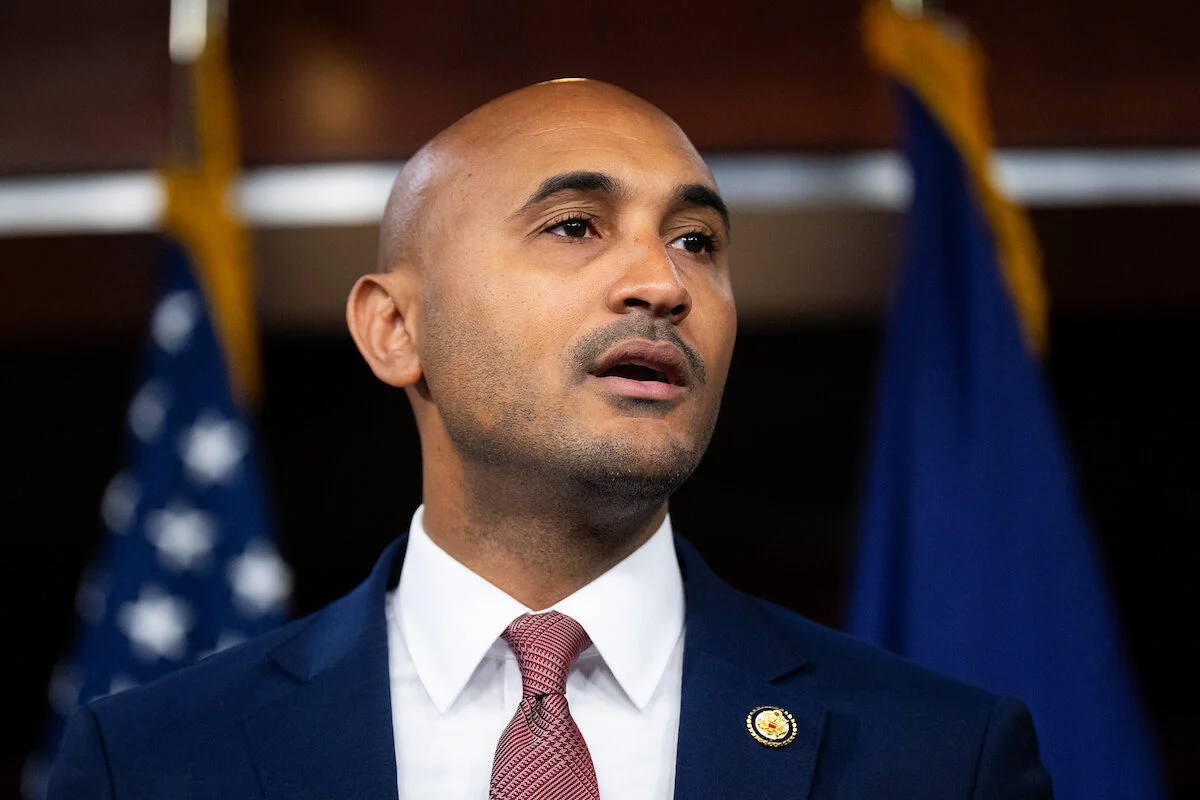
- Democratic Nominee: Shomari Figures
- Republican Nominee: State Rep. Rhett Marques
- District Baseline Shift: Following state map adjustments under court orders, the redrawn district incorporates areas that supported Donald Trump by a 14-point margin in the 2024 baseline metrics.
- Race Rating: Inside Elections with Nathan L. Gonzales rates the contest as Likely Republican.
- Strategic Objective: Despite the challenging political lean of the redrawn boundaries, organizers argue that maximizing turnout among previously unengaged rural Black voters across Alabama’s Black Belt could make the race competitive.
North Carolina’s 1st Congressional District
- Democratic Incumbent: Rep. Don Davis
- Republican Challenger: Laurie Buckhout
- District Baseline Shift: Redrawn prior to the latest Supreme Court decision, the district was adjusted by state lawmakers to lean more heavily Republican, yielding a 2024 baseline where Trump would have won by 12 points.
- Race Rating: Inside Elections rates the district as Lean Republican.
- Strategic Objective: Protecting incumbent Rep. Don Davis requires expanding the active voter file to include low-propensity rural voters across eastern North Carolina.
Official Responses and Key Perspectives
The campaign’s leadership frame "SO VOTE" as a candid assessment of the Democratic Party’s current messaging failures and structural blind spots regarding Black electorates.
The Critique of Traditional Messaging: Clyburn’s Call to Action
Representative Jim Clyburn, a long-serving South Carolina lawmaker known for his decisive influence in Democratic primary politics, offered a stark critique of the party’s standard campaign tactics during a pre-launch press briefing.
"You cannot talk about affordability and not know that’s a message that touches everybody. Now the question is, what methods are you using to deliver that message?"
— Rep. Jim Clyburn (D-S.C.)
Clyburn emphasized that while the substance of the Democratic platform aligns with the economic needs of working-class and minority communities, the delivery mechanisms are flawed.
"Television is a great tool to inform and excite, but it is not a good tool to mobilize. We have to mobilize voters, and that is what we are attempting to do with this effort."
— Rep. Jim Clyburn (D-S.C.)
                  CLYBURN'S MOBILIZATION MODEL

      BROADCAST ADVERTISING               RELATIONAL GROUND GAME
   ┌───────────────────────────┐       ┌───────────────────────────┐
   │ • Informs and excites     │   VS  │ • Drives active turnout   │
   │ • Passive consumption     │       │ • Direct, trusted channels│
   │ • Low rural penetration   │       │ • High peer influence     │
   └───────────────────────────┘       └───────────────────────────┘
Innovative Tools and Relational Organizing: Richmond and Digital Strategy
Former Louisiana Congressman Cedric L. Richmond, who previously led the White House Office of Public Engagement under President Joe Biden, outlined the hybrid nature of the outreach plan, contrasting modern digital tools with historical, trust-based canvassing.
"We’re going to do some old-fashioned things, and we’re going to do some very new and innovative things to make sure that we’re communicating with those people that really never get communicated to."
— Cedric L. Richmond, Former Representative & White House Advisor
To execute this strategy, campaign technical teams are employing:
- Social Listening Data: Monitoring digital platforms to track community-specific concerns regarding gas prices, interest rates, agricultural support, and healthcare access.
- Peer-to-Peer Messaging Applications: Utilizing encrypted and direct messaging platforms such as WhatsApp, allowing community leaders, local pastors, and student organizers to send verified voting logistics—such as polling site locations, ID requirements, and ballot drop-off dates—directly to family and social circles.
Strategic Implications for the Democratic Party and the 2028 Horizon
The launch of the "SO VOTE" initiative highlights broader political shifts within the national Democratic coalition and reflects evolving voter-engagement paradigms:
                          LONG-TERM CAMPAIGN GOALS

     SHORT-TERM TARGET                    LONG-TERM INFRASTRUCTURE
 ┌─────────────────────────┐             ┌─────────────────────────┐
 │ Mobilize low-propensity │  ─────────► │ Construct permanent     │
 │ Black & rural voters in │   Phase     │ Southern voter database │
 │ competitive 2024 races  │  Transition │ & 2028 playbook         │
└─────────────────────────┘ └─────────────────────────┘- Shift Away from Mass Media Ad Spending: Major campaigns have historically allocated the vast majority of their budgets to television buys in primary metropolitan markets. The CBC Institute’s strategy challenges this framework, diverting multimillion-dollar resources toward human infrastructure, field organizers, and local organizing hubs.
- Countering Southern Redistricting Trends: As state legislatures continue to re-draw congressional districts to favor partisan majorities, the viable path for Democrats in the South increasingly depends on expanding the voting electorate rather than merely persuading existing swing voters.
- Building Permanent Civic Infrastructure: Unlike short-term candidate committees that disband immediately following Election Day, the CBC Institute’s explicit goal is to establish sustained organizational infrastructure. The metrics, data, and communication lines gathered during this effort will form the backbone of the party’s long-term operational playbook for the 2028 presidential election and beyond.