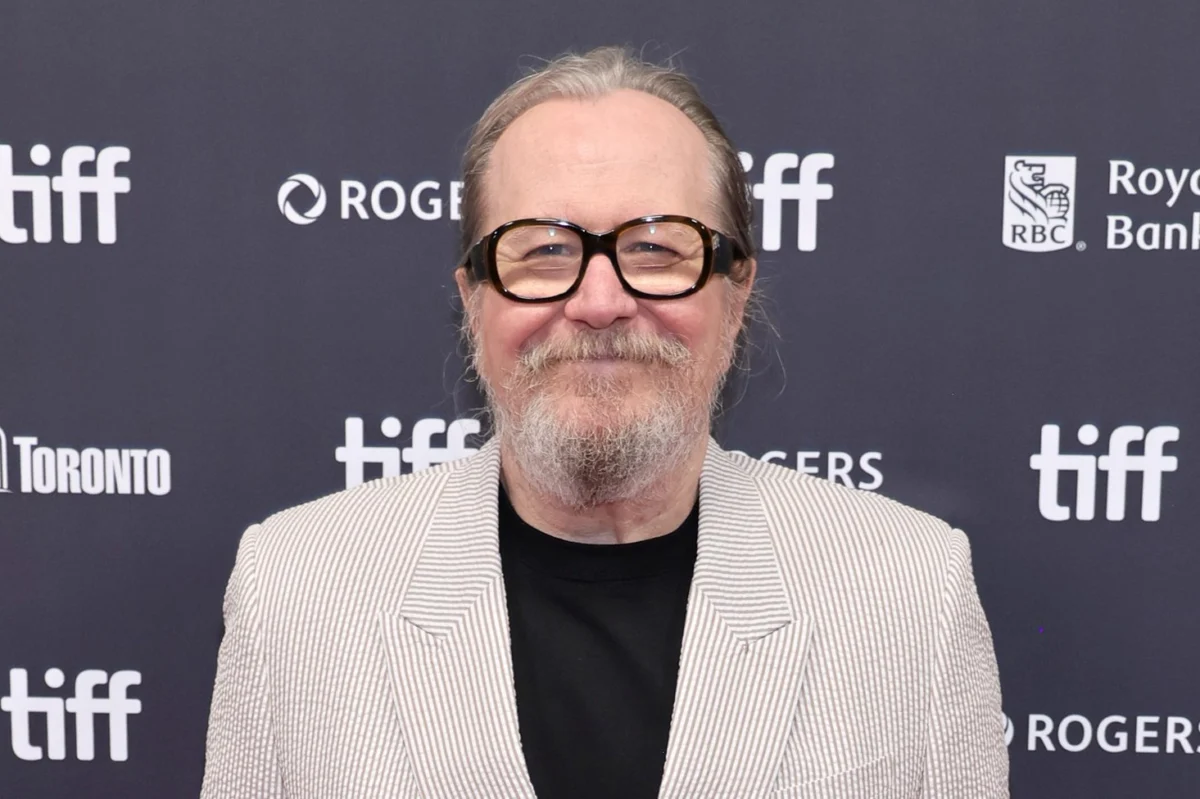
For a generation, the face of Sirius Black was synonymous with the gravelly, heart-wrenching performance of Gary Oldman. Yet, as the entertainment industry prepares for the monumental task of rebooting the Harry Potter franchise for the small screen, Oldman is among the first to argue that the transition from cinema to television might be the best thing to happen to J.K. Rowling’s Wizarding World.
In a recent interview, the veteran actor shared his perspective on why HBO’s upcoming adaptation holds the potential to surpass the cultural impact and narrative depth of the eight Warner Bros. films that defined the early 2000s.
The Narrative Depth of Television: Why More Is More
The primary friction point between the original novels and the blockbuster film series was always the challenge of compression. As Oldman astutely noted, even with films clocking in at nearly three hours, the sheer density of Rowling’s prose necessitated painful cuts.
"We had to cut a lot," Oldman explained during his conversation with Entertainment Weekly. "A lot of character detail was sacrificed in the process of bringing those massive books to the big screen. I believe [the HBO series] is going to do it pretty much word-for-word, which I think, as a viewer, would be more satisfying."
For Oldman, the shift to a long-form television format—where each season can be dedicated to a single volume of the series—is the key to unlocking the richness that the movies left on the cutting room floor. By allowing the plot to breathe, the HBO series aims to capture the intricate subplots, minor character arcs, and atmospheric world-building that are often the hallmark of Rowling’s writing but are frequently casualties of the theatrical runtime.
A Legacy of "The Veil": Reflecting on Sirius Black
Gary Oldman’s connection to the franchise remains deeply personal, rooted in his portrayal of Harry’s godfather, Sirius Black. Despite the character’s popularity, Oldman has been vocal about his dissatisfaction with how little screen time Sirius actually commanded.
"He wasn’t in it enough," Oldman admitted to IndieWire in 2024. "He turned up and then he went through the veil."
Sirius Black, a character whose tragic backstory and complex relationship with Harry Potter serve as the emotional anchor for the middle section of the series, felt underutilized in the film adaptation of Order of the Phoenix. In the books, Sirius acts as a mentor, a father figure, and a window into the darker history of the First Wizarding War. In the films, the constraints of time meant that his presence was fleeting, often relegated to brief appearances that robbed the audience of the chance to fully grasp his internal struggle.
Oldman’s critique is not born of vanity, but of a performer’s desire to see the source material honored in its entirety. His hope is that the new series will allow for a more robust exploration of characters like Sirius, providing the breathing room necessary for the audience to form a deeper bond with them before their eventual fates are sealed.
Chronology of a Cultural Phenomenon
The history of the Harry Potter franchise is a testament to the power of consistent vision.
- 2001: Harry Potter and the Sorcerer’s Stone premieres, directed by Chris Columbus. It establishes the visual language of Hogwarts that would persist for a decade.
- 2004: Gary Oldman makes his debut as Sirius Black in Prisoner of Azkaban, bringing a gritty, visceral intensity to the franchise.
- 2011: Deathly Hallows – Part 2 concludes the cinematic run, solidifying the franchise as one of the highest-grossing in history.
- 2024-2025: HBO’s series production ramps up, casting a new generation of actors to step into the roles of Harry, Hermione, and Ron.
- December 25, 2025: The highly anticipated premiere of the first season of the HBO series is set for HBO and Max.
The Changing of the Guard: Casting the New Wizarding World
As the industry looks forward, the focus has shifted to the new cast tasked with stepping into the shoes of iconic figures. The HBO series has announced a bold lineup that aims to blend seasoned prestige actors with rising stars.
The casting includes Dominic McLaughlin as Harry Potter, with Arabella Stanton taking on the role of Hermione Granger and Alastair Stout as Ron Weasley. The adult roles—which provided the backbone of the original films—have been reimagined with a new slate of talent:
- John Lithgow as Albus Dumbledore
- Janet McTeer as Minerva McGonagall
- Paapa Essiedu as Severus Snape
- Nick Frost as Rubeus Hagrid
- Rory Wilmot as Neville Longbottom
- Lox Pratt as Draco Malfoy
While the role of Sirius Black has yet to be cast, the industry is watching closely to see if the producers will lean into the gritty, rebellious nature that Oldman brought to the character, or if they will seek a new interpretation that leans further into the book’s specific character beats.
The "Mediocre" Controversy: An Actor’s Hyper-Critical Nature
In recent years, headlines erupted when Oldman described his performance as Sirius Black as "mediocre." It was a comment that shocked fans who viewed his performance as a highlight of the films. However, Oldman later clarified that his critique was not a jab at the fans or the project, but a reflection of his own artistic standards.
"What I meant by that is, as any artist or any actor or painter, you are always hypercritical of your own work," Oldman told Variety. "If you’re not, and you’re satisfied with what you’re doing, that would be death to me."
This philosophy underscores Oldman’s respect for the craft. He acknowledges the monumental achievement of the original film series, particularly the foundation laid by director Chris Columbus. "Someone in the story who doesn’t get a lot of credit anymore is Chris Columbus, who set the world up and cast it," Oldman noted. "We were extraordinarily lucky to have those people come back again, and again, and again, and literally grow into those roles."
Implications: The High Stakes of the HBO Reboot
The move to bring Harry Potter to television carries significant implications for the future of franchise storytelling. In an era of "reboot fatigue," the decision to adapt the books again is viewed by many as a risky maneuver. However, if Oldman’s assessment holds true, the series could serve as a "definitive" version of the story.
By adhering to the "word-for-word" approach, HBO is signaling that they are prioritizing the literary fidelity that the films could not afford. This shift represents a broader trend in streaming media: the move toward long-form prestige television that treats source material as an extended text rather than a screenplay outline.
Furthermore, the involvement of the original creative legacy—evidenced by Oldman’s vocal support—provides a bridge between the past and the future. By validating the new project, veterans of the franchise are helping to mitigate the inevitable skepticism of the fanbase.
Conclusion: A New Chapter
Gary Oldman’s endorsement of the HBO adaptation serves as a powerful reminder that even those who helped build a legacy are often the first to advocate for its evolution. While the original films will always hold a place in cinematic history, the prospect of a more nuanced, detailed, and expansive Harry Potter experience is one that even the actors themselves are eager to see.
As production continues at Leavesden Studios—the very same site where the original films were born—the stage is set for a fresh take on a story that, as Oldman put it, is "a phenomenon, the like of which I don’t think you’re ever gonna see again." Whether the new series can capture the lightning in a bottle that defined the early 2000s remains to be seen, but with the support of legends like Oldman, the Wizarding World appears ready to cast its spell once more.