By Matt Patches | September 7, 2026
In the modern landscape of digital comedy, few figures have managed to bridge the gap between niche internet subcultures and genuine musical proficiency as effectively as Kyle Gordon. The 33-year-old comedian and musician has carved out a unique space for himself, oscillating between high-concept Eurodance spoofs—such as the viral sensation "Planet of the Bass"—and granular, hyper-specific homages to the formative media of the late 1990s and early 2000s.
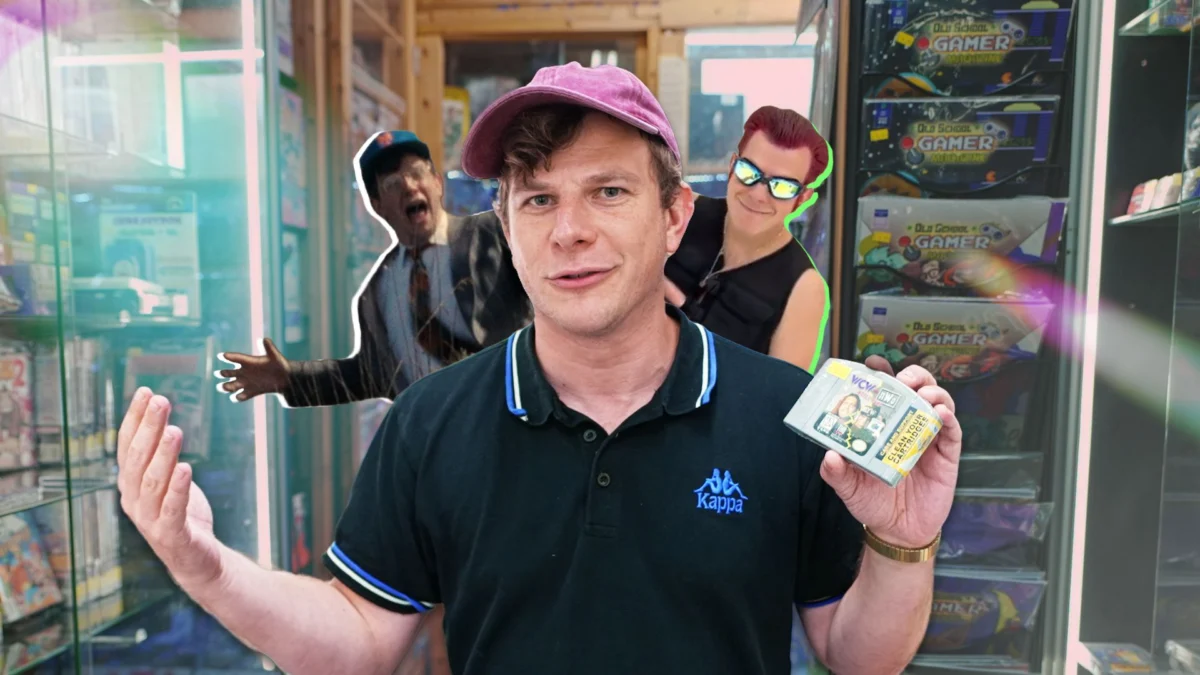
As part of Polygon’s 2026 Fall Preview, we sat down with Gordon for an episode of Shelf Quest, our deep-dive interview series that explores the digital artifacts and gaming memories that shaped the lives of today’s most interesting creators. As Gordon prepares for the October 15 release of his new album, Kyle Gordon Is Everywhere, it became clear that his creative process is deeply rooted in the paradoxical joy of consuming "bad" media.
The Genesis of a Cult Comedy Icon: A Chronology
Gordon’s rise to prominence is not a story of overnight success, but rather a slow-burn evolution of a performer who understands the specific frequency of internet nostalgia.
- Early Years: Gordon’s foundations were laid in the high school and collegiate a cappella circuits, where he honed his vocal control and arrangement skills.
- The NYC Improv Grind: Transitioning into the New York City comedy scene, Gordon spent years refining his stage presence and timing, learning how to weaponize absurdity.
- The Parody Pivot: Moving beyond the standard "funny guitar guy" tropes, Gordon began crafting high-production-value music videos that functioned as both effective genre exercises and biting satires. His work has gained such credibility that even the notoriously discerning Dr. Demento Facebook community has officially recognized his contributions to the comedy-music canon.
- The 2026 Milestone: With the upcoming release of Kyle Gordon Is Everywhere, Gordon is solidifying his status as a legitimate musical act that happens to be hilarious, cementing a legacy similar to the structural influence of "Weird" Al Yankovic.
The ‘Superman 64’ Doctrine: Why We Love the Terrible
One of the most revealing moments in our Shelf Quest conversation centered on Gordon’s relationship with Superman 64, a title widely considered one of the worst video games ever made. For many, the game is a cautionary tale of licensing mismanagement and broken mechanics. For Gordon, it was a pivotal childhood acquisition.
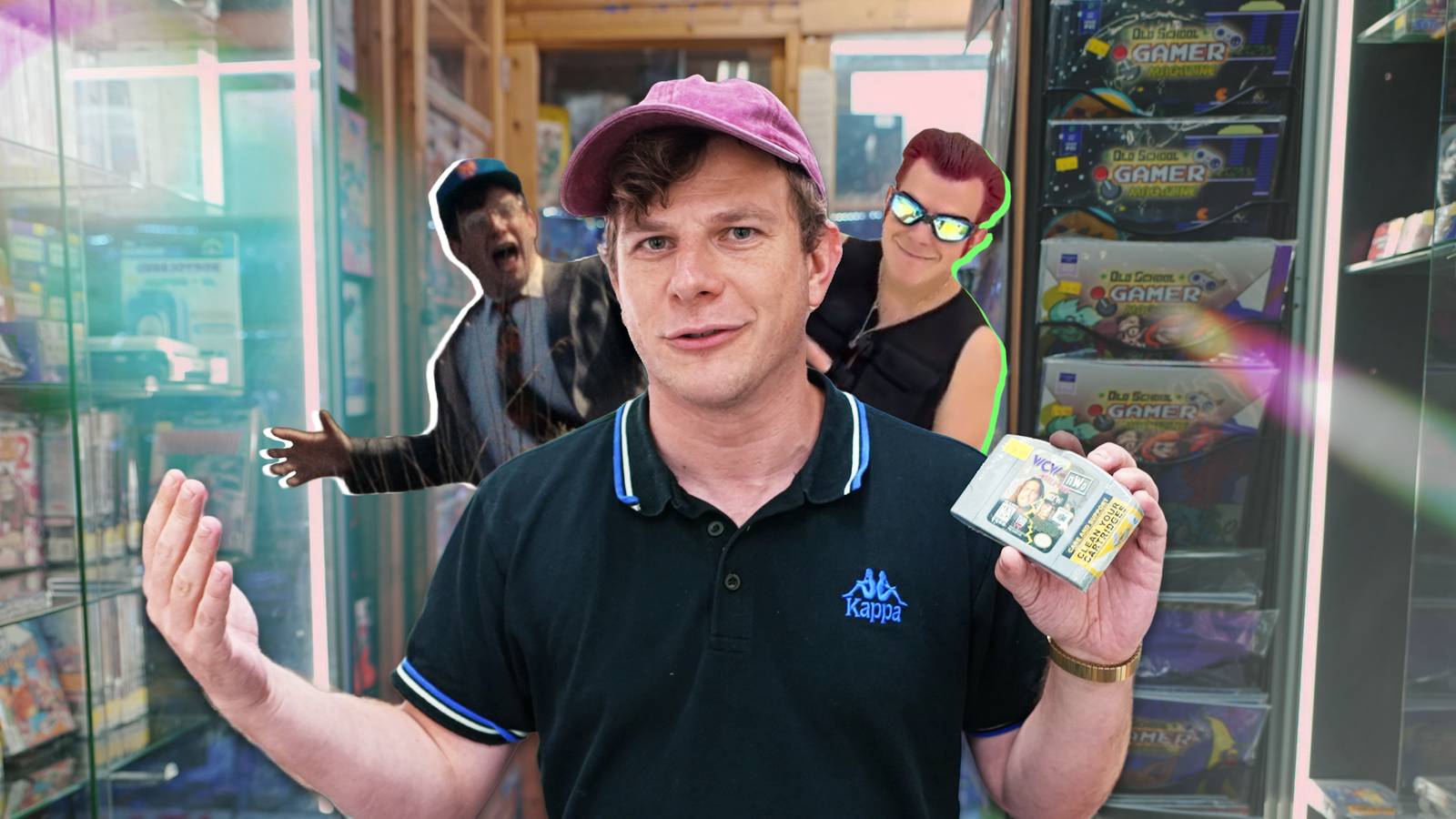
"If you’re going to make something really bad, you have to make sure that, like, 8-year-olds latch onto it," Gordon explains. "Because they’re the only ones stupid enough to not realize all the terrible elements of it."
This insight into the "gullibility of the young gamer" serves as a cornerstone for Gordon’s creative philosophy. He understands that nostalgia is not about objective quality; it is about the emotional investment made during a time when the world was smaller, rules were stricter, and the thrill of a new game—no matter how broken—was a rare luxury. Gordon’s parents imposed strict gaming limitations, which only served to heighten the stakes. When he finally got his hands on Superman 64, the frustration of the gameplay became inextricably linked to the excitement of the forbidden.
The Soundscape of a Generation: Supporting Data
While Superman 64 represents the darker, more frustrating side of Gordon’s gaming history, his taste in soundtracks reveals a more sophisticated ear. During our discussion, he articulated a clear appreciation for the "audio-first" experience of early 3D gaming.
Key Musical Influences in Gordon’s Gaming History
- Buck Bumble (N64): Gordon cites this as a prime example of "British house-music weirdness." The game’s soundtrack remains an underground legend, often cited for its bizarrely high-quality production in an otherwise mid-tier title.
- Bomberman Hero (N64): Another pillar of Gordon’s appreciation for electronic music in gaming. Like Buck Bumble, it leaned into an experimental, genre-blending sound that felt ahead of its time.
- NBA Street Vol. 2 (GameCube/PS2/Xbox): A masterclass in curation, blending hip-hop aesthetics with 1970s soul samples. This game taught Gordon about the power of atmosphere.
- Tony Hawk’s Underground (Multiplatform): For Gordon, this title was a gateway to punk rock and the importance of a curated, high-energy soundtrack in driving gameplay loops.
These choices are not random. They reveal a performer who is constantly analyzing how music dictates the "vibe" of an experience. When Gordon parodies a genre, he isn’t just mocking the lyrics; he is deconstructing the production choices, the synthesizer patches, and the specific energy of the era.
Official Responses and Industry Context
The music industry and the gaming world have long had a contentious relationship, but creators like Kyle Gordon are proving that the two can exist in a symbiotic, humorous, and deeply respectful loop.

When asked about the upcoming release of Kyle Gordon Is Everywhere, industry analysts at BMG (the label behind the project) have noted that Gordon’s ability to "meme-ify" his own music is a blueprint for the modern pop star. By integrating his gaming interests into his public persona, he creates a parasocial bridge with his audience that feels authentic rather than calculated.
"I wasn’t sure if he’d be the type of guy to dive into the deep lore of 90s console audio," I noted during the interview. To my delight, his response was an immediate inquiry into whether Buck Bumble was "on the table." This willingness to lean into the obscure is what separates a standard influencer from an artist with actual cultural staying power.
Implications: The Future of Nostalgia Comedy
The success of Kyle Gordon Is Everywhere and his previous viral hits suggests a shifting paradigm in comedy. We are currently in an era where "ironic" appreciation is being replaced by "sincere" appreciation of ironic things. When Gordon parodies Eurodance, he is essentially validating the genre for a new generation.
Furthermore, his interest in the "bad" games of the past implies a broader trend in game preservation. As the industry moves toward high-fidelity, hyper-realistic experiences, the "jank" of the late 90s—the stiff animations, the repetitive midi tracks, the absurd level design—is beginning to be viewed with a historical lens. Gordon’s work acts as a bridge, ensuring that these oddities are not forgotten, but are instead transformed into the fuel for future comedy.
Conclusion: A Quest for More
As the fall season approaches, Gordon’s influence is poised to expand. Shelf Quest exists to remind us that our personal history is composed of the media we consumed in the dark, the games we bought with saved-up allowance, and the songs that sounded good on a tinny television speaker.

Kyle Gordon’s journey—from the high school a cappella group to the heights of internet parody—serves as a reminder that the best comedy is born from a genuine, often uncool, love for the things that shaped us. Whether you are revisiting the tragic loops of Superman 64 or listening to the latest tracks on Kyle Gordon Is Everywhere, the message is clear: there is no such thing as a "guilty" pleasure. There is only the stuff you love, and the stuff you have yet to turn into a song.
Be sure to check out the full video interview with Kyle Gordon on the Polygon YouTube channel. For more on the biggest releases of the season, visit our 2026 Fall Preview hub, covering the latest in gaming, cinema, and television.