As humanity stands on the precipice of a new lunar gold rush, a sobering scientific reality has emerged from the cold, shadowed craters of our closest celestial neighbor. While space agencies and private corporations race to establish a permanent human presence on the Moon, a groundbreaking study published in the Journal of Geophysical Research: Planets suggests that our very arrival may be compromising the scientific integrity of the lunar surface.
The study, led by researchers at the European Space Agency (ESA) and the Instituto Superior Técnico, reveals that methane—a primary byproduct of spacecraft propulsion—does not merely dissipate into the void. Instead, it "hops" across the lunar surface, potentially contaminating the very regions that hold the most precious chemical clues to the origins of life on Earth.
The Main Facts: An Invisible Trail of Exhaust
For decades, the Moon has been viewed as a pristine, unchanging laboratory—a fossilized record of the early solar system. However, as the frequency of lunar landings increases, so too does the chemical footprint left by human technology.
The core concern centers on "permanently shadowed regions" (PSRs) near the lunar poles. These craters, untouched by direct sunlight for billions of years, act as natural cold traps. They are essentially cosmic freezers, preserving volatile compounds like water ice and prebiotic organic molecules that were delivered to the Moon by ancient comets and asteroids. Scientists believe these molecules are the chemical precursors to life, potentially containing the blueprints for DNA.
The new research demonstrates that spacecraft exhaust, specifically methane, is highly mobile in the Moon’s near-vacuum environment. Rather than staying at the landing site, these molecules become airborne in a ballistic, "hopping" trajectory, eventually settling in the polar regions. This cross-pollination of human-made chemicals with ancient, pristine samples could create a "noise" in the data that masks or obscures the very discoveries scientists hope to make.
A Chronology of Discovery: Tracking the Molecular Migration
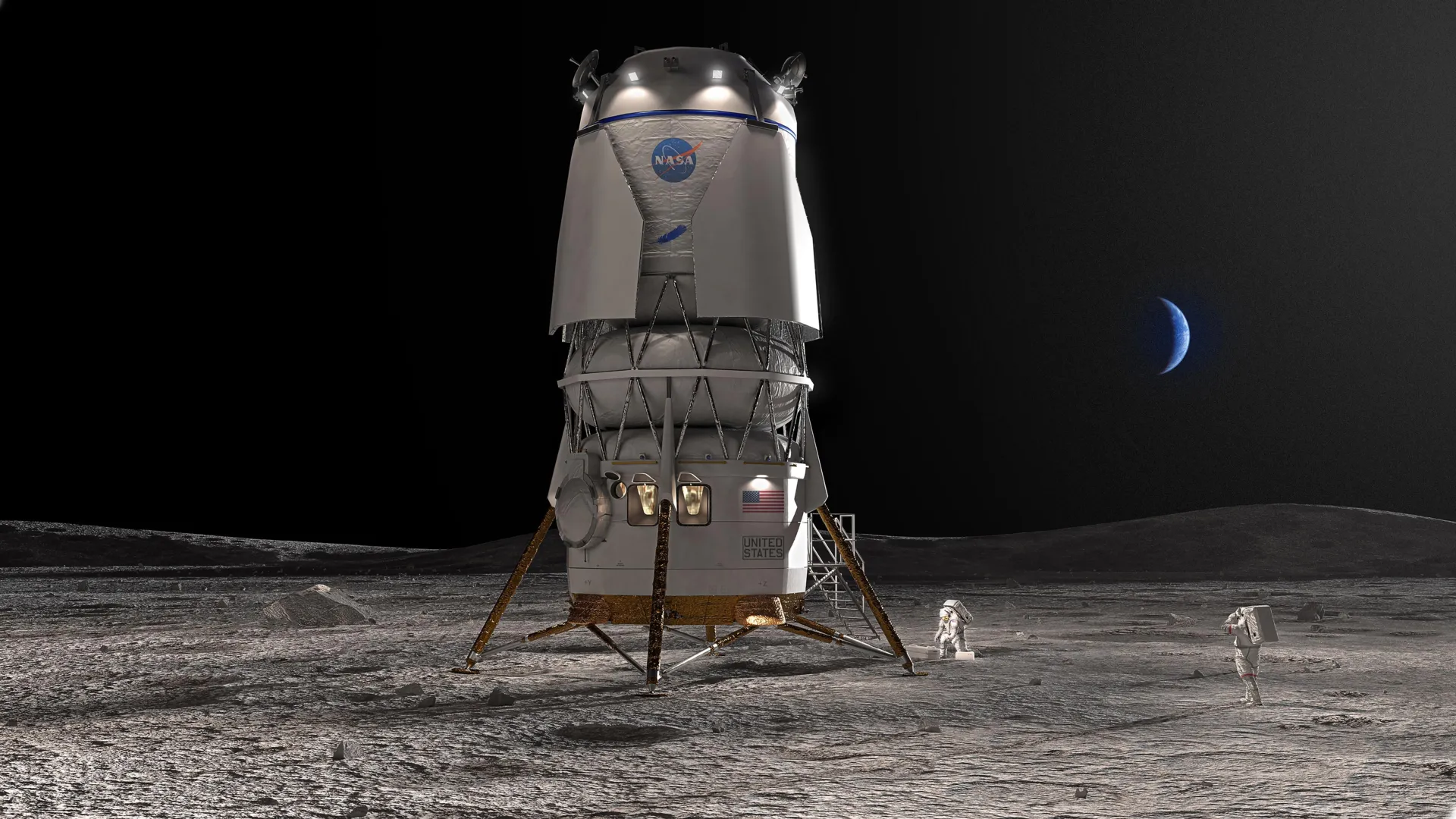
To understand the mechanics of this contamination, the research team—led by ESA planetary protection officer Silvio Sinibaldi and physicist Francisca Paiva—developed a complex computational model. They used the upcoming ESA "Argonaut" lander as a reference point for their simulations.
The Simulation Process
The model was not a simple calculation; it was a heavy-duty computational effort that required days and weeks of processing power. The team simulated thousands of individual molecules, tracking how they moved, how they collided with one another, and how they reacted to the lunar surface. Crucially, they accounted for the harsh reality of the lunar environment, including the ionizing effects of solar wind and intense ultraviolet (UV) radiation.
The Timeline of Contamination
The results were startling in their velocity:
- 0–48 Hours: Within less than two lunar days, methane molecules released at the South Pole were detected at the North Pole.
- 7 Lunar Days: In what equates to roughly seven months on Earth, the study found that more than 50% of the released methane had become "cold trapped" in the polar regions.
- The Distribution: Of that trapped methane, 42% had settled in the South Pole, while 12% had accumulated in the North.
This speed defies conventional intuition about planetary contamination. Because the Moon lacks an atmosphere to create drag or resistance, molecules essentially bounce from one point to another, powered by the interplay between solar energy and the extreme, freezing temperatures of the polar craters.
Supporting Data: Why the Moon is Not a "Safe" Zone
The primary takeaway from the study is that the lunar environment is far more interconnected than previously understood. The lack of an atmosphere means that there is effectively no "safe" landing site that guarantees a lack of contamination.
"We showed that molecules can travel across the whole moon," says Paiva. "In the end, wherever you land, you will have contamination everywhere."
This finding challenges the current paradigm of lunar mission planning. Historically, planetary protection—a set of guidelines intended to prevent the biological contamination of other worlds—focused primarily on "forward contamination" (carrying Earth microbes to Mars, for example). The new data suggests that even in the absence of life, chemical contamination is a significant threat that must be integrated into mission design.
The study also highlights a paradox: the very features that make the lunar poles scientifically valuable—their extreme cold and stability—are the exact features that make them magnets for exhaust molecules. The cold acts as a thermal trap, pulling in and locking away the methane released by thrusters, effectively "burying" the ancient history scientists are trying to uncover under a layer of modern, anthropogenic pollution.
Official Responses: Balancing Exploration and Preservation
The findings have ignited a conversation within the aerospace community regarding the necessity of "cleaner" exploration.
Silvio Sinibaldi, the study’s senior author, frames the issue as a conflict between two core human desires: the urge to explore and the desire to understand our history. "We are trying to protect science and our investment in space," Sinibaldi stated. He acknowledged the irony that the very activity intended to further human knowledge—landing on the Moon—could hinder the scientific discovery of that same knowledge.
Moving Toward Mitigation
The ESA team is not calling for a halt to lunar missions. Instead, they are advocating for a more nuanced approach to mission architecture. Potential strategies discussed include:
- Localized Contamination Research: Investigating whether exhaust remains strictly on the surface of the ice or if it penetrates deeper. If it stays on the surface, researchers might still be able to extract pristine samples from deeper layers.
- Strategic Landing Zones: Assessing whether colder landing sites might keep exhaust molecules more localized, preventing them from migrating as effectively as they do in warmer zones.
- In-Situ Validation: Sinibaldi is calling for mission teams to include specialized instruments on board future landers to validate these models. "It’s not theoretical—it’s a reality that we’re going to go there," he noted. "We will miss an opportunity if we don’t have instruments on board to validate those models."
Implications: The New Frontier of Planetary Protection
The implications of this study extend far beyond methane. Francisca Paiva has already set her sights on the next phase of research: determining how other materials, such as the chemicals released from spacecraft paint, adhesives, and rubber components, might interact with the lunar environment.
A Legal and Ethical Precedent
Perhaps most significantly, the study raises a question of global governance. As NGOs and private companies join the "lunar race," the standards for environmental protection on the Moon remain largely undefined.
"We have laws regulating contamination of Earth environments like Antarctica and national parks," Paiva noted. "I think the moon is an environment as valuable as those."
The study argues for an "Antarctica-style" approach to the Moon—treating the lunar surface as a protected commons where scientific integrity is prioritized. As we prepare to establish long-term bases and industrial outposts, the scientific community is now forced to grapple with the possibility that our first steps on the Moon may have already begun to alter its composition forever.
If we are to succeed in unlocking the secrets of how life emerged on Earth, we must first learn how to visit our neighbor without erasing its memory. The challenge for the next decade of space exploration will not just be about how we get to the Moon, but how we leave it behind—and whether we can preserve the very history we are seeking to uncover.