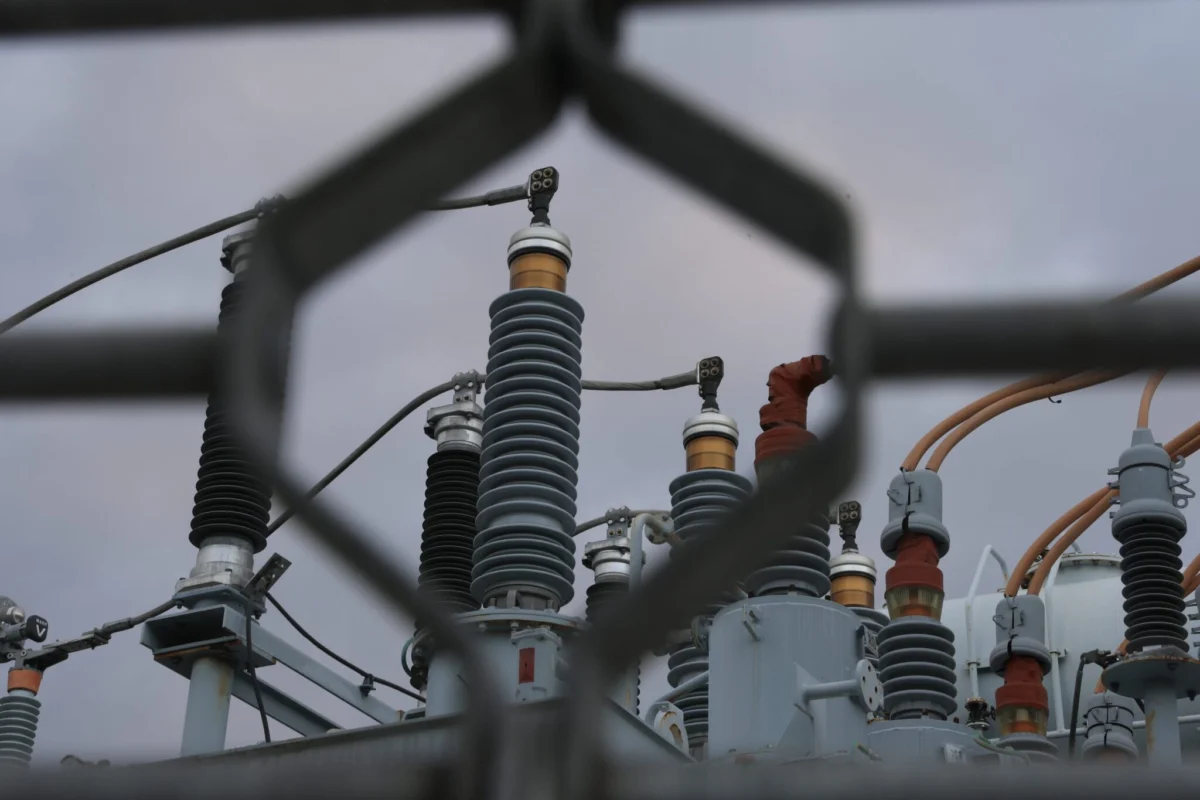
The rapid expansion of artificial intelligence represents perhaps the most significant technological shift in human history, moving at a velocity that eclipses the advent of the internet and the mobile phone. Propelled by the massive capital expenditures of "hyperscalers" like OpenAI, Google, and Meta, and fueled by the daily habits of millions of new users, the AI boom is reshaping the global economy. However, this digital sprint is currently colliding with a physical wall: the aging and slow-moving infrastructure of the United States power grid.
As data centers proliferate across the American landscape to support large language models and generative AI, a profound imbalance has emerged. While tech giants can finance and construct a massive data center in less than two years, the utility companies responsible for powering them often operate on decadal timelines. This "timing mismatch" threatens to stall the AI revolution, drive up consumer electricity costs, and force a reckoning over how the nation prioritizes its energy resources.
Main Facts: A System Under Strain
The core of the issue lies in the sheer volume of electricity required to train and run modern AI. Unlike traditional data processing, AI workloads require high-density power configurations to support energy-hungry GPUs (Graphics Processing Units). This demand is not just a marginal increase; it is a fundamental shift in the nation’s energy profile.
Key facts defining the current crisis include:
- Consumption Projections: Data centers are on track to consume nearly 12% of all U.S. electricity by 2030. For context, this is nearly six times their share in 2018, prior to the generative AI explosion.
- The Velocity Gap: Tech companies are designed for rapid iteration and deployment. Conversely, utilities are regulated entities mandated to ensure reliability and affordability through "deliberate study and planning," a process that often takes five to ten years for major infrastructure projects.
- Grid Scarcity: In many regions, the grid has reached its limit. New data center projects are being told they may have to wait years for a connection or accept "interruptible" service, where their power can be cut during peak demand to protect residential heating and cooling.
- Financial Risk: Utilities are increasingly wary of "stranded assets"—infrastructure built specifically for a data center that might become obsolete or financially unviable before the utility can recoup its investment.
Chronology: From Stagnation to Surge
To understand the current bottleneck, one must look at the last quarter-century of American energy history. The U.S. electricity industry is currently "out of practice" when it comes to massive expansion.
2000–2020: The Era of Flat Demand
For nearly 25 years, electricity demand in the United States remained remarkably flat. Despite a growing population and the proliferation of personal electronics, gains in energy efficiency—such as LED lighting and high-efficiency HVAC systems—offset the increased load. During this period, utilities focused on maintaining existing assets rather than building new generation and transmission lines. The massive grid expansions of the 1980s and 1990s had left the country with a comfortable surplus of capacity.
2021–2023: The Triple Threat
The landscape shifted abruptly following the COVID-19 pandemic. Three factors converged simultaneously to end the era of flat demand:
- The EV Transition: The push for electric vehicles began requiring significant residential and commercial charging infrastructure.
- Manufacturing Reshoring: New federal policies, such as the CHIPS Act and the Inflation Reduction Act, sparked a domestic manufacturing boom, particularly in semiconductors and batteries, both of which are energy-intensive.
- The AI Breakthrough: The release of ChatGPT in late 2022 signaled the start of an arms race. Hyperscalers began ordering thousands of H100 GPUs, requiring data centers with power densities far beyond anything seen previously.
2024 and Beyond: The Reality Check
By 2024, the "mismatch in timing" became an unavoidable reality. Tech companies began scouting locations not based on tax incentives or labor pools, but strictly on "speed to power." This has led to a geographic shift in development toward regions with perceived energy surpluses, which are now rapidly evaporating.
Supporting Data: The Scale of the Challenge
The data provided by federal agencies and industry watchdogs paints a stark picture of the uphill climb facing the energy sector.
The NERC Assessment
The North American Electric Reliability Corporation (NERC), in its 2025 assessment, projected that summer peak electricity demand will grow by more than 224 gigawatts (GW) over the next decade. This is a staggering 69% increase over the growth projected just one year earlier. This revision is almost entirely attributed to the revised forecasts for AI data center loads.
The Gigawatt Problem
To put a "gigawatt" in perspective, one GW can power approximately 750,000 U.S. homes. While a traditional data center might have required 10 to 50 megawatts, new "AI factories" are requesting 500 megawatts to over a gigawatt for a single site. According to research from the Lawrence Berkeley National Lab, power projects that came online in 2025 spent a median of five years in the "interconnection queue"—the period between requesting a connection and actually operating.
Regional Concentration
In the Western U.S. grid region, planned data centers now account for an average of 10% of total demand forecasts. However, in specific "hotspots" like Northern Virginia or parts of Ohio and Texas, data center demand can represent as much as 40% of the local load, creating localized "energy deserts" where new businesses or housing developments cannot get power because the capacity has been spoken for by a neighboring server farm.
Official Responses and Expert Perspectives
Industry leaders and government officials are beginning to speak out about the friction between the digital and physical worlds.
Rob Gramlich, President of Grid Strategies:
Gramlich emphasizes that the disconnect is cultural as much as it is technical. "Tech companies are famous for moving fast, while utilities notoriously move very slowly," he told Fortune. He notes that the industry’s lack of practice in building new infrastructure is a major hurdle. "We have electric vehicles, electric space heating, new manufacturing… and then we have data centers. Those new quickly expanding uses of electricity are happening all at once."
Kathryn Burke, Marsh Specialty Energy and Power:
Burke identifies access to power as the "number one bottleneck" for data center development. She predicts a significant "slowdown" in the tech rollout, estimating that 50% to 60% of announced data center projects will face delays. "It’s hard to predict how many of these data centers are actually going to get built at the end of the day," Burke said, noting that the financing and grid constraints are creating a massive "question mark" for investors.
The Department of Energy (DOE):
In a July report, the DOE acknowledged a "pressing need" for more transmission infrastructure. The department highlighted that the grid is not just failing to grow; it is failing to adapt to the type of load required by data centers, which require a constant, "baseload" supply of power 24/7, unlike the variable nature of solar or wind power.
Implications: A High-Stakes Balancing Act
The consequences of this energy-tech mismatch extend far beyond the balance sheets of Google or Meta. They touch on politics, social equity, and the environment.
1. The Cost to Consumers
One of the most immediate concerns is the impact on residential electricity bills. Building new transmission lines and power plants is expensive. If utilities front the cost for these upgrades, those costs are often passed down to the entire ratepayer base. This has led to scrutiny across party lines, with community advocates arguing that trillion-dollar tech companies should shoulder the entirety of the infrastructure costs rather than subsidizing their growth through the bills of average citizens.
2. Political and Social Pushback
The location of data centers has become a flashpoint in local politics. In states like Pennsylvania, Texas, and Ohio, data center development is becoming a "midterm election" issue. Residents are increasingly concerned about the "not in my backyard" (NIMBY) aspects of data centers: they consume massive amounts of water for cooling, take up large tracts of land, and provide relatively few permanent jobs compared to manufacturing plants, all while straining the local power grid.
3. Reliability and the Risk of Blackouts
If the grid cannot "catch up" to demand, the risk of instability grows. Gramlich notes that while utilities usually won’t connect a customer they can’t serve, the presence of these massive loads makes the entire system more brittle. During extreme weather events, the margin for error becomes razor-thin. This is why some data centers are being offered "provisional connections," meaning they are the first to be shut off when the grid is stressed—a condition that is antithetical to the "always-on" requirements of AI services.
4. The Sustainability Paradox
Most hyperscalers have ambitious carbon-neutral goals. However, the immediate need for massive power is forcing some regions to delay the retirement of coal and gas-fired power plants. The AI boom is creating a paradox where the technology intended to help solve climate change (through optimized energy use and new materials discovery) is, in the short term, driving a surge in fossil fuel consumption.
Conclusion
The "Great Power Collision" is a defining challenge of the 2020s. The United States finds itself in a position where its most promising economic engine—Artificial Intelligence—is tethered to its most neglected infrastructure—the electric grid. Without a fundamental shift in how transmission lines are permitted, how utilities are incentivized to build, and how tech companies contribute to the physical commons, the AI revolution may find itself throttled not by a lack of code or chips, but by a lack of simple, raw electricity. The next five years will determine whether the U.S. can modernize its grid fast enough to remain the global leader in the digital age.