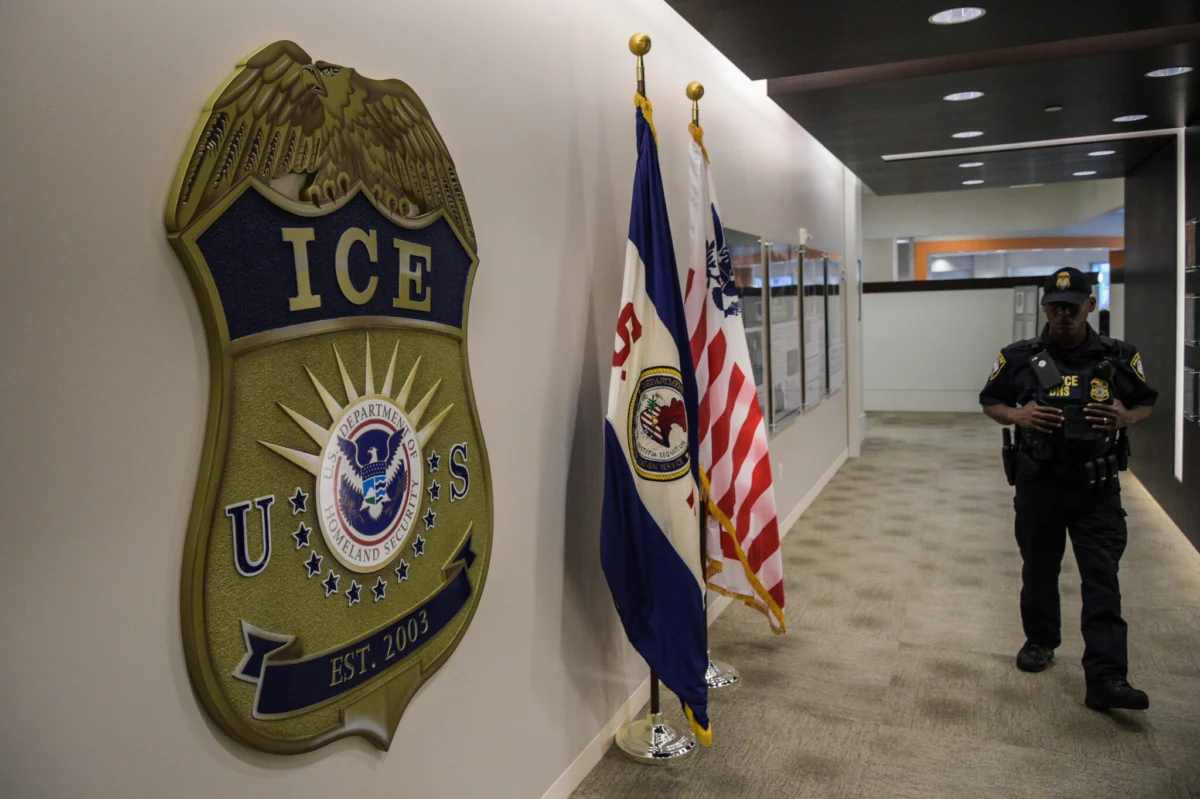
SAIPAN, Commonwealth of the Northern Mariana Islands — A diplomatic rift is widening between Beijing and Washington following the death of a 51-year-old Chinese national who passed away while in the custody of U.S. Immigration and Customs Enforcement (ICE). The incident, which occurred in the remote U.S. territory of the Northern Mariana Islands, has sparked a formal demand for a "timely and thorough" investigation by the Chinese government and has reignited a fierce national debate regarding the safety protocols and medical oversight within the American immigration detention system.
Lianyong Wei, the deceased, was pronounced dead on August 23, 2023, just hours after being transferred into federal custody. His death marks a grim milestone in what advocates describe as a burgeoning crisis within the Department of Homeland Security (DHS), occurring amidst a sharp rise in detainee fatalities since the start of 2025.
The Incident: A Sudden Fatality in Saipan
According to official statements released by ICE, the sequence of events leading to Mr. Wei’s death began in the early hours of August 23 at a detention facility in Saipan. During a routine morning check, a guard discovered Wei unresponsive in his cell. The agency reported that "life-sustaining interventions" were immediately initiated by facility staff and emergency medical personnel.
Wei was rushed to the emergency room of a local hospital, where medical professionals continued efforts to revive him. However, these efforts proved unsuccessful, and he was pronounced dead shortly thereafter. While ICE has confirmed the death, the agency has remained tight-lipped regarding the specific cause, stating only that the matter is currently under investigation by the Office of Professional Responsibility (OPR) and local medical examiners.
The facility in Saipan, which houses an average of 18 ICE detainees daily, is part of a broader network of territorial lockups used by the U.S. government to manage immigration enforcement in the Pacific. The remote nature of the Northern Mariana Islands—a chain of islands with a population of approximately 50,000—presents unique challenges for oversight and emergency medical response, factors that are now coming under intense scrutiny.
Chronology of Events: From Arrival to Custody
The timeline of Lianyong Wei’s presence in the United States and his eventual death reveals a complex narrative of overstayed visas and legal escalations.
- February 2019: Wei entered the Commonwealth of the Northern Mariana Islands (CNMI). At the time of entry, he was granted a temporary stay of two weeks.
- 2019–2024: Following the expiration of his authorized stay, Wei remained in the territory. His status during this five-year period remains largely undocumented in public records until federal intervention began.
- July 2024: U.S. immigration authorities officially initiated removal proceedings against Wei. A hearing regarding his deportation was scheduled for late August 2024.
- August 21, 2024: Wei was arrested by the Northern Mariana Islands Department of Public Safety. The arrest was based on criminal charges involving an alleged assault on a family of five at their residence.
- August 22, 2024: Following his initial arrest by local police, Wei was transferred to the custody of ICE’s Enforcement and Removal Operations (ERO) pending the outcome of his deportation case.
- August 23, 2024: Less than 24 hours after entering ICE custody, Wei was found unresponsive and subsequently died.
- August 24, 2024: Local authorities in the Northern Mariana Islands announced the death to the public.
- Late August 2024: ICE issued its formal news release acknowledging the death, more than a week after the incident occurred.
Supporting Data: A Growing Trend of Detainee Deaths
The death of Lianyong Wei is not an isolated tragedy but rather part of a statistically significant and alarming trend. According to data tracked by The Associated Press and various immigrant rights groups, Wei is the fifth Chinese national to die in the custody of ICE or the U.S. Border Patrol since March 2025.
The broader context of these fatalities is even more concerning to public health experts. Since the return of the Trump administration to the White House in January 2025, at least 57 ICE detainees have died in custody. This surge in mortality rates has drawn sharp criticism from the Mexican government, human rights organizations, and medical professionals who argue that the rapid expansion of detention capacity has outpaced the government’s ability to provide adequate healthcare.
Comparative Analysis of Recent Chinese National Deaths in Custody:
- Case 1 & 2: Two deaths were officially ruled as suicides, highlighting concerns over mental health resources and isolation protocols within detention centers.
- Case 3 & 4: Two deaths were attributed to medical complications, raising questions about the timeliness of interventions for chronic or acute illnesses.
- Case 5 (Wei): Currently under investigation, with specific focus on the "medical intake screening" process.
ICE policy mandates that every detainee receive a comprehensive medical screening within the first 12 hours of arrival at a facility. This screening is intended to identify pre-existing conditions, mental health risks, and acute medical needs. In the case of Mr. Wei, ICE has not yet confirmed whether this mandatory screening was performed before he was found unresponsive.
Official Responses: Beijing and Saipan Demand Answers
The diplomatic fallout from Wei’s death was immediate. The Chinese Consulate General in Los Angeles, which oversees matters in the U.S. Pacific territories, issued a stern statement emphasizing their "serious concerns."
"We have expressed serious concerns to the relevant U.S. authorities over this incident and required a timely and thorough investigation into the cause of Mr. Wei’s death," the consulate stated. Their demands include a full notification of investigative findings, the implementation of measures to prevent future occurrences, and logistical assistance for Wei’s family as they navigate the aftermath of his death.
On the local level, Anthony Torres, the Corrections Commissioner for the Northern Mariana Islands, acknowledged the gravity of the situation. "Following this incident, the Department is reviewing relevant procedures and will implement any necessary corrective actions to strengthen prevention and response measures," Torres said.
The delay in ICE’s public acknowledgment of the death has also become a point of contention. While local Saipan authorities reported the death on August 24, ICE—which aims to report such incidents within two business days—did not issue a formal statement until more than a week later. This delay has fueled suspicions among advocates regarding the transparency of the investigative process.
Implications: Policy, Human Rights, and International Relations
The death of Lianyong Wei carries significant implications that reach far beyond the shores of Saipan.
1. Diplomatic Strains
The incident adds another layer of friction to the already complex relationship between the United States and China. As Beijing increasingly asserts its role as a protector of its citizens abroad, deaths in U.S. custody provide a focal point for criticisms of American human rights records. This "tit-for-tat" rhetoric on human rights often complicates broader geopolitical negotiations on trade and security.
2. Oversight of U.S. Territories
The Northern Mariana Islands, like Guam and Puerto Rico, often operate under different logistical constraints than the continental United States. The death of a detainee in such a remote location highlights the potential "blind spots" in federal oversight. Critics argue that detainees in territories may have less access to legal counsel, independent medical evaluations, and advocacy groups than those held in major mainland hubs like Houston or Los Angeles.
3. The Return of "Zero-Tolerance" Policies
The fact that 57 detainees have died since January 2025 suggests a systemic issue linked to current immigration enforcement priorities. Under the current administration, the push for rapid removals and increased detention occupancy has put immense pressure on facility staff. Medical experts warn that when facilities are pushed to capacity, the quality of "routine checks" and "intake screenings" often suffers, leading to preventable fatalities.
4. Legal and Civil Liability
The assault allegations against Wei add a layer of legal complexity. While he was a suspect in a serious crime, the transition to ICE custody shifted the responsibility for his life and well-being to the federal government. If the investigation reveals that medical protocols were bypassed or that the facility was understaffed, the U.S. government could face significant civil litigation from Wei’s surviving family members.
Conclusion: A Call for Transparency
As the investigation into Lianyong Wei’s death continues, the focus remains on the transparency of the U.S. Department of Homeland Security. For the family of the deceased and the Chinese government, "timely and thorough" are not merely adjectives but requirements for justice.
The case serves as a somber reminder of the human cost of immigration policy. Whether the cause of death is determined to be natural, accidental, or a result of negligence, the loss of life within a 24-hour window of federal custody suggests a failure in the duty of care. As the death toll in ICE facilities continues to rise in 2025, the international community and domestic advocates alike are watching to see if the U.S. will move toward systemic reform or continue a pattern of silence and delayed reporting.