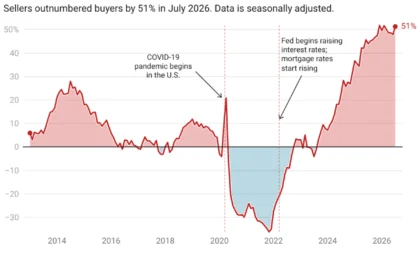
In the current real estate climate, the dynamics of home buying have shifted significantly. With the number of U.S. homebuyers recently hitting a record low and approximately 80% of housing markets now favoring buyers, the "panic-buying" frenzy of the pandemic era has largely evaporated. For today’s prospective homeowner, this shift represents a golden opportunity. Buyers now have the luxury of time—a critical asset that allows for a more calculated, selective, and strategic approach to property acquisition.
However, viewing a home through a lens of objectivity is easier said than done. Whether you are a first-time buyer navigating the complexities of the market or a seasoned investor looking for your next asset, the art of the home tour is defined by your ability to look past cosmetic staging and evaluate the structural and functional reality of the property.
The Foundation of a Successful Tour: Preparation and Mindset
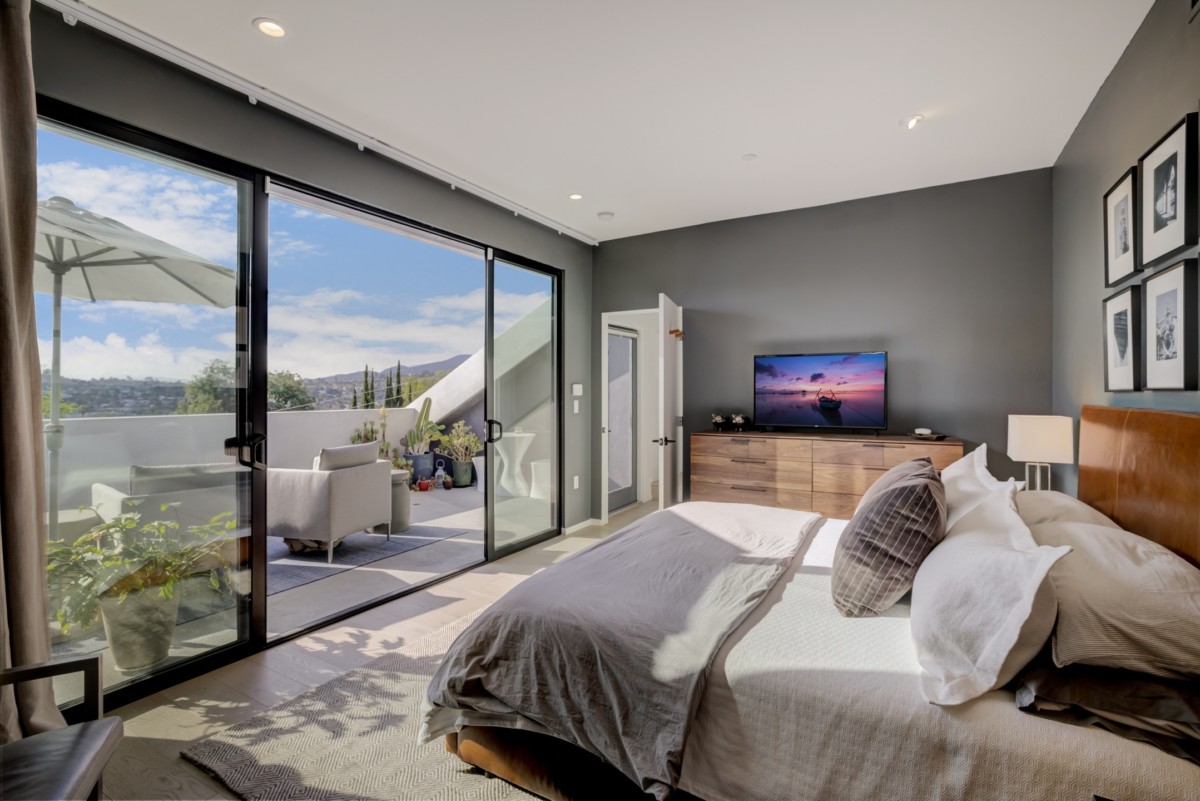
Before you even step onto a property, your preparation must begin with a clear definition of your requirements. A home tour is not merely an aesthetic experience; it is an investigation. To ensure you remain organized while viewing multiple properties, utilize a comprehensive house-hunting checklist. This tool serves as your anchor, preventing you from being swayed by "staging tricks"—the strategic use of lighting, furniture, and scents designed to mask flaws and inflate the perceived value of a space.
Defining Your "Must-Haves" vs. "Nice-to-Haves"
Before scheduling your first tour, categorize your priorities. Essential factors like square footage, proximity to schools, commute times, and structural integrity should be non-negotiable. "Nice-to-haves," such as granite countertops or smart-home integration, can be upgraded later. By distinguishing between these categories, you maintain your focus on the elements that truly impact long-term value and livability.

The Anatomy of an Inspection: Evaluating Functionality
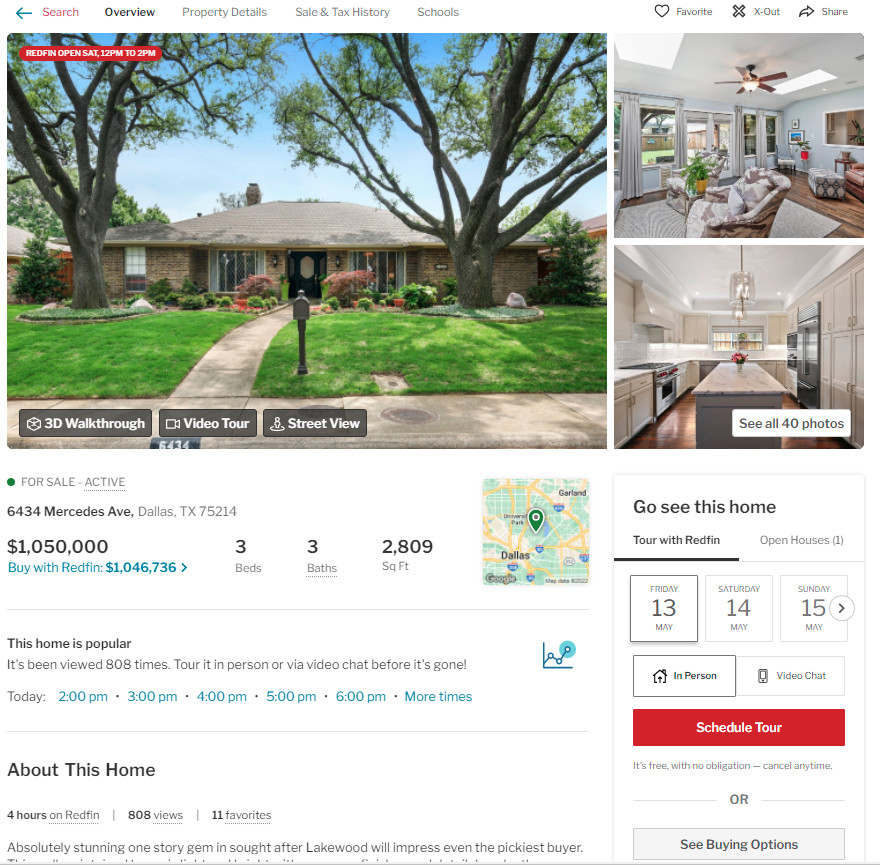
Once inside the home, your primary objective is to assess the utility of the space. Listing photos can capture the "wow" factor, but they cannot tell you if the floor plan makes sense for your lifestyle.
The "Day-to-Day" Stress Test
Think about how you move through a home. Does the flow from the kitchen to the living area feel intuitive? Are the hallways wide enough for your needs? During your walkthrough, do not be afraid to be thorough.
- Test the Hardware: Open every cupboard, test every faucet, and flush the toilets to check water pressure and drainage.
- Measure Twice: Bring a measuring tape. It is remarkably easy to underestimate the scale of a room when it is empty or, conversely, when it is filled with oversized staging furniture.
- Vertical Mobility: Evaluate the stairways. Are they steep? Do they have sturdy, code-compliant railings? Are the treads even and safe?
Using Your Senses as a Diagnostic Tool
Professional inspectors use sophisticated equipment, but your five senses are your first line of defense during an initial viewing.
Sight: The Early Warning System
Look beyond the fresh coat of paint. Examine the ceilings for water stains, which are tell-tale signs of past or present roof leaks. Check the corners of rooms for mold, and inspect the areas under sinks for signs of plumbing seepage. Take note of natural light; a home that feels bright and airy at noon might be a dungeon at 4:00 PM.
Sound: The Hidden Neighborhood Vibe
Is the house located near a high-traffic corridor or an industrial zone? Even if the home is quiet today, return to the area during rush hour to assess the true noise level. Inside, listen for the hum of the HVAC system and the creak of floorboards. Excessive noise can be a symptom of poor insulation or structural settling.
Smell: The Unvarnished Truth
Smell is perhaps the most difficult sensory input to "stage." Be wary of overwhelming artificial fragrances, as these are often deployed to mask pet odors, mildew, or cigarette smoke. A musty basement or a faint chemical scent can indicate deeper issues that require a specialist’s attention.
Touch: The Physicality of the Home
Feel the walls—particularly in bathrooms—to check for dampness. Test the water pressure in the shower. Are the floors level? A subtle slope in the floor can indicate foundation settling, a repair that can run into the tens of thousands of dollars.
The Exterior: Curb Appeal vs. Structural Integrity
The exterior is the home’s first line of defense against the elements. Walk the perimeter of the property with a critical eye.

- Roofing: Look for missing or curled shingles. If the roof is nearing the end of its lifespan, this should be factored into your offer.
- Drainage: Ensure the ground slopes away from the foundation. Water pooling near the house is a leading cause of basement flooding and structural degradation.
- Landscaping: While beautiful trees are a perk, those with branches hanging over the roof pose a risk to the structure and the gutters.
Strategic Questions for Your Real Estate Agent
Your agent is a vital resource. They possess market knowledge that the seller might be hesitant to disclose. If they don’t have an immediate answer, they are tasked with finding it. Consider asking the following:
- "What is the history of major repairs?" (Roof, HVAC, plumbing, foundation).
- "Are there any known issues with the homeowners’ association or local zoning?"
- "What is the average monthly utility cost?" (This is a strong indicator of the home’s energy efficiency).
- "How many offers has the property received, and why did they fall through?"
Navigating Red Flags: When to Walk Away
Knowing what to look for is only half the battle; knowing what to avoid is the other. Be particularly cautious of:
- Evidence of DIY Work: If electrical outlets are poorly installed or plumbing appears "custom," assume it was not permitted and may not meet safety codes.
- Unfinished Renovations: A home with half-painted rooms or missing baseboards often suggests the seller ran out of time or money, potentially hiding more significant underlying issues.
- Foundation Cracks: While minor settling is common in older homes, diagonal cracks in walls or doors that refuse to close properly are major red flags that require professional assessment.
The Role of Professional Inspections
It is critical to remember that a tour is not a professional home inspection. Even if you fall in love with a property, you must make any offer contingent upon a formal, third-party inspection. A licensed inspector will provide a detailed report on the systems you cannot see—the electrical panel, the insulation, the internal plumbing, and the foundation.
Conclusion: Buying with Confidence
In the current market, patience is your greatest ally. By treating the home tour as a rigorous data-gathering mission rather than an emotional experience, you position yourself to make a sound financial decision. Use your checklist, leverage your agent’s expertise, and trust your senses. When you finally find a home that passes these tests, you won’t just be buying a piece of real estate; you will be buying the peace of mind that comes with knowing you have done your due diligence.
The goal is not to find a "perfect" home—no such thing exists—but to find a home where the inevitable maintenance and quirks are known, manageable, and reflected in the price. By mastering the art of the tour, you transform from a casual browser into an informed, empowered, and successful homeowner.