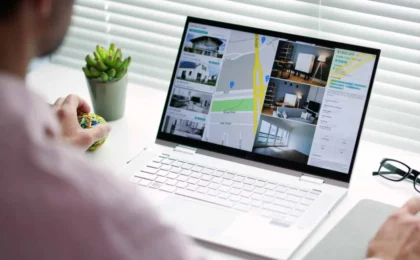
For the modern remote worker, the search for a new rental apartment has evolved from a simple quest for square footage and aesthetic charm into a mission-critical infrastructure audit. As the home transitions from a sanctuary of rest into a hub of professional production, the traditional metrics of real estate—such as kitchen finishes or walk-in closets—are being superseded by the need for ergonomic layouts, acoustic insulation, and robust connectivity.
Whether you are navigating the competitive rental markets of Sacramento, Dallas, or Providence, selecting a home that sustains a remote-work lifestyle is a multi-layered process. This guide explores the essential criteria, expert-backed evaluation tactics, and strategic considerations necessary to ensure your next apartment enhances both your career performance and your overall quality of life.
1. The Architectural Foundation: Optimizing Layout and Lighting
A functional floor plan is the silent engine of professional productivity. It must provide enough separation to maintain a healthy boundary between "office hours" and "living hours." Without this distinction, the psychological fatigue of a 24/7 work-from-home existence can quickly set in.
The Science of Workflow
Gerwin Van de Velde, marketing manager at Amazing Properties, emphasizes that a floor plan’s success is measured by its adaptability to the workflow of an entire day. "A good floor plan for a remote worker isn’t just about fitting a desk somewhere; it’s about whether the space supports the workflow of an entire workday," Van de Velde notes.
When evaluating a floor plan, consider the "Line of Sight" test. If your workstation is perpetually visible from your bed or sofa, your brain may struggle to detach from professional stressors. Additionally, Van de Velde warns that desk placement must be intentional: "Where the desk is placed matters, especially in terms of lighting, sun exposure, and street noise. A bright apartment can improve comfort and reduce eye strain, but consider if there are power outlets near the desk location. If you always see your workstation, it becomes significantly harder to switch off after the clock strikes five."
2. Infrastructure Audits: Verifying Connectivity Before the Lease
In the remote work era, internet speed is the equivalent of electricity or water—a non-negotiable utility. In high-density markets like Los Angeles, where apartment competition is fierce, renters often overlook the technical backbone of their units until it is too late.
Proactive Verification Tactics
Sebastian F. Rueda Cobos, founder of SwappaHome, advocates for a "deep-dive" approach to touring. "In my experience, connection speed is rarely the only problem," Cobos explains. "Just as often, the issue is a single outlet nowhere near the only usable table, no power strip in sight, or a genuinely loud neighbor."
To mitigate these risks, Cobos suggests an unconventional but highly effective strategy: The 30-Second Video Request.
"Ask the landlord to film a 30-second video of the room you’d work in from where a desk would actually go," he advises. "The video can show the outlets, potential glare, noise levels, and whether there’s a real work surface. Furthermore, ask open-ended questions. Instead of asking ‘Is it quiet?’, ask, ‘What does this room sound like on a Tuesday at 10 a.m.?’ This forces an honest assessment of the building’s acoustic environment."
Additionally, always inquire about the router’s location. Even if the building offers high-speed fiber, a router buried in a bedroom closet behind a concrete wall will render that speed useless in your living room office.
3. Acoustic Insulation and Environmental Control
Nothing ruins a high-stakes client presentation like the sound of a neighbor’s lawnmower or the muffled bass of a hallway conversation. Controlling the acoustic environment is essential for maintaining focus.
- Construction Quality: During your tour, pay attention to the thickness of the walls. Older, historic buildings often provide better acoustic insulation due to lath-and-plaster or brick construction compared to modern, lightweight drywall-heavy builds.
- Window Treatments: Street-facing windows are notorious for noise infiltration. Evaluate whether the unit has double-pane windows. If not, budget for sound-dampening curtains, which serve the dual purpose of acoustic buffering and light control.
- Climate Consistency: A room that becomes a greenhouse in the afternoon is not a viable workspace. Ensure the HVAC system provides consistent airflow to the office area. If the home office is in a remote corner of the apartment, test if the central air reaches that specific zone.
4. Leveraging Amenities and Neighborhood Synergy
Your apartment is part of a larger ecosystem. In cities like Chicago, the neighborhood functions as an extension of your home office. When working from home, the "third place"—a cafe, a library, or a coworking space—becomes vital for mental health.
Amenities as Extensions of the Office
When evaluating apartment amenities, prioritize those that support your work-life balance:
- Business Centers: Many modern complexes offer quiet, dedicated business centers. These are excellent for days when you need a change of scenery or a high-speed hardwired internet connection.
- Quiet Courtyards: Access to outdoor space can provide a much-needed mental reset between Zoom calls.
- Proximity to "Third Places": Ensure your apartment is within walking distance of at least two high-quality coffee shops or public workspaces. This allows you to rotate your environment without the stress of a commute, preventing work-from-home fatigue.
5. Flexibility: Lease Terms and Financial Planning
The modern remote worker is often a digital nomad or a geographic fluid professional. Rigid, 18-month leases can be a liability.
- Lease Adaptability: Look for landlords who are open to shorter lease terms or have clear subletting policies. As your career trajectory changes, your living situation should be able to pivot with it.
- Utility Transparency: Before signing, request a breakdown of average utility costs. Remote work increases electricity consumption (monitors, computers, AC/Heating). Ensuring these costs are predictable will help maintain your monthly budget.
Implications: The New Standard for Rental Living
The shift toward remote work is fundamentally changing the real estate market. Property managers are beginning to recognize that "Office-Ready" is now a top-tier selling point. As a renter, you are no longer just a tenant; you are an operator of a home-based business. Treating your apartment search with the rigor of a commercial office lease negotiation will pay dividends in your long-term career success.
Frequently Asked Questions (FAQ)
1. How much space do I need for a dedicated home office?
A dedicated office does not require a large square footage footprint. Industry standards suggest that 35 to 50 square feet is sufficient to accommodate an ergonomic desk, a task chair, and necessary equipment. The layout is more important than the size—ensure the desk is positioned away from high-traffic areas to minimize distractions.
2. What internet connection speed is ideal?
A baseline of 100 Mbps download and 20 Mbps upload is generally sufficient for standard remote operations, including video conferencing and cloud-based file management. However, if your household has multiple remote workers or you handle large data transfers, aim for a gigabit connection to ensure reliability.
3. How can I verify the quietness of an apartment?
The most accurate method is to conduct a site visit during "peak work hours"—between 10 a.m. and 3 p.m. on a weekday. Spend five minutes sitting silently in the proposed office space. Listen for ambient noise from common areas, hallways, and the street. Ensure the windows are closed to test the efficiency of the building’s soundproofing.
4. Can I deduct home office expenses from my taxes?
In the United States, W-2 employees are generally ineligible for federal home office tax deductions. However, self-employed individuals and independent contractors may qualify if they meet the IRS "exclusive and regular use" test. Always consult with a tax professional regarding your specific employment status.
5. What window treatments are best for video calls?
To prevent screen glare and ensure professional lighting, consider top-down/bottom-up cellular shades. These allow you to control the amount of light entering the room while maintaining privacy. For video calls, soft, diffused natural light is superior to direct sunlight, which can create harsh shadows on the face.