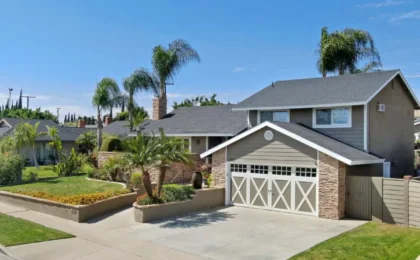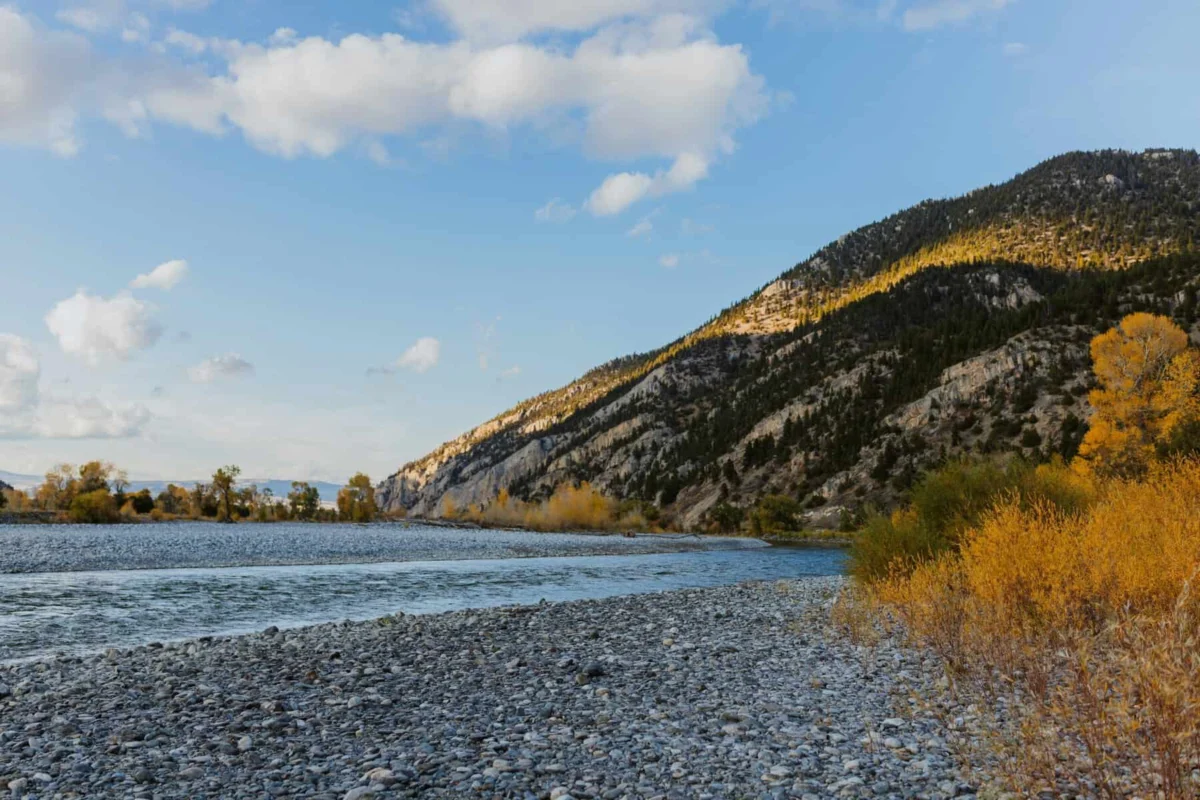
From the neon-lit stages of sold-out global concert tours to the quiet, wind-swept banks of the Yellowstone River, John Mayer has curated a life that exists at the intersection of stardom and solitude. His 15-acre estate near Livingston, Montana, is more than just a residence; it is a sanctuary that reflects the musician’s shift toward a more grounded, nature-focused existence. Featuring a custom home and a barn meticulously converted into a professional-grade recording studio, the property serves as a testament to the allure of the American West.
However, the "Montana dream" carries a price tag that extends far beyond the initial purchase price. For those looking to mirror this lifestyle in the Paradise Valley—a corridor defined by its jagged mountain peaks and proximity to Yellowstone National Park—the transition requires a sophisticated understanding of rural economics. This deep dive examines the financial and practical realities of living in one of the most desirable, yet challenging, landscapes in the United States.
The Geography of Solitude: Understanding Paradise Valley
Paradise Valley, stretching south from Livingston toward the northern entrance of Yellowstone National Park, has evolved from a quiet agricultural outpost into a premier destination for those seeking privacy, prestige, and a connection to the wilderness.
The appeal is multifaceted. To the east and west, the Absaroka and Gallatin ranges create a dramatic, steep-walled canyon that feels like the edge of the world. Yet, this beauty comes with a set of logistical complexities. As real estate markets in nearby Bozeman have surged, the ripple effect has pushed high-net-worth buyers into the surrounding valleys, significantly altering the housing landscape.
"Paradise Valley sits right between Bozeman and Yellowstone National Park, and it has grown more popular every year," notes Kate Hulbert, marketing director at Bozeman Real Estate Group. "As luxury hospitality brands like Sage Lodge and the new Auster at Dome Mountain enter the scene, the area is gaining global visibility. But it’s important to remember that this isn’t a suburban lifestyle. You are living in a rugged environment where the landscape demands respect."
Chronology of a Market Shift
The transformation of the Paradise Valley real estate market did not happen overnight. Over the past decade, several factors have converged to drive up the cost of entry:
- 2015–2019: The Discovery Phase. As remote work became more feasible and the desire for "mountain escape" properties grew, the valley saw a steady influx of second-home buyers from coastal tech hubs.
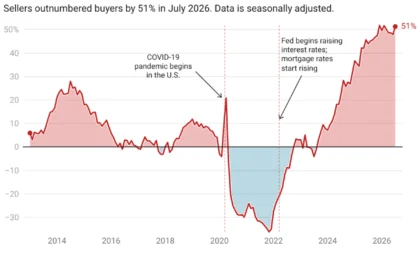
- 2020–2022: The Pandemic Acceleration. The COVID-19 pandemic catalyzed a massive migration toward rural, low-density areas. Properties that previously sat on the market for months were suddenly subject to bidding wars, and inventory plummeted.
- 2023–2026: The New Normal. While the frenetic pace of the pandemic market has stabilized, prices have remained anchored at a new, higher plateau. The median sale price for single-family homes on 10 or more acres near Livingston has settled at approximately $1.25 million as of mid-2026, marking a significant premium over the general market.
Supporting Data: The Financial Breakdown
To understand the cost of living in a property similar to Mayer’s—assuming a valuation of $1.25 million—one must look beyond the sticker price. The following estimates are illustrative of the current market realities for a luxury acreage estate in Park County, Montana.
The Mortgage Reality
With a 20% down payment ($250,000) and a prevailing interest rate of approximately 6.5% on a 30-year fixed loan, a buyer would be looking at a monthly principal and interest payment of roughly $6,320. This assumes excellent credit and standard lending terms, though jumbo loans for high-value properties can sometimes fluctuate based on the lender’s risk assessment.
Property Tax Nuances
Montana’s tax system is famously complex, particularly following recent legislative changes. The taxable value of a property is heavily dependent on its classification.
- Primary Residences: Homes occupied for at least seven months a year are taxed at a lower rate, currently starting at 0.76% of market value.
- Second Homes/Investment Properties: The state applies a flat 1.90% of market value to properties that do not meet the primary residency threshold.
"Buyers often price the house and forget the holding costs," explains Stacy Bennin, a local real estate expert. "You could have two nearly identical houses on the same road, but because one is a primary home and the other is a short-term rental or a vacation retreat, the tax bills will look vastly different." For a $1.25 million property, homeowners should budget at least $3,800 annually for taxes, though this figure can scale upward based on local mill levies and property classification.
The Hidden Costs of Rural Maintenance
Owning 15 acres is not merely a matter of paying a mortgage; it is akin to running a small, private utility company. Prospective buyers must factor in the following:
- Well and Septic Systems: Unlike city dwellers, homeowners in the valley are responsible for their own water and waste management. Annual inspections, pump servicing, and potential repairs to a well system are critical.
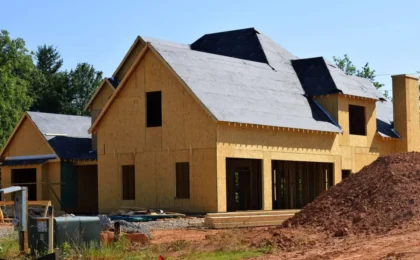
- Snow Removal and Road Maintenance: The "strong winds" noted by local experts are not an exaggeration. The valley is prone to heavy drifts, and for long driveways, private plowing services are a recurring winter expense that can cost thousands of dollars annually.
- Insurance: Given the high risk of wildfires in the Western United States, insurance premiums for rural, wood-heavy properties are rising. Homeowners should anticipate monthly costs ranging between $300 and $400 for comprehensive coverage.
Official Perspectives: The Reality of Life in the Valley
When asked about the challenges of living in such an environment, local experts are quick to temper the romanticized vision of Montana life.
"The views pull people in, but the challenges of living in this area are real," says Hulbert. "You are dealing with wildlife migration corridors, which can impact fencing and landscaping. You are managing the maintenance of private infrastructure. And you are contending with the elements—the wind here can reach speeds that turn simple home maintenance into a significant chore."
These "challenges" are the reason why many who buy into the valley end up opting for managed property services. The cost of outsourcing these tasks—landscaping, snow removal, security, and routine home checks—can add an additional $1,000 to $2,000 to the monthly budget, pushing the total cost of ownership well into the $7,000 to $8,000+ range.
Implications for Future Buyers
The implications for the market are clear: the barrier to entry is rising, not just in terms of purchase price, but in terms of the "lifestyle tax" associated with mountain living.
Renting vs. Buying: A Strategic Choice
For those hesitant to commit to the maintenance cycle, renting remains a viable, albeit limited, option. Rental rates in the Livingston area for high-end properties can range from $1,000 to $4,000 per month. However, renting rarely provides the level of privacy or the custom features (like a personal recording studio) that attract high-profile residents like Mayer.
The Long-Term Investment View
Despite the high carrying costs, Paradise Valley remains a high-demand market. The scarcity of land along the Yellowstone River ensures that property values have a level of resilience. For the investor or the homeowner, the "cost" is effectively a payment for privacy, space, and a proximity to nature that is increasingly rare.
Conclusion: Is the Paradise Worth the Price?
John Mayer’s retreat in Paradise Valley is emblematic of a broader trend: the migration of creative professionals and high-net-worth individuals to landscapes that offer a sense of permanent, quiet stillness. But for those looking to emulate this path, the financial takeaway is clear.
The $1.25 million purchase price is merely the "ticket of admission." The true cost of ownership is found in the monthly maintenance of a rural, high-altitude ecosystem, the complex web of property taxes, and the readiness to handle the unpredictable Montana weather. For those who find the value in the wide-open spaces and the ability to work from a barn overlooking the Yellowstone River, the investment is rarely measured in dollars alone—it is measured in the tranquility that only the Montana mountains can provide.
Prospective buyers are advised to conduct thorough due diligence, account for the hidden costs of land stewardship, and recognize that in Paradise Valley, the most valuable amenity isn’t the house itself—it is the land that requires constant, dedicated care.