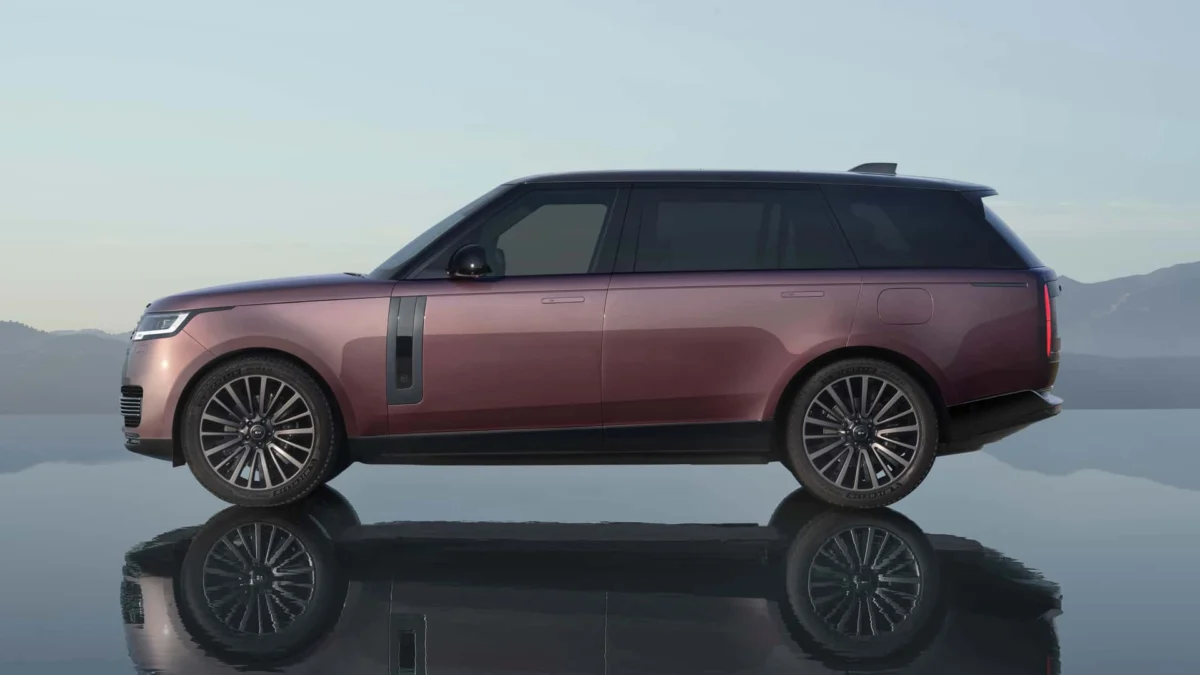
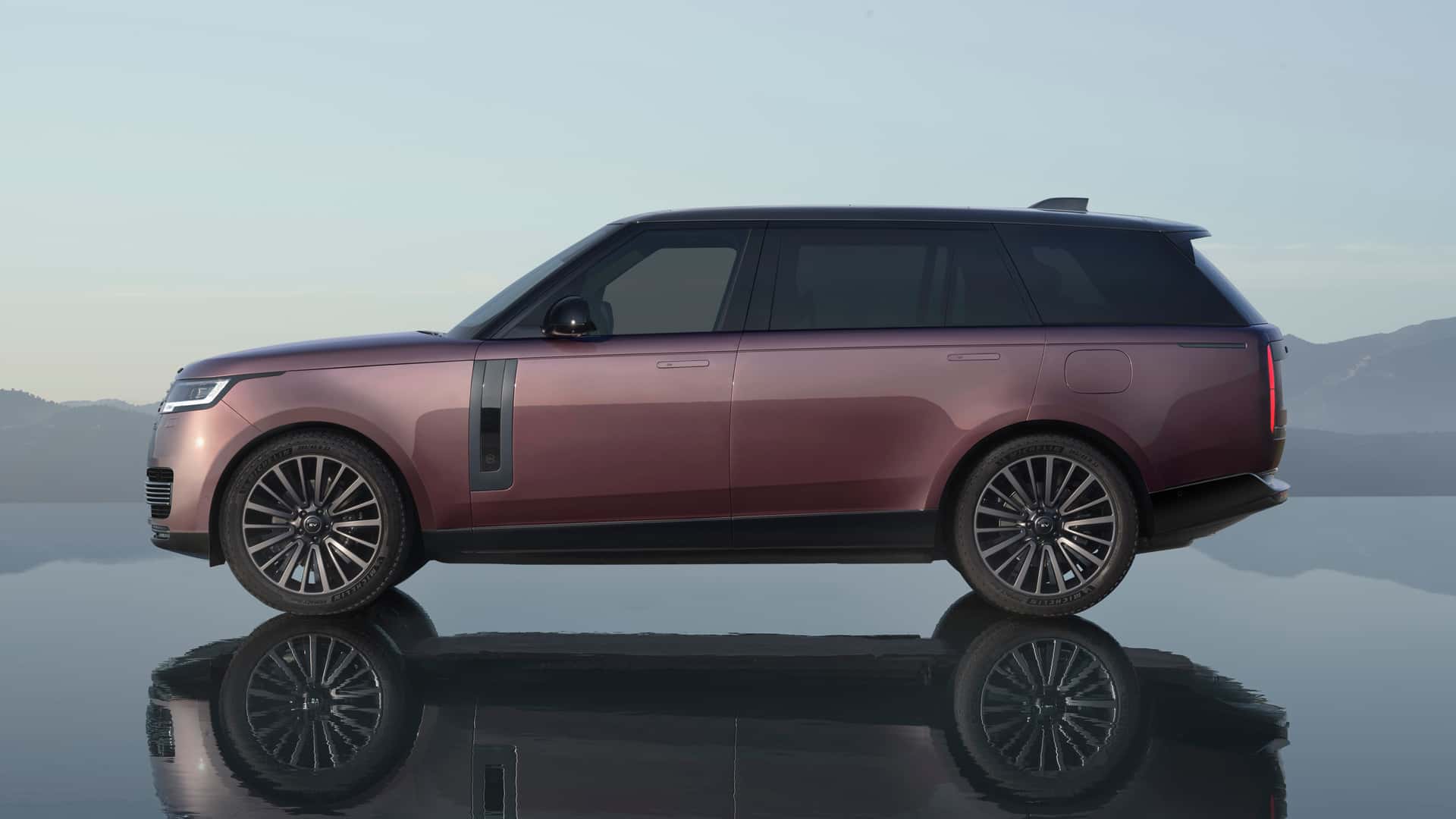
In the annals of automotive history, few nameplates carry the weight and prestige of the Range Rover. For 56 years, it has defined the luxury SUV segment, blending aristocratic refinement with go-anywhere capability. Now, after decades of internal combustion dominance, the flagship has entered the silent era. The Range Rover Electric is no longer a concept or a whisper in the halls of JLR (Jaguar Land Rover); it is a tangible, high-performance reality, with order books officially open and a starting price of $138,000 in the United States.
This transition is not merely a powertrain swap; it is a fundamental reimagining of what a luxury flagship can be. By integrating cutting-edge electric architecture with the rugged DNA that made the brand a household name, Land Rover is positioning its electric variant not just as an alternative, but as the new pinnacle of the lineup.
A Legacy Transformed: The Chronology of an Icon
The journey to the Range Rover Electric has been a deliberate, multi-year strategic pivot. For over half a century, the Solihull plant in the United Kingdom has served as the heartbeat of the brand. Converting this massive industrial complex to accommodate a battery-powered future was a gargantuan task.
JLR embarked on a massive retraining program, upskilling 9,000 workers at the Solihull facility to handle the complexities of high-voltage systems and specialized battery assembly. An additional 1,500 employees across the West Midlands were integrated into the new electric supply chain. This effort culminated in the Electric Propulsion Manufacturing Centre in Wolverhampton—the largest facility of its kind in the UK—where both the electric drive units and the high-density battery packs are manufactured alongside the company’s internal combustion engines.
The timeline leading to this launch saw the gradual introduction of mild-hybrid and plug-in hybrid variants, which served as a technological bridge. By testing these electrified systems in the real world, engineers were able to refine the software and thermal management required for a full-battery electric vehicle (BEV) capable of maintaining the "Range Rover standard."
Engineering the Future: Power, Performance, and Data
At the heart of the new Range Rover Electric lies a double-stacked 118.5-kilowatt-hour lithium-ion battery. Composed of 344 prismatic cells, this architecture is designed for longevity and high-energy throughput. The vehicle utilizes an 800-volt electrical system, a choice that facilitates ultra-fast charging and improved efficiency.
By the Numbers:
- Power Output: 542 horsepower generated by dual permanent-magnet motors (one on each axle).
- Torque: 627 pound-feet, marking the highest torque figure in the history of the Range Rover nameplate.
- Acceleration: 0 to 60 mph in 4.3 seconds; 50 to 75 mph in 2.7 seconds.
- Range: EPA-rated for up to 333 miles on a single charge.
- Charging: 10 to 80 percent capacity in approximately 22 minutes using a 350-kilowatt DC fast charger. At peak efficiency, drivers can add roughly 125 miles of range in just 10 minutes of charging.
The performance metrics confirm that this is not a compromise. With V8-level power delivery, the electric model promises the effortless, "wafting" acceleration that Range Rover owners demand, without the emissions or the lag associated with traditional turbocharging.
Off-Road Prowess in a Silent Package
Critics of the shift to electrification often point to the loss of "soul" or the inability to handle extreme terrain. However, Land Rover has doubled down on its off-road pedigree. The secret weapon is the Integrated Traction Management system. Because electric motors can be controlled with much higher precision than a mechanical engine, the system can adjust motor speed in just 50 milliseconds—roughly 100 times faster than a traditional combustion-engine drivetrain can react to wheel slip.
The Intelligent Driveline Dynamics system provides torque vectoring that is granular and instant, capable of sending anywhere from 0 to 100 percent of available rear torque to the wheel with the most grip. For the adventurous owner, the vehicle retains the signature 35-inch wading depth, a feat achieved through rigorous sealing of the battery pack and electric drive units.
Furthermore, the "Single Pedal" driving mode has been specifically tuned for technical terrain. It allows a driver to navigate a 33-degree incline or a 45-degree descent with surgical precision, relying solely on the throttle to manage speed and traction.
Official Perspectives: The Philosophy of Control
Matt Becker, JLR’s Vehicle Engineering Director, has been instrumental in ensuring that the electric model does not feel like a "disconnected" appliance. During the testing phase, the development team focused heavily on ride quality and cabin isolation.
"From challenging low-grip and rough terrain to smooth, high-speed roads, it remains incredibly composed and refined, with a real sense of control and confidence," Becker noted. The engineering philosophy was clear: the electric Range Rover should behave like a Range Rover first, and an electric vehicle second. By maintaining the same wheelbase options and chassis geometry as the hybrid models, the brand has successfully ported its famous "Command Driving Position" and suspension tuning into the new platform.
Trims, Customization, and Ownership Experience
The Range Rover Electric is designed to cater to the most discerning clientele. It is available in both short- and long-wheelbase configurations, with a tier structure that ranges from the base SE to the ultra-exclusive SV Ultra.
For those looking to mark the occasion of the brand’s first EV, the "First Edition" is a standout. It features a curated palette of exterior finishes including Belgravia Green, Santorini Black, and Varesine Blue. The interior is equally bespoke, utilizing sustainable, high-end materials like Light Cloud Ultrafabrics and intricate Kvadrat textile trim.
Ownership is supported by an eight-year, 100,000-mile warranty on the battery and drive units, providing peace of mind for the long-term investment. Additionally, in a strategic move for the North American market, the vehicle features native NACS (North American Charging Standard) compatibility, granting owners seamless access to the expansive Tesla Supercharger network.
Strategic Implications: Shifting the Luxury Paradigm
The launch of the Range Rover Electric is a litmus test for the ultra-luxury segment. As traditional status symbols grapple with the global mandate for sustainability, the ability to maintain prestige while ditching the tailpipe is critical.
Market Impact
The $138,000 price tag places the vehicle in direct competition with the likes of the Mercedes-Benz EQS SUV and the upcoming electric offerings from Bentley. However, the Range Rover holds a unique trump card: its off-road heritage. While many luxury EVs are essentially "pavement princesses," the Range Rover is marketed as a vehicle that can traverse the English countryside in the morning and pull up to a five-star hotel in the evening without looking out of place in either setting.
If production at the Solihull plant scales successfully and the reliability of the 800-volt architecture proves robust, this vehicle could effectively reset the expectations for luxury SUVs. It forces competitors to choose between being a "tech gadget on wheels" or a "true utility vehicle." Land Rover is betting that it can be both.
The Road Ahead
While the electric transition is undoubtedly a massive hurdle for a legacy manufacturer, the early data suggests a well-calculated approach. By keeping the manufacturing process integrated with their existing combustion-engine production, JLR has minimized supply chain risks. The decision to offer the Range Rover Electric alongside the plug-in hybrid and the Range Rover Sport Electric suggests a "choice-first" strategy, allowing the market to dictate the speed of adoption.
For the traditionalists, the familiar silhouette remains. For the futurists, the performance and technology are industry-leading. As the first deliveries approach, the industry will be watching closely to see if the world’s most famous luxury SUV can successfully bridge the gap between its storied past and a high-voltage future. One thing is certain: the era of the electric Range Rover has arrived, and it is here to define the next half-century of the brand.