For American dessert enthusiasts, the freezer aisle is more than just a place to pick up a treat; it is a battleground of regional pride, culinary tradition, and sensory experience. Two titans of the industry, Blue Bell Creameries and the Tillamook County Creamery Association, stand as the gold standards of their respective territories. While both brands have cultivated near-cult followings and are frequently cited as the premier choices for premium store-bought ice cream, they are fundamentally different products.
Understanding the "why" behind the preference requires looking beyond the packaging. From the lush pastures of the Pacific Northwest to the heart of the Texas Hill Country, the divergence between Blue Bell and Tillamook is a story of geography, business structure, and the pursuit of the perfect scoop.
The Core Differences: Texture and Formulation
At the most granular level, Blue Bell and Tillamook are constructed differently. The most immediate difference a consumer notices is the "mouthfeel."
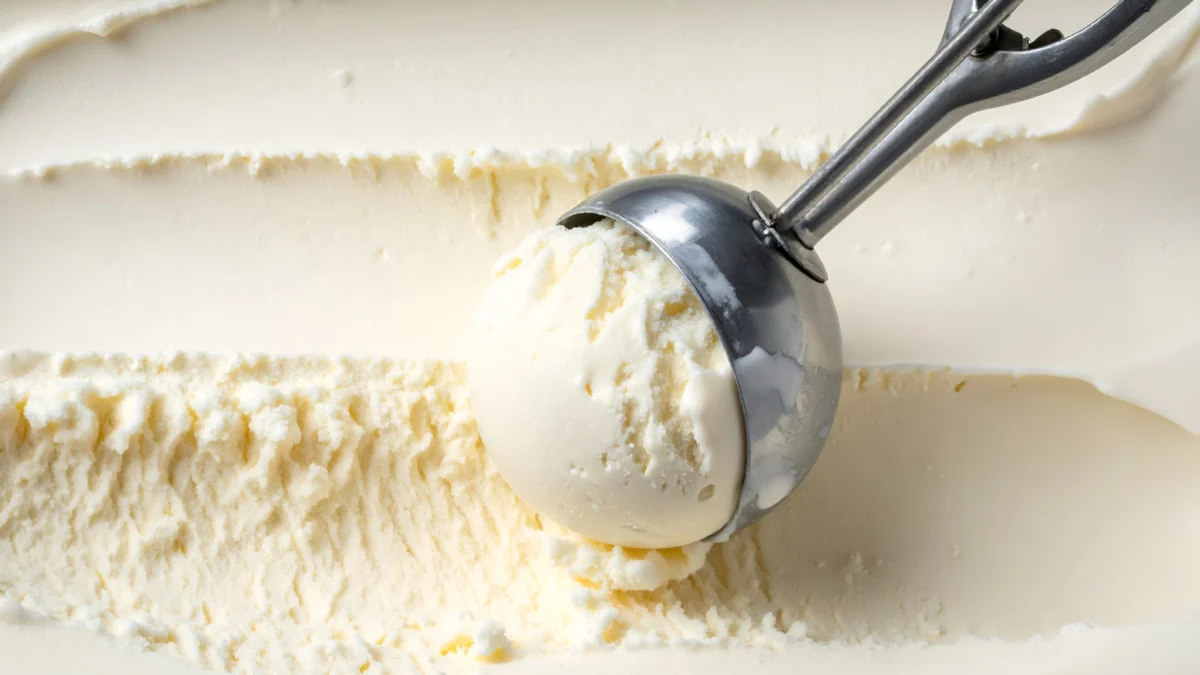
Tillamook ice cream is widely recognized for its high butterfat content. In the world of frozen desserts, fat is flavor—and, more importantly, texture. By prioritizing a higher percentage of milk fat, Tillamook achieves a dense, velvety, and luxurious consistency that melts slowly on the palate. This approach aligns with the brand’s identity as a dairy-forward cooperative, where the richness of the milk is the primary star.
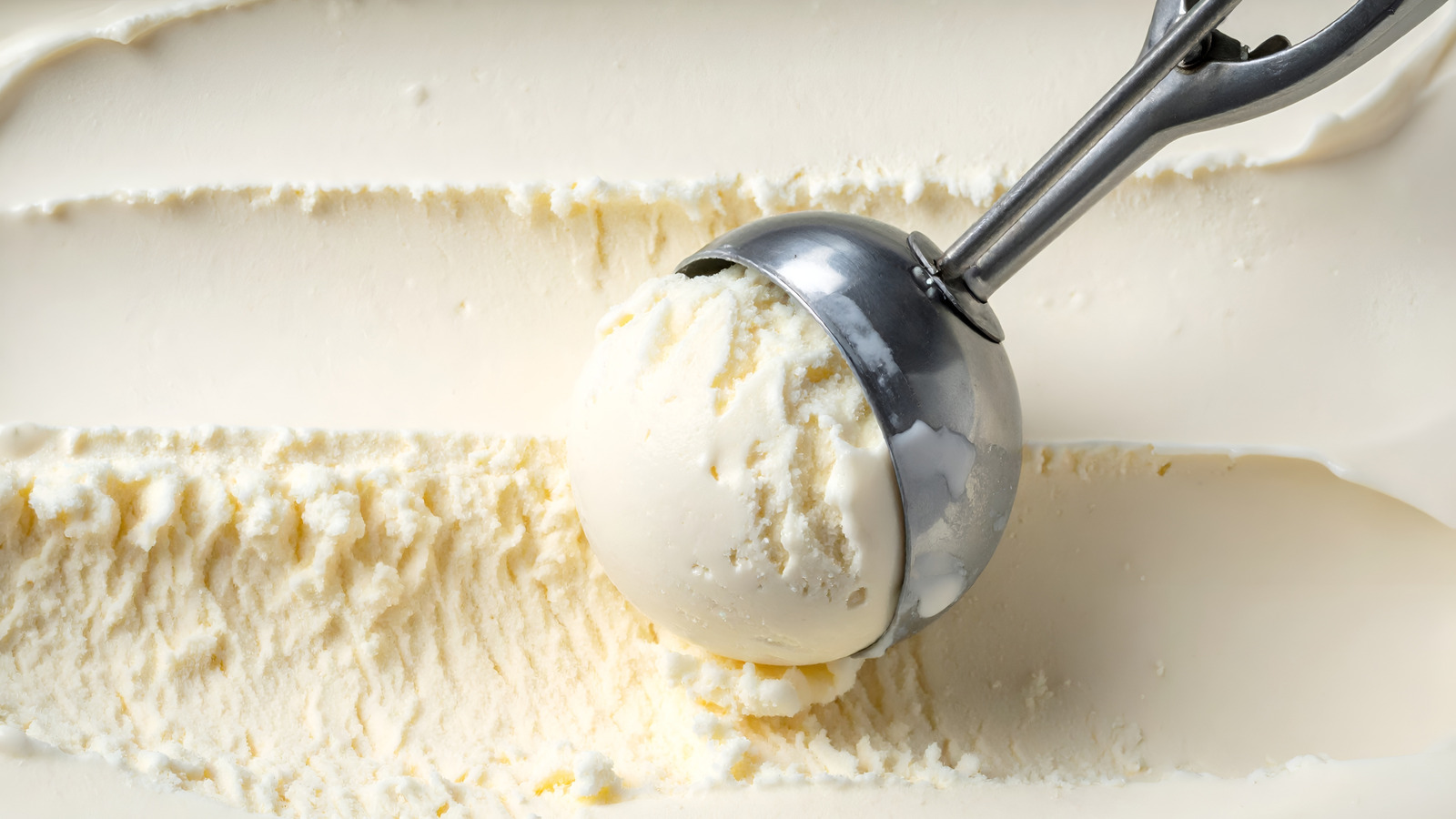
Conversely, Blue Bell offers a profile that is often described as "airy." This is not an indictment of quality, but rather a deliberate stylistic choice. Blue Bell’s texture provides a lighter, more nostalgic eating experience that many Southerners associate with homemade ice cream churned on a back porch. This aeration allows the flavors to hit the palate quickly and clearly, making it a preferred pairing for warm desserts like peach cobbler or apple pie, where a dense, fatty ice cream might overwhelm the dish.
Ingredient lists also tell a divergent story. Tillamook markets its products with a focus on "natural" labels and minimal processing, leaning into its identity as a farmer-owned enterprise. Blue Bell, while equally beloved, occasionally utilizes different stabilizers and ingredients—including, in some instances, high fructose corn syrup—to achieve its signature consistency and shelf-stability.
Chronology: A Century of Dairy Heritage
The histories of these two companies offer a glimpse into the early 20th-century American dairy industry.
Blue Bell: The Texas Institution
Blue Bell Creameries was founded in 1907 in Brenham, Texas. Originally known as the Brenham Creamery Company, the business began as a collaborative effort by local farmers to turn surplus cream into butter. It wasn’t until 1930 that the company rebranded as "Blue Bell," named after the native Texas bluebell wildflower.
The mid-20th century was a period of pivot and expansion for the brand. By 1958, the company made the strategic decision to cease butter production entirely and focus exclusively on ice cream. This transition allowed Blue Bell to perfect its craft, eventually expanding its footprint from local Texas markets to a regional powerhouse now distributed across two dozen states. The brand remains famous for its "direct store delivery" system, which ensures that only Blue Bell employees—not third-party distributors—handle the product from the factory to the store shelf, a move intended to maintain stringent quality control.
Tillamook: The Coastal Cooperative
Two years after Blue Bell’s founding, the Tillamook County Creamery Association (TCCA) was established in 1909 along the rugged Oregon coast. The formation of the cooperative was born out of necessity; farmers in the region were physically isolated from the major distribution hubs of Portland by a treacherous mountain range.
To survive, the farmers banded together to standardize their production and collectively market their goods. They navigated the Pacific Ocean, utilizing ships to transport their butter and cheese to market. Over the last century, this co-op structure has remained the backbone of the company. Today, many of the farmers who supply the cream are descendants of the original founding families. While the company has grown into a national brand, it continues to operate under the same cooperative model, ensuring that the dairy farmers themselves have a seat at the table regarding the company’s direction.
Supporting Data: Regionality and Flavor Profiles
The flavor portfolios of these two brands are reflections of their home territories.
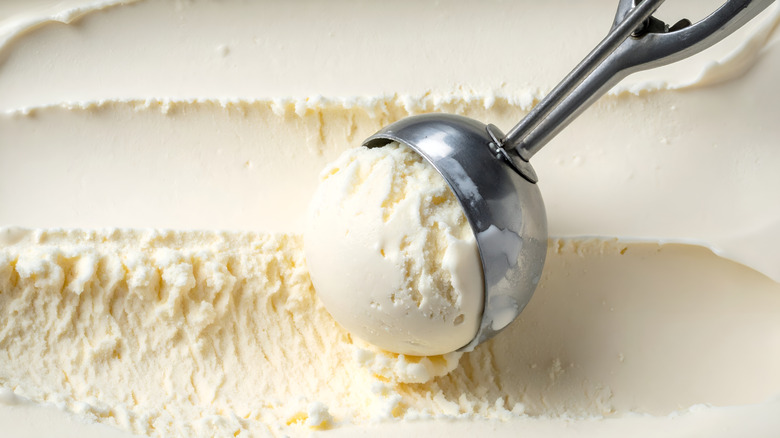
Tillamook’s flavor innovation is heavily influenced by the bounty of the Pacific Northwest. Their product development teams frequently highlight ingredients like Oregon Dark Cherry, Sea Salt and Honeycomb Toffee, and various berry-based concoctions that pay homage to the fertile valleys of Oregon. The brand’s identity is inextricably linked to the "farm-to-table" ethos, appealing to consumers who prioritize ingredient sourcing and the "farmer-owned" label.
Blue Bell, by contrast, is a cultural touchstone in the South. Its flavor lineup reads like a menu of Southern favorites: Dutch Chocolate, Pecan Pralines ‘n Cream, and Bride’s Cake. The brand has mastered the art of the "limited-time offering," frequently releasing seasonal flavors that drive immense foot traffic to grocery stores. The brand’s "Homemade Vanilla" is arguably its most famous product, consistently ranking as a top seller and frequently cited by loyalists as the gold standard for a classic vanilla base.
Official Responses and Industry Philosophy
In terms of market positioning, neither company has felt the need to publicly attack the other. Instead, both have leaned into their unique value propositions.
Tillamook’s communications emphasize transparency. As a cooperative, they often feature their farmers in marketing campaigns, highlighting the specific standards of animal welfare and milk quality that go into every pint. Their "premium" pricing is marketed as an investment in a superior, higher-fat, natural product.
Blue Bell’s communications lean heavily into emotion and regional loyalty. Their marketing materials often evoke feelings of community, family gatherings, and the "Texas way of life." The company’s resilience—having navigated significant public relations and food safety challenges in the 2010s—resulted in a surge of consumer support, proving that the brand’s connection to its customer base is as much about trust and identity as it is about taste.
Implications: The Future of the "Pint"
The rivalry between Blue Bell and Tillamook serves as a microcosm of broader trends in the American food industry. We are currently witnessing a shift where consumers are moving away from monolithic, national brands in favor of products with a "sense of place."
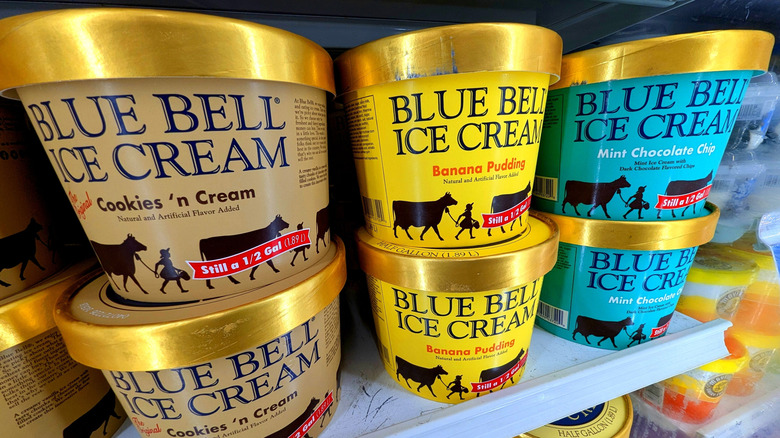
Both Blue Bell and Tillamook have successfully leveraged their origins to create a "halo effect" around their products. When a consumer buys a pint of Tillamook, they are not just buying ice cream; they are buying into the image of the Oregon coastal farmer. When a consumer buys Blue Bell, they are buying into the legacy of a century-old Texas tradition.
However, the expansion of both brands into national distribution presents a unique challenge: can they maintain their regional authenticity as they scale? Both companies are currently navigating this growth, balancing the need to reach new demographics with the desire to keep their original, loyal customer base satisfied.
Ultimately, the choice between the two is less about which brand is "objectively" better and more about what the consumer desires in the moment. If one craves a dense, buttery, premium dessert that highlights the purity of milk, Tillamook is the definitive choice. If one seeks an airy, nostalgic, flavor-forward scoop that pairs perfectly with the comforts of a Southern-style dessert, Blue Bell remains the undisputed champion.
In the competitive landscape of the freezer aisle, these two brands have proven that there is room for different philosophies of quality. Whether it is the lush cream of the Pacific or the storied heritage of the Texas plains, both Tillamook and Blue Bell have secured their places in the pantheon of American culinary icons.