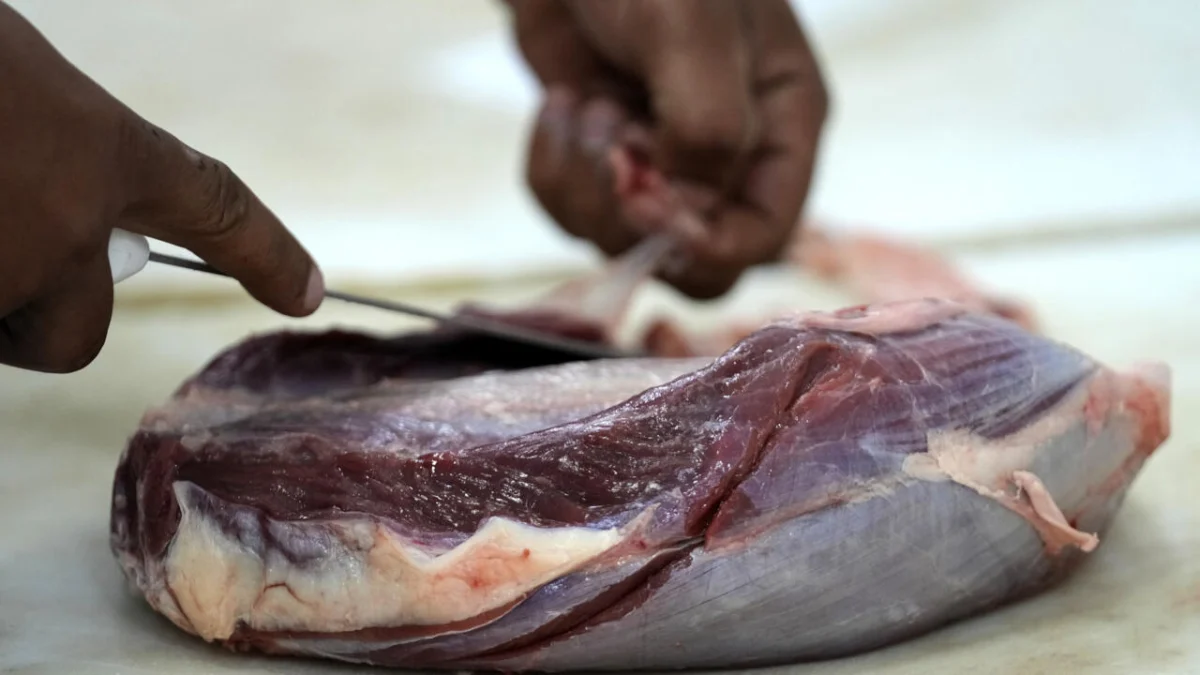
The European Union has officially announced the suspension of imports of Brazilian meat and various animal-derived products, effective this Thursday. The move, confirmed by Brussels, marks a significant escalation in the ongoing regulatory friction between the world’s largest trading bloc and South America’s agricultural powerhouse. The suspension—which encompasses poultry, beef, eggs, and honey—is a direct consequence of Brazil’s failure to provide satisfactory guarantees that its livestock farming practices align with stringent EU standards regarding the use of antibiotics.
The Core Conflict: Antimicrobial Standards and Public Health
At the heart of this trade barrier lies the European Union’s rigid stance on antimicrobial resistance (AMR). The EU has long implemented strict legislation prohibiting the use of antimicrobials for growth promotion in livestock, as well as placing heavy restrictions on the administration of antibiotics that are deemed critical for human medicine.
The European Commission maintains that its vigilance is not merely a protectionist measure, but a public health imperative. By curbing the misuse of antibiotics in the food chain, the EU aims to prevent the emergence of "superbugs"—bacteria that have evolved to resist standard medical treatments. According to the Commission, Brazil has failed to provide the necessary transparency and technical assurances that its producers are adhering to these specific health protocols.
"Brazil will no longer be authorised to export to the Union food-producing animals and products of animal origin intended for human consumption," a Commission spokeswoman confirmed in a statement to AFP. The breadth of the ban is sweeping, affecting a wide variety of commodities and signaling that the EU is willing to sacrifice significant import volumes to maintain its internal regulatory integrity.
A Chronology of the Standoff
The current suspension is the culmination of months of regulatory pressure and failed negotiations. The timeline of this dispute underscores the growing gap between Brazilian agricultural practices and European legislative requirements:
- May 2026: The European Commission officially places Brazil on a "watch list" of countries failing to demonstrate adequate compliance with EU rules regarding antibiotic usage in animal husbandry. At the time, the Brazilian government issued a public assurance that it would act "quickly" to address these deficiencies and avoid further punitive measures.
- Late 2025/Early 2026: Tensions build following the formal signing of the EU-Mercosur free trade agreement in January 2026. The agreement, intended to foster deeper economic ties, immediately faced backlash from European farmers, who argued that an influx of cheaper, less regulated South American meat would destabilize the local market.
- Ongoing 2026: Throughout the year, European inspectors and audit teams conducted a series of assessments on the ground in Brazil. These audits focused primarily on the poultry and honey sectors, which are major components of the trade volume between the two regions.
- The Current Week: With the audit of the poultry and honey sectors set to conclude this Friday, the EU decided that the lack of prior progress warranted an immediate freeze on imports until further notice.
Supporting Data: The Economic Stakes
The economic implications of this suspension are profound, given the scale of the trade relationship. In 2025 alone, Brazil stood as the European Union’s second-largest supplier of beef, shipping over 92,000 tonnes of product to the bloc. The total value of these exports exceeded 713 million euros ($825 million), making the sudden cessation of trade a heavy blow to the Brazilian meatpacking industry.
When poultry, eggs, and honey are added to the list, the potential economic loss for Brazil climbs significantly. For the European market, the challenge is twofold: finding alternative suppliers to fill the supply gap and managing the potential inflationary pressure on food prices. European farmers, who have long complained about the competitive disadvantage posed by cheaper imports, now find themselves in a complex position where they must ramp up production to meet domestic demand while navigating the regulatory scrutiny that the EU has now applied to its own internal markets.
Official Responses and Diplomatic Maneuvering
The official response from Brussels has been one of "constructive urgency." While the suspension is absolute, the European Commission is careful not to frame it as a permanent severance of trade. "Brazil is an important partner for the EU and we are working closely, constructively and positively with Brazilian authorities to ensure their compliance with these requirements," the Commission spokeswoman stated.
The pathway to resumption is clear but demanding: the EU requires concrete evidence of compliance. "Once compliance is demonstrated, exports to the EU will be able to resume," the Commission noted.
Conversely, the Brazilian government’s response has been conspicuously restrained. While officials in Brasilia previously promised rapid corrective action in May, they have not yet issued a formal rebuttal to the latest announcement. Behind the scenes, diplomatic channels are likely working overtime to expedite the necessary audits. The conclusion of the ongoing poultry and honey audit this Friday will serve as the first major milestone in determining if the suspension can be partially lifted in the coming weeks.
Broader Implications: Trade, Protectionism, and Ethics
This dispute highlights the complex intersection of global trade, environmental and health standards, and the political pressures of domestic agriculture.
The Role of Domestic Pressure
The timing of this decision is not coincidental. Following the signing of the EU-Mercosur trade deal, the European Commission has faced intense criticism, particularly from France and other nations with powerful agricultural lobbies. These stakeholders have accused the Commission of "selling out" European farmers to facilitate cheap imports from South America. By taking a hardline stance on Brazil’s antibiotic usage, the EU may be attempting to appease domestic critics, proving that it will not compromise on safety standards even within the framework of a free trade agreement.
The Perspective from the Field
For farmers like Carlos Roberto dos Santos, based in the Brazilian state of Sao Paulo, the reality of the situation is stark. He acknowledges the disparity in production costs, noting that the regulatory burden on European farmers makes it impossible for them to compete with the lower prices offered by Brazilian producers.
"If governments import cheap meat, they’re going to destroy their country’s farming sector," dos Santos told AFP. His perspective reflects a growing divide in the global agricultural economy: the struggle between a "high-cost, high-standard" model (Europe) and a "high-volume, lower-cost" model (Brazil). For many Brazilian farmers, the EU’s requirements are seen as an unfair barrier to entry—a way to protect European interests under the guise of public health.
The Future of EU-Mercosur Relations
The suspension serves as a test for the viability of the EU-Mercosur agreement. If the EU cannot ensure that its partners adhere to its health and safety standards, the political support for the trade deal could evaporate. Conversely, if Brazil is unable or unwilling to reform its antibiotic usage, the trade relationship could remain strained for years to come.
The situation remains fluid. Should the audit findings be positive, and should the European member states approve the results, it is possible that poultry exports could resume within a matter of weeks. However, the beef sector—which involves more complex supply chains and long-standing scrutiny—will likely face a much longer road to recovery.
Conclusion: A New Era of Sanitary Diplomacy
The suspension of Brazilian meat imports is a clear signal that the era of unfettered trade is being replaced by an era of "sanitary diplomacy." The European Union is increasingly utilizing its regulatory power as a tool to enforce its environmental and health values on its trading partners.
For Brazil, the path forward requires a shift in domestic policy and a significant investment in transparency to meet the EU’s evolving requirements. For the EU, the challenge will be to balance its commitment to public health with the economic realities of a globalized food supply. As both sides navigate this standoff, the global agricultural market will be watching closely, recognizing that the outcome of this dispute will set a precedent for how trade deals are enforced and how food safety is regulated in the 21st century.
Until the technical requirements are met, Brazilian producers remain sidelined, and European consumers are left to wonder how this diplomatic friction will ultimately impact the price and availability of their daily provisions. The coming weeks will be decisive, as both Brussels and Brasilia weigh the cost of compliance against the value of their long-term economic partnership.