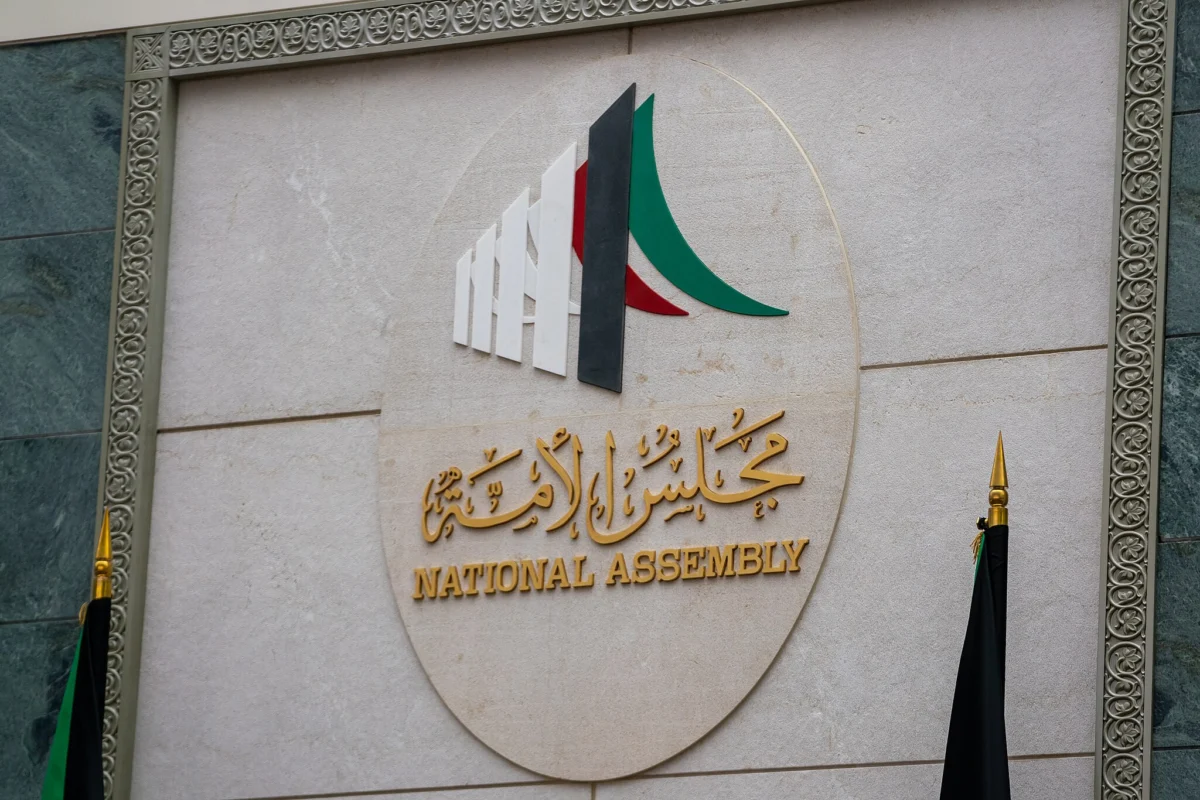
In a move that has sparked profound international concern, the Kuwaiti government has enacted a sweeping new counter-terrorism framework, Decree No. 47 of 2026. Introduced on March 15, 2026, against the volatile backdrop of escalating military tensions between the United States, Israel, and Iran, the legislation has been roundly condemned by Amnesty International. Human rights observers warn that the law’s expansive, vaguely defined parameters risk institutionalizing the repression of peaceful dissent, assembly, and free expression under the guise of national security.
The Scope of Decree No. 47: A Legal Overhaul
The centerpiece of the new legislative package is a remarkably broad definition of a "terrorist act." According to the text of Decree No. 47, any action or threat—ranging from the disruption of cybersecurity to the damage of private property or national resources—can be classified as terrorism if it is deemed intended to "spread terror" or "compel a public authority" to act in a certain manner.
Legal analysts argue that the inclusion of such elastic language grants the state near-total discretion in determining what constitutes a criminal offense. By failing to tether the definition of terrorism to concrete acts of violence, the law effectively creates a "catch-all" mechanism that can be weaponized against political activists, journalists, and citizens engaged in peaceful protest.
Furthermore, the decree introduces a nebulous category of "terrorism danger." This provision allows for the prosecution of individuals for "disseminating," "endorsing," or "glorifying" ideas that the state interprets as inciting terrorist acts. Critically, the law remains silent on which specific government body holds the authority to define these "dangers," leaving the process vulnerable to administrative abuse and arbitrary enforcement.
Chronology: From Regional Conflict to Domestic Crackdown
The enactment of Decree No. 47 did not occur in a vacuum. It is the direct byproduct of a deteriorating security environment in the Gulf.
- February 2026: Tensions reached a boiling point following a series of unlawful military strikes conducted by the United States and Israel against Iranian targets. The conflict, which triggered retaliatory actions across the Gulf, resulted in the tragic deaths of eight Kuwaiti nationals during Iranian strikes on allied positions.
- March 15, 2026: The Kuwaiti government formally issued Decree No. 47, framing it as an essential protective measure for national stability in the face of regional war.
- Late March – May 2026: The state moved rapidly to operationalize the law. This included the establishment of the "Public Prosecution for State Security Crimes, Terrorism and Terrorist Financing," a specialized judicial body granted exclusive jurisdiction over all cases falling under the new decree.
- Ongoing: Throughout the spring, Gulf nations—Kuwait among them—engaged in a coordinated crackdown on dissent. Reports indicate that over 1,000 individuals across the region have been detained for expressing views related to the ongoing war, signaling a significant narrowing of civic space.
The Expansion of the Death Penalty
Perhaps the most alarming aspect of the new legislation is the mandatory application of the death penalty for any offense categorized as a "terrorist act." Under the new framework, even non-violent actions—which could theoretically include digital activism or the dissemination of critical information—are now punishable by execution.
This expansion stands in direct violation of Kuwait’s obligations under the International Covenant on Civil and Political Rights (ICCPR). International law generally restricts the use of the death penalty to the "most serious crimes," typically interpreted as involving intentional killing. By lowering the threshold for capital punishment to include broadly defined non-violent offenses, Kuwait has significantly diverged from established international human rights standards.
Institutionalizing Repression: Specialized Courts
To enforce the new law, Kuwait has restructured its judicial system. The government established specialized first-instance courts to hear terrorism cases, supported by a dedicated appellate system. Notably, the rulings of these appellate courts are final, stripping defendants of further recourse within the national legal system.
This move effectively bypasses the traditional judiciary, creating a parallel system where the standards of evidence and the rights of the accused are subordinate to the priorities of the state’s security apparatus. By centralizing power within these specialized bodies, the government has minimized judicial oversight, making it increasingly difficult for human rights organizations to monitor the fairness of trials or the welfare of those detained.
Implications for Civil Society and Press Freedom
The real-world consequences of these legislative changes have already begun to manifest. The climate of fear has led to a noticeable spike in the harassment and detention of journalists and commentators.
Recent months have seen the arrest of prominent figures, including the US-Kuwaiti political commentator Mohammed Saleh al-Sabti. In an even more drastic move, the government revoked the citizenship of journalist Ahmed Shihab-Eldin, along with his two sisters, shortly after his release from what was widely considered an unlawful detention. Such actions serve as a chilling warning to anyone seeking to document or comment on the government’s role in the regional conflict.
The Committee to Protect Journalists (CPJ) has warned that these measures risk becoming a permanent feature of the Kuwaiti legal landscape. By linking journalistic inquiry to "terrorism danger," the state is effectively silencing the fourth estate, leaving the public with a sanitized, government-approved narrative of the ongoing regional crisis.
Official Responses and Human Rights Criticism
Amnesty International’s regional researcher, Mahmoud Shalaby, issued a stark warning in response to the decree: "National security must not be used as a justification to trample on rights and expand state powers. Responding to any legitimate threats must be pursued in a manner consistent with international law."
The organization argues that the previous 2013 Anti-Money Laundering and Combating the Financing of Terrorism law was sufficient to address the state’s security needs. That 2013 framework was specifically tailored to address acts intended to cause death or serious bodily injury, and it focused on financial accountability—such as the freezing of assets—rather than the wholesale criminalization of dissent.
The Kuwaiti government, however, maintains that the urgency of the threat posed by the Iran-US-Israel conflict necessitates an aggressive posture. Officials argue that the fluidity of modern "terrorism"—which can involve digital sabotage and psychological warfare—requires a more agile and broader legal response than was available in the 2013 statutes.
Conclusion: A Precarious Future for Human Rights
As the Middle East remains embroiled in a cycle of retaliatory violence, the introduction of Decree No. 47 marks a pivotal and dangerous shift for Kuwait. The law represents more than a tactical response to external threats; it represents a systemic move toward authoritarian control.
By eroding the boundaries between national security and political dissent, the state has placed its citizens in an impossible position. Those who speak out, advocate for reform, or even question the government’s alignment in the regional conflict now risk the highest possible penalty.
The international community now faces a critical test. As the Gulf Cooperation Council continues its crackdown, the question remains whether diplomatic pressure can force a reassessment of these policies. For the people of Kuwait, the immediate reality is a narrowing of the horizon—a world where the fundamental rights of assembly and expression are no longer protected, but are instead treated as potential acts of terror. Without a swift move to amend or repeal these draconian provisions, the state risks further alienation of its own citizenry and a lasting stain on its international human rights record.