The automotive world is witnessing a paradigm shift. For decades, the Volkswagen "California" badge has been synonymous with the spirit of wanderlust, serving as the gold standard for compact, versatile camper vans. From the iconic T3 Westfalia to the modern T6.1, the platform has defined the art of the road trip. Now, as the industry pivots aggressively toward electrification, Volkswagen has unveiled the next chapter in this storied lineage: the ID. California Cruise.
Debuting at the 2026 Caravan Salon in Düsseldorf, the ID. California Cruise is more than just a zero-emission variant of a beloved classic; it is a technological showcase that merges the modular convenience of the ID. Buzz with the sophisticated, off-grid capability that the California name demands. With a starting price of approximately €60,800 ($70,800) in Germany and a targeted market release in early 2027, this vehicle represents Volkswagen’s boldest step yet into the sustainable travel sector.
The Genesis of the Electric Camper: Main Facts
The ID. California Cruise is built upon the robust ID. Buzz Pro architecture. By leveraging Volkswagen’s MEB (Modular Electric Drive Matrix) platform, the engineers have successfully transitioned the iconic "Bus" formula into the battery-electric era.
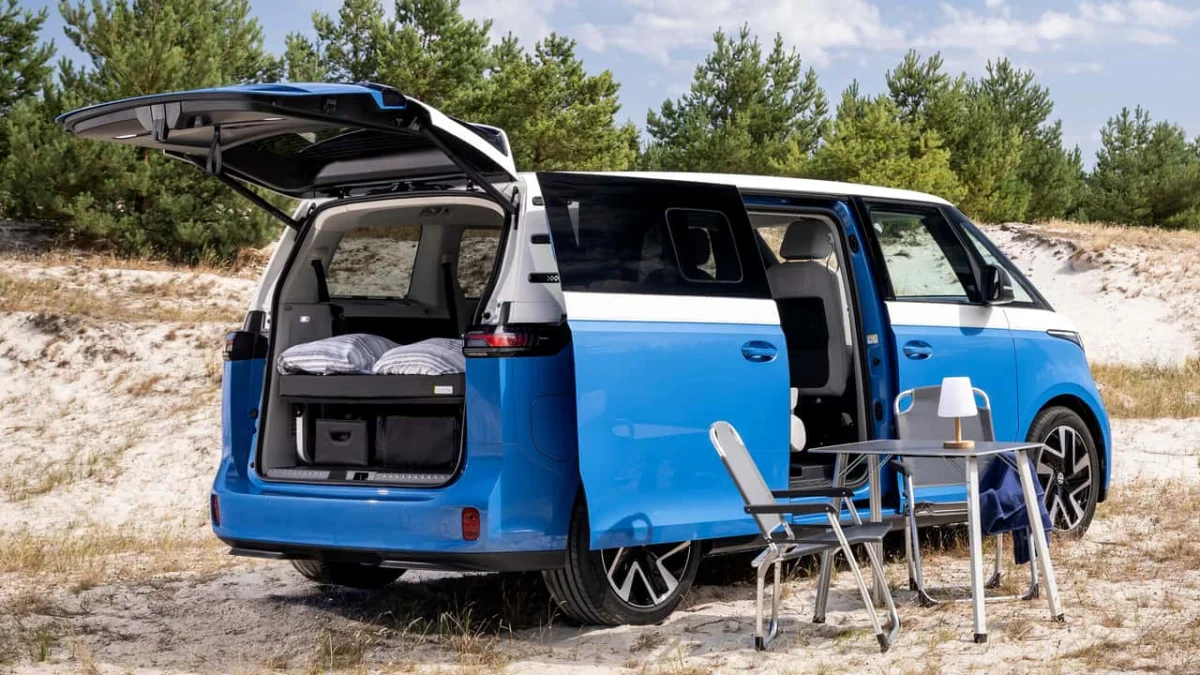
The vehicle is engineered to provide a seamless transition between daily utility and weekend adventure. It will be available in both short and long-wheelbase configurations, allowing customers to choose between city-friendly maneuverability or maximum interior volume. Out of the gate, the vehicle comes equipped with a suite of "California" specific enhancements, including the "Interior Style" and "Comfort" packages, alongside the "PowerSocket" adapter, which turns the van into a mobile power plant.
The core promise of the ID. California Cruise is that it maintains the "ready-at-a-moment’s-notice" philosophy of its predecessors. Owners can navigate the urban jungle during the work week and escape to the wilderness on Friday evening without the environmental guilt—or the mechanical complexity—of a traditional internal combustion camper.
A Timeline of Transformation: From Concept to Production
The journey of the electric camper began with the initial reveal of the ID. Buzz, but the transformation into a "California" model required years of internal development.
- 2022–2023: The Prototype Phase. Volkswagen teased the potential for an electric camper, gauging public reaction to the ID. Buzz platform. The positive reception confirmed that the market was ready for a battery-powered successor to the T6.1 California.
- 2024–2025: Engineering and Integration. This period saw the integration of high-voltage camping features. The engineering team had to solve the challenge of maintaining long-term climate control and accessory power without draining the primary propulsion battery to the point of stranding the vehicle.
- August 2026: The Global Debut. The official unveiling at the Caravan Salon in Düsseldorf signaled that the vehicle was production-ready, complete with its final interior layout and software ecosystem.
- Early 2027: Market Launch. The first deliveries are scheduled to reach customers, marking the official start of a new, expanded "ID. California" family of vehicles.
- 2028: The Roadmap Expansion. Volkswagen has confirmed that the ID. California line will continue to grow, with additional variants—likely including different sizes and more specialized off-grid configurations—expected to arrive by 2028.
Technical Sophistication: Supporting Data and Features
The brilliance of the ID. California Cruise lies in its thoughtful use of cabin space and energy management.
The Sleeping Quarters
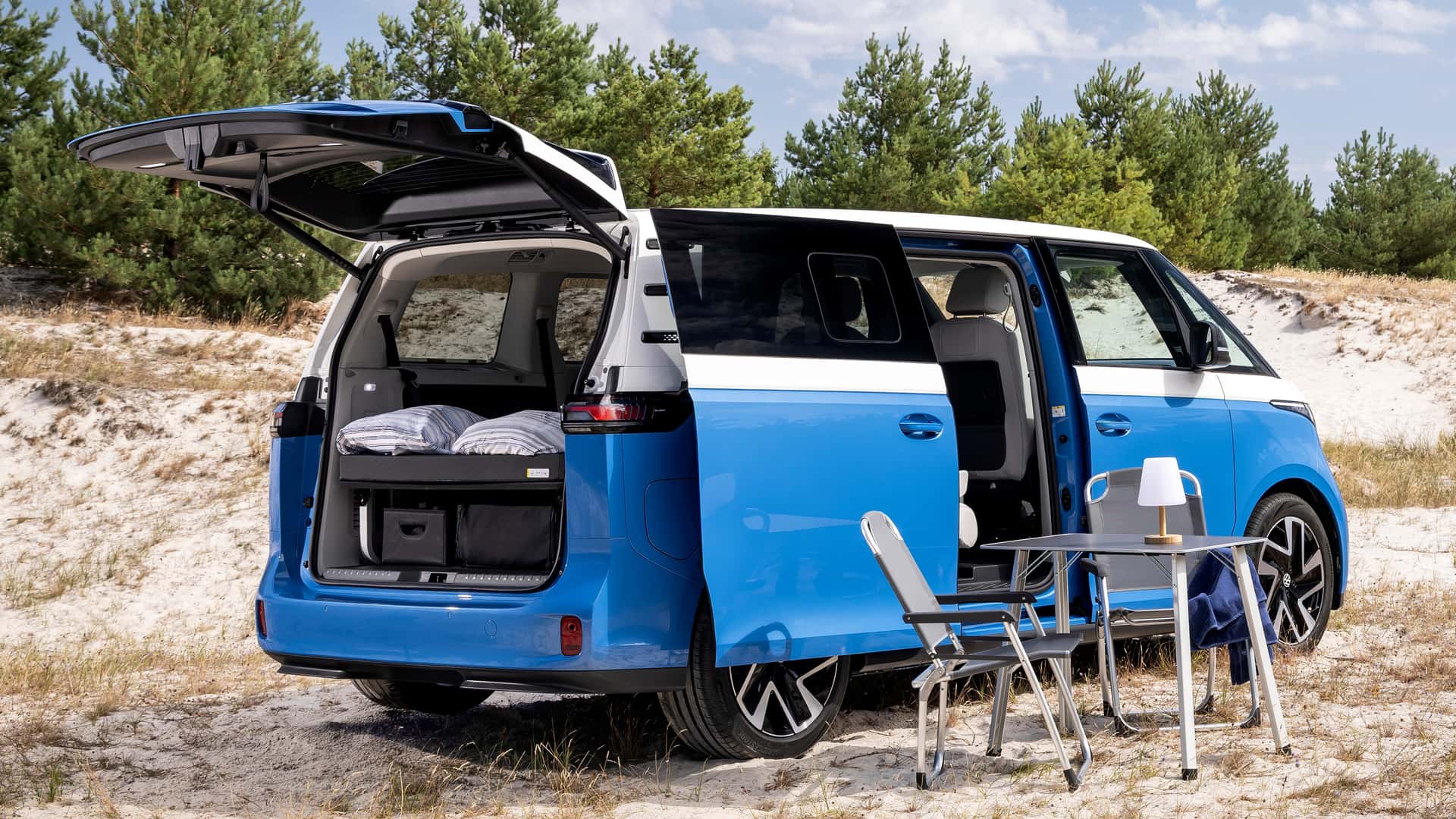
Comfort is paramount in the new model. The interior features a custom-integrated sleeping area designed to accommodate two adults. The bed measures 80 inches in length and 47 inches in width, utilizing an exclusive support system and a 3.5-inch thick folding mattress. This setup ensures that, despite the constraints of a compact vehicle footprint, the sleeping experience remains ergonomic and restorative.
The "California Mode"
Perhaps the most innovative aspect of the vehicle is the dedicated "California Mode." When the vehicle is stationary, this software-driven environment takes over. It manages interior lighting, keeps USB ports powered continuously, and, most impressively, offers independent climate control.
According to Volkswagen, this system allows the cabin to be heated or cooled for up to 48 hours, depending on the state of charge. By decoupling the cabin’s climate needs from the vehicle’s driving battery, the ID. California Cruise allows users to camp in remote locations with total climate autonomy, eliminating the need for noisy, polluting external generators or constant shore power connections.
Connectivity and Power
The integration with the California App represents a leap forward in user experience. For the electric traveler, the app is an indispensable tool. It assists in planning routes by highlighting compatible, high-speed charging stations and managing energy reserves. Furthermore, the inclusion of Plug & Charge technology means the vehicle automatically identifies itself at compatible chargers, streamlining the refueling process.
The Vehicle-to-Load (V2L) capability is the final piece of the puzzle. It allows the vehicle to output power to external devices, such as coffee makers, electric hot plates, portable refrigerators, or even e-bike charging stations. This makes the ID. California Cruise a mobile workstation or a high-tech basecamp for outdoor enthusiasts.
Official Perspective: Volkswagen’s Vision
Volkswagen Nutzfahrzeuge (Commercial Vehicles) has emphasized that the ID. California Cruise is not just a niche product; it is the cornerstone of their future strategy. The company’s leadership has noted that the "California" name carries significant cultural weight. To translate that into an EV, the goal was to avoid compromising on the "compact yet capable" identity.
By standardizing features like blackout shades, ventilation grilles, and modular storage for camping chairs and tables, Volkswagen is ensuring that the vehicle feels like a true descendant of the original Westfalia models. The design language, featuring "Miwo" trim, "Cruise" graphics, and bespoke tailgate badging, reinforces this heritage while signaling a modern, clean aesthetic.
Implications for the Future of Overlanding
The introduction of the ID. California Cruise has profound implications for the travel and automotive sectors.
Environmental Impact
The most immediate effect is the reduction of the carbon footprint associated with recreational travel. Many traditional camper vans are diesel-powered, high-consumption vehicles. The transition to electric propulsion allows travelers to explore protected natural areas with significantly reduced noise and zero tailpipe emissions, aligning the "vanlife" movement with modern environmental stewardship.
The Changing Demographic of "Vanlife"
The shift toward an electric, app-integrated platform targets a new generation of travelers. While the traditional California buyer values simplicity, the ID. California owner is likely a digital native who expects seamless connectivity, advanced energy management, and a vehicle that serves as a mobile office as much as a vacation home.
The Challenge of Infrastructure
Despite the excitement, the success of the ID. California Cruise will be intrinsically linked to the growth of charging infrastructure in remote areas. While the 48-hour climate control capability provides a buffer, the ability to embark on true "off-grid" long-distance travel depends heavily on the density of the fast-charging network. Volkswagen is clearly betting that this infrastructure will catch up to their vehicle’s capabilities, but the "range anxiety" that plagues general EV adoption remains a factor for the long-haul camper.
A New Standard in Modularity
Finally, by offering the ID. California as the first of a growing family, Volkswagen is setting a new standard for modularity. As the line expands through 2028, we can expect to see further iterations that potentially address larger families, higher-clearance off-road capabilities, or more extensive galley configurations.
In conclusion, the ID. California Cruise is a sophisticated fusion of nostalgia and innovation. It respects the legacy of the VW Bus while embracing the inevitable transition to electric mobility. For those who believe that the journey is just as important as the destination, the ID. California Cruise offers a quiet, clean, and technologically empowered way to see the world. It is, perhaps, the most logical evolution of the camper van in history—a vehicle that allows us to tread lighter on the planet while still finding our way to the horizon.