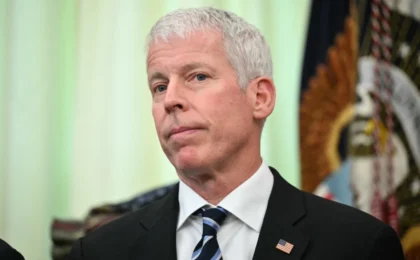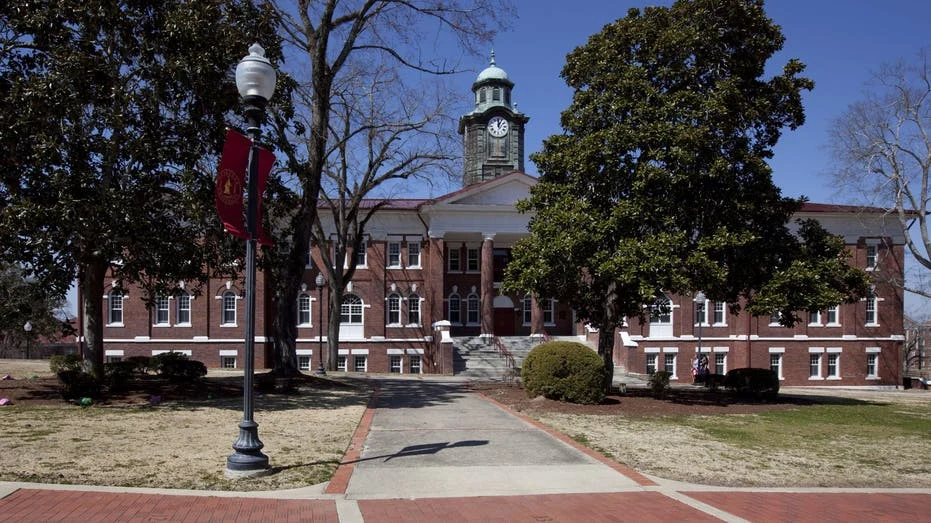
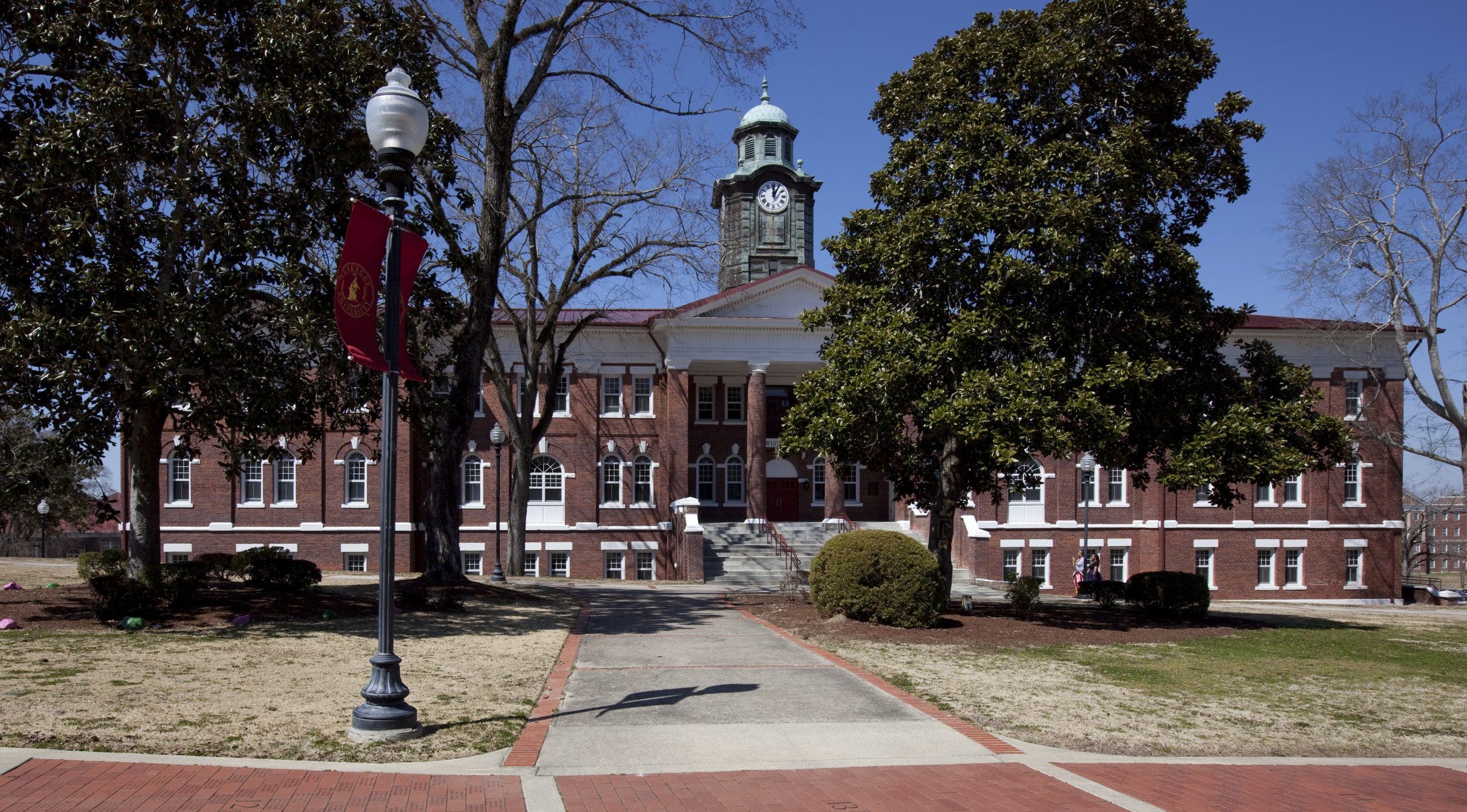
TUSKEGEE, Ala. — In an era where higher education is increasingly caught between progressive student expression and traditional career preparation, Tuskegee University has taken a firm stand. The historically Black university (HBCU) has instituted a renewed, rigorous student dress and conduct code aimed at preparing its student body for the competitive corporate landscape.
The policy, championed by Tuskegee University President Dr. Mark Brown—a retired Air Force major general—has ignited a national conversation. While supporters view the standards as a vital tool for economic mobility and professional readiness, critics argue the measures border on "respectability politics" and unnecessarily infringe upon students’ cultural and personal expression.
Main Facts of the Standardized Dress Policy
The updated dress code at Tuskegee University is not a newly drafted set of rules, but rather a stricter enforcement of existing institutional standards. The policy was outlined in a detailed memo distributed to students prior to their arrival on campus for the fall semester.
Key mandates of the policy include:
- Classroom Attire: Students are required to wear professional dress while attending academic classes.
- Formal and Business Meetings: A business suit and professional footwear are mandatory for formal university events, business-like meetings, and professional forums.
- Headwear Restrictions: The policy explicitly bans non-religious head coverings, including durags, bonnets, caps, and bandanas, in academic and professional settings on campus.
- Holistic Conduct Standards: Beyond attire, the administration is placing renewed emphasis on punctual attendance, professional etiquette, and workplace-ready behaviors.
The administration maintains that these rules are designed to instill habits that align with employer expectations, thereby giving Tuskegee graduates a competitive edge in the job market. Conversely, free-speech advocates argue that such strict dress codes place an unfair burden on students, particularly regarding items deeply rooted in Black hair care and cultural identity.
Chronology of the Policy’s Implementation
The rollout and subsequent debate surrounding the dress code unfolded over several months, highlighting the university’s deliberate strategy and the swift reaction from advocacy groups.
[Summer] Pre-Campus Arrival Memo Sent to Students
       │
       ▼
[August: Day 1 & 2] President Brown Observes Compliance on Campus Walks
       │
       ▼
[Late August] Public Backlash & "Respectability Politics" Criticism Emerge
       │
       ▼
[September] FIRE Issues Formal Critique on Expressive Freedom
       │
       ▼
[Academic Year Plan] Rollout of Professional Workshops & Community Closet Support
The Pre-Arrival Directives
During the summer, prior to the commencement of the academic year, the office of the president issued a comprehensive memo to all incoming and returning students. This document clearly outlined the expectations for professional attire and behavioral standards, serving as a preemptive guide for students packing for the semester.
The Opening Days of the Semester
As classes commenced, Dr. Mark Brown personally monitored the campus to assess compliance. Walking and riding around the grounds on the first and second days of classes, Brown reported widespread adherence to the guidelines, noting that students were actively meeting the "raised bar."
The Emergence of Public Criticism
Following the initial implementation, critics on and off campus began speaking out. The inclusion of bans on durags and bonnets drew swift condemnation from those who view these garments as functional hair-care items rather than mere casual wear.
The Advocacy Group Intervention
In the weeks following the policy’s reinforcement, the Foundation for Individual Rights in Expression (FIRE), a prominent non-profit organization focused on defending free speech on college campuses, issued a public critique. The organization challenged the university’s balance between professional preparation and student rights.
Ongoing Etiquette Integration
To support the policy throughout the academic year, the university announced plans to bring professional style and etiquette consultants to campus. These specialists will conduct workshops teaching students the practical details of business attire, such as how to properly tailor a suit, button a jacket, and tie a necktie.
Supporting Data: Socioeconomic Realities and Employment Outcomes
To understand the context of Tuskegee’s policy, it is necessary to examine the socioeconomic demographics of its student population and the university’s historical performance metrics.
Financial Accessibility and the "Golden Tigers Community Closet"
Critics of collegiate dress codes frequently point out the financial hurdles associated with acquiring professional clothing. Business suits, tailored shirts, and dress shoes represent a significant financial investment that many college students cannot easily afford.
Tuskegee’s administration acknowledged this barrier with targeted internal data:
- Pell Grant Eligibility: Approximately 70% of the student body at Tuskegee University is eligible for federal Pell Grants, which are awarded to undergraduate students displaying exceptional financial need.
- The Institutional Solution: To mitigate this economic barrier, the university operates the Golden Tigers Community Closet. This campus resource provides free professional business attire to students who need assistance complying with the dress code.
President Brown emphasized that financial hardship would not be used as an excuse for non-compliance, nor would it be allowed to hinder a student’s preparation. "If a student needs help with that, we’re going to help them," Brown stated. "That’s not going to be the barrier between compliance and getting ready."
Employment Placement as a Metric of Success
The university points to its career placement data as primary evidence that its rigorous, career-focused approach yields tangible results:

- Immediate Job Placement: Approximately 70% of Tuskegee’s graduating class had secured firm employment offers or graduate school placement prior to their graduation.
- The Administrative Goal: The university aims to push this number even higher, arguing that professional habits—such as dressing for the workplace and arriving on time—are directly correlated with retaining those jobs once hired.
Official Responses and Contrasting Perspectives
The debate over the dress code features starkly contrasting viewpoints from the university’s leadership and national civil liberties advocates.
The Administration’s Defense: Dr. Mark Brown
President Brown’s perspective is heavily shaped by his military career as a retired Air Force major general and his own journey as a Tuskegee alumnus commissioned through the university’s ROTC program.
"It’s not the world we wish you were going into, it’s the world you’re going to go into. It’s not the way that we wish an employer would perceive you. It’s the way the employer will perceive you."
— Dr. Mark Brown, President of Tuskegee University
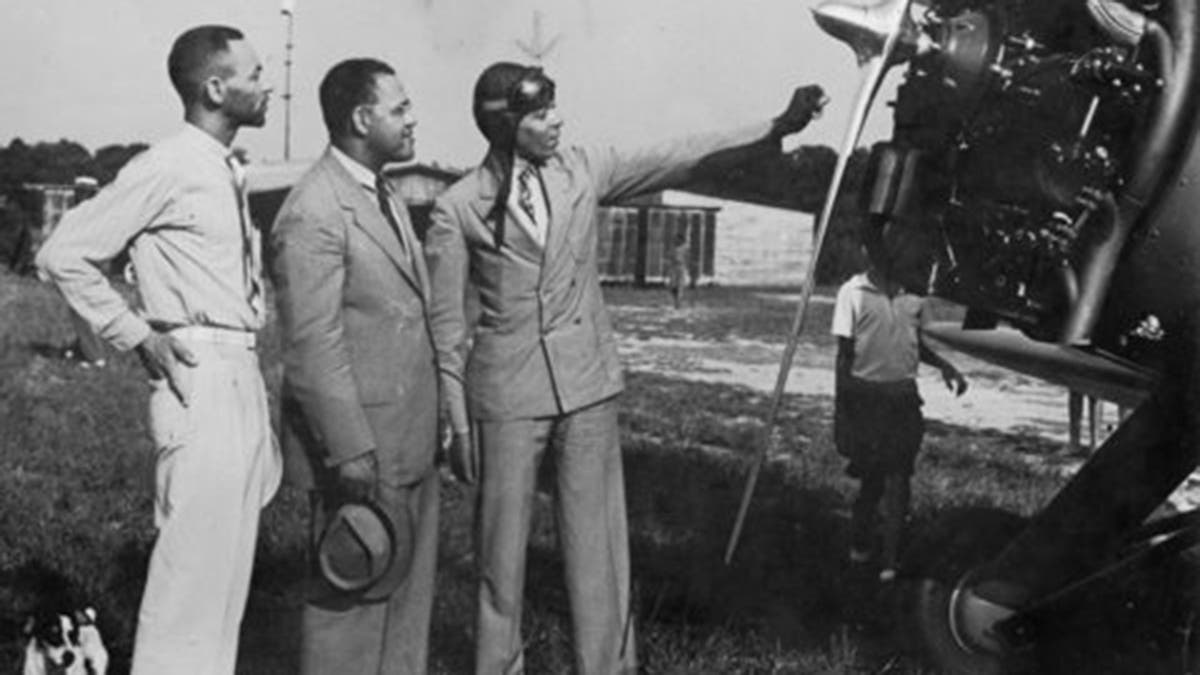
Responding to accusations of respectability politics, Brown invoked the historic legacy of the Tuskegee Airmen—the pioneering African American military pilots who fought in World War II. He argued that the Airmen overcame systemic prejudice not by demanding the world change first, but by demonstrating undeniable, disciplined excellence.
"My race and my ethnicity would have absolutely nothing to do with it," Brown said. "The subject is social and economic mobility and student success. It’s not that there wasn’t prejudice in the world… There’s prejudice in the world today. There’s going to be prejudice tomorrow."
The Advocacy Critique: FIRE
The Foundation for Individual Rights in Expression (FIRE) took a different view, focusing on the preservation of student liberties. Haley Gluhanich, FIRE’s Senior Program Counsel, argued that while career readiness is a laudable goal, it should not come at the expense of ordinary, non-disruptive self-expression.
"Tuskegee can’t promise students broad freedom of expression while enforcing a sweeping dress code that regulates ordinary, non-disruptive expression," Gluhanich said in a statement to Fox News Digital. "Preparing students for professional life is a legitimate goal, but it does not hinge on requirements about what adults wear to class or lunch."
Gluhanich added that while private universities have the legal right to prioritize institutional values over free speech, they must remain transparent. "As a private university, Tuskegee may choose to place other values ahead of expressive freedom, but if it does, it should be honest with current and prospective students about the limits of its commitment to free expression."
Implications for Higher Education and Career Readiness
The ongoing debate at Tuskegee University mirrors a broader, nationwide conversation regarding the evolving role of higher education, the definition of professionalism, and the historical legacy of HBCUs.
The Legacy of "Respectability Politics" vs. Pragmatism
Historically, HBCUs have often emphasized grooming, posture, and formal presentation. Founded in the late 19th and early 20th centuries during the Jim Crow era, institutions like Tuskegee—under the early leadership of Booker T. Washington—championed vocational excellence, discipline, and self-reliance. For decades, presenting oneself in immaculate, conservative attire was viewed as a strategic shield against racial bias and a tool to demand basic human respect.
In the 21st century, however, this approach is often critiqued by younger generations as "respectability politics"—the belief that minority groups can protect themselves from discrimination by conforming to dominant cultural standards. Critics argue that such standards validate Eurocentric ideals of professionalism and unfairly penalize natural hair textures, protective styles, and cultural garments like durags and bonnets.
Tuskegee’s administration, however, frames the policy not as a concession to bias, but as a pragmatic acknowledgment of corporate realities. For Brown, the classroom functions as a professional laboratory. Allowing students to practice casual habits, such as arriving late or dressing informally, does them a disservice when they transition to highly competitive corporate environments where first impressions are critical.
The Shifting Definition of Professionalism
This clash occurs at a time when the global corporate landscape is experiencing its own identity crisis regarding workplace attire. The rise of the tech industry, creative startups, and remote work models has normalized business-casual and highly informal dress codes in many sectors.
However, many traditional fields—including finance, law, government, and corporate executive suites—continue to maintain formal dress standards. Tuskegee’s leadership argues that preparing students for the most demanding and traditional sectors ensures they are versatile enough to navigate any environment.
The Return on Investment (ROI) in Higher Education
As the cost of college tuition continues to rise nationally, public faith in the value of a college degree has faced downward pressure. Families are increasingly demanding a clear, measurable return on investment (ROI).
By focusing heavily on career readiness, punctuality, and professional presentation, Tuskegee University is attempting to reposition the collegiate experience. Rather than viewing graduation as the end of the university’s responsibility, President Brown argues that the true measure of an institution’s value is how its graduates perform five to ten years into their careers.
For economically disadvantaged students, this focus on professional polish is designed to serve as an equalizer, ensuring that lack of exposure to corporate norms prior to college does not hold them back from achieving long-term upward social and economic mobility.