For the morning commuter or the busy professional, the Starbucks Spinach, Feta & Egg White Wrap has long been a gold standard of "on-the-go" nutrition. Prized for its portability, Mediterranean flavor profile, and relatively clean ingredient list, it has become a staple for those seeking a protein-packed start to their day. However, at a price point hovering between $5.00 and $5.60 per wrap, the daily ritual can result in a significant monthly expenditure.
Enter the "hidden gem" of the warehouse world: the Spinach, Feta, and Sun-Dried Tomato Wrap by Eat-In Foods, available exclusively at Costco. As shoppers navigate the inflationary pressures of the current economy, this freezer-aisle find has gained a cult following, with many consumers declaring it a near-perfect replica of the coffee giant’s famous breakfast item.
The Anatomy of a Breakfast Staple: Main Facts
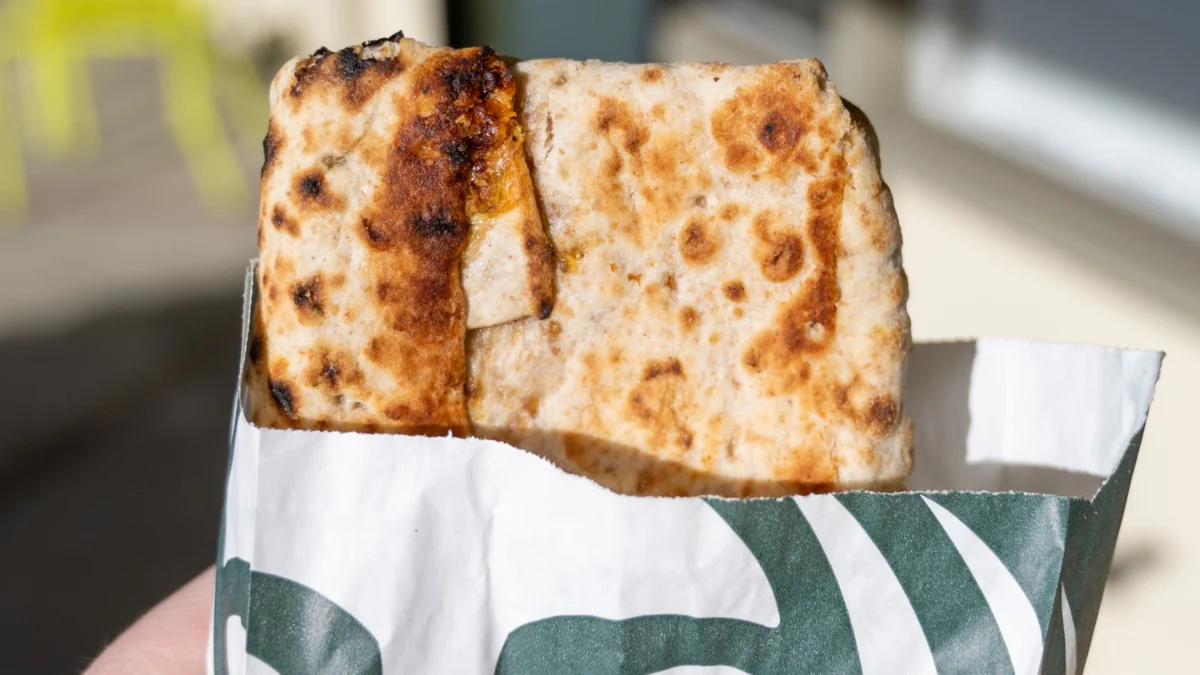
At the heart of both the Starbucks original and the Eat-In Foods copycat is a sophisticated, layered flavor profile. Both products feature a robust foundation of cage-free egg whites, savory feta cheese, nutrient-dense spinach, sun-dried tomatoes, and a touch of cream cheese to provide a creamy, cohesive texture. These ingredients are encased in a signature whole-wheat wrap, designed to mimic the texture and chew of traditional Armenian lavash.
The primary appeal for Costco shoppers is the radical price difference. While a single Starbucks wrap will set a customer back over five dollars, the Eat-In Foods version—sold in six-count boxes—typically retails for around $15.49. This breaks down to approximately $2.58 per serving, effectively cutting the cost of breakfast in half. For families or individuals who rely on a consistent breakfast routine, the math is compelling: switching to the Costco alternative can save hundreds of dollars annually without sacrificing the breakfast experience.
A Chronological Shift in Consumer Habits
The rise of the "Starbucks dupe" phenomenon is not accidental; it is the result of a shifting consumer landscape.
- The Pre-2020 Era: Breakfast was largely viewed as a convenience expense. Customers frequented cafes, accepting the premium price as the cost of time saved.
- The Inflationary Pivot (2021–2023): As food costs soared, consumers began auditing their daily expenses. "Kitchen-hacking"—the act of recreating restaurant favorites at home—became a viral trend on platforms like TikTok and Instagram.
- The Costco Discovery: Influencers and food bloggers began highlighting the Eat-In Foods wrap as a direct substitute. As word spread through dedicated Facebook groups like "Hungry Girl" and various subreddits, the product saw a surge in demand, leading to occasional stock shortages at regional Costco locations.
- Current State: Today, the Costco wrap has transitioned from a "budget hack" to a lifestyle choice. Many consumers now prefer the Costco version, citing not just cost, but the convenience of having a week’s worth of breakfasts waiting in the freezer.
Supporting Data: The Nutritional Comparison
One of the strongest arguments for this particular swap is the nutritional parity between the two products. Often, budget-friendly "dupes" compensate for lower costs by sacrificing ingredient quality or nutritional density. In this case, however, the data tells a different story.
| Metric | Starbucks Wrap | Eat-In Foods (Costco) |
|---|---|---|
| Calories | 290 | 290 |
| Protein | 20g | 21g |
| Carbohydrates | 34g | 34g |
| Sugar | 5g | 4g |
| Fat | 8g | 8g |
As evidenced by the table, the nutritional profiles are almost identical. The Eat-In Foods wrap offers a slight advantage with one extra gram of protein and one less gram of sugar. For health-conscious consumers who track their macronutrients, the transition to the Costco product requires no sacrifice in dietary goals, reinforcing the idea that this is a genuine value-add rather than a "cheap imitation."
Official Perspectives and Market Implications
While neither Starbucks nor Eat-In Foods has released an official statement regarding the "dupe" phenomenon, market analysts suggest that these trends are indicative of a larger shift in the quick-service restaurant (QSR) sector.
Industry experts note that major chains like Starbucks are facing increased competition from grocery retailers that have invested heavily in "premium frozen" product lines. By offering cafe-quality items in a retail format, companies like Eat-In Foods are challenging the dominance of the morning coffee run.
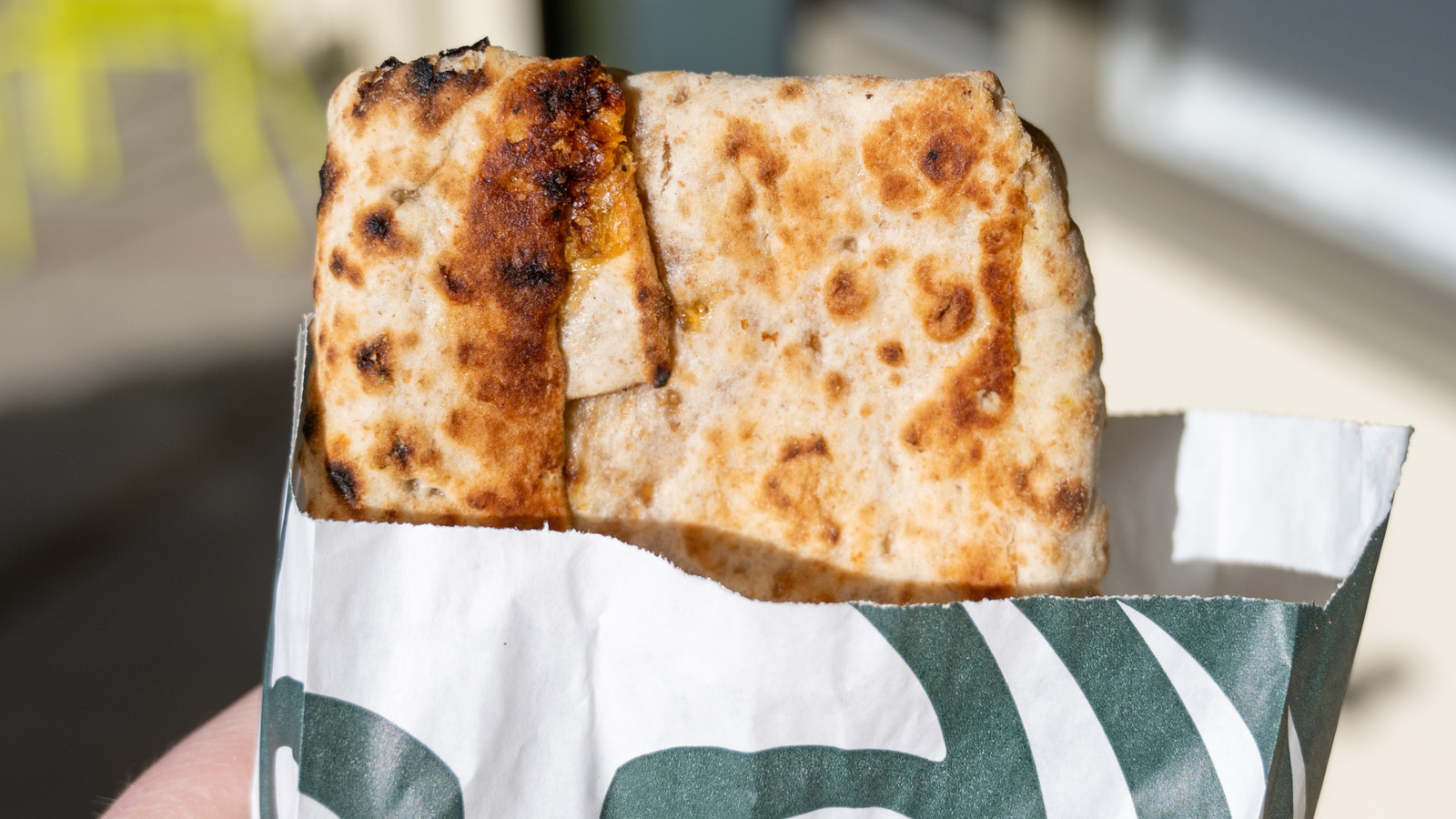
For the consumer, the implications are twofold. First, there is the immediate financial relief. Second, there is the benefit of autonomy. By keeping a stash of these wraps at home, consumers are no longer at the mercy of drive-thru lines, supply chain outages, or fluctuating menu prices. The ability to customize a frozen meal in one’s own kitchen allows for a level of personalization that a busy barista simply cannot provide.
Elevating the Experience: Culinary Customization
While the Costco wrap is widely considered delicious out of the box, it serves as an excellent blank canvas for culinary creativity. The "base" flavor is balanced, yet some consumers have noted that it may lack the punch of a freshly prepared cafe item.
The Air Fryer Advantage
One of the most significant upgrades suggested by the community is the method of preparation. While microwave instructions are provided on the packaging, air-frying the wrap for 5 to 7 minutes creates a texture that is vastly superior. The exterior achieves a satisfying crispness—a "crunch" that is often lost in the standard microwave-steam method. This simple change can make the meal feel like it was prepared in a professional kitchen.
Vegetable and Protein Enhancements
Because the wrap is relatively light on vegetables, many home cooks recommend adding a handful of fresh baby spinach or sautéed mushrooms during the heating process. If you are looking to increase the protein content even further, adding a slice of deli turkey or a small amount of leftover grilled chicken can transform the wrap from a snack into a truly filling, high-performance meal.
Condiments as Flavor Profiles
If you find the wrap slightly dry, the Mediterranean flavor profile lends itself perfectly to a variety of sauces:
- Tzatziki: Enhances the Greek-inspired notes of the feta.
- Garlic Aioli: Adds a savory, creamy richness.
- Salsa or Hot Sauce: For those who prefer a spicier kick, a dash of heat cuts through the richness of the cream cheese.
- Mozzarella/Provolone: Sprinkling a pinch of shredded cheese over the wrap before it enters the air fryer creates a "gooey" element that elevates the texture.
Beyond the Breakfast Wrap: The Rise of the Copycat Economy
The success of the Costco Spinach, Feta, and Sun-Dried Tomato wrap is part of a larger trend of "copycat culture." Costco, in particular, has become a hotbed for these items, with their versions of Starbucks ham and cheese croissants and various bistro boxes gaining significant traction.
This trend suggests that consumers are no longer brand-loyal in the way they once were. Instead, they are "quality-loyal." If a retailer can provide the same nutritional profile and a similar taste experience at a fraction of the price, consumers are more than willing to break their established habits.
As we look toward the future of home dining, it is clear that the barrier between the restaurant experience and the grocery store shelf is thinning. With products like these readily available, the "Starbucks run" may soon become a luxury reserved for special occasions, while the home-prepared, upgraded breakfast wrap becomes the new standard for the modern, efficiency-minded worker. Whether you are driven by the desire to save money, the need for a quick morning protein hit, or the joy of culinary experimentation, the Costco breakfast wrap stands as a testament to the fact that smart shopping and good eating can, in fact, coexist.