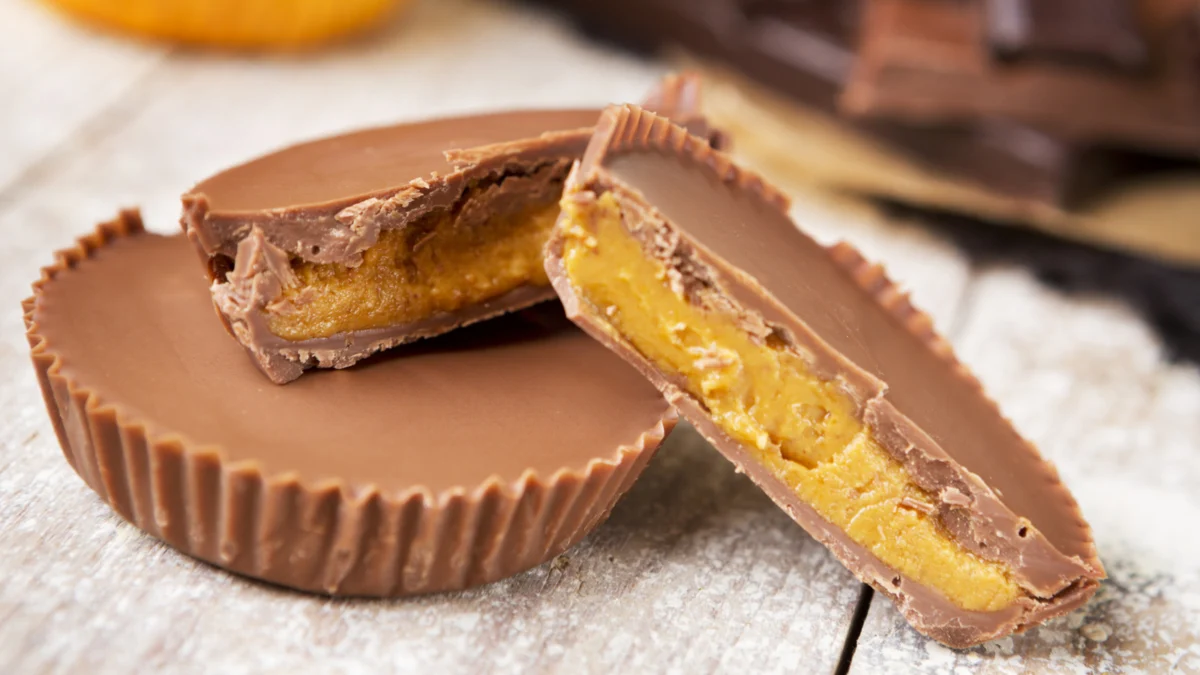
For decades, the orange-and-brown packaging of Reese’s Peanut Butter Cups has stood as the gold standard of American confectionery. Synonymous with the perfect marriage of salty, creamy peanut butter and milk chocolate, the brand has occupied a near-monopolistic position in the hearts and pantries of consumers. However, in an era defined by economic turbulence, "shrinkflation," and shifting consumer loyalties, a surprising challenger has emerged from an unlikely place: the aisles of Dollar Tree.
Landmark Confections, a house brand owned by the discount giant, is currently enjoying a viral renaissance. Online forums, social media testimonials, and savvy shoppers are increasingly asserting that this budget-friendly alternative does not just mimic the classic taste of a Reese’s cup—it outright surpasses it.
The Main Facts: A Disruption in the Candy Aisle
The core of this phenomenon lies in a direct comparison of value and sensory experience. Landmark Confections Peanut Butter Cups have garnered a cult following for their texture, which many enthusiasts claim feels fresher and more substantial than the mass-marketed competitor.
The primary driver behind this shift is the "value proposition." As major candy manufacturers have faced criticism for shrinking the physical size of their products while maintaining or increasing price points—a phenomenon known as shrinkflation—Dollar Tree has leaned into a strategy of bulk-for-your-buck. A 4.5-ounce package of Landmark Confections retails for $1.25. Conversely, at major big-box retailers like Target, a 2.2-ounce package of Reese’s Snack Size cups often retails for upwards of $1.49.
Mathematically, the disparity is stark: shoppers are receiving more than double the volume of chocolate for a lower price point when opting for the Landmark brand. For the budget-conscious consumer, the decision is no longer just about brand recognition; it is about economic pragmatism.
Chronology of a Viral Trend
The trajectory of Landmark Confections from a "budget buy" to a "gourmet secret" did not happen overnight. It is the result of a gradual shift in consumer sentiment that began gaining momentum in early 2024.
- Early 2024: As grocery inflation reached a boiling point, social media platforms—specifically Reddit and TikTok—began hosting threads dedicated to "recession-proof" snacking. Users began cross-referencing name-brand quality with discount-store finds.
- Spring 2024: A thread on the r/DollarTree subreddit featuring a discussion on Landmark Confections went viral among bargain hunters. Users began sharing side-by-side taste tests, noting that the Landmark filling possessed a slightly less gritty, more decadent consistency than the current iteration of the Reese’s cup.
- Summer 2024: The buzz expanded beyond Reddit. Influencers began creating "Dollar Tree Haul" videos that prioritized food items over home goods. Landmark’s reputation for quality control became a central talking point, with shoppers noting that even the packaging and the integrity of the chocolate shell were consistently high.
- Present Day: Landmark Confections has moved from a "hidden gem" to a staple recommendation. Retail analysts suggest that this trend is not merely a temporary blip but a long-term behavioral shift in how Americans approach secondary and tertiary snack brands.
Supporting Data: Understanding the "Value Gap"
To understand why consumers are defecting from name brands, one must look at the data surrounding the "Value Gap." According to retail analysis, the loyalty to legacy brands is eroding in the food and beverage sector at a rate of approximately 3% per year.
Pricing Comparison Table
| Product | Retailer | Package Weight | Price | Cost per Ounce |
|---|---|---|---|---|
| Landmark Peanut Butter Cups | Dollar Tree | 4.5 oz | $1.25 | $0.27 |
| Reese’s Snack Size | Target | 2.2 oz | $1.49 | $0.67 |
The data confirms that the "Reese’s Tax"—the premium paid for the brand name—is approximately 148% higher per ounce than the Landmark alternative. While taste is subjective, the fiscal argument is objective. When the product is perceived as being "just as good" or "better," the decision-making process for the average household consumer shifts heavily toward the lower cost-per-ounce option.
Corporate Origins and Official Responses
Landmark Confections is not an independent manufacturer; it is a proprietary label owned by Greenbrier International, Inc., which serves as the primary subsidiary for Dollar Tree. By managing the supply chain internally, Dollar Tree is able to bypass the middleman costs that inflate the price of name-brand products found at traditional grocery stores.
While the company has not issued a formal press release addressing the "Reese’s vs. Landmark" debate, their retail strategy speaks volumes. By sourcing products from various international locations—including high-quality production facilities in Poland—Dollar Tree has focused on maintaining a high standard for their house labels.
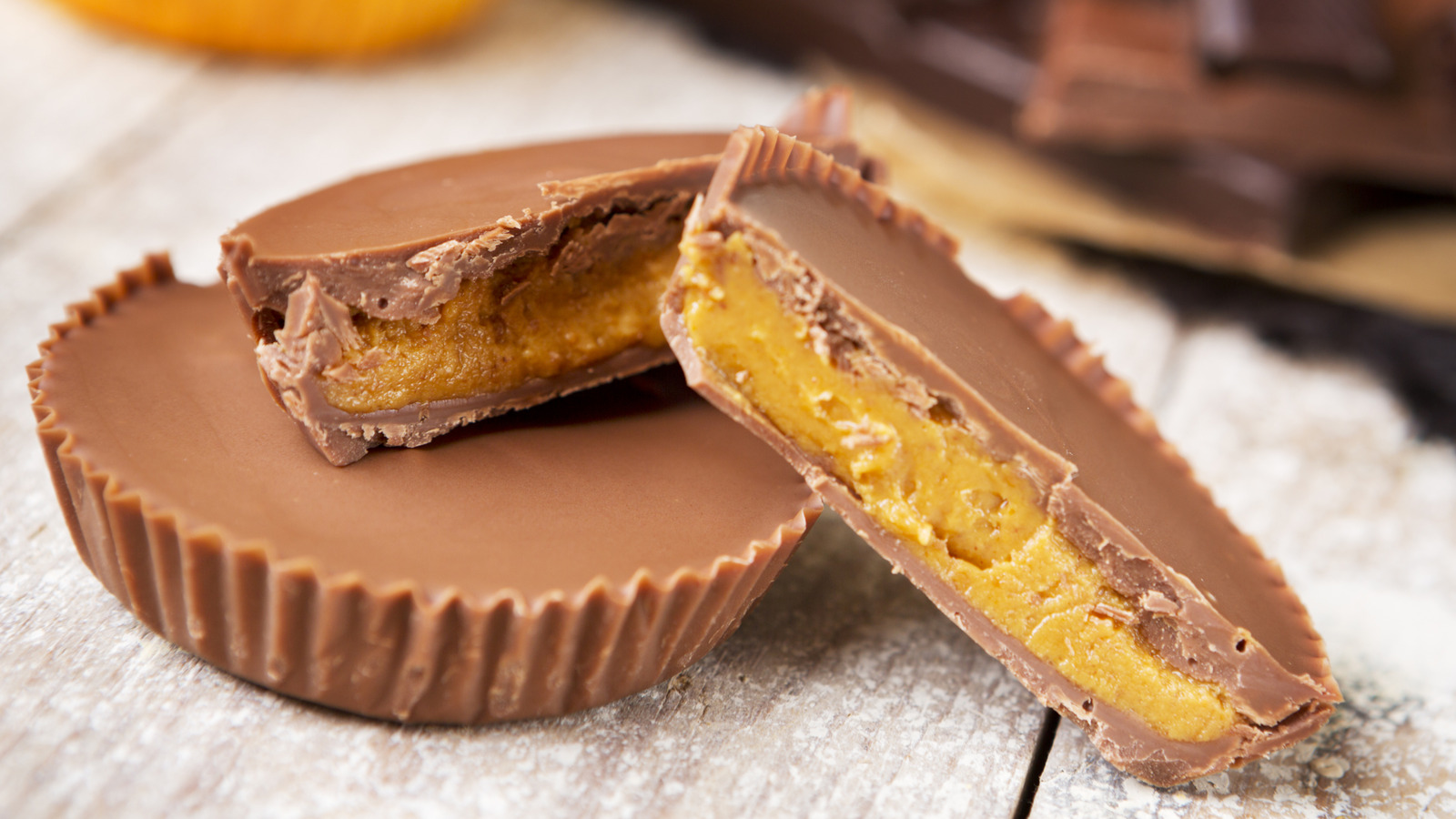
Internal reports from Dollar Tree indicate that the confectionery segment of their business has seen a steady increase in foot traffic. Store managers have noted that "Landmark" branded items are often the first to be restocked, suggesting that the company is fully aware of the product’s viral popularity and is adjusting inventory levels to meet the growing demand.
Implications for the Confectionery Industry
The success of Landmark Confections signals a broader transformation in the retail landscape. Legacy brands that rely on decades of marketing spend are increasingly vulnerable to "private label" or "store brand" competition that offers competitive quality at a fraction of the cost.
1. The Death of Brand Blindness
Consumers are becoming increasingly "brand blind." They are willing to experiment with store-brand items, provided the quality meets a baseline expectation. Once a consumer realizes that a $1.25 bag of peanut butter cups satisfies their craving just as well as a more expensive, smaller package, the "switching cost" drops to near zero.
2. The Impact of Global Sourcing
The fact that Landmark sources products from global hubs like Poland demonstrates that the discount sector is no longer relying on low-quality, domestic leftovers. They are actively sourcing products that can compete with the flavor profiles of established domestic giants.
3. The Future of the "Snack" Economy
If this trend continues, legacy manufacturers will be forced into a difficult position: either they must reduce prices, increase package sizes to combat the perception of shrinkflation, or invest heavily in marketing to convince the public that their "secret recipe" is worth the 148% premium.
Beyond the Peanut Butter Cup: A Diverse Portfolio
The success of the peanut butter cups has served as a "gateway" for consumers to explore the rest of the Landmark Confections line. Shoppers are increasingly vocal about the quality of the brand’s other offerings:
- Peppermint Patties: Frequently compared to York, these are noted for having a cleaner, more refreshing mint profile.
- Peanut Clusters: Perhaps the most "sought-after" item, store employees report that these often sell out within hours of delivery.
- Specialty Items: The brand also offers chocolate-covered blueberries and various chocolate bars, all of which are gaining traction among the same demographic that favors the peanut butter cups.
Conclusion: The Rational Consumer
Ultimately, the rise of Landmark Confections is a testament to the power of the modern, informed consumer. In an economy where every dollar is scrutinized, shoppers are voting with their wallets. They are no longer content with shrinking portions and premium pricing.
Whether you are a connoisseur of chocolate or simply someone looking to satisfy a sweet tooth without breaking the bank, the data and the public consensus are clear: the "name brand" is no longer the only game in town. As Dollar Tree continues to refine its private-label offerings, the "Reese’s vs. Landmark" debate serves as a microcosm of a much larger shift—a move toward value-driven consumption that values quality, price, and transparency over the nostalgia of a famous logo.
For those still skeptical, the next trip to the store might be the perfect opportunity to conduct a personal taste test. You may find that the best candy in the aisle isn’t the one you’ve been buying for years, but the one you’ve been walking past on the bottom shelf.