Overview: A Coordinated Federal Offensive
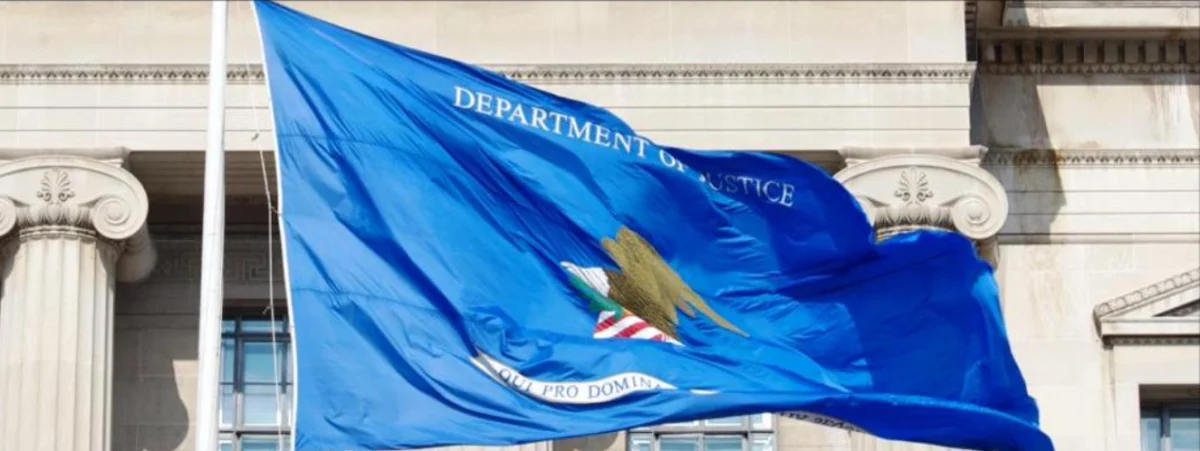
In a significant escalation of federal law enforcement activity within the Caribbean, the U.S. Department of Justice (DOJ) announced on Thursday that it has brought federal gun and drug trafficking charges against 81 alleged members of the Puerto Rican gang known as "Los Baja Deo." This massive indictment is the culmination of a protracted investigation spearheaded by the Department of Homeland Security (DHS), signaling a robust intensification of federal oversight and intervention in Puerto Rico.
According to Attorney General Todd Blanche, the investigation successfully dismantled a sophisticated criminal network responsible for the distribution of massive quantities of illicit narcotics. The scope of the operation, which resulted in the seizure of 21 firearms, highlights the intersection of local gang violence and international drug trafficking routes. The charges carry severe potential consequences; if convicted, the defendants face sentencing ranging from 15 years to life in federal prison.
Chronology of Operations and Legislative Context
The investigation that led to this week’s indictments did not occur in a vacuum. It was a direct outgrowth of Executive Order 14159, titled "Protecting the American People Against Invasion," signed by President Donald Trump in January 2025. This order set the administrative framework for a more aggressive posture toward domestic and international criminal organizations, authorizing DHS to prioritize the dismantling of groups that threaten border integrity and domestic safety.
Following the signing of the order, a specialized task force was established, coordinating the resources of the FBI, the Drug Enforcement Administration (DEA), the Bureau of Alcohol, Tobacco, Firearms and Explosives (ATF), and various local law enforcement agencies. This multi-agency coalition spent the better part of 2026 tracking the logistical movements of "Los Baja Deo," identifying key personnel, supply chains, and safe houses across the island.
The timeline of this specific operation reflects a broader, highly accelerated pace of federal activity throughout the Caribbean that has defined the second term of the Trump administration. Since September 2025, the U.S. military and federal law enforcement have engaged in an active campaign to disrupt maritime drug transportation, a strategy that has seen repeated, high-intensity confrontations at sea.
Supporting Data: The Scale of the "Los Baja Deo" Enterprise
The financial and logistical data released by the Department of Justice paints a grim picture of the operational capacity of "Los Baja Deo." Investigators allege that the gang was not merely a local street-level entity but a vertically integrated trafficking operation.
The evidence presented by Attorney General Blanche indicates that the organization was responsible for:
- Fentanyl Distribution: At least 340 kilograms of fentanyl or fentanyl-laced narcotics were moved through the organization’s channels.
- Cocaine Trafficking: At least 2,200 kilograms of cocaine were processed and distributed.
- Economic Impact: The total proceeds generated by these activities are estimated to exceed $49 million.
These figures illustrate the staggering volume of contraband flowing through Puerto Rico, which the administration identifies as a critical vulnerability in its "narco-terrorism" prevention strategy. The seizure of 21 firearms—ranging from handguns to high-caliber tactical weapons—serves as a testament to the violent nature of the gang’s business model and the escalating arms race between criminal syndicates and local law enforcement.
Official Responses and Strategic Partnerships
The success of the operation was lauded by both federal officials and local Puerto Rican authorities, who emphasized the necessity of a unified front against organized crime.
Puerto Rico Police Superintendent Joseph González issued a formal statement affirming the territorial government’s cooperation with the Homeland Security Task Force. "The Puerto Rico Police remains committed to working hand in hand with the Homeland Security Task Force to dismantle violent criminal and drug trafficking organizations that threaten the safety of our communities and spread fear," González noted. He further highlighted that the local police force is "an essential part of these joint efforts," characterizing the mission as a critical, daily necessity for the survival of the territory’s social fabric.
Attorney General Blanche also emphasized the deterrent effects of this activity, suggesting that the administration intends to maintain this high-tempo operational pace throughout the greater United States and its territories. The tone from Washington is one of unwavering resolve, framing the struggle against gangs like "Los Baja Deo" as a matter of national security rather than mere domestic policing.
Implications: A New Era of "Narco-Terrorism" Enforcement
The indictment of the 81 gang members is emblematic of the Trump administration’s broader geopolitical and domestic strategy. By classifying drug-related activities as "narco-terrorism," the administration has lowered the threshold for the use of military and extreme federal force, both at home and abroad.
The Caribbean Theater
The aggressive posture in Puerto Rico is mirrored by the administration’s actions across the Caribbean, Central, and South America. Since late 2025, the U.S. has executed numerous air strikes on vessels suspected of trafficking, resulting in hundreds of fatalities. These actions have drawn sharp rebuke from international human rights organizations, which have condemned the strikes as "extrajudicial executions." The administration, however, maintains that the threats posed by drug cartels necessitate a military-grade response.
Domestic Policy Linkages
The crackdown on "Los Baja Deo" fits into a larger tapestry of executive actions taken over the past 20 months. This includes:
- Trade and Tariffs: The administration has utilized the threat of drug entry as a primary justification for a new, expansive tariff scheme on imports, linking economic protectionism with border security.
- Visa and Immigration Restrictions: DHS has simultaneously proposed significant increases in filing fees for H-1B visas and tightened immigration enforcement, arguing that these measures are essential to "protect the American people" from foreign threats.
- Geopolitical Intervention: Perhaps the most dramatic example of this policy was the January 2026 military operation in Venezuela, which led to the capture of President Nicolas Maduro. The U.S. government justified the move by citing Maduro’s alleged involvement in international drug trafficking, further cementing the administration’s "narco-terrorism" doctrine as a primary driver of its foreign policy.
Judicial and Social Consequences
For the 81 defendants, the legal path forward is daunting. Facing potential life sentences, the judicial proceedings will likely serve as a test case for the efficacy and reach of the executive orders that enabled the investigation. Legal experts suggest that the government’s reliance on "narco-terrorism" statutes may lead to complex constitutional challenges, particularly regarding the intersection of military intervention and domestic criminal prosecution.
As the administration continues to frame the war on drugs as an existential battle, the Puerto Rico bust serves as a microcosm of a new, more militarized approach to the rule of law. Whether this strategy will lead to a long-term reduction in drug-related violence or merely exacerbate the volatility in the region remains a point of intense debate among policymakers, human rights advocates, and the residents of the territories affected by these federal interventions.