Panera Bread has long navigated the delicate tightrope of fast-casual dining—attempting to balance its legacy as a bakery-cafe with the modern consumer’s demand for high-protein, veggie-forward, and tech-integrated dining. As of June 17, 2026, the chain has launched an aggressive new summer menu that aims to pivot away from its bread-heavy past toward a more sophisticated, "market-fresh" future.
For this comprehensive assessment, I returned to the brand that shaped my early college career. Having worked behind the counter at Panera years ago, I possess a unique vantage point on the operational realities of the chain. From the kitchen workflow to the customer experience, I spent the week dissecting these new offerings to determine if Panera’s latest evolution is a stroke of culinary genius or merely a desperate attempt to stay relevant in an era dominated by specialized salad and bowl concepts.
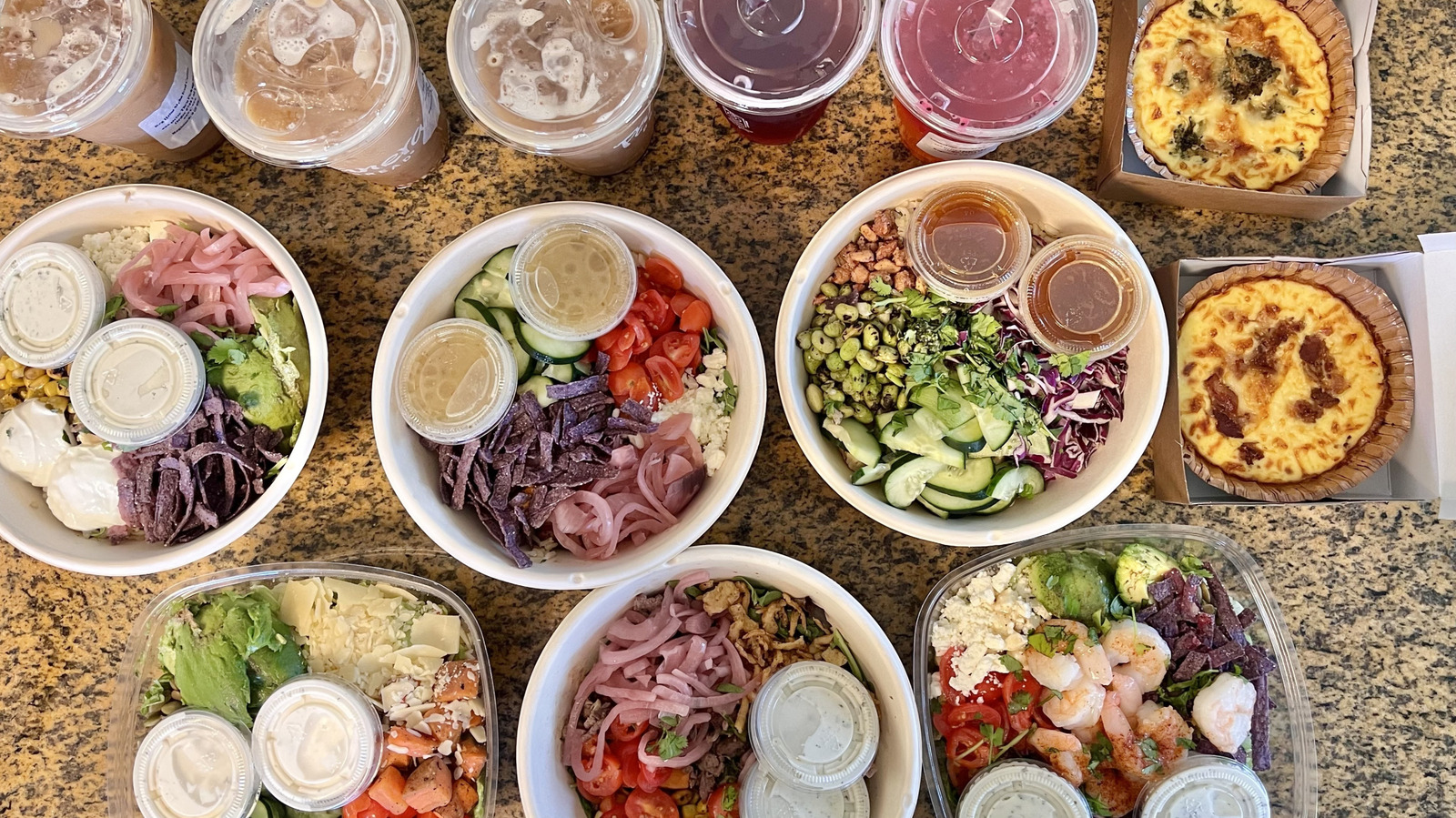
The Strategy: Modernizing the Panera Identity
The 2026 summer menu is a clear signal that Panera is attempting to reclaim its authority in the "healthy-ish" lunch category. By introducing an expanded roster of Market Bowls, premium salads, and artisanal breakfast frittatas, the brand is explicitly competing with high-end, fast-casual players like Sweetgreen.
Methodology and Execution
To ensure an objective evaluation, I utilized the Panera mobile app—a tool that has become the primary interface for most customers. By scheduling a drive-thru pickup, I was able to test both the efficiency of the digital ordering ecosystem and the consistency of the final product. My critique is rooted in three pillars: flavor profile, structural integrity of the ingredients, and value proposition. Given that my background includes time behind the register and the espresso machine, I also factored in the "real-world" feasibility of these items being prepared by a typical fast-casual staff during a lunch rush.
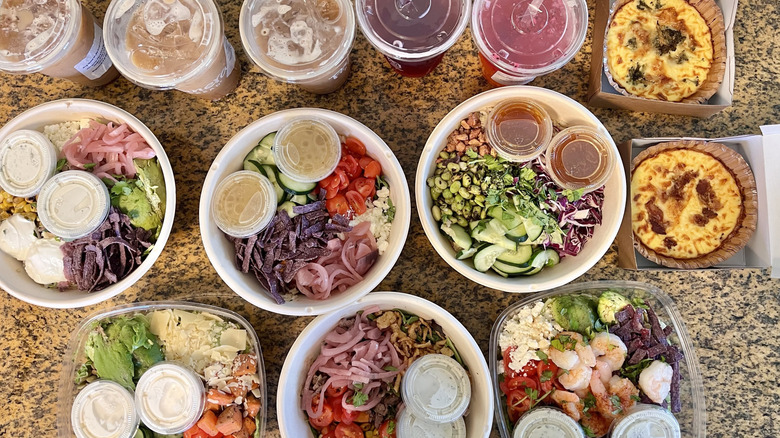
The Market Bowls: A Strong Competitive Response
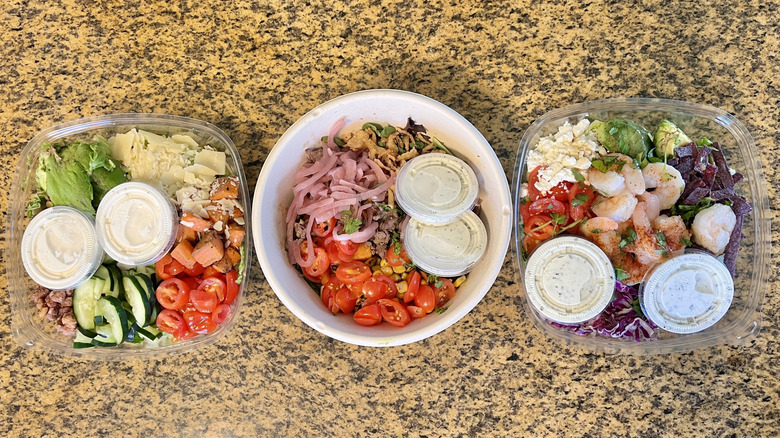
The standout category of this new release is undoubtedly the Market Bowl lineup. These bowls appear to be a direct response to the "bowl culture" that has taken over the lunch hour.
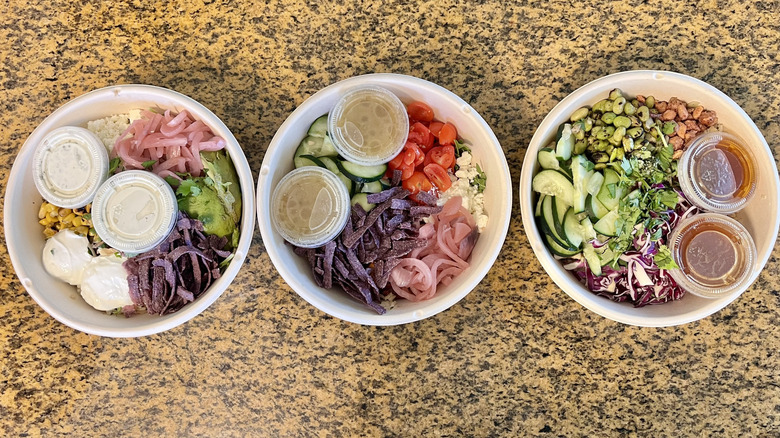
The All-In Veggie Market Bowl ($9.99)
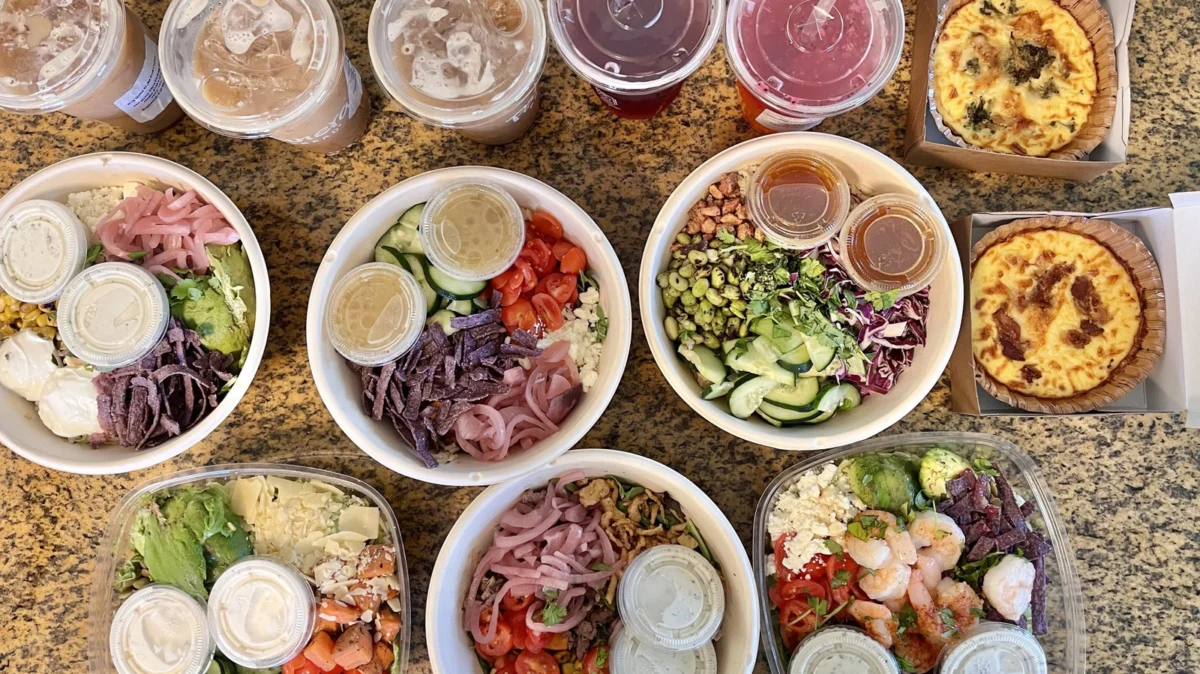
At a price point under $10, this is the budget-friendly entry. It utilizes a base of arugula and herbed brown rice, topped with glazed sweet potatoes, feta, cucumber, grape tomatoes, roasted corn, and pickled red onions. While the flavor harmony is pleasant, the reliance on blue corn tortilla strips is a minor failure; in several tests, the strips lacked the requisite crunch, suggesting they struggle with humidity in the to-go containers.
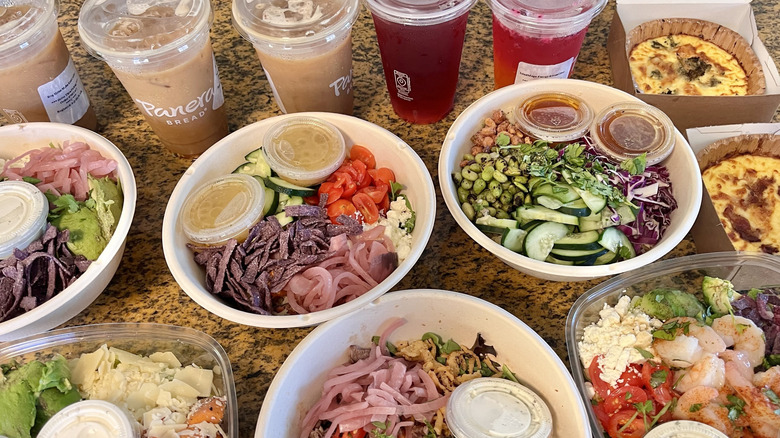
The Sesame Ginger Chicken Market Bowl ($13.99)
This bowl successfully bridges the gap between nutrition and indulgence. The sesame ginger dressing is the star here, offering a sophisticated balance of umami, soy, and rice vinegar. While the grilled broccoli suffered from slight overcooking—a common issue in high-volume, batch-prepared fast-casual kitchens—the addition of candied black pepper almonds provided a much-needed textural contrast.
The Carnitas Elote Market Bowl ($15.99)
This is the "hero" item of the 2026 summer rollout. The slow-roasted pork is surprisingly tender for a chain of this scale. When paired with avocado, feta, and the Greek yogurt-based garden herb dressing, it creates a cohesive, high-end experience that feels more like a sit-down bistro than a drive-thru order. It is, without question, the best item on the new menu.
Premium Salads: Refreshment Redefined
Moving away from the grain-based bowls, the new salads opt for a crisp romaine base. While the ingredients are consistently fresh, the pricing reflects a premium strategy that may alienate some legacy customers.
- The Ultimate Garden Steak Salad ($15.99): While the steak is seasoned well, the portion size feels a bit sparse. The interplay between the pickled onions and crispy onions, however, is a masterclass in textural balance.
- The Farmhouse Crunch Salad ($11.99): This is the unsung hero of the salad category. It proves that a meat-free option doesn’t have to be "boring." The combination of pumpkin seeds, parmesan, and candied almonds makes for a remarkably filling meal that challenges the necessity of animal protein.
- The Shrimply Baja Salad ($14.99): Perhaps the weakest of the trio. While the shrimp is fresh, the flavor profile is somewhat muddled by the combination of taco seasoning and a smoky lemon vinaigrette. It feels like an identity crisis on a plate.
Breakfast Frittatas: A Crustless Pivot
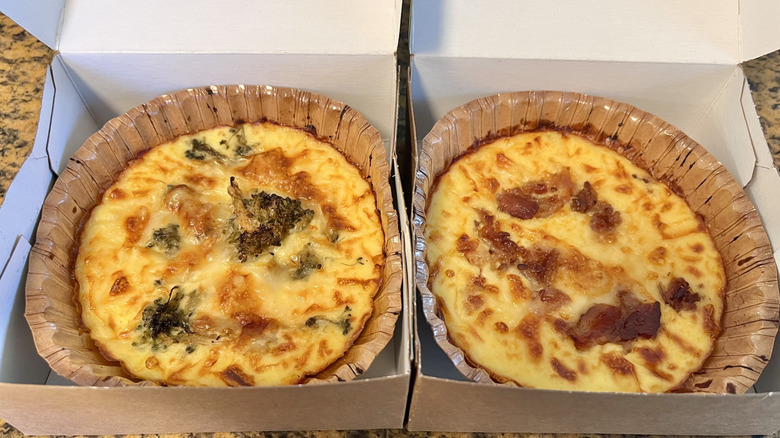
Panera’s attempt to modernize breakfast via "crustless soufflés" results in a product that is undeniably tasty but operationally questionable. Priced at $7.29, these frittatas are small and lean heavily on dairy.
The Broccoli Cheddar and Five Cheese & Bacon varieties offer a decadent, creamy mouthfeel, but they lack the structural substance of a traditional sandwich or wrap. For the price, the value proposition is thin; however, for the keto-conscious consumer looking for a quick grab-and-go option, they serve a specific, albeit narrow, purpose.
Beverage Performance: The Weakest Link
If the food marks a redemption for Panera, the beverages serve as a stark reminder of the chain’s historical struggles with consistency.
The Coffee Conundrum
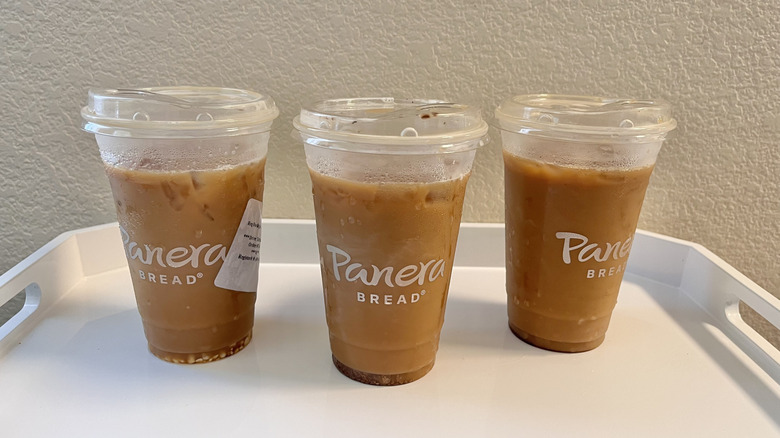
The new iced coffee lineup—including Rocky Road, Snickerdoodle, and Hazelnut Mocha—suffered significantly from dilution. In a fast-casual environment, the "pour hot coffee over ice" method remains the primary culprit for watery drinks. When combined with the reality of employee training—where staff are often split between cashier duties, food prep, and barista tasks—the quality is inconsistent at best.
Refreshers and Teas
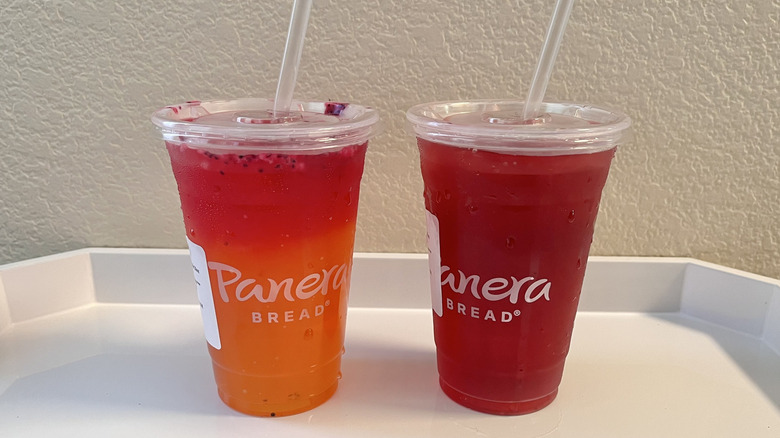
The Island Mango Energy Refresher is a vibrant, photogenic drink, though it leans toward the saccharine side. It is a "fun" accessory to a lunch order but lacks the complexity to justify a standalone visit. The Blackberry Hibiscus Herbal Iced Tea is a respectable, unsweetened option, though it is ultimately forgettable.
Operational Implications and Final Verdict
The 2026 summer menu illustrates a brand that is listening to the market but still grappling with its own operational constraints.
The "Redemption" Reality
Panera has succeeded in crafting a food menu that feels fresh, modern, and high-quality. The transition toward arugula-based bowls and complex salad flavor profiles is a sophisticated move that aligns the brand with current consumer trends.
However, the "redemption" is partial. The operational bottleneck remains the beverage program. As I recall from my time working at Panera, the pressure to produce high-quality espresso drinks and complex iced coffees without dedicated barista training creates an inevitable gap between the marketing imagery and the final consumer experience.
Final Recommendations
- What to Order: The Carnitas Elote Market Bowl and the Farmhouse Crunch Salad. These items demonstrate that Panera can deliver a high-quality, chef-inspired meal at a competitive speed.
- What to Skip: The iced coffee lineup. Unless the location has a dedicated, well-trained barista, the risk of a diluted or poorly balanced drink remains too high.
- The Verdict: Panera is on the right path. By leaning into the "Market" branding and focusing on bold, textured salads and bowls, the company is successfully shedding its "old-school bakery" skin. If they can eventually solve the consistency issues in their beverage program, they may find themselves at the top of the fast-casual hierarchy once again.
The 2026 summer menu is a bold statement—one that proves that even a legacy brand can reinvent itself, provided it focuses on the right ingredients and manages its expectations for operational excellence. While not every item is a home run, the successes here are significant enough to make a lunch visit to Panera worth your time once again.