For the estimated 200 million people worldwide living with degenerative retinal diseases, the world is slowly fading to black. Conditions such as age-related macular degeneration (AMD) and retinitis pigmentosa (RP) represent a devastating global health crisis, robbing individuals of their independence and placing a staggering US$400 billion annual burden on the global economy through direct healthcare costs and lost productivity.
However, a breakthrough study recently published in the Journal of the American Chemical Society (JACS) offers a glimmer of hope. A research consortium led by the Institute for Bioengineering of Catalonia (IBEC) has unveiled a new class of photoswitchable small-molecule drugs—dubbed "molecular prostheses"—that have successfully restored visual function in animal models of blindness. This non-invasive, drug-based approach could bypass the limitations of current genetic and electronic interventions, potentially marking a paradigm shift in how we treat the world’s leading causes of blindness.
The Biological Barrier: Why Vision Fails
To understand the significance of this breakthrough, one must first understand the architecture of the eye. In a healthy eye, photoreceptor cells (rods and cones) capture incoming photons and convert them into electrical signals, which are then processed by the underlying neural circuitry of the retina before being sent to the brain.
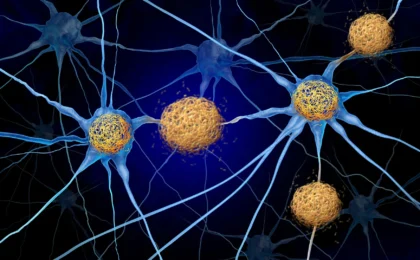
In diseases like AMD and RP, these photoreceptors gradually wither and die. Crucially, however, the neural "wiring" beneath them—the retinal circuitry—often remains intact. Because these deeper cells are no longer receiving the light signals they need to function, they effectively "go silent." Until now, medical science has struggled to "re-awaken" this circuitry without resorting to extreme measures.
Current standards of care are fraught with limitations:
- Gene Therapy: Highly effective but specific to individual genetic mutations, leaving the vast majority of patients with other causes of degeneration without a cure.
- Electronic Retinal Prostheses: Invasive, expensive, and often requiring extensive patient training to interpret artificial signals.
- Optogenetics: While promising, this technique requires genetic modification to make cells light-sensitive, a process that is irreversible and complex to administer.
Chronology: A Decade of Collaborative Innovation
The road to these "molecular prostheses" was not paved overnight. The current findings are the culmination of more than a decade of interdisciplinary research.
- 2014–2016: Early exploration into photopharmacology begins, with initial funding from the patients’ foundation Fundaluce. Researchers start investigating how light-sensitive molecular switches could control biological activity.
- 2017–2020: The team, including experts from the University of Alcalá (UAH), the Institut de Química Avançada de Catalunya (IQAC-CSIC), and the University of Barcelona (UB), begins refining the design of small molecules capable of targeting specific neurons.
- 2021–2023: The "prosthe6" family of compounds is developed and refined. Extensive testing in zebrafish and mouse models demonstrates that these molecules can successfully restore light-avoidance behaviors.
- 2024: The JACS publication marks the formal transition from experimental chemistry to a validated therapeutic concept. Simultaneously, the spin-off company Eyelumina is formed to bridge the gap between lab research and human clinical trials.
The Science of “Prosthe6”: How It Works
The technology relies on photopharmacology, a field that utilizes light to control the activity of a drug in real-time. The IBEC team created a family of molecules called prosthe6, which are engineered to act as "molecular switches."
The Mechanism of Action
The compounds are designed to target ON-bipolar neurons. In a healthy eye, these cells receive the "light is present" signal from photoreceptors. In the blinded eye, these neurons remain present but dormant.
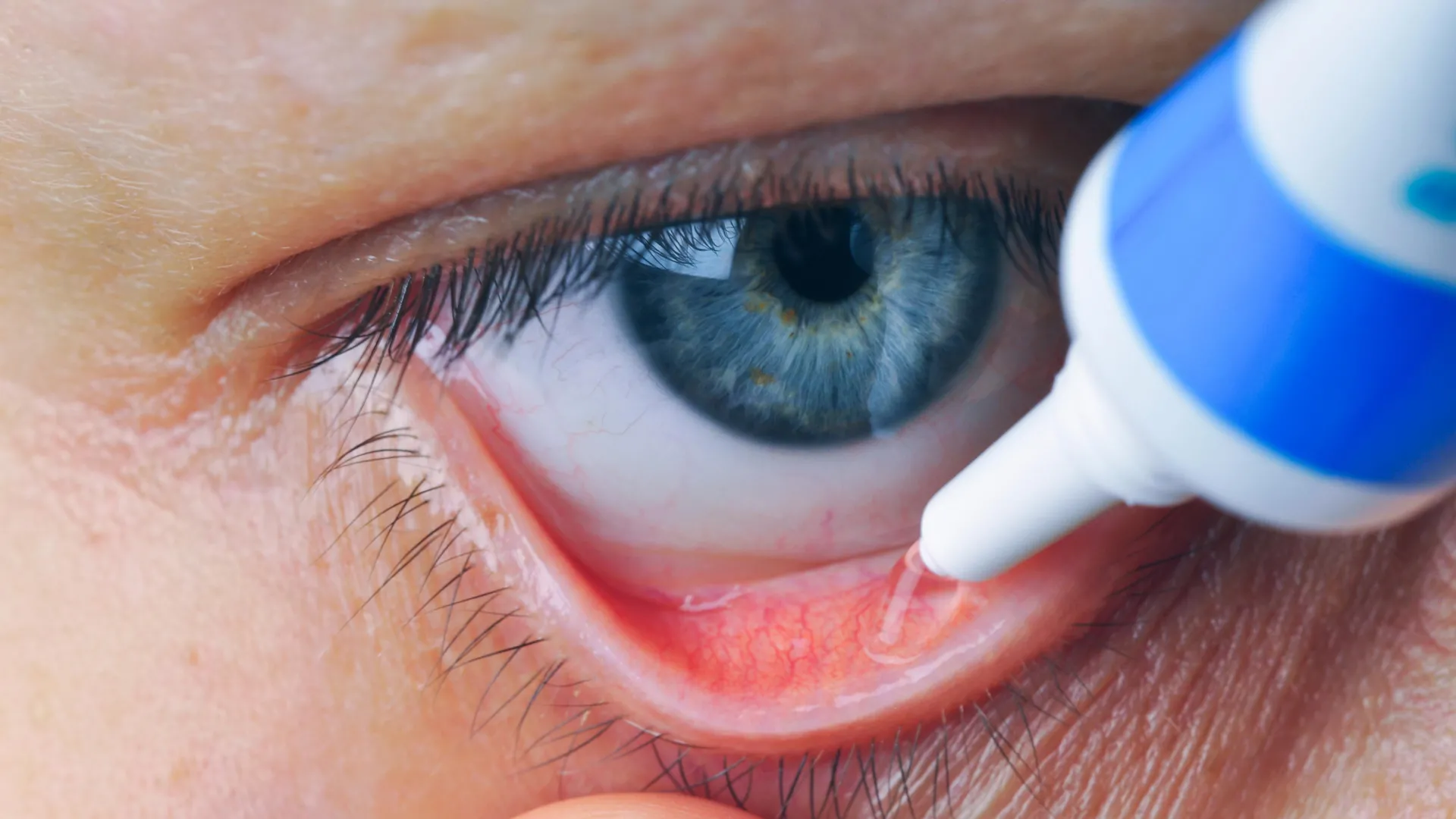
When a patient receives the prosthe6 treatment—which can be delivered via a simple eye drop or a standard injection—the molecules settle into the retinal tissue. When light enters the eye, it hits the molecular switch, causing it to change its physical shape. This change triggers the mGlu6 protein on the bipolar cells, effectively mimicking the signal the missing photoreceptors used to provide.
"Instead of bypassing retinal processing," explains Rosalba Sortino, a co-first author of the study, "we aimed to reactivate it right at the same level of the retinal circuit as the lost photoreceptor cells."
Superiority Under Natural Light
Perhaps the most impressive feature of prosthe6 is its performance under ambient light. Many optogenetic treatments require specialized, high-intensity light sources or glasses that amplify visual input. In contrast, the IBEC compounds function under standard indoor and outdoor illumination, allowing for a more natural visual experience.
Supporting Data: Proof of Concept in Animal Models
The efficacy of the treatment was validated through two rigorous behavioral models:
- Zebrafish Larvae: The team used blinded zebrafish to measure the optokinetic reflex—the involuntary eye movements a fish makes to track movement in its environment. Post-treatment, the fish showed restored tracking abilities, indicating that the molecules were successfully transmitting visual information to the brain.
- Mouse Models of AMD and RP: Healthy mice exhibit an innate "light-avoidance" behavior; they prefer dark, sheltered areas. Blind mice lose this instinct because they cannot distinguish between illumination levels. Upon receiving prosthe6, the blind mice spontaneously returned to their dark-seeking behavior, proving that the molecules were providing enough visual data to guide instinctive, complex navigation without any prior training.
Two specific variants, prosthe6-12 and prosthe6-15, emerged as the most potent candidates, showing clear success even when administered via simple topical eye drops.
Official Responses and Perspectives
The project’s leadership emphasizes that while this is not a biological "cure" that regenerates cells, it is a functional "restoration" of the ability to see.
"These molecules do not cure blindness, because they do not address the cause of photoreceptor degeneration," notes Pau Gorostiza, ICREA Research Professor at IBEC and leader of the study. "But they are remarkably effective at restoring sight, and they do so using a very simple and potentially patient-friendly approach."
The academic community has recognized the rigor of this work, with the University of Barcelona awarding Rosalba Sortino the Extraordinary Doctoral Prize for the 2023–24 academic year for her thesis on this breakthrough.
Implications: A New Era of Accessible Healthcare
The implications of this research extend far beyond the laboratory. If these results can be replicated in human clinical trials, the societal impact would be profound.
Universal Applicability
Because the prosthe6 molecules target the "downstream" circuitry of the retina—the machinery that remains intact in most patients—the treatment is largely independent of the specific genetic mutation or the initial cause of the blindness. This makes it a potential "universal" therapy for a broad spectrum of patients currently excluded from precision genetic medicine.
Affordability and Accessibility
Current retinal prostheses cost tens of thousands of dollars and require complex surgical implantation. A drug-based solution that can be delivered via eye drops offers a model that is scalable, affordable, and easily administered in a standard outpatient setting. This could drastically reduce the economic burden on healthcare systems globally.
The Path Forward
The journey to the clinic remains complex. The research team is now focused on optimizing the longevity of the effect—ensuring that a single dose or daily drop provides consistent vision—and conducting the rigorous safety studies required by regulatory bodies.
"Turning this into a therapy is a long and laborious process," admits Gorostiza. However, with the patent secured and the formation of Eyelumina to drive translational development, the team is optimistic. For millions of people waiting for a light in the dark, the "molecular prosthesis" may represent the most promising, accessible, and revolutionary step forward in the history of ophthalmology.