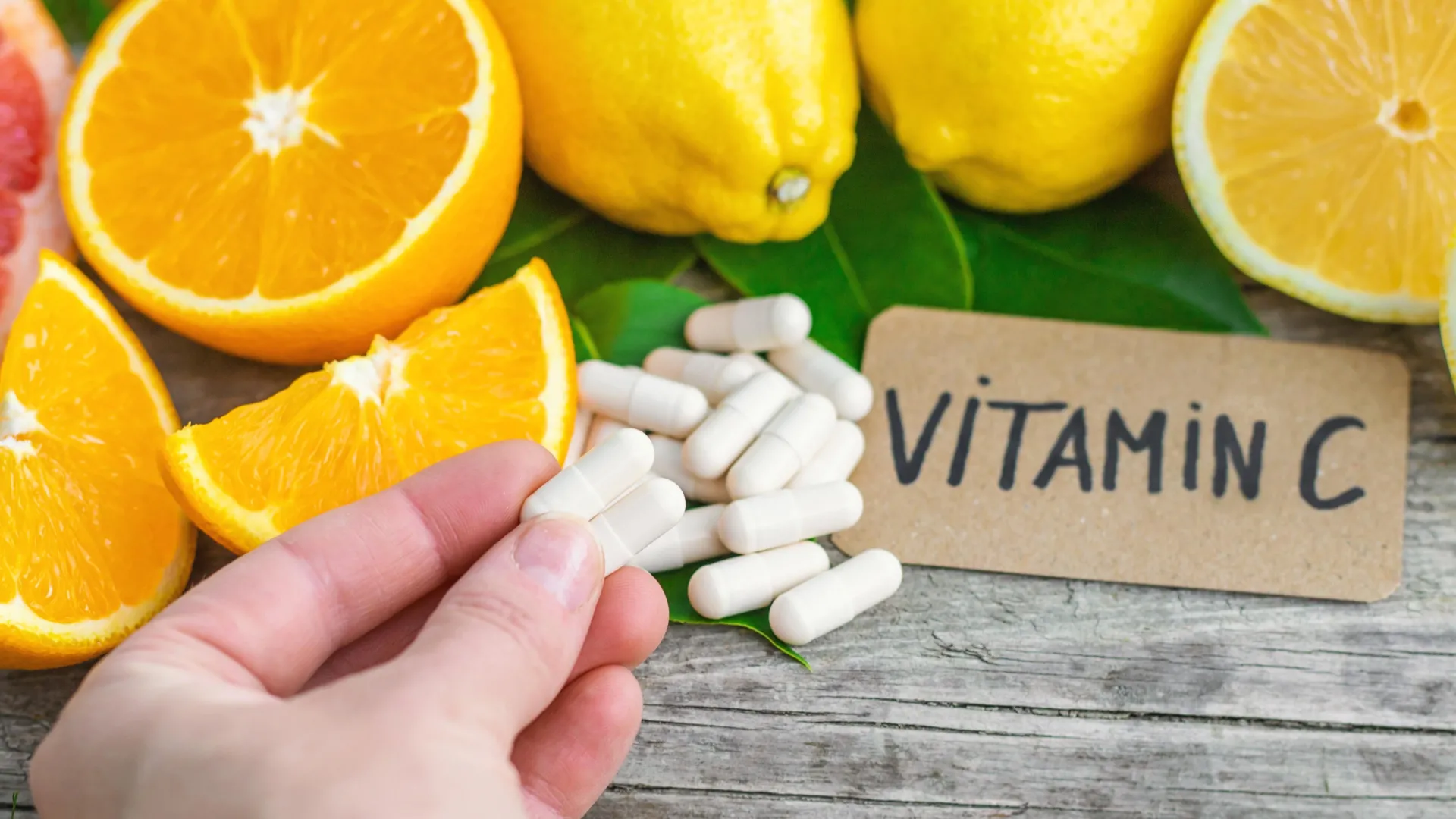
As the first crisp, cold mornings of winter arrive, the retail landscape shifts in predictable ways. Pharmacies and supermarket shelves are suddenly dominated by vibrant displays of Vitamin C, marketed as an essential defense against the seasonal onslaught of the common cold. For decades, the narrative has been clear: if you want to stay healthy, "boost" your immune system with high doses of ascorbic acid.
But beneath this multi-billion-dollar industry lies a surprising history rooted not in the consensus of nutritional science, but in the influential claims of a single, brilliant man who wandered far outside his area of expertise.
The Origin Story: A Nobel Prize and a Misguided Crusade
The enduring myth that high-dose Vitamin C is a panacea for the common cold can be traced back to 1970, when Linus Pauling, a two-time Nobel Prize winner, published Vitamin C and the Common Cold.
Pauling was undoubtedly a scientific titan. In 1954, he received the Nobel Prize in Chemistry for his groundbreaking research into the nature of chemical bonds. In 1962, he was awarded the Nobel Peace Prize for his vocal activism against nuclear weapons testing. His intellectual authority was immense, which made his pivot to nutrition particularly consequential.
It is critical to note that Pauling was neither a dietitian nor an infectious disease physician. Despite his lack of medical specialization, his 1970 book became a cultural phenomenon. In it, Pauling advocated for the daily consumption of 1,000 to 2,000 milligrams of Vitamin C—a massive increase compared to standard dietary requirements—to achieve "optimum health" and prevent the common cold.
His recommendations were largely based on a single placebo-controlled trial involving children at a Swiss ski camp, supplemented by a cursory analysis of four subsequent studies. Even at the time, his interpretation of these data points drew sharp criticism from the medical community. Critics pointed to his flawed mathematical analyses, his heavy reliance on poor-quality, small-scale trials, and an overt over-emphasis on the specific results observed in children. Despite the warnings from nutritionists and immunologists, the public was captivated. Sales of Vitamin C supplements skyrocketed, creating a trend that has persisted for over half a century.
Chronology of a Scientific Consensus Shift
To understand why the "Vitamin C cure" persists despite scientific skepticism, we must look at how the body of research has evolved since Pauling’s heyday.
- 1970: Linus Pauling publishes Vitamin C and the Common Cold, sparking a surge in supplement demand.
- 1970s–1990s: The medical establishment begins conducting rigorous, double-blind, placebo-controlled trials to test Pauling’s hypothesis.
- 1997: Systematic reviews begin to emerge, highlighting the significant disconnect between Pauling’s claims and clinical outcomes.
- 2013: A landmark meta-analysis concludes that while high-dose supplementation might slightly reduce symptom duration, it fails to act as a preventative measure for the general population.
- 2023: A comprehensive meta-analysis of ten placebo-controlled trials reinforces the findings: the benefit of Vitamin C is minimal, limited, and highly circumstantial.
This timeline illustrates a fundamental tension in science: the ease with which a compelling, simple narrative—"Vitamin C stops colds"—can take hold, and the exhaustive, decades-long effort required to dismantle that narrative through peer-reviewed evidence.
Supporting Data: Examining the Evidence
So, what do modern researchers actually find when they subject Vitamin C to the rigors of modern clinical testing? The short answer is that the benefits are marginal at best.
A 2023 meta-analysis, which aggregated data from 2,736 healthy participants, examined the impact of regular, high-dose Vitamin C (at least 1,000mg daily) on the severity and duration of colds. The findings were underwhelming. While those taking the supplement experienced a 15% reduction in the number of days spent with "severe" symptoms, the study noted that Vitamin C had zero impact on the duration of mild symptoms. Essentially, the "cured" cold is a myth; the "slightly less miserable" cold is the most one can hope for.
Furthermore, these benefits are not universal. A 2013 meta-analysis revealed that for the general population, taking even moderate doses (around 200mg daily) did nothing to decrease the frequency of catching a cold. The only exceptions were athletes and military personnel, whose high-stress, physically taxing environments may allow for different metabolic responses.
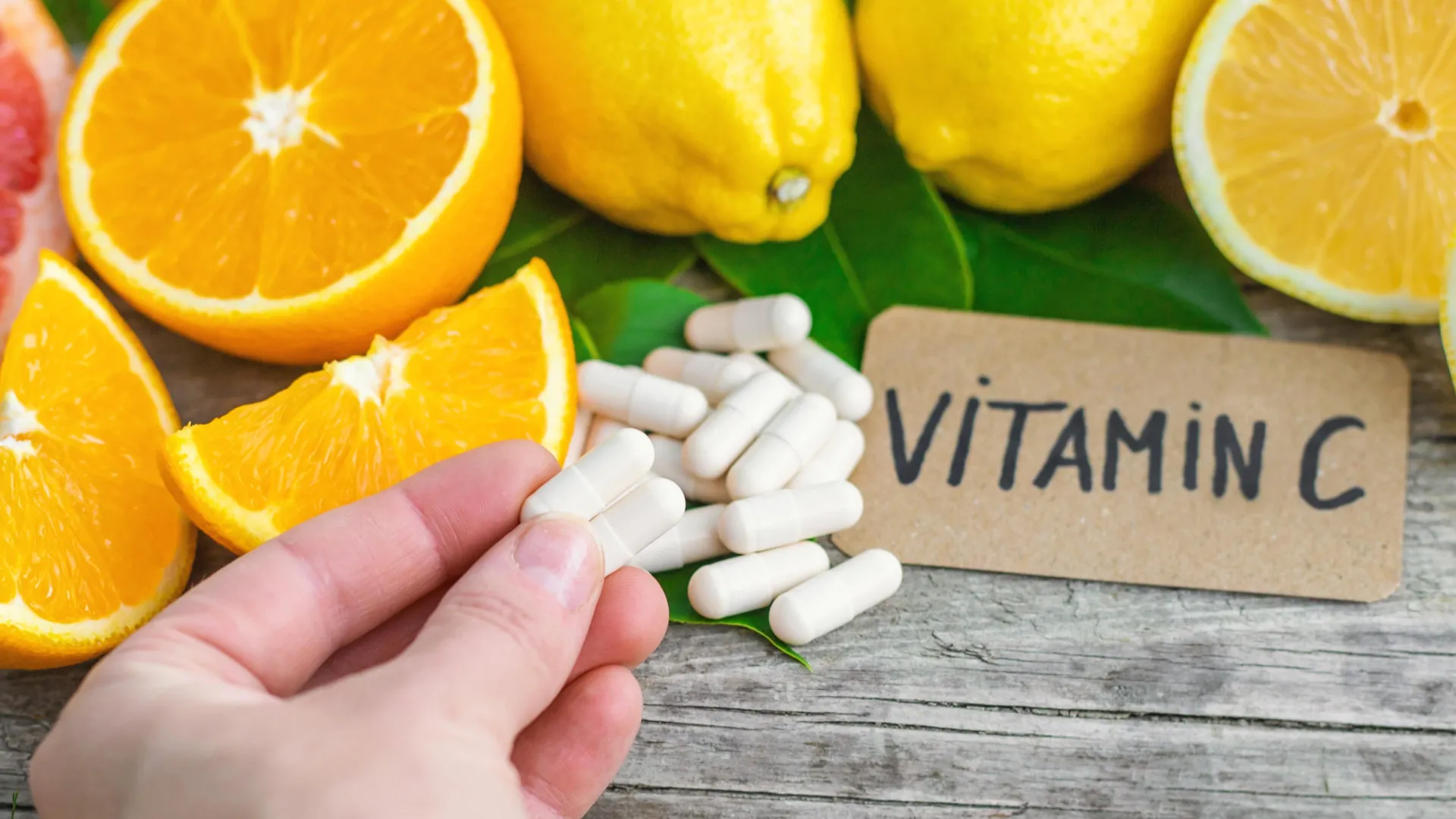
Crucially, the "start taking it when you feel a tickle in your throat" approach—often encouraged by pharmacists—has been debunked. The data suggests that supplementation only provides even these marginal benefits if it is taken regularly and consistently before an infection occurs. Once the virus has taken hold, "mega-dosing" is effectively useless.
The Risks of "More Is Better"
Perhaps the most overlooked aspect of the Vitamin C craze is the potential for harm. Pauling’s recommended "mega-doses" of 1,000–2,000mg are not merely redundant; they hover at or exceed the upper safety limits established by health authorities.
In Australia, the recommended daily intake (RDI) for an adult is a mere 45mg—an amount easily obtained by eating half an orange, a few florets of broccoli, or a small portion of fruit juice. When individuals push their intake into the 1,000mg+ range, they risk a variety of adverse outcomes.
High-dose supplementation has been linked to:
- Gastrointestinal Distress: High concentrations of ascorbic acid in the gut can lead to diarrhea, nausea, and abdominal cramps.
- Kidney Stones: Excessive Vitamin C is metabolized into oxalate, which is excreted in urine. High levels of urinary oxalate are a known risk factor for the formation of calcium oxalate kidney stones.
- Iron Overload: Vitamin C increases the absorption of non-heme iron. For individuals with conditions like hemochromatosis, this can lead to dangerous levels of iron accumulation in the body.
Given that less than 4% of the Australian population is actually deficient in Vitamin C, the vast majority of those purchasing these high-dose supplements are simply paying for expensive urine. The body possesses a strict saturation point for Vitamin C; once the blood plasma levels reach a certain threshold, the kidneys simply flush the excess out.
Official Responses and Public Health Implications
Public health organizations have been forced to play a delicate game. While they do not want to discourage a healthy, fruit-and-vegetable-rich diet, they must also contend with the misinformation that supplements are a substitute for health.
The National Health and Medical Research Council (NHMRC) and other international bodies consistently emphasize that nutrients should come from whole foods, not pills. Whole foods provide a synergistic array of fiber, antioxidants, and secondary metabolites that a synthetic tablet simply cannot replicate.
Furthermore, the "wellness" marketing tactics employed by supplement manufacturers often obscure the fact that they are selling a commodity rather than a clinical intervention. By framing the common cold as an "immune failure" rather than a normal, inevitable human experience, these companies drive unnecessary consumption.
Conclusion: A Shift in Perspective
The legacy of Linus Pauling’s book is a testament to the power of a celebrity scientist’s voice, but it is also a cautionary tale about the importance of scientific literacy. The idea that we can "mega-dose" our way out of the seasonal flu or the common cold is a persistent, profitable, but scientifically unsupported belief.
For the vast majority of the population, a balanced diet that includes a variety of fresh produce will provide all the Vitamin C necessary to maintain optimal health. Before reaching for a 1,000mg supplement, consider that the best immune system support doesn’t come in a bottle from the pharmacy aisle. It comes from the produce section, a balanced lifestyle, and a healthy skepticism of "miracle" health claims—no matter how famous the person making them might be.
If you are concerned about your nutritional status or feel that your immune system requires additional support, the most professional course of action remains the same: consult your GP. They can assess your individual needs and help you avoid the pitfalls of unnecessary supplementation.