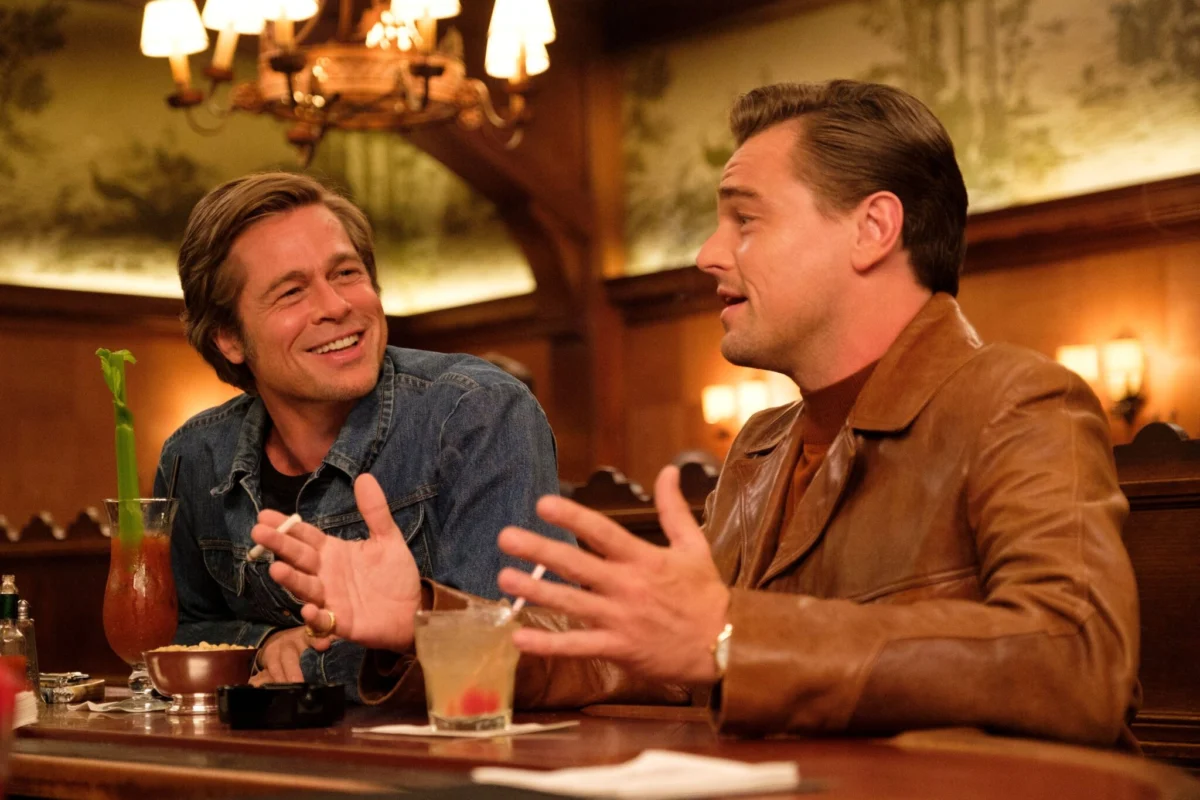
In a cinematic landscape often defined by reboots and franchise fatigue, the announcement of a sequel to Quentin Tarantino’s 2019 masterpiece, Once Upon a Time… in Hollywood, represents a rare, tectonic shift in industry norms. On Wednesday, Netflix provided a definitive update on the project, confirming that the film—now officially titled The Further Mis-Adventures of Cliff Booth—will hit streaming services on December 23, 2026, following a prestigious, limited IMAX run.
The project is notable not just for its subject matter, but for its pedigree. Quentin Tarantino, known for his "ten-film" career limit, has opted to step aside from the director’s chair, handing the reins of his most beloved supporting character to none other than David Fincher. The pairing of Fincher’s meticulous, clinical style with Tarantino’s vibrant, neon-soaked vision of 1970s Los Angeles is perhaps the most anticipated creative marriage in modern cinema history.
The Evolution of a Legend: From 1969 to 1977
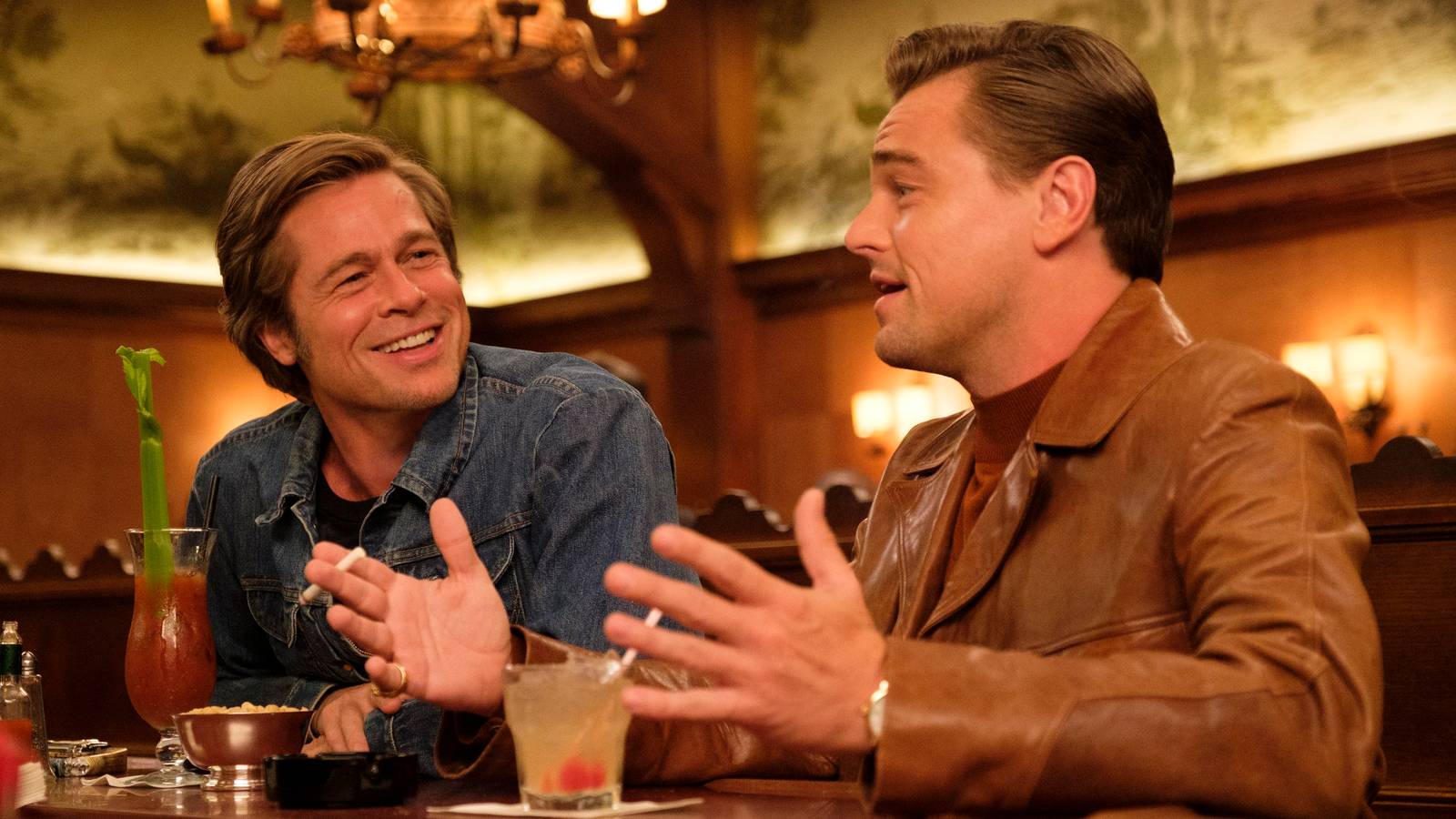
To understand the weight of this sequel, one must look back at the cultural impact of the original. Once Upon a Time… in Hollywood served as a meditative, bittersweet love letter to the dying embers of the Golden Age of cinema. Brad Pitt’s performance as Cliff Booth—a stuntman defined by his loyalty, lethal capability, and quiet stoicism—earned him an Academy Award for Best Supporting Actor and solidified the character as an instant icon of the neo-Western genre.
While the original film meticulously recreated the tension-filled summer of 1969, the upcoming sequel shifts the temporal lens. Set in 1977, The Further Mis-Adventures of Cliff Booth promises a "very different Hollywood." By the late 70s, the optimism of the "New Hollywood" era was beginning to fray, giving way to the gritty, cynical, and increasingly corporate landscape of the decade. Moving the narrative forward by eight years allows Fincher to explore the transformation of the industry and the personal trajectory of a man who, by all accounts, should have been a relic of a bygone era.
Chronology of a Surprise Production
The path to this sequel has been anything but conventional. The timeline of this production suggests a quiet, high-stakes development process:
- July 2019: Once Upon a Time… in Hollywood premieres to critical acclaim, sparking immediate discussions about the future of its characters.
- Early 2025: Rumors begin to circulate regarding a secret project involving Brad Pitt and a "major auteur" focusing on the Cliff Booth character.
- February 2026: Netflix drops a surprise teaser trailer, confirming the existence of The Adventures of Cliff Booth (the working title) and announcing David Fincher as the director.
- August 2026: Netflix confirms the official title, The Further Mis-Adventures of Cliff Booth, and announces a global IMAX release strategy for November 2026.
- November 25, 2026: The exclusive two-week theatrical run in IMAX theaters begins.
- December 23, 2026: The film becomes available for global streaming on Netflix.
A Cast of Heavy Hitters
While Pitt’s return to the role is the anchor of the film, the supporting cast represents an eclectic mix of veteran character actors and rising stars. The inclusion of Elizabeth Debicki and Yahya Abdul-Mateen II suggests that the sequel will maintain the high-caliber ensemble work that defined the original.
Joining them are Scott Caan, Carla Gugino, Peter Weller, Matt Groove, JB Tadena, Corey Fogelmanis, and Karren Karagulian. The blend of seasoned performers like Weller and Gugino with the sharp, modern sensibilities of actors like Debicki indicates that Fincher is likely leaning into a more ensemble-driven thriller format, diverging from the "buddy-comedy" dynamic of the 2019 original.
The Fincher-Tarantino Synthesis
The most compelling aspect of this project is the collaboration between two of the most influential directors of the last thirty years. Tarantino has provided the script—a move that ensures the dialogue, pacing, and specific brand of revisionist history remain intact. However, Fincher’s involvement brings a layer of technical precision and dark psychological depth that will undoubtedly shift the tone.
Fincher, who has explored the nuances of film, obsession, and systemic decay in works like Zodiac and Mank, is uniquely positioned to handle a character as enigmatic as Cliff Booth. Where Tarantino’s original was a "quiet and meditative" love letter, Fincher’s take is expected to be more clinical, perhaps focusing on the isolation of the stuntman in a changing world. It is a rare instance of an auteur handing over a finished world to another, a practice that could potentially set a precedent for future cinematic legacy projects.
Implications for the Film Industry
The decision to grant the film an exclusive two-week IMAX window before its Netflix debut is a calculated strategic move. It acknowledges the "event film" status of the project while respecting the streaming-first business model that dominates current production cycles.
1. The Death of the "Final Film" Myth?
Tarantino has long stated he would only make ten films. By writing the script for a sequel he isn’t directing, he is effectively finding a loophole that allows his creative universe to expand without compromising his self-imposed numerical limit. This raises questions about how other directors might leverage their intellectual property in the future.
2. The Power of the "Event Streaming" Model
By prioritizing a global IMAX run, Netflix is attempting to bridge the gap between "prestige cinema" and "at-home accessibility." If The Further Mis-Adventures of Cliff Booth proves to be a massive success, it may encourage other streaming giants to invest in mid-budget, director-driven sequels that command both theatrical presence and streaming longevity.
3. Character-Centric Spin-offs
The success of this project could shift the focus of Hollywood franchises. Instead of creating expansive "universes" like the MCU, studios might look toward character-centric spin-offs—smaller, more focused stories that explore the lives of side characters in established, high-quality films.
Critical Expectations
When the original film was released in 2019, critics praised its atmospheric quality. As Karen Han noted, it was a work that functioned as a "love letter." The challenge for Fincher will be to maintain that reverence while introducing his own brand of "Fincher-esque" tension.
The 1977 setting is fertile ground for this transition. The mid-to-late 70s saw the rise of the "slasher" genre, the decline of the studio system, and the birth of the blockbuster era. If Cliff Booth is indeed still working in the industry, he would be a man witnessing the destruction of the craft he dedicated his life to. That thematic resonance—the struggle between the artisan and the changing tide of commerce—is something Fincher has mastered throughout his career.
Final Thoughts: A New Chapter
As December 23 approaches, the anticipation continues to build. Whether The Further Mis-Adventures of Cliff Booth lives up to the lofty standard set by its predecessor remains to be seen. However, the mere fact that this project exists is a victory for cinephiles. It represents a rare moment where a studio has allowed two legendary directors to engage in a high-level creative dialogue, resulting in a project that is as much a study of filmmaking history as it is a continuation of a character’s life.
For those eager to catch a glimpse of the shifting landscape, the IMAX run on November 25 will serve as the true test. In an era of disposable content, the return of Cliff Booth, guided by the cold, calculating, and brilliant eye of David Fincher, promises to be one of the most significant cultural touchstones of 2026. Mark your calendars—the legend of the stuntman is far from over.