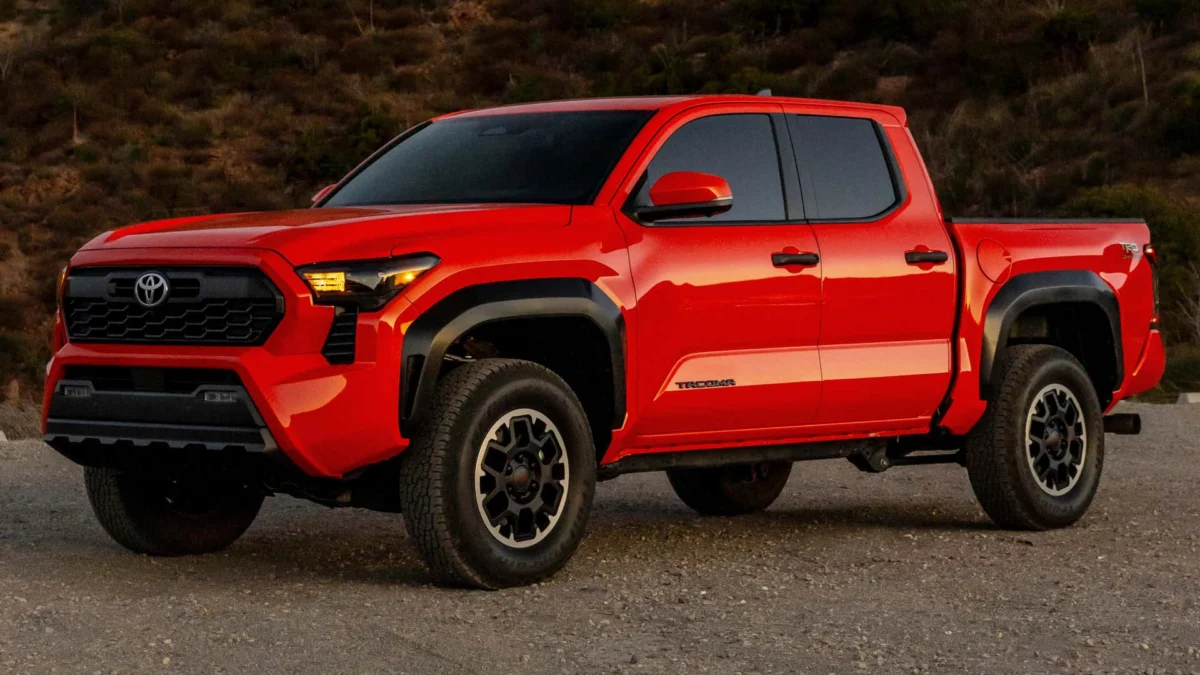
In a significant safety development for one of the automotive industry’s most popular midsize pickup trucks, Toyota Motor North America has officially announced a recall affecting 48,280 Tacoma vehicles. The campaign, designated by the National Highway Traffic Safety Administration (NHTSA) as recall 26V514, centers on a critical manufacturing defect involving the external oil reservoirs of the Bilstein shock absorbers.
For owners of the 2024–2025 Toyota Tacoma, this recall is not merely a routine service update; it addresses a hazardous mechanical failure that could pose a direct threat to road safety. Toyota has identified that corrosion can compromise the structural integrity of the welded flanges connecting the oil reservoir to the main damper body, leading to the potential for the component to detach entirely while the vehicle is in operation.
The Nature of the Defect: A Failure in Structural Integrity
The core of the issue lies within the specific hardware utilized in the TRD Off-Road suspension packages. The Bilstein shock absorbers, engineered to handle the rigors of off-road environments, rely on external oil reservoirs to maintain consistent damping performance during heavy-duty use.
Toyota’s engineering investigation revealed that a specific weld point—the flange connecting the reservoir to the shock body—is susceptible to accelerated corrosion. Over time, this oxidation weakens the bond between the two components. In extreme cases, the weld fails completely, causing the pressurized reservoir to break free from the suspension assembly.
The danger this poses is twofold. First, the immediate loss of the reservoir renders the shock absorber ineffective, significantly altering the truck’s handling, braking stability, and ride quality. Second, the detachment of a heavy metal component at highway speeds creates a projectile hazard. Should a reservoir separate while the truck is moving, it could strike other motorists, damage the vehicle’s own chassis, or become a dangerous road obstacle, leading to potential collisions or loss of vehicle control.
Affected Models and Identification
The recall population is substantial, encompassing a wide range of configurations within the latest generation of the Tacoma. According to the official NHTSA documentation, the affected population is broken down as follows:
- Non-Hybrid Models: 43,827 units of the 2024–2025 Tacoma.
- Hybrid Models: 4,453 examples of the 2024 Tacoma Hybrid TRD Off-Road.
- Additional Units: Two specific 2025 units identified with identical faulty hardware.
Toyota has assigned internal campaign codes 26TB14 and 26TA14 to this effort. These vehicles were manufactured between early January 2024 and late November 2024. It is important to note that the inclusion of a vehicle in this recall is highly specific to the individual build. Not all TRD Off-Road Tacomas are necessarily equipped with the faulty parts; therefore, reliance on trim levels alone is insufficient for safety verification.
How to Verify Your Status
Toyota and federal regulators are urging all owners of 2024–2025 Tacomas to verify their status immediately rather than waiting for the arrival of official notification letters.
- VIN Lookup: The most efficient method is to input your 17-character Vehicle Identification Number (VIN) into the NHTSA recall portal or the Toyota Recall Lookup tool.
- Contacting Toyota: Owners with questions regarding the logistics of their repair or those needing assistance in locating an authorized dealer can contact the Toyota Brand Engagement Center at 1-800-331-4331.
Chronology of the Recall Campaign
The discovery of this defect follows a rigorous quality control monitoring process by Toyota. While the initial reports of reservoir corrosion began to surface through field data and warranty claims, Toyota launched an internal investigation to determine the root cause of the weld failures.
Upon confirming that the corrosion-related separation could occur under normal operating conditions, Toyota notified the NHTSA of its intent to initiate a voluntary safety recall. The timeline for the rollout of this campaign is as follows:
- Initial Discovery: Toyota identified the potential for weld failure on specific Bilstein suspension components through internal testing and field reports.
- Safety Determination: After confirming the risk of component detachment, the company moved to categorize the issue as a safety-related defect.
- Official Notification: Toyota filed the necessary documentation with the NHTSA (Campaign 26V514).
- Owner Notification: The mailing of formal notification letters to affected owners is scheduled to commence on September 21, 2026.
- Remedy Availability: The company expects most owners to receive correspondence by early October 2026.
The Repair Process: What Owners Can Expect
Toyota has confirmed that the repair will be performed at no cost to the vehicle owner. Once the necessary replacement components are available in the dealer network, the process will involve a comprehensive inspection of both the front and rear shock assemblies.
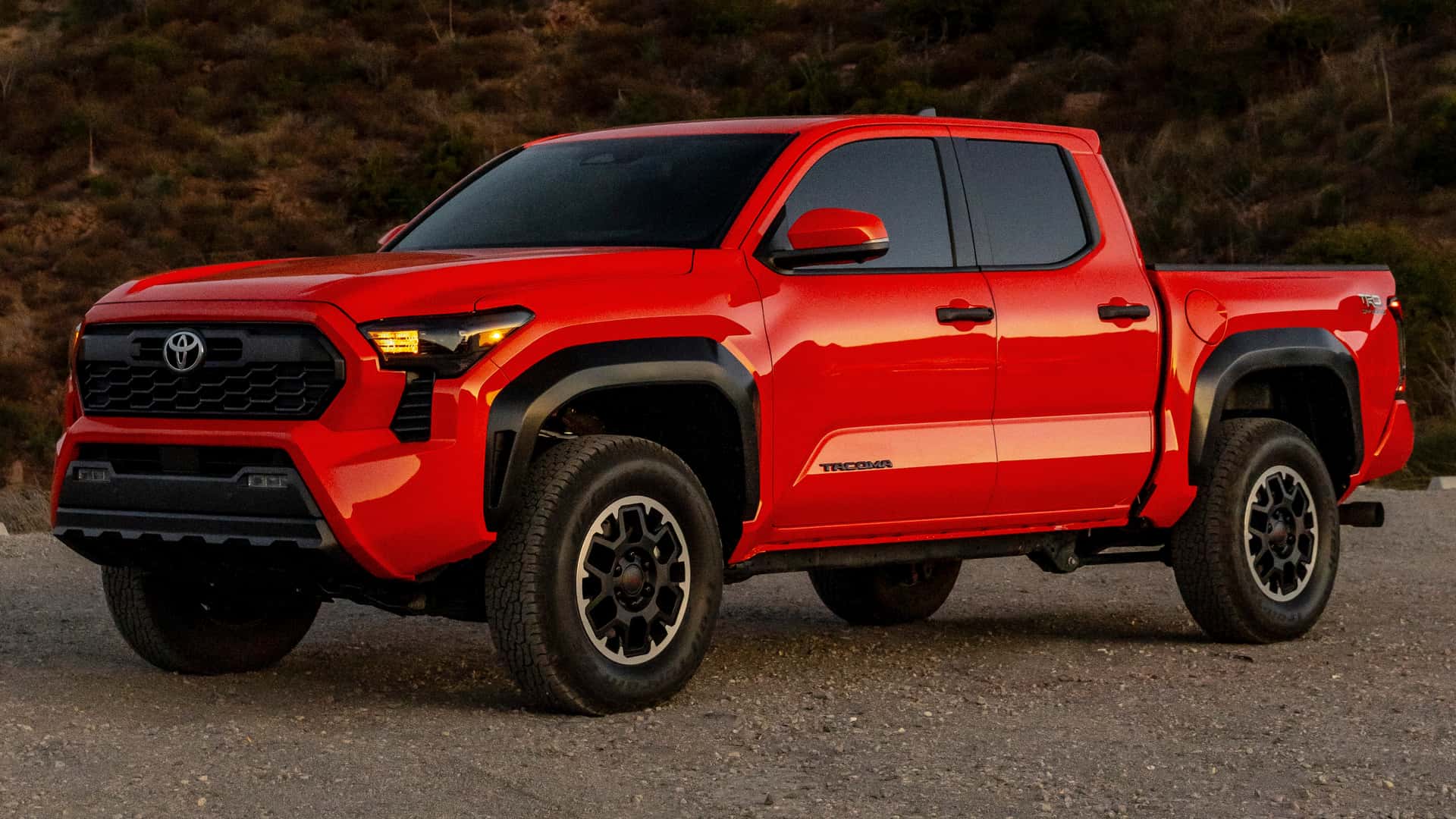
If a dealer technician identifies any signs of corrosion or structural weakness at the reservoir flange, the entire affected shock assembly will be replaced with an updated, redesigned component. This new part is engineered to withstand the environmental factors that led to the original failure, ensuring long-term durability.
Because this recall involves the physical replacement of suspension parts, there may be a lag time between the receipt of the recall notice and the availability of parts at local service centers. Toyota advises owners to maintain open lines of communication with their local dealership’s service department to schedule an appointment as soon as parts are confirmed to be in stock.
Implications for Tacoma Owners
For the owners of the 2024–2025 Tacoma—a vehicle marketed heavily on its durability and off-road capability—this recall highlights the importance of proactive vehicle maintenance.
Operational Precautions
Until the inspection is completed, owners are advised to exercise a degree of caution. While the vehicle remains drivable, it is prudent to:
- Avoid Extreme Off-Roading: Excessive suspension articulation or high-impact terrain can accelerate the stress on a compromised weld point.
- Limit Heavy Towing: High tongue weights and trailer dynamics place additional pressure on the rear suspension, which could exacerbate an existing weakness in the shock absorber assembly.
- Monitor for Symptoms: Listen for unusual clunking or rattling noises emanating from the wheel wells, which could indicate a loose or detached component.
The Broader Recall Landscape
This campaign is part of a larger trend of increased scrutiny on automotive components as manufacturers transition to new vehicle architectures. Recent months have seen a high volume of recalls across the automotive sector, including significant actions from General Motors regarding brake systems and BMW regarding driveshaft and rollaway risks. For Toyota, managing this recall efficiently is critical to maintaining the trust of a loyal enthusiast base that relies on the Tacoma for both daily commuting and demanding recreational use.
Expert Perspective: Why Prompt Action Matters
The team at Motor1.com emphasizes that while recall notices can be perceived as an inconvenience, they are essential for long-term vehicle safety. Given that this specific defect involves a structural suspension component that is directly connected to the vehicle’s ability to navigate the road safely, "waiting for the letter" is not the recommended course of action.
By acting now, owners can secure their place in the service queue. Parts logistics can sometimes be a bottleneck in large-scale recalls; therefore, early engagement with a dealer ensures that a customer is among the first to receive the necessary repairs once parts are distributed.
Furthermore, this situation serves as a reminder to all modern vehicle owners of the necessity of keeping contact information current with the manufacturer. Ensuring that your registration and contact details are up-to-date with Toyota allows for the fastest possible notification when safety-critical issues arise.
Conclusion
The recall of 48,280 Toyota Tacoma trucks for potential shock absorber reservoir detachment is a serious matter that demands immediate attention from owners. By prioritizing the inspection and, if necessary, the replacement of these components, Toyota is taking the necessary steps to mitigate the risk of roadside incidents and ensure the continued reliability of the Tacoma platform.
Owners should not delay. Use the provided resources—specifically the NHTSA VIN search tool—to confirm if your vehicle is included in the campaign. If your truck is flagged, contact your nearest Toyota service center, provide your VIN, and prepare to have your vehicle inspected as soon as parts become available. Your safety, and the safety of those sharing the road with you, depends on the structural integrity of your vehicle’s suspension.