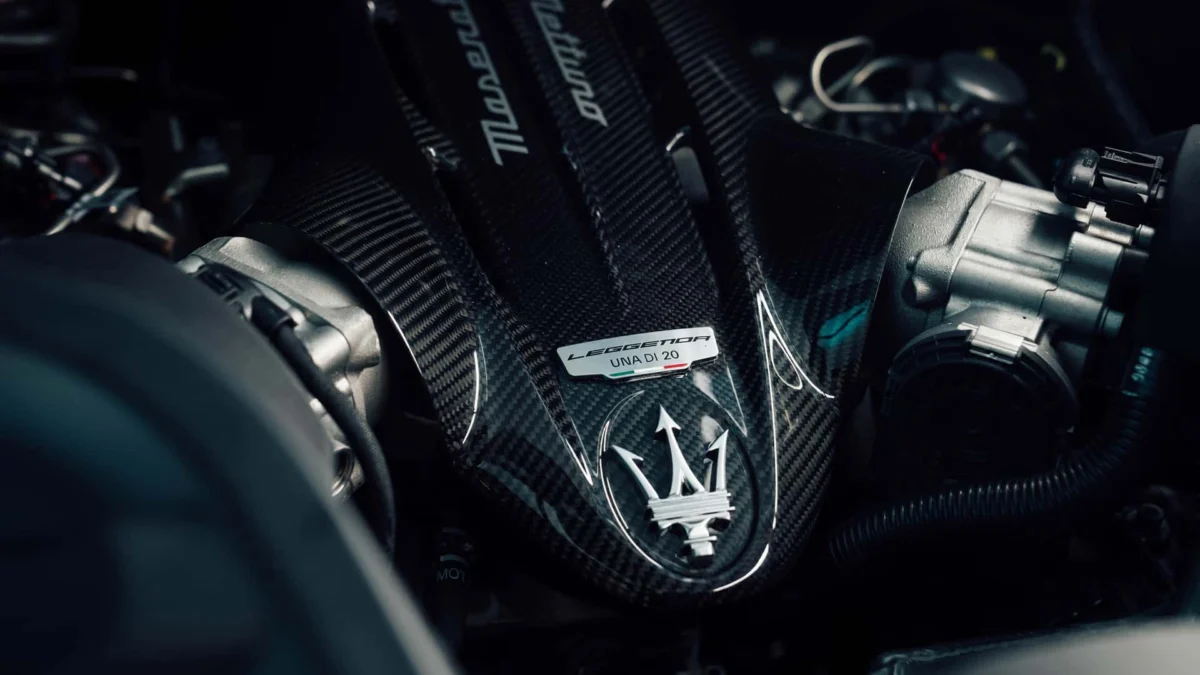
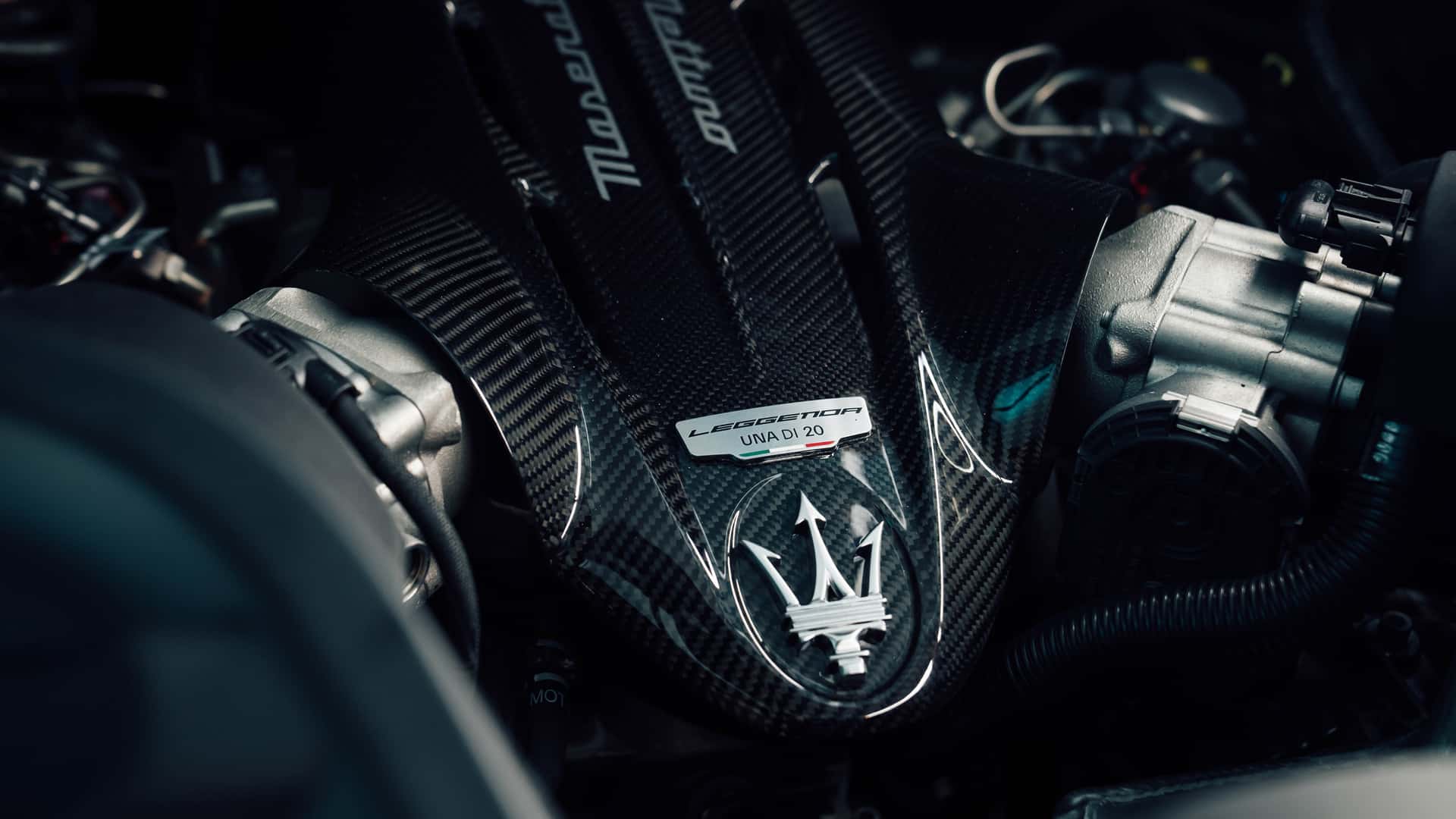
Since its high-profile debut in 2020, the Maserati Nettuno engine has served as more than just a power plant; it has been a symbol of the brand’s industrial renaissance. Introduced alongside the MC20—the halo supercar that signaled the start of a new era for the Modena-based manufacturer—the Nettuno marked the return of Maserati’s in-house engine production after a two-decade hiatus.
As the automotive industry pivots aggressively toward electrification, the role of internal combustion engines (ICE) is being redefined. Rather than abandoning its mechanical heritage, Maserati has signaled a clear path forward: the Nettuno V6 is not only staying, but it is also set to evolve. By integrating advanced hybridization technologies, Maserati aims to marry the visceral soul of Italian combustion with the performance and efficiency demands of the modern era.
A Chronology of the Nettuno Engine
To understand the significance of the Nettuno’s upcoming evolution, one must look at the impact it has had since its introduction.
2020: The Renaissance Begins
The Nettuno V6 arrived with a flourish in the MC20. It was the first engine designed, developed, and manufactured entirely in-house by Maserati in over 20 years. Featuring Formula 1-derived technology, such as a twin-spark pre-chamber combustion system, the 3.0-liter, 90-degree V6 delivered an impressive 621 horsepower. This engine proved that Maserati could compete with the highest echelons of supercar performance without relying on shared power plants from parent company Ferrari.
2021–2023: Scaling the Architecture
Following the success of the MC20, Maserati began the strategic rollout of the Nettuno architecture across its broader portfolio. The engine found a home in the Grecale SUV, Maserati’s volume-seller, and the iconic GranTurismo. By adapting the engine’s power outputs to suit different chassis dynamics—from the high-revving thrill of the MC20 to the grand-touring refinement of the GT—Maserati successfully established the Nettuno as the backbone of its brand identity.
2024 and Beyond: The Hybrid Horizon
At the launch of its 2027 model lineup, Maserati executives confirmed that the Nettuno is entering its next phase. While the core block remains, the engine will be augmented by electrification. This transition marks the end of "pure" combustion for the brand’s flagship ICE models, shifting instead toward a hybrid-only future.
The Strategic Shift: Why Hybridize?
Maserati’s decision to pursue hybridization is driven by a combination of stringent global emissions regulations and the desire to enhance the driving experience.
Cristiano Fiorio, Maserati’s Chief Marketing Officer, articulated the brand’s philosophy during recent briefings: "We do see a hybrid future for the Nettuno, because it’s another type of performance that we can get. It also gives additional value to the customer in the future."
The "value" Fiorio refers to is twofold: improved low-end torque delivery—often a weak point in high-performance turbocharged engines—and the ability to maintain the engine’s presence in markets where emissions taxes and environmental regulations are increasingly punitive to pure ICE vehicles.
Avoiding the Plug-in Trap
One of the most critical aspects of Maserati’s electrification strategy is the explicit rejection of plug-in hybrid (PHEV) technology for the Nettuno platform. Maserati has drawn a sharp line in the sand:
- The Folgore Route: Customers seeking full electrification and plug-in capability are directed toward the Folgore line, the brand’s dedicated battery-electric vehicle (BEV) division.
- The Hybrid Route: The Nettuno will utilize mild-hybrid (48-volt) and high-voltage non-plug-in hybrid systems.
By avoiding the added weight and complexity of large-capacity plug-in battery packs, Maserati maintains the agility and handling characteristics that define the "Maserati feel." As COO Santo Ficili noted, "I am personally in love with this engine," emphasizing that the goal is to enhance the character of the Nettuno, not mask it behind the heavy architecture of a plug-in system.
Technical Implications: Engineering the Evolution
The shift to a 48-volt or high-voltage hybrid system on the Nettuno will likely involve a motor-generator unit (MGU) integrated directly into the transmission or bolted to the crankshaft. This setup allows for "torque fill," where the electric motor provides an instantaneous boost during gear shifts or low-RPM acceleration, smoothing out turbo lag.
The Role of 48-Volt Systems
The 48-volt mild-hybrid setup is likely to be the entry point for the Grecale and potentially the Ghibli/Quattroporte successors. This technology allows for seamless start-stop transitions, coasting, and energy recuperation, significantly reducing fuel consumption in urban environments without requiring a charging cable.
High-Voltage Hybridization
For the sportier models, such as the GranTurismo and the MC20, a higher-voltage system could be employed. This would likely be aimed at performance rather than just efficiency. An electric motor could provide an additional 50 to 100 horsepower, creating a "boost" effect that would keep the Nettuno competitive with the ever-increasing power figures of rivals from Porsche and Ferrari.
Implications for the Market and the Brand
Maserati’s strategy offers a clear signal to both competitors and enthusiasts.
The Competitive Landscape
Most luxury performance brands are currently grappling with the "electrification cliff." By opting for non-plug-in hybrids, Maserati differentiates itself from brands that have pushed for complex PHEVs—which are often criticized for their heavy weight and diminished utility once the battery is depleted. Maserati is positioning the Nettuno hybrid as a "driver’s hybrid," focused on engagement rather than pure electric-only range.
Financial and Operational Efficiency
Using the Nettuno as the base for all ICE-powered vehicles allows Maserati to consolidate its R&D costs. By developing one high-performance engine that can scale from 48-volt mild-hybrid to high-voltage hybrid, the company optimizes its manufacturing footprint. This efficiency is crucial as the brand balances the massive R&D costs associated with the Folgore EV line.
The Enthusiast Perspective
The "Motor1 Take" remains clear: the move is a pragmatic necessity. With the four-cylinder hybrid options being phased out of the Grecale lineup, there was a void in the product portfolio. The Nettuno-based hybrid serves as the perfect bridge, providing the prestige of a V6 engine with the modern tech required to keep it compliant with future emissions standards.
Looking Toward 2027
As we look toward the 2027 model year, the roadmap is clear. The Nettuno engine is not merely a relic of a dying era; it is a platform under active development. While the roar of a pure combustion engine is becoming a rarity, Maserati is banking on the fact that its clientele still craves the sound, the vibration, and the mechanical complexity of an Italian-designed V6.
By integrating high-voltage systems that enhance performance rather than hinder it, Maserati is betting that the "hybrid future" of the Nettuno will be just as compelling as the day it was first unveiled in the heart of the MC20. The brand is proving that it doesn’t have to be a choice between the past and the future—with the right engineering, the best of both worlds can coexist under the hood of a trident-badged masterpiece.
As Maserati continues its journey, one thing is certain: the Nettuno engine will remain the beating heart of the brand, evolved, electrified, and ready for the next century of automotive excellence.