For decades, the prevailing narrative surrounding clinical depression has centered on a relatively simple biological equation: a chemical imbalance, specifically a deficiency in neurotransmitters like serotonin. This "chemical imbalance" theory has dictated the pharmaceutical landscape for half a century, fueling the development of selective serotonin reuptake inhibitors (SSRIs) and other monoamine-based therapies. However, while these treatments offer relief for many, they fail to provide adequate outcomes for millions of others.
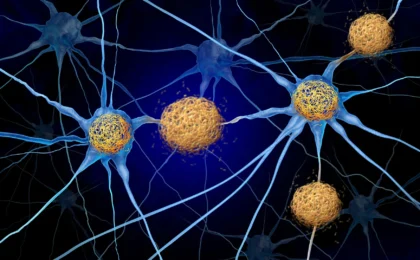
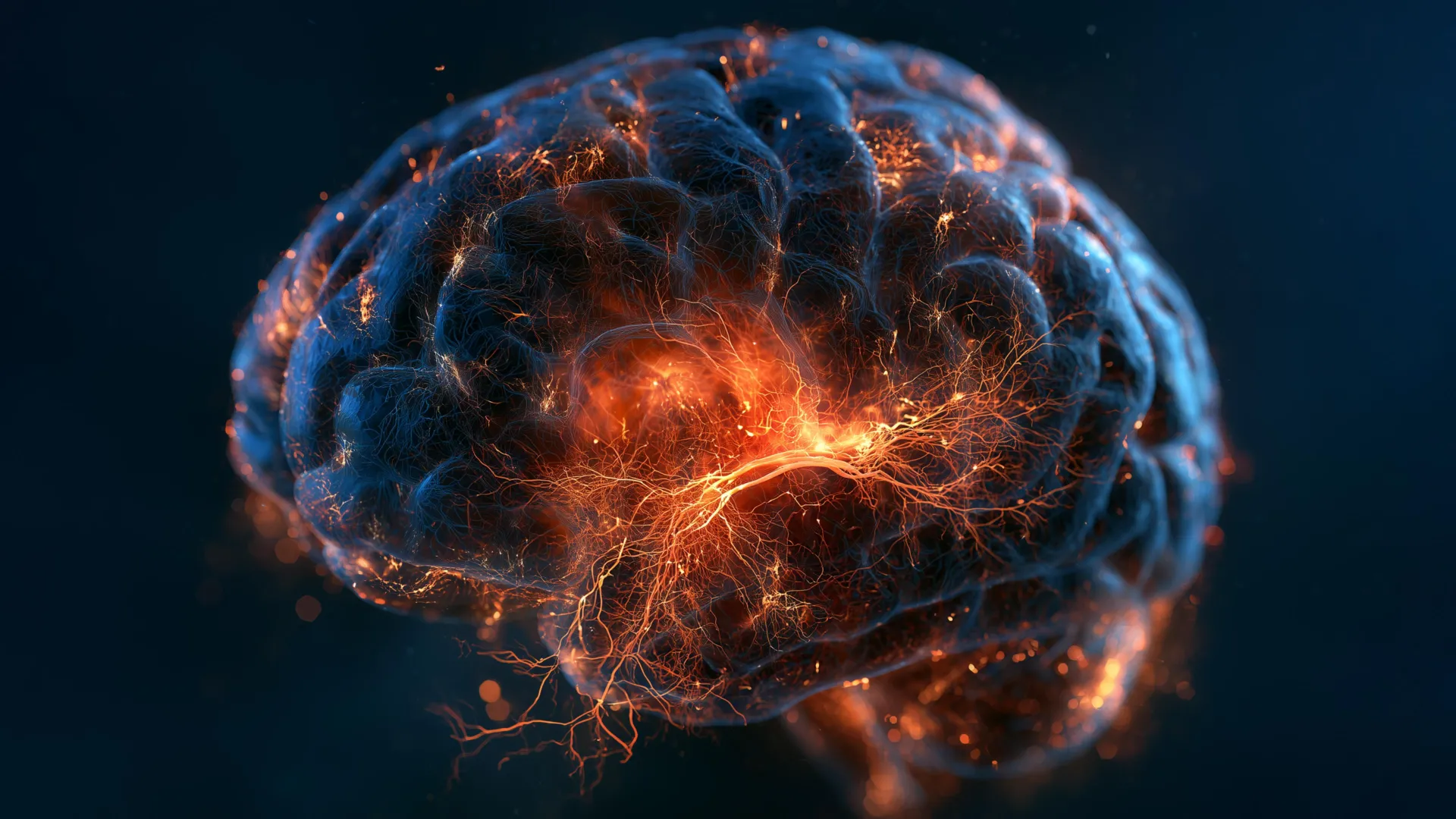
A groundbreaking study published on August 21, 2026, in the journal Nature Medicine suggests that the medical community may have been looking at the wrong culprit. According to new research led by the Columbia University Vagelos College of Physicians and Surgeons, the roots of major depressive disorder (MDD) may lie not in a simple chemical deficit, but in a profound failure of the brain’s architecture to adapt to stress. Specifically, the study provides the first definitive evidence that neurogenesis—the birth of new neurons—stalls in the adult human hippocampus, effectively trapping the brain in a cycle of maladaptive memory and emotional distress.
The Architecture of Resilience: What is Neurogenesis?
While the human brain contains roughly 100 billion neurons, the vast majority are formed during fetal development. By the time an individual reaches adulthood, the brain is considered largely "finished" in terms of its primary structure. However, the hippocampus—a complex, seahorse-shaped region deep within the temporal lobe—remains a notable exception. It is one of the few areas in the adult brain that continues to generate new neurons throughout a person’s lifespan.
This process, known as adult hippocampal neurogenesis, is now at the center of a paradigm shift in psychiatry. Lead researcher Maura Dupont, professor of psychiatry at Columbia University, argues that these newborn neurons are essential for the brain’s "resilience."
"Historically, depression was thought to be a disease of neurotransmitter deficiency," Dupont explains. "But we now think that depression stems from multiple issues that affect our neurons’ ability to adapt to stress and changing environments. Without the ability to create new neurons, people with depression may not have the capacity to effectively navigate and respond to their world."
Pattern Separation: How Memories Become Distorted
To understand why a lack of new neurons leads to depression, one must understand the role of the hippocampus in "pattern separation." This cognitive function allows the brain to distinguish between similar but different memories and to isolate the emotional significance of a past event from a present situation.
In a healthy brain, new neurons are particularly sensitive to new experiences. They act as "fresh" components that can be easily integrated into memory circuits, allowing the brain to store distinct episodes separately. When neurogenesis is suppressed, this biological sorting mechanism fails. Experiences begin to bleed into one another, leading to a phenomenon where negative historical biases color present-day interpretations.
Dupont provides a poignant example: "You may be out with a friend for lunch, but she’s tired and doesn’t talk much. With intact pattern separation, you remember this as a unique event. With impaired pattern separation, it becomes mixed with previous memories of feeling rejected, leading you to think, ‘They’re upset with me.’ I see this a lot in my patients, where they can only retrieve negative information from their memories."
The study suggests that when neurogenesis stalls, the brain loses its ability to "update" its emotional context, effectively keeping the patient locked in a state of chronic, perceived rejection or sadness.
A Massive Molecular Audit: Methodology and Findings
The Columbia research team did not reach these conclusions through mere speculation. The study involved an exhaustive analysis of nearly half a million brain cells collected from donors with MDD and healthy control subjects. By employing high-resolution sequencing and proteomics, the team mapped the activity of every gene within individual cells and examined structural protein alterations.
This high-fidelity dataset allowed the researchers to move beyond the "black box" of the brain and observe exactly which cellular processes were malfunctioning. The findings were stark: the molecular disruptions were not limited to the birth of new neurons. They permeated the entire trisynaptic circuit—the primary pathway through which the hippocampus establishes new emotional memories.
The team identified widespread evidence of:
- Synaptic Impairment: Genes responsible for building and maintaining connections between neurons were significantly downregulated.
- Energy Deficits: Cells showed signs of failing to supply the necessary metabolic energy to support neuronal communication.
- Inflammatory Stress: The trisynaptic circuit exhibited clear markers of cellular inflammation, a biological state often linked to chronic stress.
Epigenetics and the "Dimmer Switch" of Mental Health
Perhaps the most significant aspect of the study is the discovery of epigenetic modifications—changes that affect gene expression without altering the underlying DNA sequence. Dupont likens these to "dimmer switches."
"These switches control how active genes are, and they are affected by life experiences such as stress, learning, aging, and chemical exposure," she says. The data revealed that many of the genes previously associated with depression were being "dimmed" or "brightened" by these environmental factors.
This finding offers a bridge between the nature-versus-nurture debate. It suggests that while genetic predisposition plays a role, the environmental "input" of an individual’s life—the traumas, the stressors, and the daily grind—is physically recorded in the molecular landscape of the hippocampal circuit. This complexity may explain why depression manifests so differently from person to person; it is not a monolithic disease, but a diverse range of molecular malfunctions.
Implications: A Future of Precision Psychiatry
The potential applications of this research are transformative. By shifting the focus from neurotransmitter levels to the structural and molecular integrity of the hippocampus, the researchers hope to move psychiatry toward a model of "precision medicine," similar to how oncology is currently practiced.
"We want to reclassify depression based on its molecular features, similar to what has been done in cancer," says Dupont. "Classifying cancers based on their cellular characteristics, not their locations, has led to new and improved treatments. We hope the same will be true for depression."
If clinicians can identify which "molecular subtype" of depression a patient is experiencing—whether it is a failure of neurogenesis, a breakdown in synaptic connectivity, or an inflammatory response—they could move beyond the "trial and error" method of prescribing antidepressants. Instead, they could target the specific pathway that has gone dormant or awry.
Toward a New Era of Treatment
The prospect of "turning neurogenesis back on" represents the next frontier in psychiatric research. While the mechanisms are still being fully mapped, the research implies that if we can stimulate the production of new neurons or repair the existing trisynaptic circuit, we might be able to restore the brain’s ability to process emotions normally.
For the millions of people who have found current medications ineffective, this research offers a new sense of hope. It validates their experience as a biological reality rather than a character failing or a "chemical imbalance" that simply refuses to correct itself.
The study, titled "Dysregulated adult hippocampal neurogenesis in major depressive disorders," serves as a clarion call for further investment in understanding the cellular mechanics of the human brain. As the scientific community digests these findings, the focus is shifting toward a more granular, biological understanding of the mind—one that respects the complexity of our neurons and the profound impact of the environments in which they live.
As Dupont concludes, "We still have only a limited understanding of the underlying biology of this disorder. But by defining it more precisely at the cellular and molecular levels, we are finally moving toward targets for treatment that actually address the root of the problem."