For nearly a decade, PUBG: Battlegrounds has defined the tactical shooter landscape. Since its explosive arrival in 2017, it has maintained a stranglehold on the battle royale genre, evolving through seasonal updates, map overhauls, and the introduction of complex tactical gear. However, developer and publisher Krafton has signaled a massive shift in direction for the franchise. During the highly anticipated Gamescom Opening Night Live presentation on August 25, 2026, the company pulled back the curtain on a project that promises to shatter the conventions of the PUBG universe: PUBG: DED.NET.
Departing from the hyper-realistic, high-stakes survival loop of the original game, DED.NET introduces a frantic, neon-soaked, roguelite-infused FPS experience. As the franchise prepares to enter its second decade, this pivot represents a bold attempt to diversify the PUBG brand into something faster, weirder, and intentionally more chaotic.
The Core Concept: Pure Roguelite Chaos
At its heart, PUBG: DED.NET is a departure from the "last man standing" philosophy. While it retains the gunplay foundations that made the original title a household name, the gameplay loop is entirely redefined. Krafton describes the title as a multiplayer FPS that integrates deep roguelite progression systems across individual runs.
In this iteration, the "battlefield" is no longer just a sprawling island meant for long-range sniping; it is a dynamic, procedurally influenced environment. Players are encouraged to experiment, adapt, and build unique "builds" during each session. This means that no two runs in the world of 1990s Cascadia—the game’s primary setting—will feel identical. By stripping away the static predictability of traditional battle royale maps and replacing them with systemic, unpredictable variables, Krafton is betting that the PUBG audience is ready for a faster, more experimental pace.
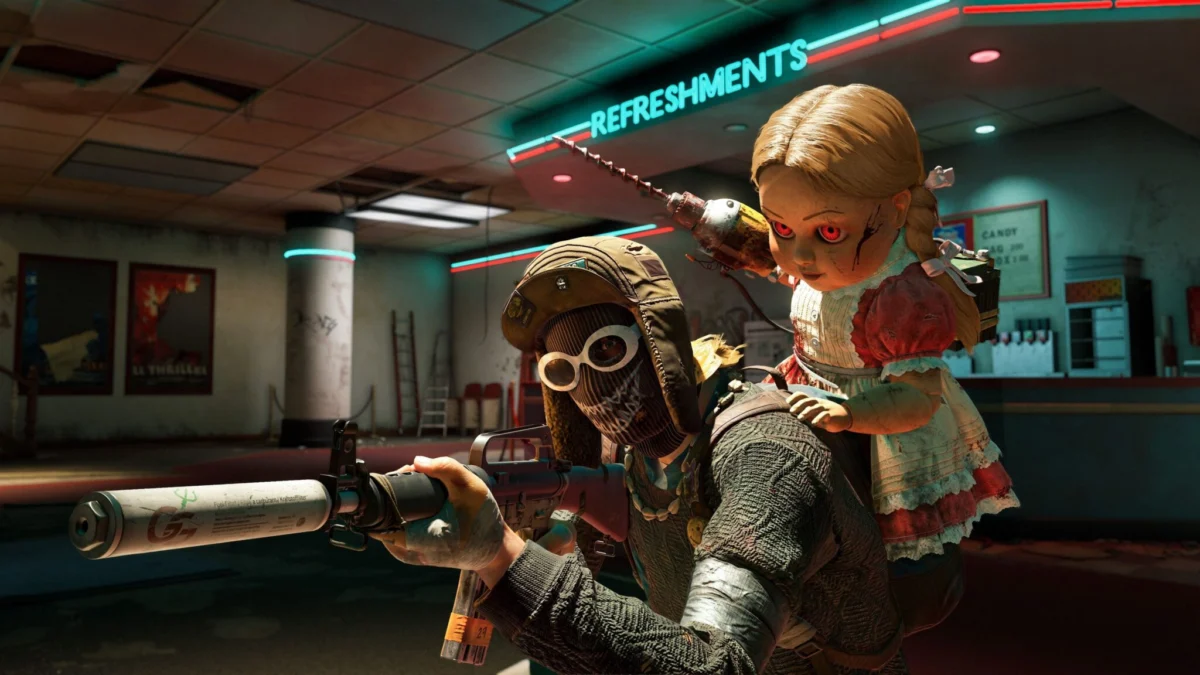
The aesthetic, as revealed in the initial trailer, leans heavily into the gritty, distorted energy of the late 90s. Set to the pulsing industrial beat of Ministry’s "Jesus Built My Hotrod," the reveal trailer showcased a visual identity that is equal parts lo-fi, synth-wave, and post-apocalyptic decay.
A Chronology of the PUBG Expansion
The announcement of DED.NET is the latest chapter in a multi-year effort by Krafton to transform PUBG from a singular game into a sprawling multimedia IP.
- 2017–2020: The Battle Royale Dominance: PUBG dominates the market, setting industry standards for the battle royale format. During this period, the focus was almost entirely on stabilizing the experience and expanding the map pool.
- 2021–2024: IP Diversification: Recognizing the need for long-term viability, Krafton began investing in lore, short films, and spin-off concepts. The PUBG universe began to develop its own internal mythology, moving beyond just being a "military simulator."
- 2025: The Signal of Change: Rumors of "Project Black Budget" began to circulate, with reports surfacing that Krafton was developing a high-fidelity extraction shooter to compete with titles like Escape from Tarkov and ARC Raiders.
- August 25, 2026: The Gamescom Reveal: PUBG: DED.NET is officially announced. The timing suggests a strategic move to capture the current market appetite for roguelite shooters, a genre that has seen massive success with titles like Returnal and various extraction-lite indie games.
Supporting Data: Why the Roguelite Shift?
Market analysis shows that the "Battle Royale" market has hit a plateau in terms of innovation. Players are increasingly gravitating toward "Extraction Shooters" and "Roguelite FPS" games, where the thrill of the session is tied to character growth and loot retention rather than simply avoiding a shrinking circle.
By adopting roguelite elements—such as randomized perks, weapon modifications found mid-run, and procedurally generated threats—DED.NET solves the "fatigue" problem inherent in standard BR modes. In a traditional BR, a bad drop or a quick death means the match is effectively over. In DED.NET, the roguelite framework ensures that even a failed run contributes to overall progression, keeping the "one more round" addictive loop intact.
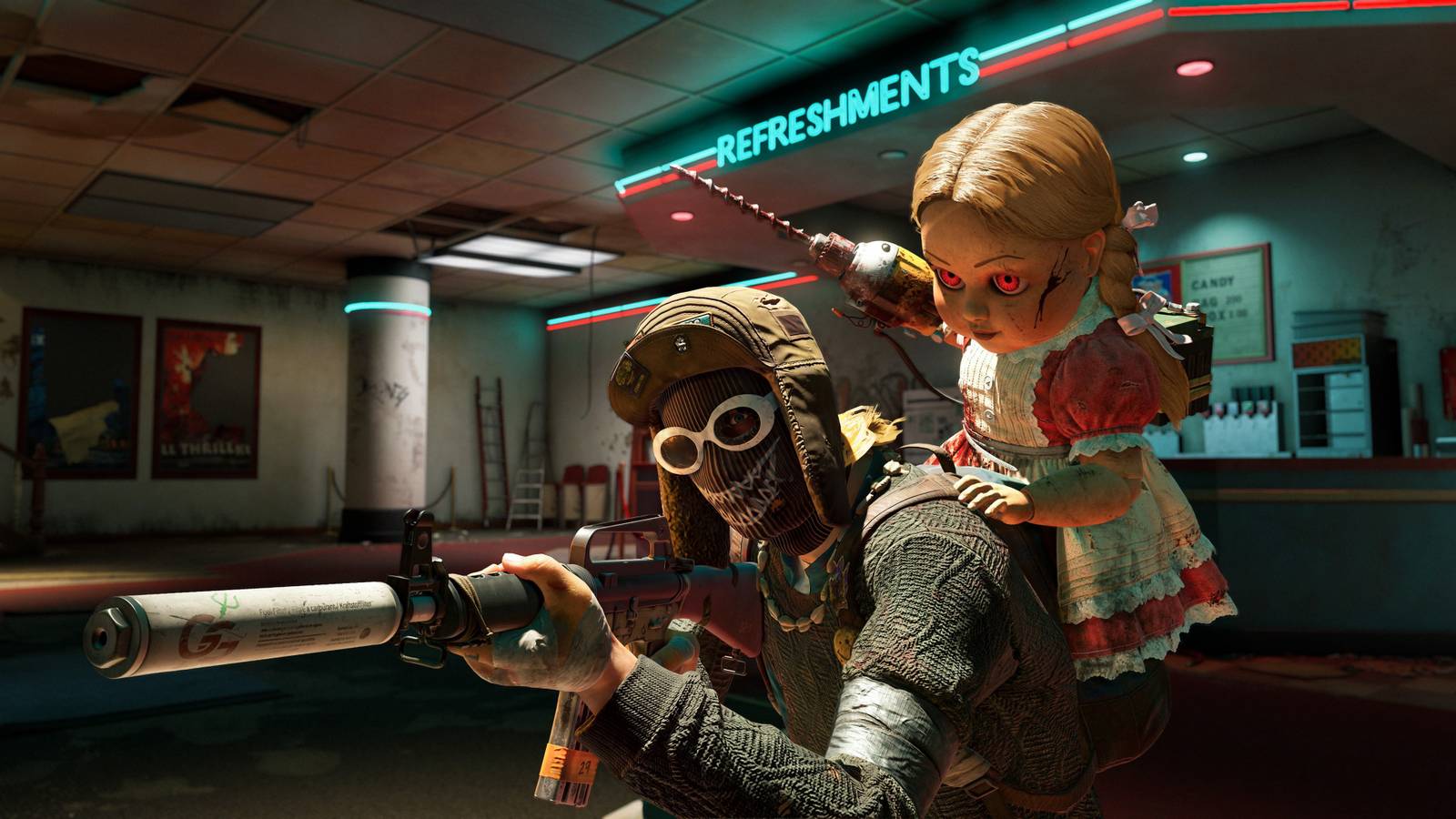
Furthermore, the choice of the 1990s Cascadia setting allows the art team to move away from the bland, realistic military fatigues of the original game. This allows for more creative weapon skins, character customization, and environmental hazards that wouldn’t make sense in a standard PUBG match.
Official Responses and Developer Intent
Krafton has been relatively tight-lipped regarding the specific mechanics, but their communications emphasize "freedom" and "experimentation."
"With DED.NET, we aren’t just making another PUBG game," said a spokesperson during the post-show briefing at Gamescom. "We are looking at what made the original gunplay so satisfying and placing it inside a blender. We want players to feel the pressure of the environment, but also the thrill of finding a combination of gear that turns them into a powerhouse for that specific run."
The developer has explicitly stated that they are prioritizing community feedback early in the process. By opening registration for a closed beta test via their official website, Krafton is signaling that the game is in a playable, albeit experimental, state. This mirrors the early-access strategies that helped the original PUBG become a global phenomenon, suggesting that they intend to co-develop the final product with their player base.
Implications for the Industry
The launch of DED.NET—alongside the upcoming PUBG: Black Budget—has profound implications for the gaming industry:
- The Death of the "Single Game" Identity: PUBG is no longer a game; it is a franchise hub. Much like Call of Duty or Battlefield, Krafton is attempting to use the brand name to anchor multiple sub-genres under one umbrella.
- Extraction and Roguelite Dominance: The pivot toward these genres indicates that major publishers believe the next "big thing" in shooters is not a larger map or more players, but a more intense, high-stakes, and progression-heavy individual experience.
- Competition with Independent Studios: By moving into the roguelite space, Krafton is now going head-to-head with smaller, agile indie developers who have dominated the genre for years. Their ability to leverage the PUBG player base could either disrupt the current market leaders or demonstrate that "AAA" developers are finally catching up to the design trends of the indie scene.
What to Expect Next
As of late 2026, the focus for the PUBG team is the closed beta. Fans who sign up should expect a raw, highly volatile experience. The transition from the static, tactical nature of PUBG: Battlegrounds to the frenetic, "Jesus Built My Hotrod"-fueled intensity of DED.NET will likely be a jarring shift for longtime fans.
However, if Krafton succeeds, they will have successfully bridged the gap between their traditional tactical audience and a new generation of players who prefer the high-octane, randomized fun of modern roguelites. The battlefield is indeed changing, and if the early footage is any indication, the chaos is only just beginning.
For those interested in participating, keeping a close watch on the official DED.NET portal is essential. With Black Budget also looming on the horizon, Krafton is clearly positioning itself to own the shooter conversation for the next several years, provided they can balance the complexity of their new systems with the tight, responsive gunplay that built their empire.