PORT-AU-PRINCE, Haiti – The precarious security situation in Haiti has reached a harrowing new inflection point. As of August 25, 2026, a coordinated coalition of armed gangs has launched a series of high-intensity attacks across the capital, plunging an already fragile nation into a state of acute crisis. This latest surge in violence marks a significant shift in tactical sophistication among criminal factions, signaling a direct challenge to both the transitional government and the international security support mission currently operating in the country.
Main Facts: A City Under Siege
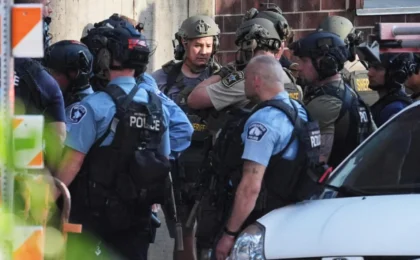
The current offensive, which began in the early hours of Monday, August 25, has targeted critical infrastructure, government administrative buildings, and civilian residential areas. Reports from the ground indicate that the coalition—a loose but lethal alliance of some of the country’s most powerful gang leaders—is utilizing heavy weaponry, including machine guns and small-scale explosives, to bypass police barricades.
Key developments include:
- Targeted Infrastructure: Key arterial roads leading into Port-au-Prince have been blocked, effectively cutting off the capital from food and fuel supplies.
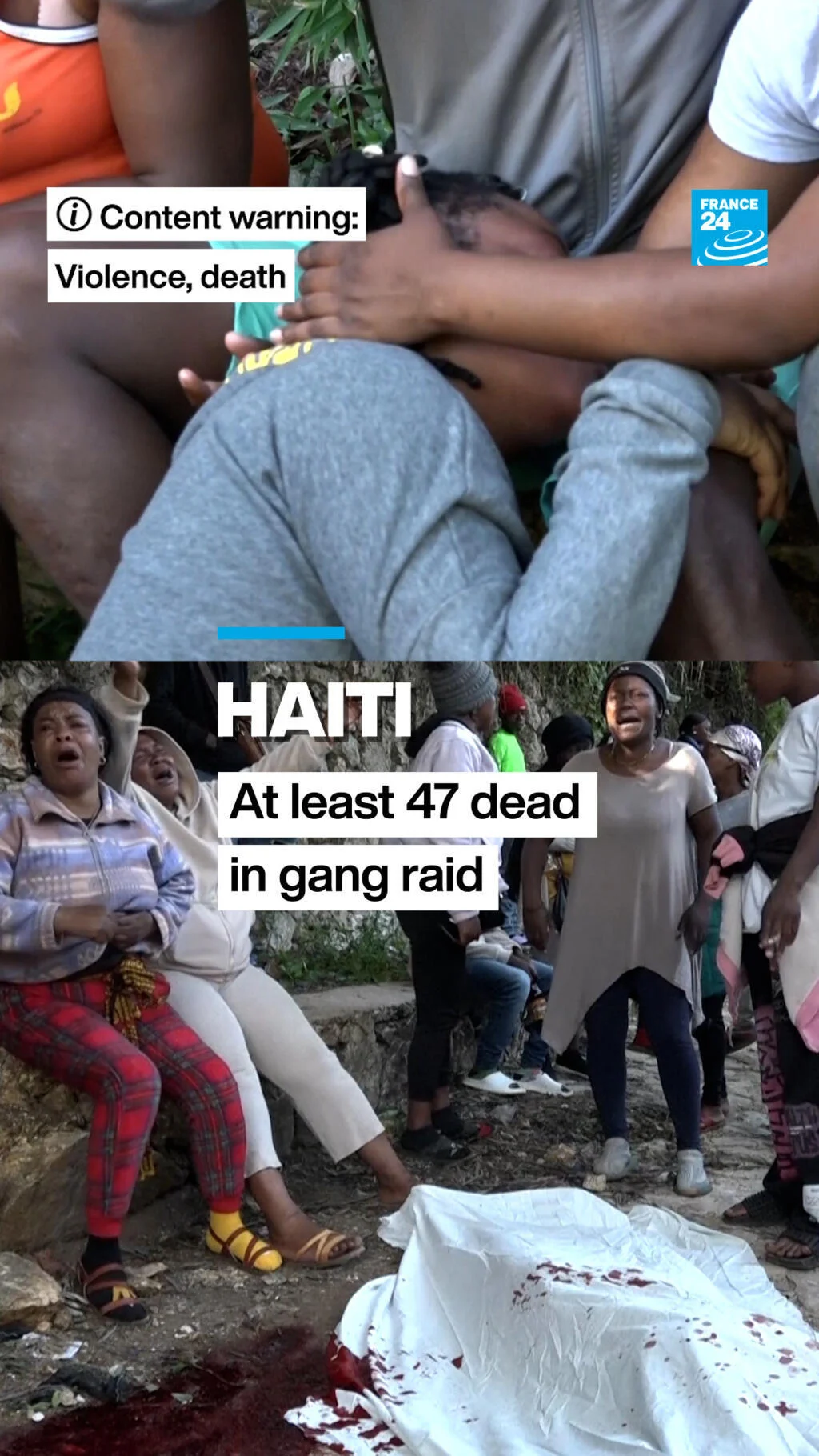
- Casualty Estimates: While verified figures remain difficult to obtain due to the ongoing volatility, local hospitals report a sudden influx of trauma patients, and early estimates suggest dozens of fatalities, including civilians caught in the crossfire.
- Strategic Objective: Analysts suggest the coalition is aiming to consolidate control over territorial "choke points," effectively neutralizing the ability of state forces to patrol the capital.
The surge follows months of mounting tensions, as the promised stabilization from international peacekeeping efforts has struggled to gain traction against a deeply entrenched criminal infrastructure that has permeated the fabric of Haitian society.
Chronology of the 2026 Escalation
The descent into the current state of emergency did not happen in a vacuum. To understand the gravity of this week’s events, one must look at the preceding weeks of systematic destabilization.
Early August: The Quiet Before the Storm
Throughout the first two weeks of August, intelligence reports noted a curious decrease in skirmishes between rival gangs. Experts now interpret this as a period of consolidation, where rival factions—historically prone to infighting—reached a tactical truce to focus their resources on a centralized campaign against the state.
August 20-22: The Logistics of Terror
Intelligence intercepted during this period suggested the movement of heavy armaments into the metropolitan area. Simultaneously, gang leaders began using encrypted messaging platforms to coordinate simultaneous strikes on police substations, testing the response times of the Multinational Security Support (MSS) mission.
August 25: The Coordinated Offensive
At 4:00 AM, the coalition initiated synchronized attacks across four distinct districts. By 8:00 AM, the central police headquarters had come under sustained fire. By midday, the government declared a state of emergency, authorizing the military to assist the National Police in reclaiming critical thoroughfares.
Supporting Data: The Anatomy of a Failed State
The data underlying Haiti’s current condition paints a grim picture of systemic collapse. According to recent reports from the United Nations Integrated Office in Haiti (BINUH), the first half of 2026 saw a 30% increase in kidnappings for ransom compared to the same period in 2025.
Socio-Economic Impact
- Food Insecurity: Over 5 million Haitians—nearly half the population—are currently facing acute hunger. The blockade of supply routes is expected to cause food prices to spike by as much as 40% within the week.
- Displacement: International humanitarian organizations estimate that an additional 25,000 residents have been displaced from their homes since Monday morning, fleeing to overcrowded makeshift shelters.
- Medical Crisis: With the main hospital in the city center inaccessible due to gang presence, the few remaining functional clinics are reporting critical shortages of blood supplies, surgical kits, and oxygen.
Official Responses: A Government Strained to the Breaking Point
The transitional government, currently navigating a fraught path toward long-delayed elections, has issued a series of desperate appeals for calm and international assistance.

The Government Stance
In a televised address, the Prime Minister condemned the attacks as "an act of domestic terrorism aimed at the total dismantling of the Haitian state." The administration has confirmed that it is working closely with the MSS leadership to formulate a counter-offensive. However, the government’s reliance on the international mission has drawn criticism from civil society groups, who argue that the state is effectively outsourcing its core duty of security.
International Reaction
The United Nations Security Council convened an emergency session to address the unfolding catastrophe. Member states have reaffirmed their commitment to the MSS, though there is palpable frustration regarding the mission’s lack of progress. The United States and regional Caribbean partners (CARICOM) have urged an immediate cessation of hostilities, emphasizing that a military solution alone will be insufficient to restore long-term stability.
"The violence we are seeing is not just a security challenge; it is a manifestation of the complete erosion of public trust," stated a spokesperson for a regional human rights watchdog. "Unless the root causes—corruption, poverty, and impunity—are addressed, no amount of ammunition will bring peace."
Implications: A Crossroads for Haiti
The events of August 25 represent a dark turning point for the nation. The implications of this escalation are multifaceted and deeply concerning.
1. The Future of the MSS Mission
The international security mission is now facing its greatest test. If the MSS fails to contain this offensive, its legitimacy will be fundamentally compromised, potentially leading to a withdrawal of support from contributing nations. Conversely, a heavy-handed military response risks significant collateral damage, which could alienate the very population the mission is intended to protect.
2. Political Paralysis
The violence has effectively shelved any immediate plans for democratic transition. With the country in a state of emergency, the logistics of voter registration and political campaigning have become impossible. This serves the interests of the gang leaders, who thrive in the power vacuum that persists in the absence of a stable, elected government.
3. The Humanitarian Catastrophe
Beyond the immediate loss of life, the long-term impact on Haiti’s youth and infrastructure will be felt for generations. Schools, already suffering from years of intermittent closures, remain shuttered. The loss of human capital, as the educated middle class continues to flee the country, threatens to leave Haiti without the institutional knowledge necessary for reconstruction.
Conclusion: A Nation at the Precipice
As night falls over Port-au-Prince, the sound of gunfire continues to echo through the hills. The coalition of gangs has demonstrated that they possess the capacity to paralyze the nation at will, challenging the narrative of state authority.
For the international community, the question is no longer merely how to restore order, but how to re-establish the legitimacy of the Haitian state in the eyes of its people. Without a robust, multifaceted approach that combines surgical security interventions with deep-seated economic and judicial reform, Haiti risks descending further into a cycle of violence that threatens to engulf the stability of the entire region.
As of this writing, the situation remains fluid. The coming 48 hours will be critical in determining whether the government can regain control of its capital or if the nation will witness a further splintering of its territory into lawless, gang-governed enclaves. The eyes of the world are once again on Haiti, and the stakes for its people have never been higher.